• Pl chevron_right

      Isode: Cobalt 1.3 Release Features

      news.movim.eu / PlanetJabber • 9 February 2023 • 2 minutes

    Cobalt 1.3 depends on M-Vault 19.0 or subsequent versions

    M-Vault Management Supporties

    • M-Vault Bootstrap.   Enables operation in conjunction with M-Vault 19.0 to support headless bootstrap.
    • Managing users in M-Vault groups, such as Directory Server Administrators  and Messaging Configuration Read/Write.  This enables Cobalt to control user and operator rights to access M-Vault.
    • AD/LDAP passthrough support
      • Allow users (per domain) to support mandatory or partial passthrough
      • Set and validate passthrough entry for user
      • Identify users in passthrough server that might be added to domain

    Messaging Management

    • Profile Editor for supporting and managing M-Switch Profiler.
      • SIC Coverage UI. Provide full list of SICS, showing which addresses each one goes to.   This enables operator to ensure that all SICs are sensibly handled.
    • File Transfer By Email capability is now managed by Cobalt, replacing capability previously in MConsole.
    • For Organizations and Military DLs enable control manage capability functions:
      • Max Message Size
      • Max Line Length (for ACP 127 destinations)
      • Charset Restrictions (for ACP 127 destinations)
      • Allows/block attachments
    • Option to show for a user which DLs the user is in, and give easy addition to other DLs.  This facilitates managing DL membership.

    New Views

    • Non-Human Users (Special Users).  Need to support accounts with passwords that are not humans.   For XMPP, Email or both.
    • View for end users, rather than administrators.  User can:
      • Change password.
      • See all of own entry and modify  attributes.   The list of modifiable attributes can be configured.
      • See references to entry and email list membership.
    • User Groups, to enable management of directory groups (Distinguished Names).

    Cobalt Access Control

    • New Cobalt roles, that can enable selective control of which users can access directory admin controls, and which users can set OAUTH rights and can add OAUTH Clients.
    • Restrict Password set/change rights, so that only selected Cobalt administrators can do this.

    Security Enhancements

    • When deleting a user, remove the password.   This will make it safe for applications searching whole DIT as you can’t authenticate with a deleted user’s account.
    • Security Clearance can be selected for any role or user, based on a configured catalogue.  This supports key M-Switch and Harrier feature to check clearances.

    Miscellaneous

    • When assigning a new email, search entire DIT for conflicts, not just Cobalt area.   This  helps SASL resilience
    • Can add Photos to Routed UAs and Organizations.
    • Check References on Delete. Cobalt has a “References” button on user/role form that displays all references of a user/role.  On deleting, references are deleted as well.
    • Tool to check references to users in AD, so that when users in AD are deleted, dangling references can be picked up.
    • Remove default domain concept
    • On deletion of domain in Cobalt, give option to delete all the domain data
    • Option to end all  cobalt logged in sessions of an operator, to allow an operator to logout from all browsers with a single action
    • There is also an option for an operator with appropriate rights  to end sessions of another Cobalt operator.
    • Pl chevron_right

      Isode: Cobalt 1.3 Release Features

      news.movim.eu / PlanetJabber • 9 February 2023 • 2 minutes

    Cobalt 1.3 depends on M-Vault 19.0 or subsequent versions

    M-Vault Management Supporties

    • M-Vault Bootstrap.   Enables operation in conjunction with M-Vault 19.0 to support headless bootstrap.
    • Managing users in M-Vault groups, such as Directory Server Administrators  and Messaging Configuration Read/Write.  This enables Cobalt to control user and operator rights to access M-Vault.
    • AD/LDAP passthrough support
      • Allow users (per domain) to support mandatory or partial passthrough
      • Set and validate passthrough entry for user
      • Identify users in passthrough server that might be added to domain

    Messaging Management

    • Profile Editor for supporting and managing M-Switch Profiler.
      • SIC Coverage UI. Provide full list of SICS, showing which addresses each one goes to.   This enables operator to ensure that all SICs are sensibly handled.
    • File Transfer By Email capability is now managed by Cobalt, replacing capability previously in MConsole.
    • For Organizations and Military DLs enable control manage capability functions:
      • Max Message Size
      • Max Line Length (for ACP 127 destinations)
      • Charset Restrictions (for ACP 127 destinations)
      • Allows/block attachments
    • Option to show for a user which DLs the user is in, and give easy addition to other DLs.  This facilitates managing DL membership.

    New Views

    • Non-Human Users (Special Users).  Need to support accounts with passwords that are not humans.   For XMPP, Email or both.
    • View for end users, rather than administrators.  User can:
      • Change password.
      • See all of own entry and modify  attributes.   The list of modifiable attributes can be configured.
      • See references to entry and email list membership.
    • User Groups, to enable management of directory groups (Distinguished Names).

    Cobalt Access Control

    • New Cobalt roles, that can enable selective control of which users can access directory admin controls, and which users can set OAUTH rights and can add OAUTH Clients.
    • Restrict Password set/change rights, so that only selected Cobalt administrators can do this.

    Security Enhancements

    • When deleting a user, remove the password.   This will make it safe for applications searching whole DIT as you can’t authenticate with a deleted user’s account.
    • Security Clearance can be selected for any role or user, based on a configured catalogue.  This supports key M-Switch and Harrier feature to check clearances.

    Miscellaneous

    • When assigning a new email, search entire DIT for conflicts, not just Cobalt area.   This  helps SASL resilience
    • Can add Photos to Routed UAs and Organizations.
    • Check References on Delete. Cobalt has a “References” button on user/role form that displays all references of a user/role.  On deleting, references are deleted as well.
    • Tool to check references to users in AD, so that when users in AD are deleted, dangling references can be picked up.
    • Remove default domain concept
    • On deletion of domain in Cobalt, give option to delete all the domain data
    • Option to end all  cobalt logged in sessions of an operator, to allow an operator to logout from all browsers with a single action
    • There is also an option for an operator with appropriate rights  to end sessions of another Cobalt operator.
    • Pl chevron_right

      Isode: Cobalt 1.3 Release Features

      news.movim.eu / PlanetJabber • 9 February 2023 • 2 minutes

    Cobalt 1.3 depends on M-Vault 19.0 or subsequent versions

    M-Vault Management Supporties

    • M-Vault Bootstrap.   Enables operation in conjunction with M-Vault 19.0 to support headless bootstrap.
    • Managing users in M-Vault groups, such as Directory Server Administrators  and Messaging Configuration Read/Write.  This enables Cobalt to control user and operator rights to access M-Vault.
    • AD/LDAP passthrough support
      • Allow users (per domain) to support mandatory or partial passthrough
      • Set and validate passthrough entry for user
      • Identify users in passthrough server that might be added to domain

    Messaging Management

    • Profile Editor for supporting and managing M-Switch Profiler.
      • SIC Coverage UI. Provide full list of SICS, showing which addresses each one goes to.   This enables operator to ensure that all SICs are sensibly handled.
    • File Transfer By Email capability is now managed by Cobalt, replacing capability previously in MConsole.
    • For Organizations and Military DLs enable control manage capability functions:
      • Max Message Size
      • Max Line Length (for ACP 127 destinations)
      • Charset Restrictions (for ACP 127 destinations)
      • Allows/block attachments
    • Option to show for a user which DLs the user is in, and give easy addition to other DLs.  This facilitates managing DL membership.

    New Views

    • Non-Human Users (Special Users).  Need to support accounts with passwords that are not humans.   For XMPP, Email or both.
    • View for end users, rather than administrators.  User can:
      • Change password.
      • See all of own entry and modify  attributes.   The list of modifiable attributes can be configured.
      • See references to entry and email list membership.
    • User Groups, to enable management of directory groups (Distinguished Names).

    Cobalt Access Control

    • New Cobalt roles, that can enable selective control of which users can access directory admin controls, and which users can set OAUTH rights and can add OAUTH Clients.
    • Restrict Password set/change rights, so that only selected Cobalt administrators can do this.

    Security Enhancements

    • When deleting a user, remove the password.   This will make it safe for applications searching whole DIT as you can’t authenticate with a deleted user’s account.
    • Security Clearance can be selected for any role or user, based on a configured catalogue.  This supports key M-Switch and Harrier feature to check clearances.

    Miscellaneous

    • When assigning a new email, search entire DIT for conflicts, not just Cobalt area.   This  helps SASL resilience
    • Can add Photos to Routed UAs and Organizations.
    • Check References on Delete. Cobalt has a “References” button on user/role form that displays all references of a user/role.  On deleting, references are deleted as well.
    • Tool to check references to users in AD, so that when users in AD are deleted, dangling references can be picked up.
    • Remove default domain concept
    • On deletion of domain in Cobalt, give option to delete all the domain data
    • Option to end all  cobalt logged in sessions of an operator, to allow an operator to logout from all browsers with a single action
    • There is also an option for an operator with appropriate rights  to end sessions of another Cobalt operator.

    • Pl chevron_right

      Erlang Solutions: Elixir, 7 steps to start your journey

      news.movim.eu / PlanetJabber • 9 February 2023 • 3 minutes

    Read this post in Spanish .

    Let’s talk about Elixir!

    Elixir is a functional programming language created by José Valim to build concurrent and scalable systems. It is defined as:

    “a dynamic, functional language for building scalable and maintainable applications”.

    https://elixir-lang.org/

    Its first version was released in 2012. Since then, new features and improvements have been added until its current version . It is a relatively young programming language that has established itself quickly due to its nice syntax and short learning curve. Also, it is supported by a technology that has been working since the eighties in production systems, the BEAM.

    Elixir runs on the BEAM, Erlang’s virtual machine.

    In a later blog post, we’ll go into more detail about the virtual machine. For now, I want to mention a few features that make the BEAM a solid technology and a fantastic choice for system development. For example:

    • It simultaneously supports millions of users and transactions.
    • It has a mechanism to detect failures and define strategies that allow a system to recover from them.
    • It has all the necessary elements to develop a system capable of operating without interruptions or, failing that, with the minimum of them.
    • It allows system updates in real-time without stopping and in an “invisible” way for end users.

    Elixir inherits all these properties from BEAM. Adding to it that-the language has a very nice syntax, it is easy to learn, there are many resources (blogs, podcasts, etc), and the community is very friendly. So creating a project from scratch to start practicing requires very little time and effort.

    I was introduced to Elixir by chance in 2018. The project I learned it with made me suffer a bit because it was a different experience than what I was used to until then. But once I got into the rhythm, it became pretty enjoyable. Sometime last year, I wondered what would have happened if I hadn’t discovered it by coincidence.

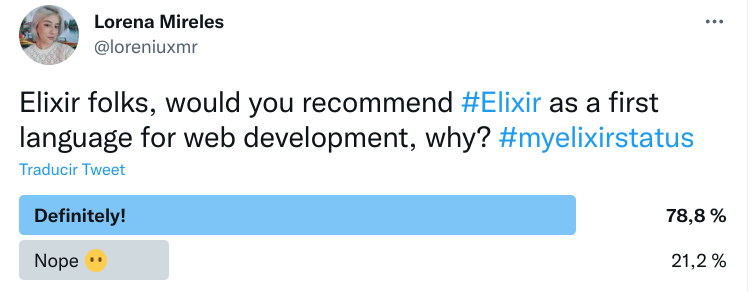
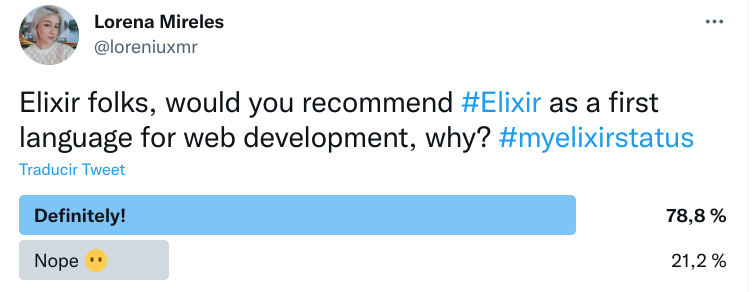
    Would Elixir have caught my attention on its own? Is it a recommended option for someone learning to program? Do you require previous experience?

    So I posted a tweet asking other developers:

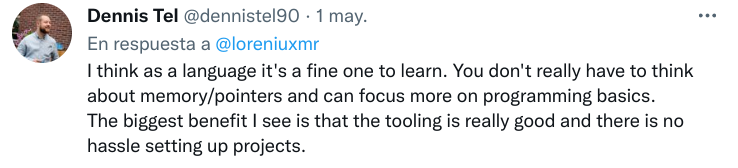
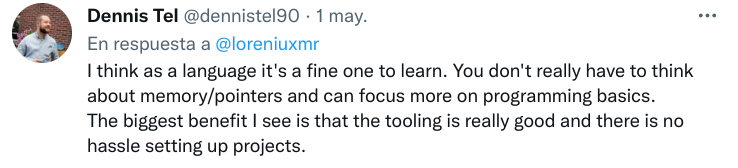
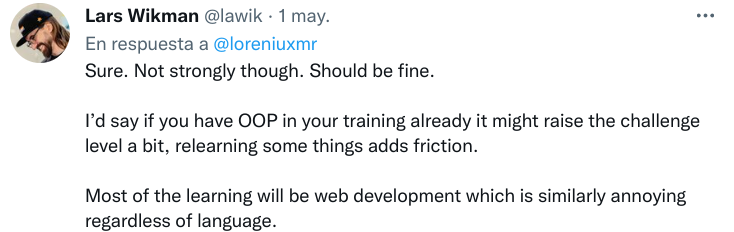
    Here are some answers :

    It is not easy to reach a definitive conclusion since choosing this language, as the first option will depend on the tastes and experiences of the individual. Some of its advantages are mentioned in the tweet replies, which motivated me to write this series.

    Without further ado, I welcome you to the series Elixir, 7 steps to start your journey.

    Throughout seven chapters, we’ll talk a bit about history, relevant technical aspects and delve into why Elixir has quickly gained popularity. I will also tell you a little about my experience in the projects in which I have participated.

    What topics will it cover?

    1. Erlang’s virtual machine, the BEAM
    2. Understanding processes and concurrency
    3. Libraries and frameworks
    4. Testing and debugging
    5. The Elixir Community
    6. Functional Programming vs. Object-Oriented Programming
    7. My first project with Elixir!

    Who is this series for?

    • People with no experience in any programming language looking for an option to explore.
    • People with previous experience in other programming languages who want to experiment with Elixir.

    Difficulty level: Beginner

    Elixir official documentation:

    In each chapter, I’ll share resources to dig deeper into the topics. You can find me on Twitter as @loreniuxmr to clarify questions or continue the conversation. You can also use the hashtags #MyElixirStatus and #Elixirlang  to find other Elixir developers.

    The next post will be about Erlang’s virtual machine, the BEAM, and why it is so relevant when it comes to Elixir. See you!

    The post Elixir, 7 steps to start your journey appeared first on Erlang Solutions .

    • Pl chevron_right

      Erlang Solutions: Elixir, 7 steps to start your journey

      news.movim.eu / PlanetJabber • 9 February 2023 • 3 minutes

    Read this post in Spanish .

    Let’s talk about Elixir!

    Elixir is a functional programming language created by José Valim to build concurrent and scalable systems. It is defined as:

    “a dynamic, functional language for building scalable and maintainable applications”.

    https://elixir-lang.org/

    Its first version was released in 2012. Since then, new features and improvements have been added until its current version . It is a relatively young programming language that has established itself quickly due to its nice syntax and short learning curve. Also, it is supported by a technology that has been working since the eighties in production systems, the BEAM.

    Elixir runs on the BEAM, Erlang’s virtual machine.

    In a later blog post, we’ll go into more detail about the virtual machine. For now, I want to mention a few features that make the BEAM a solid technology and a fantastic choice for system development. For example:

    • It simultaneously supports millions of users and transactions.
    • It has a mechanism to detect failures and define strategies that allow a system to recover from them.
    • It has all the necessary elements to develop a system capable of operating without interruptions or, failing that, with the minimum of them.
    • It allows system updates in real-time without stopping and in an “invisible” way for end users.

    Elixir inherits all these properties from BEAM. Adding to it that-the language has a very nice syntax, it is easy to learn, there are many resources (blogs, podcasts, etc), and the community is very friendly. So creating a project from scratch to start practicing requires very little time and effort.

    I was introduced to Elixir by chance in 2018. The project I learned it with made me suffer a bit because it was a different experience than what I was used to until then. But once I got into the rhythm, it became pretty enjoyable. Sometime last year, I wondered what would have happened if I hadn’t discovered it by coincidence.

    Would Elixir have caught my attention on its own? Is it a recommended option for someone learning to program? Do you require previous experience?

    So I posted a tweet asking other developers:

    Here are some answers :

    It is not easy to reach a definitive conclusion since choosing this language, as the first option will depend on the tastes and experiences of the individual. Some of its advantages are mentioned in the tweet replies, which motivated me to write this series.

    Without further ado, I welcome you to the series Elixir, 7 steps to start your journey.

    Throughout seven chapters, we’ll talk a bit about history, relevant technical aspects and delve into why Elixir has quickly gained popularity. I will also tell you a little about my experience in the projects in which I have participated.

    What topics will it cover?

    1. Erlang’s virtual machine, the BEAM
    2. Understanding processes and concurrency
    3. Libraries and frameworks
    4. Testing and debugging
    5. The Elixir Community
    6. Functional Programming vs. Object-Oriented Programming
    7. My first project with Elixir!

    Who is this series for?

    • People with no experience in any programming language looking for an option to explore.
    • People with previous experience in other programming languages who want to experiment with Elixir.

    Difficulty level: Beginner

    Elixir official documentation:

    In each chapter, I’ll share resources to dig deeper into the topics. You can find me on Twitter as @loreniuxmr to clarify questions or continue the conversation. You can also use the hashtags #MyElixirStatus and #Elixirlang  to find other Elixir developers.

    The next post will be about Erlang’s virtual machine, the BEAM, and why it is so relevant when it comes to Elixir. See you!

    The post Elixir, 7 steps to start your journey appeared first on Erlang Solutions .

    • Pl chevron_right

      Erlang Solutions: Elixir, 7 steps to start your journey

      news.movim.eu / PlanetJabber • 9 February 2023 • 3 minutes

    Read this post in Spanish .

    Let’s talk about Elixir!

    Elixir is a functional programming language created by José Valim to build concurrent and scalable systems. It is defined as:

    “a dynamic, functional language for building scalable and maintainable applications”.

    https://elixir-lang.org/

    Its first version was released in 2012. Since then, new features and improvements have been added until its current version . It is a relatively young programming language that has established itself quickly due to its nice syntax and short learning curve. Also, it is supported by a technology that has been working since the eighties in production systems, the BEAM.

    Elixir runs on the BEAM, Erlang’s virtual machine.

    In a later blog post, we’ll go into more detail about the virtual machine. For now, I want to mention a few features that make the BEAM a solid technology and a fantastic choice for system development. For example:

    • It simultaneously supports millions of users and transactions.
    • It has a mechanism to detect failures and define strategies that allow a system to recover from them.
    • It has all the necessary elements to develop a system capable of operating without interruptions or, failing that, with the minimum of them.
    • It allows system updates in real-time without stopping and in an “invisible” way for end users.

    Elixir inherits all these properties from BEAM. Adding to it that-the language has a very nice syntax, it is easy to learn, there are many resources (blogs, podcasts, etc), and the community is very friendly. So creating a project from scratch to start practicing requires very little time and effort.

    I was introduced to Elixir by chance in 2018. The project I learned it with made me suffer a bit because it was a different experience than what I was used to until then. But once I got into the rhythm, it became pretty enjoyable. Sometime last year, I wondered what would have happened if I hadn’t discovered it by coincidence.

    Would Elixir have caught my attention on its own? Is it a recommended option for someone learning to program? Do you require previous experience?

    So I posted a tweet asking other developers:

    Here are some answers :

    It is not easy to reach a definitive conclusion since choosing this language, as the first option will depend on the tastes and experiences of the individual. Some of its advantages are mentioned in the tweet replies, which motivated me to write this series.

    Without further ado, I welcome you to the series Elixir, 7 steps to start your journey.

    Throughout seven chapters, we’ll talk a bit about history, relevant technical aspects and delve into why Elixir has quickly gained popularity. I will also tell you a little about my experience in the projects in which I have participated.

    What topics will it cover?

    1. Erlang’s virtual machine, the BEAM
    2. Understanding processes and concurrency
    3. Libraries and frameworks
    4. Testing and debugging
    5. The Elixir Community
    6. Functional Programming vs. Object-Oriented Programming
    7. My first project with Elixir!

    Who is this series for?

    • People with no experience in any programming language looking for an option to explore.
    • People with previous experience in other programming languages who want to experiment with Elixir.

    Difficulty level: Beginner

    Elixir official documentation:

    In each chapter, I’ll share resources to dig deeper into the topics. You can find me on Twitter as @loreniuxmr to clarify questions or continue the conversation. You can also use the hashtags #MyElixirStatus and #Elixirlang  to find other Elixir developers.

    The next post will be about Erlang’s virtual machine, the BEAM, and why it is so relevant when it comes to Elixir. See you!

    The post Elixir, 7 steps to start your journey appeared first on Erlang Solutions .

    • Pl chevron_right

      Erlang Solutions: Elixir, 7 pasos para iniciar tu viaje

      news.movim.eu / PlanetJabber • 9 February 2023 • 3 minutes

    ¡Hablemos de Elixir!

    Elixir es un lenguaje de programación funcional creado por José Valim para construi sistemas concurrentes y escalables.

    “a dynamic, functional language for building scalable and maintainable applications”.

    https://elixir-lang.org/

    Su primera versión fue liberada en 2012. Desde entonces, se le han agregado nuevas funcionalidades y mejoras hasta llegar a su versión actual . Se trata de un lenguaje de programación relativamente joven, pero bien establecido y que ha ganado aceptación rápidamente gracias su sintaxis agradable y una curva de aprendizaje corta. Elixir está respaldado por una tecnología que ha estado en funcionamiento en sistemas reales desde los años ochenta, la BEAM.

    Elixir corre sobre la máquina virtual de Erlang, la BEAM.

    Más adelante entraremos en más detalles y hablaremos de la máquina virtual. Por ahora me gustaría mencionar algunas características que hacen de la BEAM una tecnología sólida y una gran opción para el desarrollo de sistemas. Por ejemplo:

    • Soporta simultáneamente millones de usuarios y transacciones .
    • Tiene un mecanismo para detectar fallos y te permite definir estrategias para recuperarse de ellos.
    • Te brinda todos los elementos necesarios para desarrollar sistemas capaces de operar sin interrupciones o, en su defecto, con el mínimo de ellas.
    • Permite hacer actualizaciones de un sistema en tiempo real sin detenerlo, y de manera “invisible” para los usuarios finales.

    Elixir hereda todas estas propiedades de la BEAM. Y a eso le sumamos que el lenguaje tiene una sintaxis bastante agradable, es fácil de aprender, existen muchos recursos (blogs, podcasts, etc) y la comunidad es increíble. Así que crear un proyecto desde cero para practicar y aprender require de muy poco tiempo y esfuerzo.

    Conocí Elixir por casualidad en 2018. El proyecto con el que lo aprendí me hizo sufrir un poco, porque se trataba de un lenguaje totalmente diferente a los que había conocido hasta ese entonces (orientados a objetos) pero mi experiencia una vez que descubrí todo lo que había se volvió muy disfrutable. En algún momento del año pasado me pregunté qué hubiera pasado de no haberlo descubierto por coincidencia.

    ¿Me hubiera llamado la atención en algún momento? ¿Es una opción recomendada para alguien que está aprendiendo programación? ¿Requiere experiencia previa?

    Así que le pregunté en Twitter a otros desarrolladores :

    A continuación algunas respuestas:

    Es difícil llegar a una conclusión definitiva, pues escoger este lenguaje como primera opción o no dependerá de los gustos y la experiencia de cada quien. Algunas de las respuestas hablan acerca de las ventajas de este lenguaje de programación y fueron la razón que me motivo a escribir esta serie.

    Así que sin más que decir, bienvenido a Elixir, 7 pasos para iniciar tu viaje.

    A lo largo de siete capítulos hablaremos un poco acerca de su historia, aspectos técnicos relevantes y por qué ha ganado popularidad rápidamente. También te contaré cómo ha sido mi experiencia en los proyectos en los que he participado.

    ¿Qué temas cubrirá?

    1. La máquina virtual de Erlang, la BEAM
    2. Entendiendo procesos y concurrencia
    3. Bibliotecas y frameworks
    4. Pruebas y debugging
    5. La comunidad de Elixir
    6. Programación funcional vs Programación orientada a objetos
    7. ¡Mi primer proyecto con Elixir!

    ¿A quién está dirigida esta serie?

    • Personas sin experiencia en ningún lenguaje de programación que están en busca de su primera opción para explorar.
    • Personas con experiencia previa en otros lenguajes de programación que quieran experimentar con Elixir.

    Nivel de dificultad: Principantes.

    Documentación oficial de Elixir:

    En cada capítulo te compartiré recursos para profundizar los temas. Puedes encontrarme en Twitter como @loreniuxmr para aclarar cualquier duda o seguir con la conversación. Y también puedes utilizar los siguientes hashtags para conectar con otros desarrolladores: #MyElixirStatus y #Elixirlang

    En la próxima nota hablaremos de la máquina virtual de Erlang, la BEAM y por qué es tan relevante cuando hablamos de Elixir. ¡Nos vemos!

    The post Elixir, 7 pasos para iniciar tu viaje appeared first on Erlang Solutions .

    • Pl chevron_right

      Erlang Solutions: Elixir, 7 pasos para iniciar tu viaje

      news.movim.eu / PlanetJabber • 9 February 2023 • 3 minutes

    ¡Hablemos de Elixir!

    Elixir es un lenguaje de programación funcional creado por José Valim para construi sistemas concurrentes y escalables.

    “a dynamic, functional language for building scalable and maintainable applications”.

    https://elixir-lang.org/

    Su primera versión fue liberada en 2012. Desde entonces, se le han agregado nuevas funcionalidades y mejoras hasta llegar a su versión actual . Se trata de un lenguaje de programación relativamente joven, pero bien establecido y que ha ganado aceptación rápidamente gracias su sintaxis agradable y una curva de aprendizaje corta. Elixir está respaldado por una tecnología que ha estado en funcionamiento en sistemas reales desde los años ochenta, la BEAM.

    Elixir corre sobre la máquina virtual de Erlang, la BEAM.

    Más adelante entraremos en más detalles y hablaremos de la máquina virtual. Por ahora me gustaría mencionar algunas características que hacen de la BEAM una tecnología sólida y una gran opción para el desarrollo de sistemas. Por ejemplo:

    • Soporta simultáneamente millones de usuarios y transacciones .
    • Tiene un mecanismo para detectar fallos y te permite definir estrategias para recuperarse de ellos.
    • Te brinda todos los elementos necesarios para desarrollar sistemas capaces de operar sin interrupciones o, en su defecto, con el mínimo de ellas.
    • Permite hacer actualizaciones de un sistema en tiempo real sin detenerlo, y de manera “invisible” para los usuarios finales.

    Elixir hereda todas estas propiedades de la BEAM. Y a eso le sumamos que el lenguaje tiene una sintaxis bastante agradable, es fácil de aprender, existen muchos recursos (blogs, podcasts, etc) y la comunidad es increíble. Así que crear un proyecto desde cero para practicar y aprender require de muy poco tiempo y esfuerzo.

    Conocí Elixir por casualidad en 2018. El proyecto con el que lo aprendí me hizo sufrir un poco, porque se trataba de un lenguaje totalmente diferente a los que había conocido hasta ese entonces (orientados a objetos) pero mi experiencia una vez que descubrí todo lo que había se volvió muy disfrutable. En algún momento del año pasado me pregunté qué hubiera pasado de no haberlo descubierto por coincidencia.

    ¿Me hubiera llamado la atención en algún momento? ¿Es una opción recomendada para alguien que está aprendiendo programación? ¿Requiere experiencia previa?

    Así que le pregunté en Twitter a otros desarrolladores :

    A continuación algunas respuestas:

    Es difícil llegar a una conclusión definitiva, pues escoger este lenguaje como primera opción o no dependerá de los gustos y la experiencia de cada quien. Algunas de las respuestas hablan acerca de las ventajas de este lenguaje de programación y fueron la razón que me motivo a escribir esta serie.

    Así que sin más que decir, bienvenido a Elixir, 7 pasos para iniciar tu viaje.

    A lo largo de siete capítulos hablaremos un poco acerca de su historia, aspectos técnicos relevantes y por qué ha ganado popularidad rápidamente. También te contaré cómo ha sido mi experiencia en los proyectos en los que he participado.

    ¿Qué temas cubrirá?

    1. La máquina virtual de Erlang, la BEAM
    2. Entendiendo procesos y concurrencia
    3. Bibliotecas y frameworks
    4. Pruebas y debugging
    5. La comunidad de Elixir
    6. Programación funcional vs Programación orientada a objetos
    7. ¡Mi primer proyecto con Elixir!

    ¿A quién está dirigida esta serie?

    • Personas sin experiencia en ningún lenguaje de programación que están en busca de su primera opción para explorar.
    • Personas con experiencia previa en otros lenguajes de programación que quieran experimentar con Elixir.

    Nivel de dificultad: Principantes.

    Documentación oficial de Elixir:

    En cada capítulo te compartiré recursos para profundizar los temas. Puedes encontrarme en Twitter como @loreniuxmr para aclarar cualquier duda o seguir con la conversación. Y también puedes utilizar los siguientes hashtags para conectar con otros desarrolladores: #MyElixirStatus y #Elixirlang

    En la próxima nota hablaremos de la máquina virtual de Erlang, la BEAM y por qué es tan relevante cuando hablamos de Elixir. ¡Nos vemos!

    The post Elixir, 7 pasos para iniciar tu viaje appeared first on Erlang Solutions .

    • Pl chevron_right

      Erlang Solutions: Elixir, 7 pasos para iniciar tu viaje

      news.movim.eu / PlanetJabber • 9 February 2023 • 3 minutes

    ¡Hablemos de Elixir!

    Elixir es un lenguaje de programación funcional creado por José Valim para construi sistemas concurrentes y escalables.

    “a dynamic, functional language for building scalable and maintainable applications”.

    https://elixir-lang.org/

    Su primera versión fue liberada en 2012. Desde entonces, se le han agregado nuevas funcionalidades y mejoras hasta llegar a su versión actual . Se trata de un lenguaje de programación relativamente joven, pero bien establecido y que ha ganado aceptación rápidamente gracias su sintaxis agradable y una curva de aprendizaje corta. Elixir está respaldado por una tecnología que ha estado en funcionamiento en sistemas reales desde los años ochenta, la BEAM.

    Elixir corre sobre la máquina virtual de Erlang, la BEAM.

    Más adelante entraremos en más detalles y hablaremos de la máquina virtual. Por ahora me gustaría mencionar algunas características que hacen de la BEAM una tecnología sólida y una gran opción para el desarrollo de sistemas. Por ejemplo:

    • Soporta simultáneamente millones de usuarios y transacciones .
    • Tiene un mecanismo para detectar fallos y te permite definir estrategias para recuperarse de ellos.
    • Te brinda todos los elementos necesarios para desarrollar sistemas capaces de operar sin interrupciones o, en su defecto, con el mínimo de ellas.
    • Permite hacer actualizaciones de un sistema en tiempo real sin detenerlo, y de manera “invisible” para los usuarios finales.

    Elixir hereda todas estas propiedades de la BEAM. Y a eso le sumamos que el lenguaje tiene una sintaxis bastante agradable, es fácil de aprender, existen muchos recursos (blogs, podcasts, etc) y la comunidad es increíble. Así que crear un proyecto desde cero para practicar y aprender require de muy poco tiempo y esfuerzo.

    Conocí Elixir por casualidad en 2018. El proyecto con el que lo aprendí me hizo sufrir un poco, porque se trataba de un lenguaje totalmente diferente a los que había conocido hasta ese entonces (orientados a objetos) pero mi experiencia una vez que descubrí todo lo que había se volvió muy disfrutable. En algún momento del año pasado me pregunté qué hubiera pasado de no haberlo descubierto por coincidencia.

    ¿Me hubiera llamado la atención en algún momento? ¿Es una opción recomendada para alguien que está aprendiendo programación? ¿Requiere experiencia previa?

    Así que le pregunté en Twitter a otros desarrolladores :

    A continuación algunas respuestas:

    Es difícil llegar a una conclusión definitiva, pues escoger este lenguaje como primera opción o no dependerá de los gustos y la experiencia de cada quien. Algunas de las respuestas hablan acerca de las ventajas de este lenguaje de programación y fueron la razón que me motivo a escribir esta serie.

    Así que sin más que decir, bienvenido a Elixir, 7 pasos para iniciar tu viaje.

    A lo largo de siete capítulos hablaremos un poco acerca de su historia, aspectos técnicos relevantes y por qué ha ganado popularidad rápidamente. También te contaré cómo ha sido mi experiencia en los proyectos en los que he participado.

    ¿Qué temas cubrirá?

    1. La máquina virtual de Erlang, la BEAM
    2. Entendiendo procesos y concurrencia
    3. Bibliotecas y frameworks
    4. Pruebas y debugging
    5. La comunidad de Elixir
    6. Programación funcional vs Programación orientada a objetos
    7. ¡Mi primer proyecto con Elixir!

    ¿A quién está dirigida esta serie?

    • Personas sin experiencia en ningún lenguaje de programación que están en busca de su primera opción para explorar.
    • Personas con experiencia previa en otros lenguajes de programación que quieran experimentar con Elixir.

    Nivel de dificultad: Principantes.

    Documentación oficial de Elixir:

    En cada capítulo te compartiré recursos para profundizar los temas. Puedes encontrarme en Twitter como @loreniuxmr para aclarar cualquier duda o seguir con la conversación. Y también puedes utilizar los siguientes hashtags para conectar con otros desarrolladores: #MyElixirStatus y #Elixirlang

    En la próxima nota hablaremos de la máquina virtual de Erlang, la BEAM y por qué es tan relevante cuando hablamos de Elixir. ¡Nos vemos!

    The post Elixir, 7 pasos para iniciar tu viaje appeared first on Erlang Solutions .