• progress_activity cloud_sync

    Reconnection to the server…

    Movim cannot talk with the server, please try again later


    • Public subscriptions

    • chevron_right

      coopr8

    • chevron_right

      gabagoo

    • chevron_right

      kenu_demon

    • chevron_right

      coopr8

    • chevron_right

      gabagoo

    • chevron_right

      kenu_demon

    • chevron_right

      coopr8

    • chevron_right

      gabagoo

    • chevron_right

      kenu_demon

  • Register Login

    Movim

    movim.chatterboxtown.us


  • group_work rss_feed
    add Follow

    ArsTechnica

    • Ar chevron_right

      iOS 16.3 and macOS Ventura 13.2 add hardware security key support

      news.movim.eu / ArsTechnica • 23 January 2023
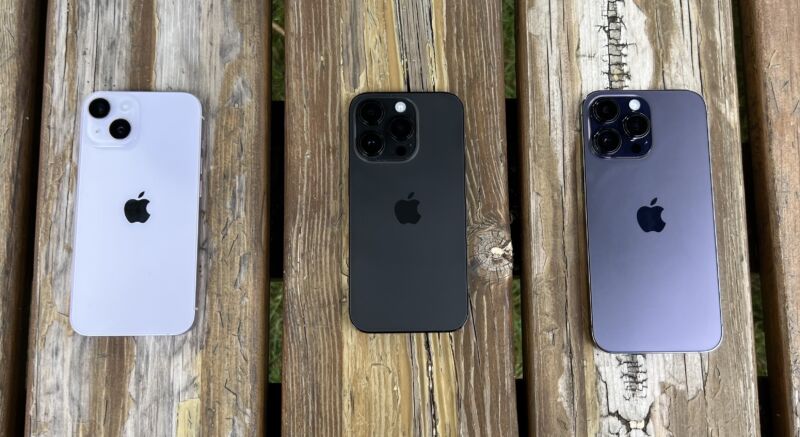
    Three iPhones on a wooden picnic bench, with prominent cameras visible

    Enlarge / The backs of the iPhone 14, iPhone 14 Pro, and iPhone 14 Pro Max. (credit: Samuel Axon)

    Apple released iOS and iPadOS 16.3, macOS Ventura 13.2, and watchOS 9.3 today. The updates focus primarily on bug fixes and under-the-hood improvements, but there is one notable addition: Apple ID got support for hardware security keys.

    Once they've updated to the new software, a user can opt to make a device like a YubiKey a required part of the two-factor authentication process for their account. It's unlikely most users will take advantage of this, of course, but for a select few, the extra security is welcome.

    Other additions in iOS 16.3 include support for the upcoming new HomePod model, a tweak to how Emergency SOS calls are made, and a new Black History Month wallpaper.


    Read 2 remaining paragraphs | Comments

    • tagtech tagtech tagtech tagapple tagapple tagapple tagios tagios tagios tagios 16.3 tagios 16.3 tagios 16.3 tagmacos tagmacos tagmacos tagmacos 13.2 tagmacos 13.2 tagmacos 13.2 tagyubikey tagyubikey tagyubikey tagtech tagtech tagtech tagapple tagapple tagapple tagios tagios tagios tagios 16.3 tagios 16.3 tagios 16.3 tagmacos tagmacos tagmacos tagmacos 13.2 tagmacos 13.2 tagmacos 13.2 tagyubikey tagyubikey tagyubikey tagtech tagtech tagtech tagapple tagapple tagapple tagios tagios tagios tagios 16.3 tagios 16.3 tagios 16.3 tagmacos tagmacos tagmacos tagmacos 13.2 tagmacos 13.2 tagmacos 13.2 tagyubikey tagyubikey tagyubikey

    • Ar chevron_right

      iOS 16.3 and macOS Ventura 13.2 add hardware security key support

      news.movim.eu / ArsTechnica • 23 January 2023

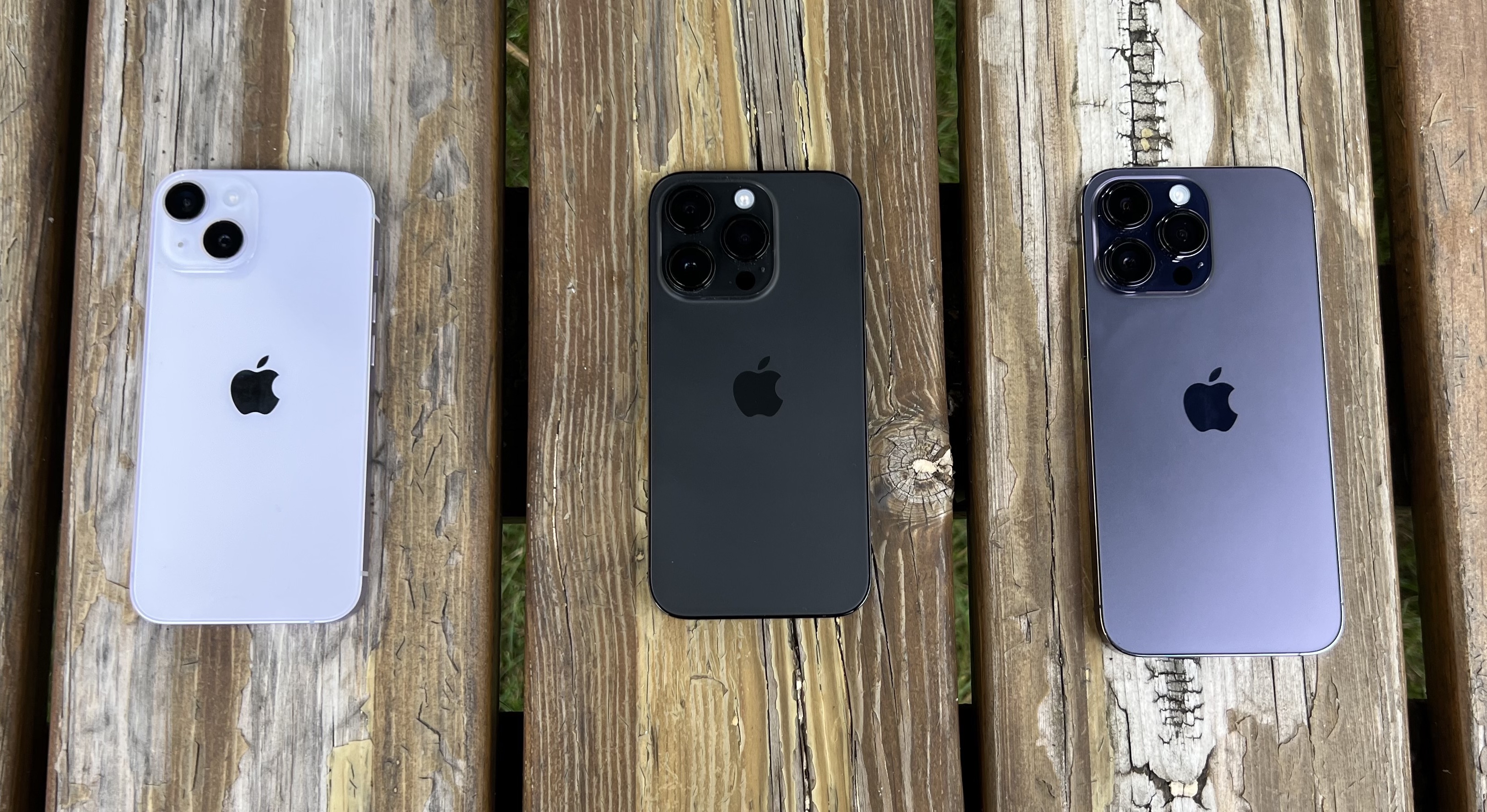
    Three iPhones on a wooden picnic bench, with prominent cameras visible

    Enlarge / The backs of the iPhone 14, iPhone 14 Pro, and iPhone 14 Pro Max. (credit: Samuel Axon)

    Apple released iOS and iPadOS 16.3, macOS Ventura 13.2, and watchOS 9.3 today. The updates focus primarily on bug fixes and under-the-hood improvements, but there is one notable addition: Apple ID got support for hardware security keys.

    Once they've updated to the new software, a user can opt to make a device like a YubiKey a required part of the two-factor authentication process for their account. It's unlikely most users will take advantage of this, of course, but for a select few, the extra security is welcome.

    Other additions in iOS 16.3 include support for the upcoming new HomePod model, a tweak to how Emergency SOS calls are made, and a new Black History Month wallpaper.
    Read 2 remaining paragraphs | Comments

    • tagtech tagtech tagtech tagapple tagapple tagapple tagios tagios tagios tagios 16.3 tagios 16.3 tagios 16.3 tagmacos tagmacos tagmacos tagmacos 13.2 tagmacos 13.2 tagmacos 13.2 tagyubikey tagyubikey tagyubikey tagtech tagtech tagtech tagapple tagapple tagapple tagios tagios tagios tagios 16.3 tagios 16.3 tagios 16.3 tagmacos tagmacos tagmacos tagmacos 13.2 tagmacos 13.2 tagmacos 13.2 tagyubikey tagyubikey tagyubikey tagtech tagtech tagtech tagapple tagapple tagapple tagios tagios tagios tagios 16.3 tagios 16.3 tagios 16.3 tagmacos tagmacos tagmacos tagmacos 13.2 tagmacos 13.2 tagmacos 13.2 tagyubikey tagyubikey tagyubikey

    • Ar chevron_right

      iOS 16.3 and macOS Ventura 13.2 add hardware security key support

      news.movim.eu / ArsTechnica • 23 January 2023

    Three iPhones on a wooden picnic bench, with prominent cameras visible

    Enlarge / The backs of the iPhone 14, iPhone 14 Pro, and iPhone 14 Pro Max. (credit: Samuel Axon)

    Apple released iOS and iPadOS 16.3, macOS Ventura 13.2, and watchOS 9.3 today. The updates focus primarily on bug fixes and under-the-hood improvements, but there is one notable addition: Apple ID got support for hardware security keys.

    Once they've updated to the new software, a user can opt to make a device like a YubiKey a required part of the two-factor authentication process for their account. It's unlikely most users will take advantage of this, of course, but for a select few, the extra security is welcome.

    Other additions in iOS 16.3 include support for the upcoming new HomePod model, a tweak to how Emergency SOS calls are made, and a new Black History Month wallpaper.

    Read 2 remaining paragraphs | Comments

    • tagtech tagtech tagtech tagapple tagapple tagapple tagios tagios tagios tagios 16.3 tagios 16.3 tagios 16.3 tagmacos tagmacos tagmacos tagmacos 13.2 tagmacos 13.2 tagmacos 13.2 tagyubikey tagyubikey tagyubikey tagtech tagtech tagtech tagapple tagapple tagapple tagios tagios tagios tagios 16.3 tagios 16.3 tagios 16.3 tagmacos tagmacos tagmacos tagmacos 13.2 tagmacos 13.2 tagmacos 13.2 tagyubikey tagyubikey tagyubikey tagtech tagtech tagtech tagapple tagapple tagapple tagios tagios tagios tagios 16.3 tagios 16.3 tagios 16.3 tagmacos tagmacos tagmacos tagmacos 13.2 tagmacos 13.2 tagmacos 13.2 tagyubikey tagyubikey tagyubikey

    • Ar chevron_right

      Scientists identify rare lead compounds in Rembrandt’s The Night Watch

      news.movim.eu / ArsTechnica • 23 January 2023 • 1 minute

    The Night Watch, Rembrandt van Rijn, 1642

    Enlarge / Scientists and conservators are working together to preserve The Night Watch , by Rembrandt van Rijn (1642), for future generations. (credit: Rijskmuseum Amsterdam)

    One of the most famous paintings from the Dutch Golden Age is Rembrandt van Rijn 's 1642 masterpiece The Night Watch . An interdisciplinary team of researchers has conducted a fresh, in-depth analysis and found rare traces of a compound called lead formate in the painting, according to a recent paper published in the journal Angewandte Chemie. The work was part of the Rijksmuseum's Operation Night Watch , the largest multidisciplinary research and conservation project yet undertaken for Rembrandt's famous painting, devoted to its long-term preservation.

    “In Operation Night Watch we focus on Rembrandt’s painting technique, the condition of the painting, and how we can best preserve it for future generations," said Katrien Keune , head of science at Rijksmuseum and professor at the University of Amsterdam (the Netherlands). "The lead formate gives us valuable new clues about the possible use of lead-based oil paint by Rembrandt and the potential impact of oil-based varnishes from past conservation treatments, and the complex chemistry of historic oil paintings.”

    Science has become a valuable tool for art conservationists, especially various X-ray imaging methods. For instance, back in 2019, we reported on how many of the oil paintings at the Georgia O'Keeffe Museum in Santa Fe, New Mexico, had been developing tiny, pin-sized blisters, almost like acne, for decades. Conservationists and scholars initially assumed the blemishes were grains of sand trapped in the paint. Chemists concluded that the blisters are actually metal carboxylate soaps, the result of a chemical reaction between metal ions in the lead and zinc pigments and fatty acids in the binding medium used in the paint. The soaps start to clump together to form the blisters and migrate through the paint film.

    Read 9 remaining paragraphs | Comments

    • taggaming & culture taggaming & culture taggaming & culture tagscience tagscience tagscience tagart tagart tagart tagart history tagart history tagart history tagchemistry tagchemistry tagchemistry tagphysics tagphysics tagphysics tagrembrandt tagrembrandt tagrembrandt tagsynchrotron radiation tagsynchrotron radiation tagsynchrotron radiation tagthe night watch tagthe night watch tagthe night watch taggaming & culture taggaming & culture taggaming & culture tagscience tagscience tagscience tagart tagart tagart tagart history tagart history tagart history tagchemistry tagchemistry tagchemistry tagphysics tagphysics tagphysics tagrembrandt tagrembrandt tagrembrandt tagsynchrotron radiation tagsynchrotron radiation tagsynchrotron radiation tagthe night watch tagthe night watch tagthe night watch taggaming & culture taggaming & culture taggaming & culture tagscience tagscience tagscience tagart tagart tagart tagart history tagart history tagart history tagchemistry tagchemistry tagchemistry tagphysics tagphysics tagphysics tagrembrandt tagrembrandt tagrembrandt tagsynchrotron radiation tagsynchrotron radiation tagsynchrotron radiation tagthe night watch tagthe night watch tagthe night watch

    • Ar chevron_right

      Scientists identify rare lead compounds in Rembrandt’s The Night Watch

      news.movim.eu / ArsTechnica • 23 January 2023 • 1 minute

    The Night Watch, Rembrandt van Rijn, 1642

    Enlarge / Scientists and conservators are working together to preserve The Night Watch , by Rembrandt van Rijn (1642), for future generations. (credit: Rijskmuseum Amsterdam)

    One of the most famous paintings from the Dutch Golden Age is Rembrandt van Rijn 's 1642 masterpiece The Night Watch . An interdisciplinary team of researchers has conducted a fresh, in-depth analysis and found rare traces of a compound called lead formate in the painting, according to a recent paper published in the journal Angewandte Chemie. The work was part of the Rijksmuseum's Operation Night Watch , the largest multidisciplinary research and conservation project yet undertaken for Rembrandt's famous painting, devoted to its long-term preservation.

    “In Operation Night Watch we focus on Rembrandt’s painting technique, the condition of the painting, and how we can best preserve it for future generations," said Katrien Keune , head of science at Rijksmuseum and professor at the University of Amsterdam (the Netherlands). "The lead formate gives us valuable new clues about the possible use of lead-based oil paint by Rembrandt and the potential impact of oil-based varnishes from past conservation treatments, and the complex chemistry of historic oil paintings.”

    Science has become a valuable tool for art conservationists, especially various X-ray imaging methods. For instance, back in 2019, we reported on how many of the oil paintings at the Georgia O'Keeffe Museum in Santa Fe, New Mexico, had been developing tiny, pin-sized blisters, almost like acne, for decades. Conservationists and scholars initially assumed the blemishes were grains of sand trapped in the paint. Chemists concluded that the blisters are actually metal carboxylate soaps, the result of a chemical reaction between metal ions in the lead and zinc pigments and fatty acids in the binding medium used in the paint. The soaps start to clump together to form the blisters and migrate through the paint film.

    Read 9 remaining paragraphs | Comments

    • taggaming & culture taggaming & culture taggaming & culture tagscience tagscience tagscience tagart tagart tagart tagart history tagart history tagart history tagchemistry tagchemistry tagchemistry tagphysics tagphysics tagphysics tagrembrandt tagrembrandt tagrembrandt tagsynchrotron radiation tagsynchrotron radiation tagsynchrotron radiation tagthe night watch tagthe night watch tagthe night watch taggaming & culture taggaming & culture taggaming & culture tagscience tagscience tagscience tagart tagart tagart tagart history tagart history tagart history tagchemistry tagchemistry tagchemistry tagphysics tagphysics tagphysics tagrembrandt tagrembrandt tagrembrandt tagsynchrotron radiation tagsynchrotron radiation tagsynchrotron radiation tagthe night watch tagthe night watch tagthe night watch taggaming & culture taggaming & culture taggaming & culture tagscience tagscience tagscience tagart tagart tagart tagart history tagart history tagart history tagchemistry tagchemistry tagchemistry tagphysics tagphysics tagphysics tagrembrandt tagrembrandt tagrembrandt tagsynchrotron radiation tagsynchrotron radiation tagsynchrotron radiation tagthe night watch tagthe night watch tagthe night watch

    • Ar chevron_right

      Scientists identify rare lead compounds in Rembrandt’s The Night Watch

      news.movim.eu / ArsTechnica • 23 January 2023 • 1 minute

    The Night Watch, Rembrandt van Rijn, 1642

    Enlarge / Scientists and conservators are working together to preserve The Night Watch , by Rembrandt van Rijn (1642), for future generations. (credit: Rijskmuseum Amsterdam)

    One of the most famous paintings from the Dutch Golden Age is Rembrandt van Rijn 's 1642 masterpiece The Night Watch . An interdisciplinary team of researchers has conducted a fresh, in-depth analysis and found rare traces of a compound called lead formate in the painting, according to a recent paper published in the journal Angewandte Chemie. The work was part of the Rijksmuseum's Operation Night Watch , the largest multidisciplinary research and conservation project yet undertaken for Rembrandt's famous painting, devoted to its long-term preservation.

    “In Operation Night Watch we focus on Rembrandt’s painting technique, the condition of the painting, and how we can best preserve it for future generations," said Katrien Keune , head of science at Rijksmuseum and professor at the University of Amsterdam (the Netherlands). "The lead formate gives us valuable new clues about the possible use of lead-based oil paint by Rembrandt and the potential impact of oil-based varnishes from past conservation treatments, and the complex chemistry of historic oil paintings.”

    Science has become a valuable tool for art conservationists, especially various X-ray imaging methods. For instance, back in 2019, we reported on how many of the oil paintings at the Georgia O'Keeffe Museum in Santa Fe, New Mexico, had been developing tiny, pin-sized blisters, almost like acne, for decades. Conservationists and scholars initially assumed the blemishes were grains of sand trapped in the paint. Chemists concluded that the blisters are actually metal carboxylate soaps, the result of a chemical reaction between metal ions in the lead and zinc pigments and fatty acids in the binding medium used in the paint. The soaps start to clump together to form the blisters and migrate through the paint film.

    Read 9 remaining paragraphs | Comments

    • taggaming & culture taggaming & culture taggaming & culture tagscience tagscience tagscience tagart tagart tagart tagart history tagart history tagart history tagchemistry tagchemistry tagchemistry tagphysics tagphysics tagphysics tagrembrandt tagrembrandt tagrembrandt tagsynchrotron radiation tagsynchrotron radiation tagsynchrotron radiation tagthe night watch tagthe night watch tagthe night watch taggaming & culture taggaming & culture taggaming & culture tagscience tagscience tagscience tagart tagart tagart tagart history tagart history tagart history tagchemistry tagchemistry tagchemistry tagphysics tagphysics tagphysics tagrembrandt tagrembrandt tagrembrandt tagsynchrotron radiation tagsynchrotron radiation tagsynchrotron radiation tagthe night watch tagthe night watch tagthe night watch taggaming & culture taggaming & culture taggaming & culture tagscience tagscience tagscience tagart tagart tagart tagart history tagart history tagart history tagchemistry tagchemistry tagchemistry tagphysics tagphysics tagphysics tagrembrandt tagrembrandt tagrembrandt tagsynchrotron radiation tagsynchrotron radiation tagsynchrotron radiation tagthe night watch tagthe night watch tagthe night watch

    • Ar chevron_right

      Report: “Thousands” of Intel layoffs planned as PC demand slows and revenues fall

      news.movim.eu / ArsTechnica • 12 October 2022 • 1 minute

    Report: “Thousands” of Intel layoffs planned as PC demand slows and revenues fall

    Enlarge (credit: Andrew Cunningham)

    Intel is planning its first major layoffs in almost six years, according to a new report from Bloomberg . The report says that layoffs will "likely" affect thousands of its 113,700 employees, particularly in its sales and marketing departments, and that they could happen as soon as this month. Bloomberg says that Intel's last major layoffs happened in 2016.

    The alleged layoffs are the latest sign of trouble for the PC market and for the companies that make and sell PC components. Intel's year-over-year revenue for Q2 dropped from $19.6 billion in 2021 to $15.3 billion in 2022, driven by decreases in Intel's consumer PC and server businesses, and the company's forecast for Q3 was similarly gloomy. Nvidia missed its most recent quarterly revenue projections by $1.4 billion , as the GPU shortage has ebbed and cryptocurrency-driven demand has dried up. And even though AMD is benefitting from Intel's weakened position in the server market in particular, it is also signaling that it will miss its Q3 revenue estimates by about a billion dollars because of weakened PC demand.

    Both businesses and individuals splashed out for more PCs as the COVID-19 pandemic began, so there are simply fewer people who need new PCs right now, regardless of larger concerns like inflation or recession. Prominent analysts can't agree on how much the PC market has contracted this year, but they all agree that sales are down by double digits because of a decrease in consumer and business spending. IDC says that Q3 sales fell by 15 percent year over year, and that's the most optimistic figure—Gartner claims it's down by 19.5 percent, and Canalys says it's down 18 percent. (IDC does note, however, that shipments remain "well above pre-pandemic levels.")

    Read 1 remaining paragraphs | Comments

    • tagbiz & it tagbiz & it tagbiz & it tagtech tagtech tagtech tagintel tagintel tagintel tagbiz & it tagbiz & it tagbiz & it tagtech tagtech tagtech tagintel tagintel tagintel tagbiz & it tagbiz & it tagbiz & it tagtech tagtech tagtech tagintel tagintel tagintel

    • Ar chevron_right

      Report: “Thousands” of Intel layoffs planned as PC demand slows and revenues fall

      news.movim.eu / ArsTechnica • 12 October 2022 • 1 minute

    Report: “Thousands” of Intel layoffs planned as PC demand slows and revenues fall

    Enlarge (credit: Andrew Cunningham)

    Intel is planning its first major layoffs in almost six years, according to a new report from Bloomberg . The report says that layoffs will "likely" affect thousands of its 113,700 employees, particularly in its sales and marketing departments, and that they could happen as soon as this month. Bloomberg says that Intel's last major layoffs happened in 2016.

    The alleged layoffs are the latest sign of trouble for the PC market and for the companies that make and sell PC components. Intel's year-over-year revenue for Q2 dropped from $19.6 billion in 2021 to $15.3 billion in 2022, driven by decreases in Intel's consumer PC and server businesses, and the company's forecast for Q3 was similarly gloomy. Nvidia missed its most recent quarterly revenue projections by $1.4 billion , as the GPU shortage has ebbed and cryptocurrency-driven demand has dried up. And even though AMD is benefitting from Intel's weakened position in the server market in particular, it is also signaling that it will miss its Q3 revenue estimates by about a billion dollars because of weakened PC demand.

    Both businesses and individuals splashed out for more PCs as the COVID-19 pandemic began, so there are simply fewer people who need new PCs right now, regardless of larger concerns like inflation or recession. Prominent analysts can't agree on how much the PC market has contracted this year, but they all agree that sales are down by double digits because of a decrease in consumer and business spending. IDC says that Q3 sales fell by 15 percent year over year, and that's the most optimistic figure—Gartner claims it's down by 19.5 percent, and Canalys says it's down 18 percent. (IDC does note, however, that shipments remain "well above pre-pandemic levels.")

    Read 1 remaining paragraphs | Comments

    • tagbiz & it tagbiz & it tagbiz & it tagtech tagtech tagtech tagintel tagintel tagintel tagbiz & it tagbiz & it tagbiz & it tagtech tagtech tagtech tagintel tagintel tagintel tagbiz & it tagbiz & it tagbiz & it tagtech tagtech tagtech tagintel tagintel tagintel

    • Ar chevron_right

      Report: “Thousands” of Intel layoffs planned as PC demand slows and revenues fall

      news.movim.eu / ArsTechnica • 12 October 2022 • 1 minute

    Report: “Thousands” of Intel layoffs planned as PC demand slows and revenues fall

    Enlarge (credit: Andrew Cunningham)

    Intel is planning its first major layoffs in almost six years, according to a new report from Bloomberg . The report says that layoffs will "likely" affect thousands of its 113,700 employees, particularly in its sales and marketing departments, and that they could happen as soon as this month. Bloomberg says that Intel's last major layoffs happened in 2016.

    The alleged layoffs are the latest sign of trouble for the PC market and for the companies that make and sell PC components. Intel's year-over-year revenue for Q2 dropped from $19.6 billion in 2021 to $15.3 billion in 2022, driven by decreases in Intel's consumer PC and server businesses, and the company's forecast for Q3 was similarly gloomy. Nvidia missed its most recent quarterly revenue projections by $1.4 billion , as the GPU shortage has ebbed and cryptocurrency-driven demand has dried up. And even though AMD is benefitting from Intel's weakened position in the server market in particular, it is also signaling that it will miss its Q3 revenue estimates by about a billion dollars because of weakened PC demand.

    Both businesses and individuals splashed out for more PCs as the COVID-19 pandemic began, so there are simply fewer people who need new PCs right now, regardless of larger concerns like inflation or recession. Prominent analysts can't agree on how much the PC market has contracted this year, but they all agree that sales are down by double digits because of a decrease in consumer and business spending. IDC says that Q3 sales fell by 15 percent year over year, and that's the most optimistic figure—Gartner claims it's down by 19.5 percent, and Canalys says it's down 18 percent. (IDC does note, however, that shipments remain "well above pre-pandemic levels.")

    Read 1 remaining paragraphs | Comments

    • tagbiz & it tagbiz & it tagbiz & it tagtech tagtech tagtech tagintel tagintel tagintel tagbiz & it tagbiz & it tagbiz & it tagtech tagtech tagtech tagintel tagintel tagintel tagbiz & it tagbiz & it tagbiz & it tagtech tagtech tagtech tagintel tagintel tagintel

  • history

    Get older posts

  • cloud_queue

    Powered by Movim