• progress_activity cloud_sync

    Reconnection to the server…

    Movim cannot talk with the server, please try again later


    • Public subscriptions

    • chevron_right

      coopr8

    • chevron_right

      gabagoo

    • chevron_right

      kenu_demon

    • chevron_right

      coopr8

    • chevron_right

      gabagoo

    • chevron_right

      kenu_demon

    • chevron_right

      coopr8

    • chevron_right

      gabagoo

    • chevron_right

      kenu_demon

  • Register Login

    Movim

    movim.chatterboxtown.us


  • group_work rss_feed
    add Follow

    ArsTechnica

    • Ar chevron_right

      Scientists identify rare lead compounds in Rembrandt’s The Night Watch

      news.movim.eu / ArsTechnica • 23 January 2023 • 1 minute
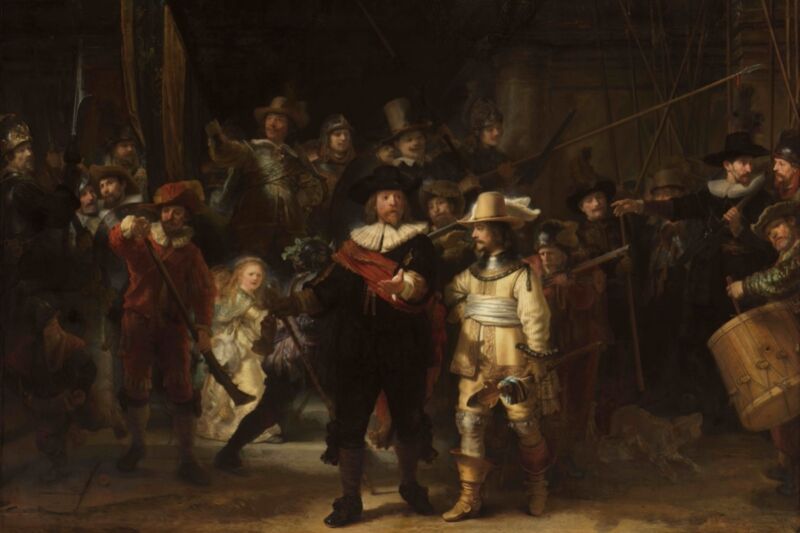
    The Night Watch, Rembrandt van Rijn, 1642

    Enlarge / Scientists and conservators are working together to preserve The Night Watch , by Rembrandt van Rijn (1642), for future generations. (credit: Rijskmuseum Amsterdam)

    One of the most famous paintings from the Dutch Golden Age is Rembrandt van Rijn 's 1642 masterpiece The Night Watch . An interdisciplinary team of researchers has conducted a fresh, in-depth analysis and found rare traces of a compound called lead formate in the painting, according to a recent paper published in the journal Angewandte Chemie. The work was part of the Rijksmuseum's Operation Night Watch , the largest multidisciplinary research and conservation project yet undertaken for Rembrandt's famous painting, devoted to its long-term preservation.

    “In Operation Night Watch we focus on Rembrandt’s painting technique, the condition of the painting, and how we can best preserve it for future generations," said Katrien Keune , head of science at Rijksmuseum and professor at the University of Amsterdam (the Netherlands). "The lead formate gives us valuable new clues about the possible use of lead-based oil paint by Rembrandt and the potential impact of oil-based varnishes from past conservation treatments, and the complex chemistry of historic oil paintings.”

    Science has become a valuable tool for art conservationists, especially various X-ray imaging methods. For instance, back in 2019, we reported on how many of the oil paintings at the Georgia O'Keeffe Museum in Santa Fe, New Mexico, had been developing tiny, pin-sized blisters, almost like acne, for decades. Conservationists and scholars initially assumed the blemishes were grains of sand trapped in the paint. Chemists concluded that the blisters are actually metal carboxylate soaps, the result of a chemical reaction between metal ions in the lead and zinc pigments and fatty acids in the binding medium used in the paint. The soaps start to clump together to form the blisters and migrate through the paint film.

    Read 9 remaining paragraphs | Comments

    • taggaming & culture taggaming & culture taggaming & culture tagscience tagscience tagscience tagart tagart tagart tagart history tagart history tagart history tagchemistry tagchemistry tagchemistry tagphysics tagphysics tagphysics tagrembrandt tagrembrandt tagrembrandt tagsynchrotron radiation tagsynchrotron radiation tagsynchrotron radiation tagthe night watch tagthe night watch tagthe night watch taggaming & culture taggaming & culture taggaming & culture tagscience tagscience tagscience tagart tagart tagart tagart history tagart history tagart history tagchemistry tagchemistry tagchemistry tagphysics tagphysics tagphysics tagrembrandt tagrembrandt tagrembrandt tagsynchrotron radiation tagsynchrotron radiation tagsynchrotron radiation tagthe night watch tagthe night watch tagthe night watch taggaming & culture taggaming & culture taggaming & culture tagscience tagscience tagscience tagart tagart tagart tagart history tagart history tagart history tagchemistry tagchemistry tagchemistry tagphysics tagphysics tagphysics tagrembrandt tagrembrandt tagrembrandt tagsynchrotron radiation tagsynchrotron radiation tagsynchrotron radiation tagthe night watch tagthe night watch tagthe night watch

    • Ar chevron_right

      Scientists identify rare lead compounds in Rembrandt’s The Night Watch

      news.movim.eu / ArsTechnica • 23 January 2023 • 1 minute

    The Night Watch, Rembrandt van Rijn, 1642

    Enlarge / Scientists and conservators are working together to preserve The Night Watch , by Rembrandt van Rijn (1642), for future generations. (credit: Rijskmuseum Amsterdam)

    One of the most famous paintings from the Dutch Golden Age is Rembrandt van Rijn 's 1642 masterpiece The Night Watch . An interdisciplinary team of researchers has conducted a fresh, in-depth analysis and found rare traces of a compound called lead formate in the painting, according to a recent paper published in the journal Angewandte Chemie. The work was part of the Rijksmuseum's Operation Night Watch , the largest multidisciplinary research and conservation project yet undertaken for Rembrandt's famous painting, devoted to its long-term preservation.

    “In Operation Night Watch we focus on Rembrandt’s painting technique, the condition of the painting, and how we can best preserve it for future generations," said Katrien Keune , head of science at Rijksmuseum and professor at the University of Amsterdam (the Netherlands). "The lead formate gives us valuable new clues about the possible use of lead-based oil paint by Rembrandt and the potential impact of oil-based varnishes from past conservation treatments, and the complex chemistry of historic oil paintings.”

    Science has become a valuable tool for art conservationists, especially various X-ray imaging methods. For instance, back in 2019, we reported on how many of the oil paintings at the Georgia O'Keeffe Museum in Santa Fe, New Mexico, had been developing tiny, pin-sized blisters, almost like acne, for decades. Conservationists and scholars initially assumed the blemishes were grains of sand trapped in the paint. Chemists concluded that the blisters are actually metal carboxylate soaps, the result of a chemical reaction between metal ions in the lead and zinc pigments and fatty acids in the binding medium used in the paint. The soaps start to clump together to form the blisters and migrate through the paint film.

    Read 9 remaining paragraphs | Comments

    • taggaming & culture taggaming & culture taggaming & culture tagscience tagscience tagscience tagart tagart tagart tagart history tagart history tagart history tagchemistry tagchemistry tagchemistry tagphysics tagphysics tagphysics tagrembrandt tagrembrandt tagrembrandt tagsynchrotron radiation tagsynchrotron radiation tagsynchrotron radiation tagthe night watch tagthe night watch tagthe night watch taggaming & culture taggaming & culture taggaming & culture tagscience tagscience tagscience tagart tagart tagart tagart history tagart history tagart history tagchemistry tagchemistry tagchemistry tagphysics tagphysics tagphysics tagrembrandt tagrembrandt tagrembrandt tagsynchrotron radiation tagsynchrotron radiation tagsynchrotron radiation tagthe night watch tagthe night watch tagthe night watch taggaming & culture taggaming & culture taggaming & culture tagscience tagscience tagscience tagart tagart tagart tagart history tagart history tagart history tagchemistry tagchemistry tagchemistry tagphysics tagphysics tagphysics tagrembrandt tagrembrandt tagrembrandt tagsynchrotron radiation tagsynchrotron radiation tagsynchrotron radiation tagthe night watch tagthe night watch tagthe night watch

    • Ar chevron_right

      Scientists identify rare lead compounds in Rembrandt’s The Night Watch

      news.movim.eu / ArsTechnica • 23 January 2023 • 1 minute

    The Night Watch, Rembrandt van Rijn, 1642

    Enlarge / Scientists and conservators are working together to preserve The Night Watch , by Rembrandt van Rijn (1642), for future generations. (credit: Rijskmuseum Amsterdam)

    One of the most famous paintings from the Dutch Golden Age is Rembrandt van Rijn 's 1642 masterpiece The Night Watch . An interdisciplinary team of researchers has conducted a fresh, in-depth analysis and found rare traces of a compound called lead formate in the painting, according to a recent paper published in the journal Angewandte Chemie. The work was part of the Rijksmuseum's Operation Night Watch , the largest multidisciplinary research and conservation project yet undertaken for Rembrandt's famous painting, devoted to its long-term preservation.

    “In Operation Night Watch we focus on Rembrandt’s painting technique, the condition of the painting, and how we can best preserve it for future generations," said Katrien Keune , head of science at Rijksmuseum and professor at the University of Amsterdam (the Netherlands). "The lead formate gives us valuable new clues about the possible use of lead-based oil paint by Rembrandt and the potential impact of oil-based varnishes from past conservation treatments, and the complex chemistry of historic oil paintings.”

    Science has become a valuable tool for art conservationists, especially various X-ray imaging methods. For instance, back in 2019, we reported on how many of the oil paintings at the Georgia O'Keeffe Museum in Santa Fe, New Mexico, had been developing tiny, pin-sized blisters, almost like acne, for decades. Conservationists and scholars initially assumed the blemishes were grains of sand trapped in the paint. Chemists concluded that the blisters are actually metal carboxylate soaps, the result of a chemical reaction between metal ions in the lead and zinc pigments and fatty acids in the binding medium used in the paint. The soaps start to clump together to form the blisters and migrate through the paint film.

    Read 9 remaining paragraphs | Comments

    • taggaming & culture taggaming & culture taggaming & culture tagscience tagscience tagscience tagart tagart tagart tagart history tagart history tagart history tagchemistry tagchemistry tagchemistry tagphysics tagphysics tagphysics tagrembrandt tagrembrandt tagrembrandt tagsynchrotron radiation tagsynchrotron radiation tagsynchrotron radiation tagthe night watch tagthe night watch tagthe night watch taggaming & culture taggaming & culture taggaming & culture tagscience tagscience tagscience tagart tagart tagart tagart history tagart history tagart history tagchemistry tagchemistry tagchemistry tagphysics tagphysics tagphysics tagrembrandt tagrembrandt tagrembrandt tagsynchrotron radiation tagsynchrotron radiation tagsynchrotron radiation tagthe night watch tagthe night watch tagthe night watch taggaming & culture taggaming & culture taggaming & culture tagscience tagscience tagscience tagart tagart tagart tagart history tagart history tagart history tagchemistry tagchemistry tagchemistry tagphysics tagphysics tagphysics tagrembrandt tagrembrandt tagrembrandt tagsynchrotron radiation tagsynchrotron radiation tagsynchrotron radiation tagthe night watch tagthe night watch tagthe night watch

  • cloud_queue

    Powered by Movim