• progress_activity cloud_sync

    Reconnection to the server…

    Movim cannot talk with the server, please try again later


    • Public subscriptions

    • chevron_right

      coopr8

    • chevron_right

      gabagoo

    • chevron_right

      kenu_demon

    • chevron_right

      coopr8

    • chevron_right

      gabagoo

    • chevron_right

      kenu_demon

    • chevron_right

      coopr8

    • chevron_right

      gabagoo

    • chevron_right

      kenu_demon

  • Register Login

    Movim

    movim.chatterboxtown.us


  • group_work rss_feed
    add Follow

    ArsTechnica

    • Ar chevron_right

      Google’s Fuchsia OS was one of the hardest hit by last week’s layoffs

      news.movim.eu / ArsTechnica • 23 January 2023 • 1 minute
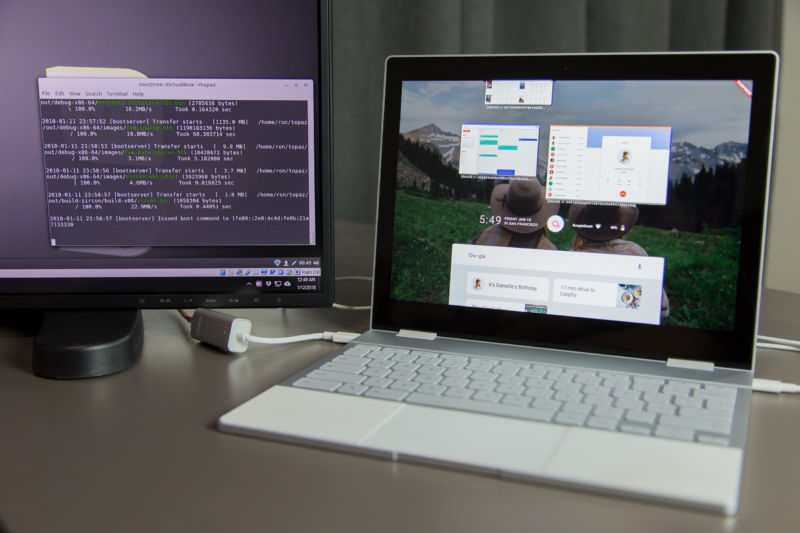
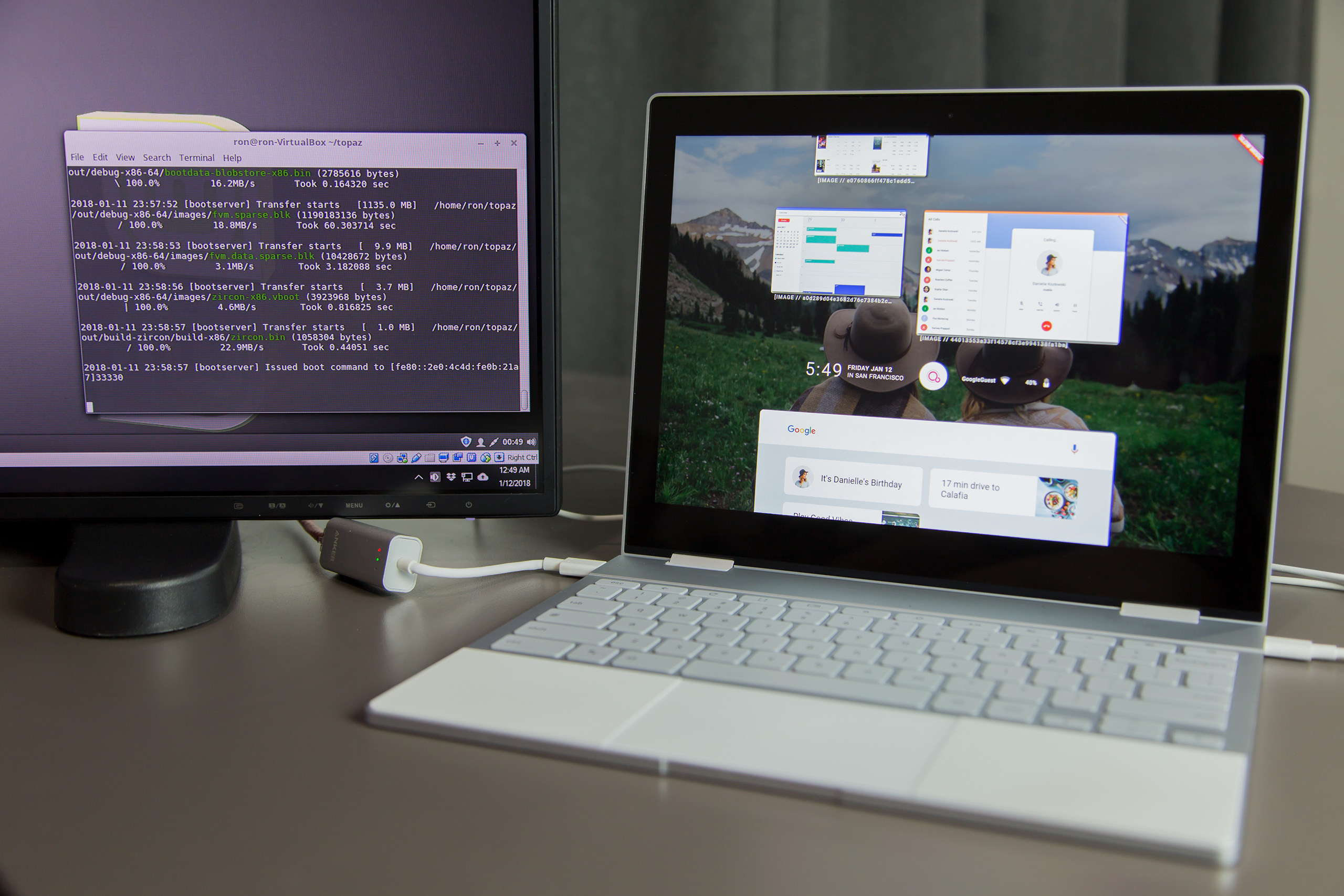
    An external monitor sits next to a laptop computer.

    Enlarge / Google's Fuchsia OS, circa 2018, running on a Pixelbook. (credit: Ron Amadeo)

    Google is still reeling from the biggest layoff in company history last Friday. Earlier cost cuts over the past six months have resulted in several projects being shut down or deprioritized at Google, and it's hard to fire 12,000 people without some additional projects taking a hit. The New York Times has a report about which divisions are being hit the hardest, and a big one is Google's future OS development group, Fuchsia.

    While the overall company cut 6 percent of its employees, the Times pointed out that Fuchsia saw an outsize 16 percent of the 400-person staff take a hit. While it's not clear what that means for the future of the division, the future of Fuchsia's division has never really been clear.

    Fuchsia has been a continuous mystery inside Google since it first saw widespread press coverage in 2017 . Google rarely officially talks about it, leaving mostly rumors and Github documentation for figuring out what's going on. The OS isn't a small project, though—it's not even based on Linux, opting instead to use a custom, in-house kernel, so Google really is building an entire OS from scratch. Google actually ships the OS today to consumers in its Nest smart displays, where it replaced the older Cast OS. The in-place operating system swap was completely invisible to consumers compared to the old OS, came with zero benefits, and was never officially announced or promoted. There's not much you can do with it on a locked-down smart display, so even after shipping, Fuchsia is still a mystery.
    Read 6 remaining paragraphs | Comments

    • tagtech tagtech tagtech tagtech tagtech tagtech tagtech tagtech tagtech

    • Ar chevron_right

      Google’s Fuchsia OS was one of the hardest hit by last week’s layoffs

      news.movim.eu / ArsTechnica • 23 January 2023 • 1 minute

    An external monitor sits next to a laptop computer.

    Enlarge / Google's Fuchsia OS, circa 2018, running on a Pixelbook. (credit: Ron Amadeo)

    Google is still reeling from the biggest layoff in company history last Friday. Earlier cost cuts over the past six months have resulted in several projects being shut down or deprioritized at Google, and it's hard to fire 12,000 people without some additional projects taking a hit. The New York Times has a report about which divisions are being hit the hardest, and a big one is Google's future OS development group, Fuchsia.

    While the overall company cut 6 percent of its employees, the Times pointed out that Fuchsia saw an outsize 16 percent of the 400-person staff take a hit. While it's not clear what that means for the future of the division, the future of Fuchsia's division has never really been clear.

    Fuchsia has been a continuous mystery inside Google since it first saw widespread press coverage in 2017 . Google rarely officially talks about it, leaving mostly rumors and Github documentation for figuring out what's going on. The OS isn't a small project, though—it's not even based on Linux, opting instead to use a custom, in-house kernel, so Google really is building an entire OS from scratch. Google actually ships the OS today to consumers in its Nest smart displays, where it replaced the older Cast OS. The in-place operating system swap was completely invisible to consumers compared to the old OS, came with zero benefits, and was never officially announced or promoted. There's not much you can do with it on a locked-down smart display, so even after shipping, Fuchsia is still a mystery.
    Read 6 remaining paragraphs | Comments

    • tagtech tagtech tagtech tagtech tagtech tagtech tagtech tagtech tagtech

    • Ar chevron_right

      Google’s Fuchsia OS was one of the hardest hit by last week’s layoffs

      news.movim.eu / ArsTechnica • 23 January 2023 • 1 minute

    An external monitor sits next to a laptop computer.

    Enlarge / Google's Fuchsia OS, circa 2018, running on a Pixelbook. (credit: Ron Amadeo)

    Google is still reeling from the biggest layoff in company history last Friday. Earlier cost cuts over the past six months have resulted in several projects being shut down or deprioritized at Google, and it's hard to fire 12,000 people without some additional projects taking a hit. The New York Times has a report about which divisions are being hit the hardest, and a big one is Google's future OS development group, Fuchsia.

    While the overall company cut 6 percent of its employees, the Times pointed out that Fuchsia saw an outsize 16 percent of the 400-person staff take a hit. While it's not clear what that means for the future of the division, the future of Fuchsia's division has never really been clear.

    Fuchsia has been a continuous mystery inside Google since it first saw widespread press coverage in 2017 . Google rarely officially talks about it, leaving mostly rumors and Github documentation for figuring out what's going on. The OS isn't a small project, though—it's not even based on Linux, opting instead to use a custom, in-house kernel, so Google really is building an entire OS from scratch. Google actually ships the OS today to consumers in its Nest smart displays, where it replaced the older Cast OS. The in-place operating system swap was completely invisible to consumers compared to the old OS, came with zero benefits, and was never officially announced or promoted. There's not much you can do with it on a locked-down smart display, so even after shipping, Fuchsia is still a mystery.

    Read 6 remaining paragraphs | Comments

    • tagtech tagtech tagtech tagtech tagtech tagtech tagtech tagtech tagtech

    • Ar chevron_right

      iPadOS 15 drops support for newer iPads in 15.7.3 security update

      news.movim.eu / ArsTechnica • 23 January 2023

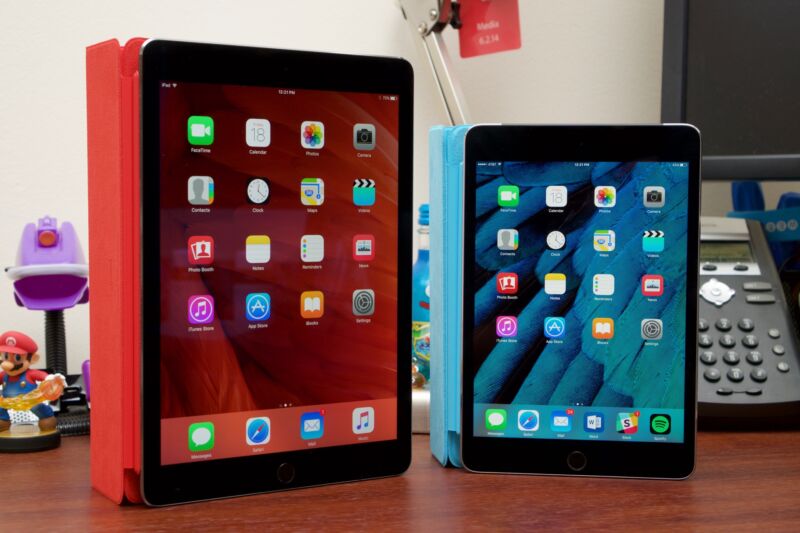
    The iPad Air 2 (left) and iPad mini 4 (right) will still get iPadOS 15 updates, but Apple's newer iPads will have to upgrade.

    Enlarge / The iPad Air 2 (left) and iPad mini 4 (right) will still get iPadOS 15 updates, but Apple's newer iPads will have to upgrade. (credit: Andrew Cunningham)

    If you use an iPad that can run iPadOS 16 and you've been sticking with iPadOS 15 for one reason or another, you should get ready to upgrade soon. The iPadOS 15.7.3 update , which provides security-only fixes to the older OS, is only compatible with iPads that can't run iPadOS 16, namely 2014's iPad Air 2 and 2015's 4th-generation iPad mini.

    Apple had been supporting all iPads with iPadOS 15 updates, whether they could run iPadOS 16 or not—the last of these updates was iPadOS 15.7.2 , released in mid-December. Apple releases these updates for a while so that cautious users can stay protected against vulnerabilities while they wait for major bugs to be resolved in the newest major OS release.

    But that grace period usually only lasts for a couple of months. Newer iPhones were pushed to update to iOS 16 in December when the 15.7.2 update dropped support for them . The release of iPadOS 16 came a month after the release of iOS 16 this year , which is why the 15.7.2 update still supported newer iPads.

    Read 1 remaining paragraphs | Comments

    • tagtech tagtech tagtech tagipados tagipados tagipados tagipados 15 tagipados 15 tagipados 15 tagtech tagtech tagtech tagipados tagipados tagipados tagipados 15 tagipados 15 tagipados 15 tagtech tagtech tagtech tagipados tagipados tagipados tagipados 15 tagipados 15 tagipados 15

    • Ar chevron_right

      iPadOS 15 drops support for newer iPads in 15.7.3 security update

      news.movim.eu / ArsTechnica • 23 January 2023

    The iPad Air 2 (left) and iPad mini 4 (right) will still get iPadOS 15 updates, but Apple's newer iPads will have to upgrade.

    Enlarge / The iPad Air 2 (left) and iPad mini 4 (right) will still get iPadOS 15 updates, but Apple's newer iPads will have to upgrade. (credit: Andrew Cunningham)

    If you use an iPad that can run iPadOS 16 and you've been sticking with iPadOS 15 for one reason or another, you should get ready to upgrade soon. The iPadOS 15.7.3 update , which provides security-only fixes to the older OS, is only compatible with iPads that can't run iPadOS 16, namely 2014's iPad Air 2 and 2015's 4th-generation iPad mini.

    Apple had been supporting all iPads with iPadOS 15 updates, whether they could run iPadOS 16 or not—the last of these updates was iPadOS 15.7.2 , released in mid-December. Apple releases these updates for a while so that cautious users can stay protected against vulnerabilities while they wait for major bugs to be resolved in the newest major OS release.

    But that grace period usually only lasts for a couple of months. Newer iPhones were pushed to update to iOS 16 in December when the 15.7.2 update dropped support for them . The release of iPadOS 16 came a month after the release of iOS 16 this year , which is why the 15.7.2 update still supported newer iPads.

    Read 1 remaining paragraphs | Comments

    • tagtech tagtech tagtech tagipados tagipados tagipados tagipados 15 tagipados 15 tagipados 15 tagtech tagtech tagtech tagipados tagipados tagipados tagipados 15 tagipados 15 tagipados 15 tagtech tagtech tagtech tagipados tagipados tagipados tagipados 15 tagipados 15 tagipados 15

    • Ar chevron_right

      iPadOS 15 drops support for newer iPads in 15.7.3 security update

      news.movim.eu / ArsTechnica • 23 January 2023

    The iPad Air 2 (left) and iPad mini 4 (right) will still get iPadOS 15 updates, but Apple's newer iPads will have to upgrade.

    Enlarge / The iPad Air 2 (left) and iPad mini 4 (right) will still get iPadOS 15 updates, but Apple's newer iPads will have to upgrade. (credit: Andrew Cunningham)

    If you use an iPad that can run iPadOS 16 and you've been sticking with iPadOS 15 for one reason or another, you should get ready to upgrade soon. The iPadOS 15.7.3 update , which provides security-only fixes to the older OS, is only compatible with iPads that can't run iPadOS 16, namely 2014's iPad Air 2 and 2015's 4th-generation iPad mini.

    Apple had been supporting all iPads with iPadOS 15 updates, whether they could run iPadOS 16 or not—the last of these updates was iPadOS 15.7.2 , released in mid-December. Apple releases these updates for a while so that cautious users can stay protected against vulnerabilities while they wait for major bugs to be resolved in the newest major OS release.

    But that grace period usually only lasts for a couple of months. Newer iPhones were pushed to update to iOS 16 in December when the 15.7.2 update dropped support for them . The release of iPadOS 16 came a month after the release of iOS 16 this year , which is why the 15.7.2 update still supported newer iPads.

    Read 1 remaining paragraphs | Comments

    • tagtech tagtech tagtech tagipados tagipados tagipados tagipados 15 tagipados 15 tagipados 15 tagtech tagtech tagtech tagipados tagipados tagipados tagipados 15 tagipados 15 tagipados 15 tagtech tagtech tagtech tagipados tagipados tagipados tagipados 15 tagipados 15 tagipados 15

    • Ar chevron_right

      Dragon Age: Dreadwolf loses another veteran BioWare producer

      news.movim.eu / ArsTechnica • 23 January 2023 • 1 minute

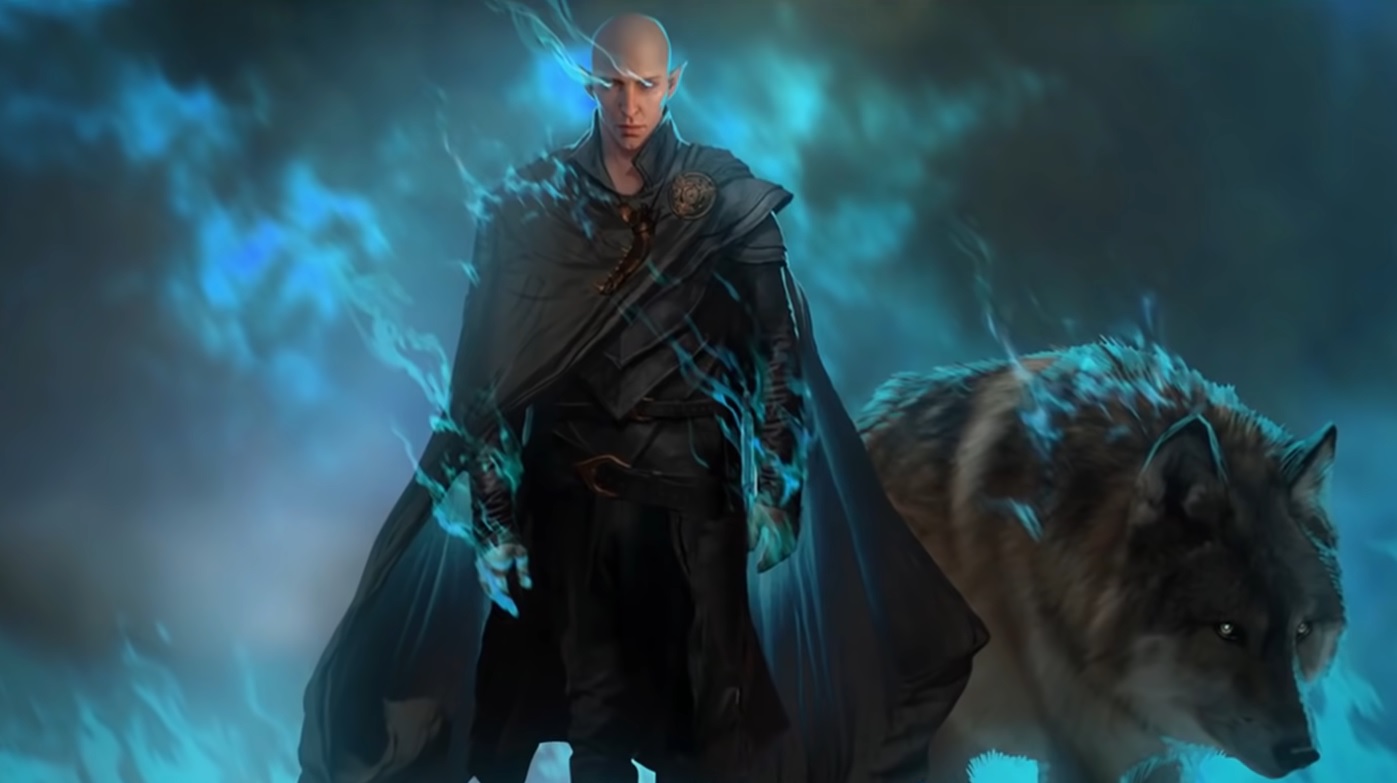
    Yet another leader behind the <em>Dreadwolf</em> project has left bioWare.

    Enlarge / Yet another leader behind the Dreadwolf project has left bioWare.

    BioWare's Mac Walters used a LinkedIn post this weekend to announce the end of a 19-year career at the company. The move is yet another in a long line of shakeups for the leadership team behind the sprawling, long-anticipated Dragon Age: Dreadwolf , on which he served as production director.

    Walters' history at BioWare was primarily focused on the Mass Effect series, where he served as a writer and designer before rising to project director for 2017's Mass Effect: Andromeda and 2021's Legendary Edition remaster. He transitioned to the Dragon Age team after Legendary Edition to serve as Dreadwolf 's production director, a role he said was akin to "both producer and director" in TV/film terms.

    "So you have the vision for a product you’re helping to uphold—something you and the team want to do—but on the producer side, you are also responsible for figuring out how you’re going to support the team in creating that vision," Walters said in a May interview posted on the BioWare corporate site. "And then you work with the team to actually execute that vision.”

    Read 4 remaining paragraphs | Comments

    • taggaming & culture taggaming & culture taggaming & culture tagbioware tagbioware tagbioware tagdragon age tagdragon age tagdragon age tagmac walters tagmac walters tagmac walters taggaming & culture taggaming & culture taggaming & culture tagbioware tagbioware tagbioware tagdragon age tagdragon age tagdragon age tagmac walters tagmac walters tagmac walters taggaming & culture taggaming & culture taggaming & culture tagbioware tagbioware tagbioware tagdragon age tagdragon age tagdragon age tagmac walters tagmac walters tagmac walters

    • Ar chevron_right

      Dragon Age: Dreadwolf loses another veteran BioWare producer

      news.movim.eu / ArsTechnica • 23 January 2023 • 1 minute

    Yet another leader behind the <em>Dreadwolf</em> project has left bioWare.

    Enlarge / Yet another leader behind the Dreadwolf project has left bioWare.

    BioWare's Mac Walters used a LinkedIn post this weekend to announce the end of a 19-year career at the company. The move is yet another in a long line of shakeups for the leadership team behind the sprawling, long-anticipated Dragon Age: Dreadwolf , on which he served as production director.

    Walters' history at BioWare was primarily focused on the Mass Effect series, where he served as a writer and designer before rising to project director for 2017's Mass Effect: Andromeda and 2021's Legendary Edition remaster. He transitioned to the Dragon Age team after Legendary Edition to serve as Dreadwolf 's production director, a role he said was akin to "both producer and director" in TV/film terms.

    "So you have the vision for a product you’re helping to uphold—something you and the team want to do—but on the producer side, you are also responsible for figuring out how you’re going to support the team in creating that vision," Walters said in a May interview posted on the BioWare corporate site. "And then you work with the team to actually execute that vision.”

    Read 4 remaining paragraphs | Comments

    • taggaming & culture taggaming & culture taggaming & culture tagbioware tagbioware tagbioware tagdragon age tagdragon age tagdragon age tagmac walters tagmac walters tagmac walters taggaming & culture taggaming & culture taggaming & culture tagbioware tagbioware tagbioware tagdragon age tagdragon age tagdragon age tagmac walters tagmac walters tagmac walters taggaming & culture taggaming & culture taggaming & culture tagbioware tagbioware tagbioware tagdragon age tagdragon age tagdragon age tagmac walters tagmac walters tagmac walters

    • Ar chevron_right

      Dragon Age: Dreadwolf loses another veteran BioWare producer

      news.movim.eu / ArsTechnica • 23 January 2023 • 1 minute

    Yet another leader behind the <em>Dreadwolf</em> project has left bioWare.

    Enlarge / Yet another leader behind the Dreadwolf project has left bioWare.

    BioWare's Mac Walters used a LinkedIn post this weekend to announce the end of a 19-year career at the company. The move is yet another in a long line of shakeups for the leadership team behind the sprawling, long-anticipated Dragon Age: Dreadwolf , on which he served as production director.

    Walters' history at BioWare was primarily focused on the Mass Effect series, where he served as a writer and designer before rising to project director for 2017's Mass Effect: Andromeda and 2021's Legendary Edition remaster. He transitioned to the Dragon Age team after Legendary Edition to serve as Dreadwolf 's production director, a role he said was akin to "both producer and director" in TV/film terms.

    "So you have the vision for a product you’re helping to uphold—something you and the team want to do—but on the producer side, you are also responsible for figuring out how you’re going to support the team in creating that vision," Walters said in a May interview posted on the BioWare corporate site. "And then you work with the team to actually execute that vision.”

    Read 4 remaining paragraphs | Comments

    • taggaming & culture taggaming & culture taggaming & culture tagbioware tagbioware tagbioware tagdragon age tagdragon age tagdragon age tagmac walters tagmac walters tagmac walters taggaming & culture taggaming & culture taggaming & culture tagbioware tagbioware tagbioware tagdragon age tagdragon age tagdragon age tagmac walters tagmac walters tagmac walters taggaming & culture taggaming & culture taggaming & culture tagbioware tagbioware tagbioware tagdragon age tagdragon age tagdragon age tagmac walters tagmac walters tagmac walters

  • history

    Get older posts

  • cloud_queue

    Powered by Movim