• progress_activity cloud_sync

    Reconnection to the server…

    Movim cannot talk with the server, please try again later


    • Public subscriptions

    • chevron_right

      coopr8

    • chevron_right

      gabagoo

    • chevron_right

      kenu_demon

    • chevron_right

      coopr8

    • chevron_right

      gabagoo

    • chevron_right

      kenu_demon

    • chevron_right

      coopr8

    • chevron_right

      gabagoo

    • chevron_right

      kenu_demon

  • Register Login

    Movim

    movim.chatterboxtown.us


  • group_work rss_feed
    add Follow

    ArsTechnica

    • Ar chevron_right

      European launch chief insists there be no competition with Ariane rockets

      news.movim.eu / ArsTechnica • 24 January 2023
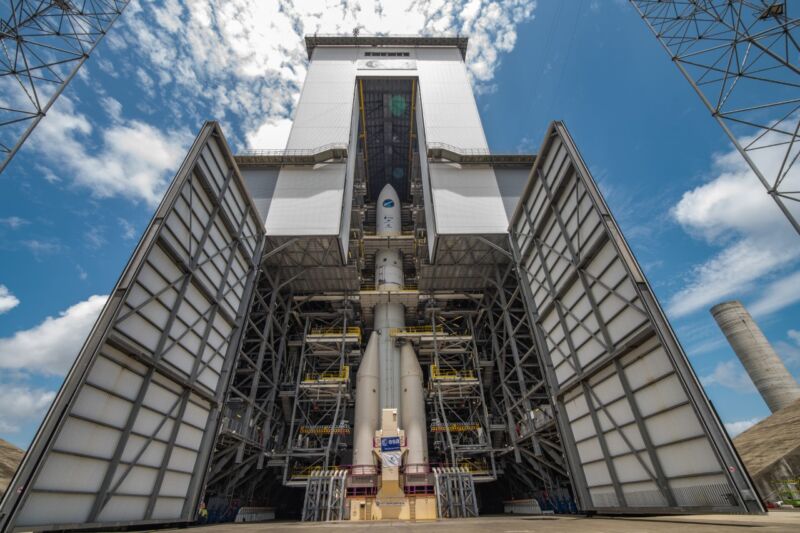
    A pathfinder version of the Ariane 6 rocket is seen at launch facilities in Kourou, French Guiana.

    Enlarge / A pathfinder version of the Ariane 6 rocket is seen at launch facilities in Kourou, French Guiana. (credit: European Space Agency)

    The development of a commercial launch industry in Europe lags behind the United States by about 10 or 15 years, but there are now about a dozen startups in Germany, the United Kingdom, Spain, and France building small rockets sometimes referred to as "microlaunchers."

    The European Space Agency and several of these nations have provided a modicum of support to these companies, often in the form of launch contracts worth a few million dollars. But so far, European space institutions have stopped short of assisting these commercial companies more substantially, as NASA did with the commercial cargo and crew programs for the International Space Station.

    One reason for this is the entrenched launch monopoly in Europe, Arianespace. Owned by various aerospace suppliers across Europe, the Paris-based launch company markets and operates a small launcher in the form of the Vega C rocket and heavy-lift rockets in the form of the soon-to-be retired Ariane 5 and forthcoming Ariane 6 rocket.
    Read 11 remaining paragraphs | Comments

    • tagscience tagscience tagscience tagariane 6 tagariane 6 tagariane 6 tagarianespace tagarianespace tagarianespace tagspace tagspace tagspace tagscience tagscience tagscience tagariane 6 tagariane 6 tagariane 6 tagarianespace tagarianespace tagarianespace tagspace tagspace tagspace tagscience tagscience tagscience tagariane 6 tagariane 6 tagariane 6 tagarianespace tagarianespace tagarianespace tagspace tagspace tagspace

    • Ar chevron_right

      European launch chief insists there be no competition with Ariane rockets

      news.movim.eu / ArsTechnica • 24 January 2023

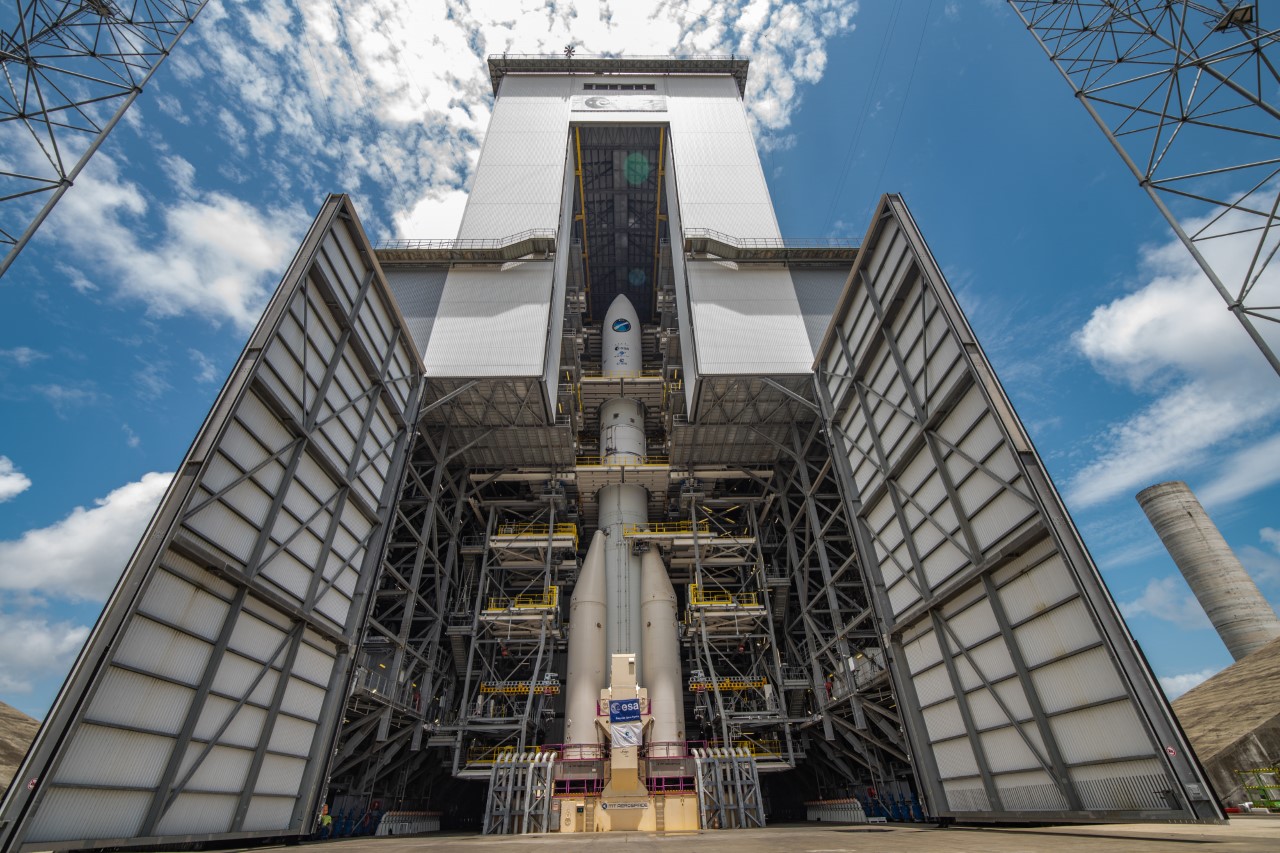
    A pathfinder version of the Ariane 6 rocket is seen at launch facilities in Kourou, French Guiana.

    Enlarge / A pathfinder version of the Ariane 6 rocket is seen at launch facilities in Kourou, French Guiana. (credit: European Space Agency)

    The development of a commercial launch industry in Europe lags behind the United States by about 10 or 15 years, but there are now about a dozen startups in Germany, the United Kingdom, Spain, and France building small rockets sometimes referred to as "microlaunchers."

    The European Space Agency and several of these nations have provided a modicum of support to these companies, often in the form of launch contracts worth a few million dollars. But so far, European space institutions have stopped short of assisting these commercial companies more substantially, as NASA did with the commercial cargo and crew programs for the International Space Station.

    One reason for this is the entrenched launch monopoly in Europe, Arianespace. Owned by various aerospace suppliers across Europe, the Paris-based launch company markets and operates a small launcher in the form of the Vega C rocket and heavy-lift rockets in the form of the soon-to-be retired Ariane 5 and forthcoming Ariane 6 rocket.
    Read 11 remaining paragraphs | Comments

    • tagscience tagscience tagscience tagariane 6 tagariane 6 tagariane 6 tagarianespace tagarianespace tagarianespace tagspace tagspace tagspace tagscience tagscience tagscience tagariane 6 tagariane 6 tagariane 6 tagarianespace tagarianespace tagarianespace tagspace tagspace tagspace tagscience tagscience tagscience tagariane 6 tagariane 6 tagariane 6 tagarianespace tagarianespace tagarianespace tagspace tagspace tagspace

    • Ar chevron_right

      European launch chief insists there be no competition with Ariane rockets

      news.movim.eu / ArsTechnica • 24 January 2023

    A pathfinder version of the Ariane 6 rocket is seen at launch facilities in Kourou, French Guiana.

    Enlarge / A pathfinder version of the Ariane 6 rocket is seen at launch facilities in Kourou, French Guiana. (credit: European Space Agency)

    The development of a commercial launch industry in Europe lags behind the United States by about 10 or 15 years, but there are now about a dozen startups in Germany, the United Kingdom, Spain, and France building small rockets sometimes referred to as "microlaunchers."

    The European Space Agency and several of these nations have provided a modicum of support to these companies, often in the form of launch contracts worth a few million dollars. But so far, European space institutions have stopped short of assisting these commercial companies more substantially, as NASA did with the commercial cargo and crew programs for the International Space Station.

    One reason for this is the entrenched launch monopoly in Europe, Arianespace. Owned by various aerospace suppliers across Europe, the Paris-based launch company markets and operates a small launcher in the form of the Vega C rocket and heavy-lift rockets in the form of the soon-to-be retired Ariane 5 and forthcoming Ariane 6 rocket.
    Read 11 remaining paragraphs | Comments

    • tagscience tagscience tagscience tagariane 6 tagariane 6 tagariane 6 tagarianespace tagarianespace tagarianespace tagspace tagspace tagspace tagscience tagscience tagscience tagariane 6 tagariane 6 tagariane 6 tagarianespace tagarianespace tagarianespace tagspace tagspace tagspace tagscience tagscience tagscience tagariane 6 tagariane 6 tagariane 6 tagarianespace tagarianespace tagarianespace tagspace tagspace tagspace

    • Ar chevron_right

      The world’s farms are hooked on phosphorus, and that’s a problem

      news.movim.eu / ArsTechnica • 24 January 2023

    The world’s farms are hooked on phosphorus, and that’s a problem

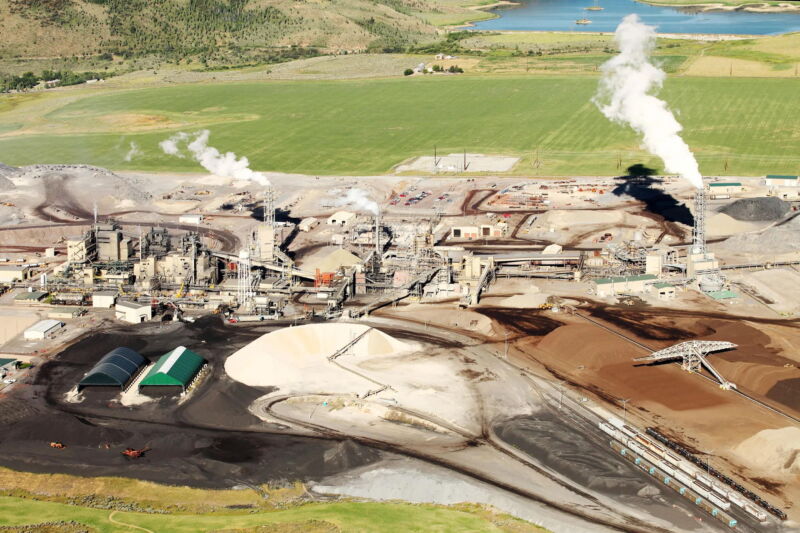
    Enlarge (credit: Brian Brown/Getty Images)

    Disrupting Earth’s chemical cycles brings trouble. But planet-warming carbon dioxide isn’t the only element whose cycle we’ve turned wonky—we’ve got a phosphorus problem too. And it’s a big one, because we depend on this element to grow the world’s crops. “I don't know if it would be possible to have a full world without any mineral phosphorus fertilizer,” says Joséphine Demay , a PhD student at INRAE, France’s National Research Institute for Agriculture, Food, and the Environment.

    Since the 1800s, agriculturalists have known that elemental phosphorus is a crucial fertilizer. Nations quickly began mining caches of “phosphate rock,” minerals rich in the element. By the middle of the 20th century, companies had industrialized chemical processes to turn it into a form suitable for supercharging crops, hardening them against disease, and making them able to support more people and livestock. That approach worked remarkably well: The post-World War II “Green Revolution” fed countless people thanks to fertilizers and pesticides. But sometimes there’s too much of a good thing.

    Read 18 remaining paragraphs | Comments

    • tagscience tagscience tagscience tagagriculture tagagriculture tagagriculture tagclimate change tagclimate change tagclimate change tagenvironment tagenvironment tagenvironment tagphosphorous tagphosphorous tagphosphorous tagscience tagscience tagscience tagagriculture tagagriculture tagagriculture tagclimate change tagclimate change tagclimate change tagenvironment tagenvironment tagenvironment tagphosphorous tagphosphorous tagphosphorous tagscience tagscience tagscience tagagriculture tagagriculture tagagriculture tagclimate change tagclimate change tagclimate change tagenvironment tagenvironment tagenvironment tagphosphorous tagphosphorous tagphosphorous

    • Ar chevron_right

      The world’s farms are hooked on phosphorus, and that’s a problem

      news.movim.eu / ArsTechnica • 24 January 2023

    The world’s farms are hooked on phosphorus, and that’s a problem

    Enlarge (credit: Brian Brown/Getty Images)

    Disrupting Earth’s chemical cycles brings trouble. But planet-warming carbon dioxide isn’t the only element whose cycle we’ve turned wonky—we’ve got a phosphorus problem too. And it’s a big one, because we depend on this element to grow the world’s crops. “I don't know if it would be possible to have a full world without any mineral phosphorus fertilizer,” says Joséphine Demay , a PhD student at INRAE, France’s National Research Institute for Agriculture, Food, and the Environment.

    Since the 1800s, agriculturalists have known that elemental phosphorus is a crucial fertilizer. Nations quickly began mining caches of “phosphate rock,” minerals rich in the element. By the middle of the 20th century, companies had industrialized chemical processes to turn it into a form suitable for supercharging crops, hardening them against disease, and making them able to support more people and livestock. That approach worked remarkably well: The post-World War II “Green Revolution” fed countless people thanks to fertilizers and pesticides. But sometimes there’s too much of a good thing.

    Read 18 remaining paragraphs | Comments

    • tagscience tagscience tagscience tagagriculture tagagriculture tagagriculture tagclimate change tagclimate change tagclimate change tagenvironment tagenvironment tagenvironment tagphosphorous tagphosphorous tagphosphorous tagscience tagscience tagscience tagagriculture tagagriculture tagagriculture tagclimate change tagclimate change tagclimate change tagenvironment tagenvironment tagenvironment tagphosphorous tagphosphorous tagphosphorous tagscience tagscience tagscience tagagriculture tagagriculture tagagriculture tagclimate change tagclimate change tagclimate change tagenvironment tagenvironment tagenvironment tagphosphorous tagphosphorous tagphosphorous

    • Ar chevron_right

      The world’s farms are hooked on phosphorus, and that’s a problem

      news.movim.eu / ArsTechnica • 24 January 2023

    The world’s farms are hooked on phosphorus, and that’s a problem

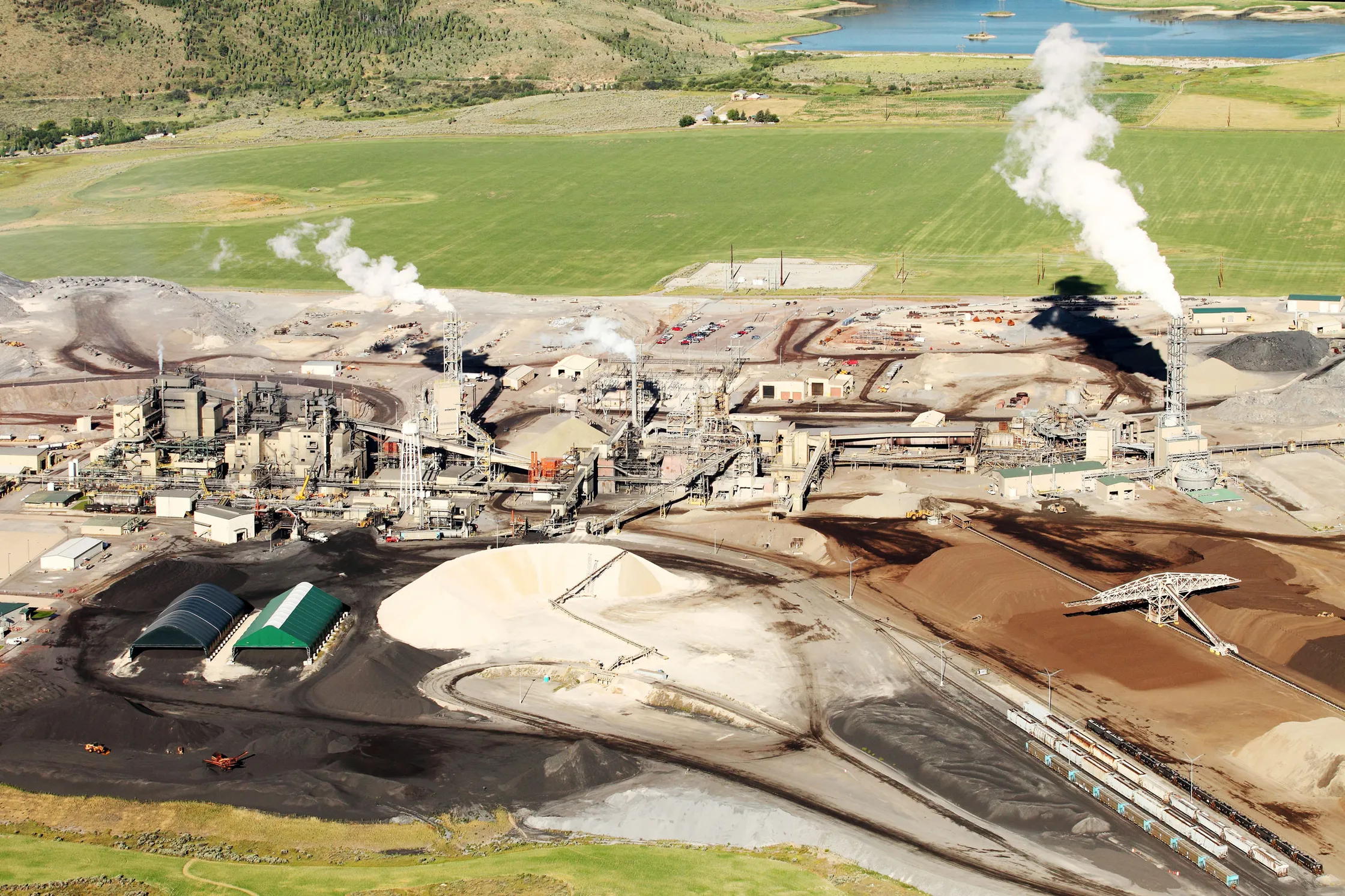
    Enlarge (credit: Brian Brown/Getty Images)

    Disrupting Earth’s chemical cycles brings trouble. But planet-warming carbon dioxide isn’t the only element whose cycle we’ve turned wonky—we’ve got a phosphorus problem too. And it’s a big one, because we depend on this element to grow the world’s crops. “I don't know if it would be possible to have a full world without any mineral phosphorus fertilizer,” says Joséphine Demay , a PhD student at INRAE, France’s National Research Institute for Agriculture, Food, and the Environment.

    Since the 1800s, agriculturalists have known that elemental phosphorus is a crucial fertilizer. Nations quickly began mining caches of “phosphate rock,” minerals rich in the element. By the middle of the 20th century, companies had industrialized chemical processes to turn it into a form suitable for supercharging crops, hardening them against disease, and making them able to support more people and livestock. That approach worked remarkably well: The post-World War II “Green Revolution” fed countless people thanks to fertilizers and pesticides. But sometimes there’s too much of a good thing.

    Read 18 remaining paragraphs | Comments

    • tagscience tagscience tagscience tagagriculture tagagriculture tagagriculture tagclimate change tagclimate change tagclimate change tagenvironment tagenvironment tagenvironment tagphosphorous tagphosphorous tagphosphorous tagscience tagscience tagscience tagagriculture tagagriculture tagagriculture tagclimate change tagclimate change tagclimate change tagenvironment tagenvironment tagenvironment tagphosphorous tagphosphorous tagphosphorous tagscience tagscience tagscience tagagriculture tagagriculture tagagriculture tagclimate change tagclimate change tagclimate change tagenvironment tagenvironment tagenvironment tagphosphorous tagphosphorous tagphosphorous

    • Ar chevron_right

      The Polestar 2 gets new electric motors in mid-life refresh

      news.movim.eu / ArsTechnica • 24 January 2023

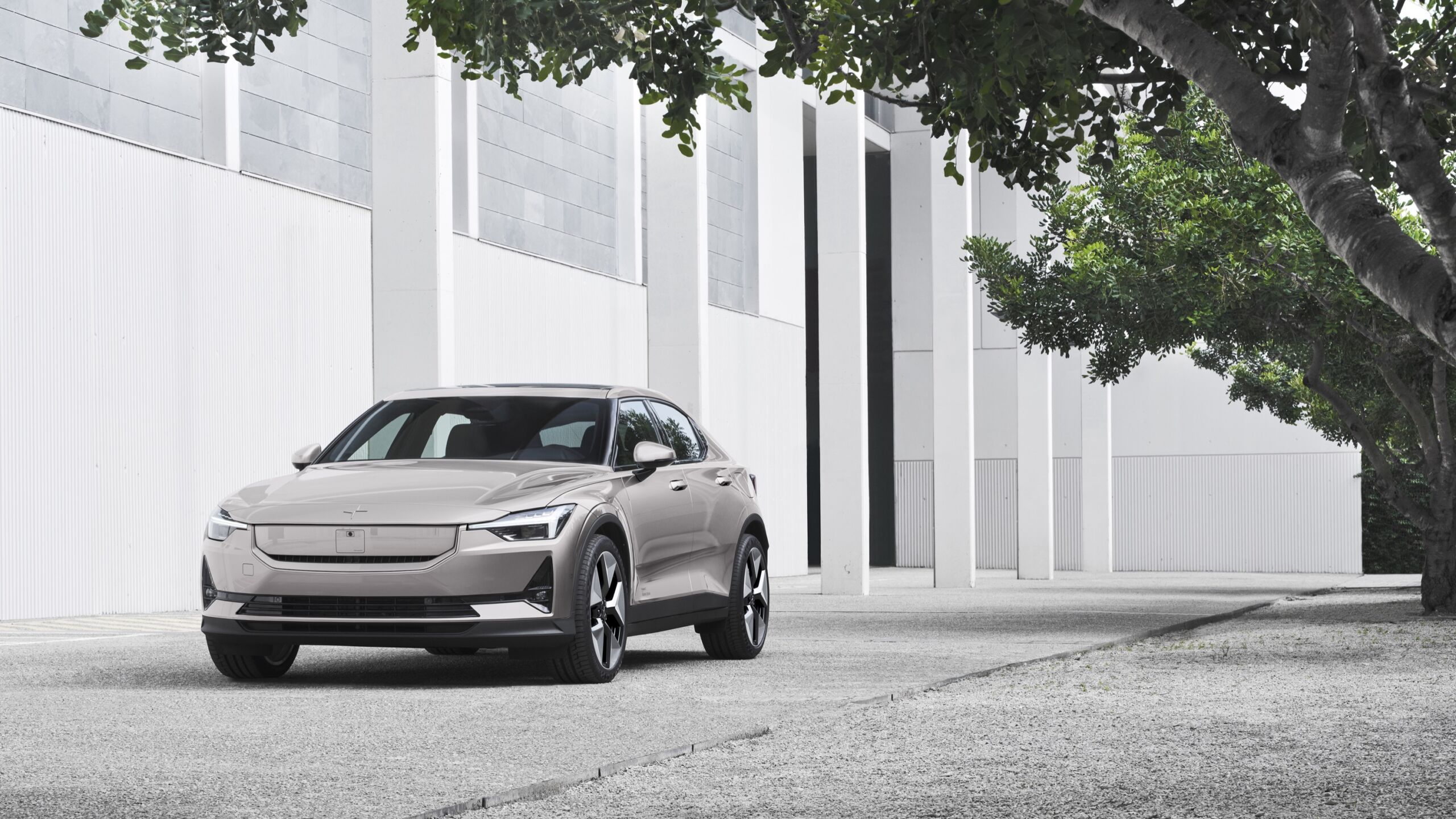
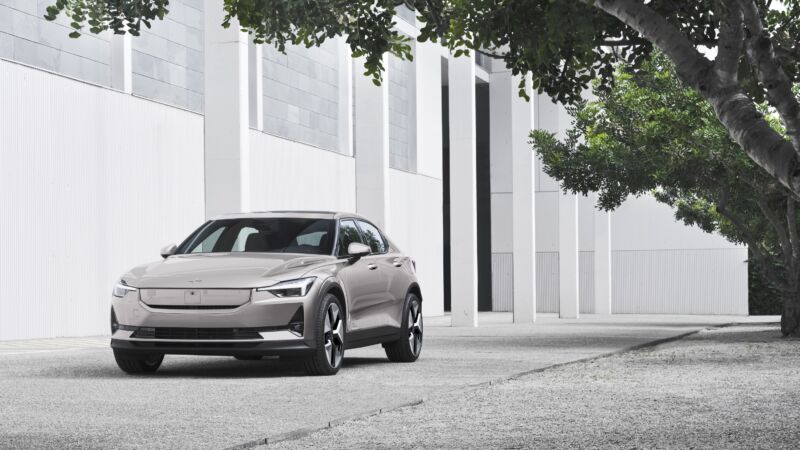
    A Polestar 2 next to a wall

    Enlarge / Polestar has given the Polestar 2 a new nose treatment for model-year 2024. (credit: Polestar)

    The current electric vehicle renaissance has been properly underway for a few years now, and we've reached the point where the first of those EVs is now undergoing a mid-life refresh. Later this year, the revised Polestar 2 will go into production, featuring more standard equipment, a new nose, and all-new electric motors.

    "Typically in the car industry, a facelift introduces superficial visual changes that often destroy the original intention of the car’s design theme. With the new model-year Polestar 2, we rather went below the surface and upgraded substantial tech and mechanical components of the electric drivetrain," said Polestar CEO Thomas Ingenlath.

    The biggest changes are reserved for the single-motor Polestar 2 . This will now come with an 82 kWh battery pack, compared to the 78 kWh packs in the dual motor cars, and should be sufficient for up to 300 miles (483 km) on a single charge, although Polestar is still waiting on its official EPA range estimate.

    Read 5 remaining paragraphs | Comments

    • tagcars tagcars tagcars tagpolestar 2 tagpolestar 2 tagpolestar 2 tagcars tagcars tagcars tagpolestar 2 tagpolestar 2 tagpolestar 2 tagcars tagcars tagcars tagpolestar 2 tagpolestar 2 tagpolestar 2

    • Ar chevron_right

      The Polestar 2 gets new electric motors in mid-life refresh

      news.movim.eu / ArsTechnica • 24 January 2023

    A Polestar 2 next to a wall

    Enlarge / Polestar has given the Polestar 2 a new nose treatment for model-year 2024. (credit: Polestar)

    The current electric vehicle renaissance has been properly underway for a few years now, and we've reached the point where the first of those EVs is now undergoing a mid-life refresh. Later this year, the revised Polestar 2 will go into production, featuring more standard equipment, a new nose, and all-new electric motors.

    "Typically in the car industry, a facelift introduces superficial visual changes that often destroy the original intention of the car’s design theme. With the new model-year Polestar 2, we rather went below the surface and upgraded substantial tech and mechanical components of the electric drivetrain," said Polestar CEO Thomas Ingenlath.

    The biggest changes are reserved for the single-motor Polestar 2 . This will now come with an 82 kWh battery pack, compared to the 78 kWh packs in the dual motor cars, and should be sufficient for up to 300 miles (483 km) on a single charge, although Polestar is still waiting on its official EPA range estimate.

    Read 5 remaining paragraphs | Comments

    • tagcars tagcars tagcars tagpolestar 2 tagpolestar 2 tagpolestar 2 tagcars tagcars tagcars tagpolestar 2 tagpolestar 2 tagpolestar 2 tagcars tagcars tagcars tagpolestar 2 tagpolestar 2 tagpolestar 2

    • Ar chevron_right

      The Polestar 2 gets new electric motors in mid-life refresh

      news.movim.eu / ArsTechnica • 24 January 2023

    A Polestar 2 next to a wall

    Enlarge / Polestar has given the Polestar 2 a new nose treatment for model-year 2024. (credit: Polestar)

    The current electric vehicle renaissance has been properly underway for a few years now, and we've reached the point where the first of those EVs is now undergoing a mid-life refresh. Later this year, the revised Polestar 2 will go into production, featuring more standard equipment, a new nose, and all-new electric motors.

    "Typically in the car industry, a facelift introduces superficial visual changes that often destroy the original intention of the car’s design theme. With the new model-year Polestar 2, we rather went below the surface and upgraded substantial tech and mechanical components of the electric drivetrain," said Polestar CEO Thomas Ingenlath.

    The biggest changes are reserved for the single-motor Polestar 2 . This will now come with an 82 kWh battery pack, compared to the 78 kWh packs in the dual motor cars, and should be sufficient for up to 300 miles (483 km) on a single charge, although Polestar is still waiting on its official EPA range estimate.

    Read 5 remaining paragraphs | Comments

    • tagcars tagcars tagcars tagpolestar 2 tagpolestar 2 tagpolestar 2 tagcars tagcars tagcars tagpolestar 2 tagpolestar 2 tagpolestar 2 tagcars tagcars tagcars tagpolestar 2 tagpolestar 2 tagpolestar 2

  • history

    Get older posts

  • cloud_queue

    Powered by Movim