• progress_activity cloud_sync

    Reconnection to the server…

    Movim cannot talk with the server, please try again later


    • Public subscriptions

    • chevron_right

      coopr8

    • chevron_right

      gabagoo

    • chevron_right

      kenu_demon

    • chevron_right

      coopr8

    • chevron_right

      gabagoo

    • chevron_right

      kenu_demon

    • chevron_right

      coopr8

    • chevron_right

      gabagoo

    • chevron_right

      kenu_demon

  • Register Login

    Movim

    movim.chatterboxtown.us


  • group_work rss_feed
    add Follow

    ArsTechnica

    • Ar chevron_right

      The world’s farms are hooked on phosphorus, and that’s a problem

      news.movim.eu / ArsTechnica • 24 January 2023
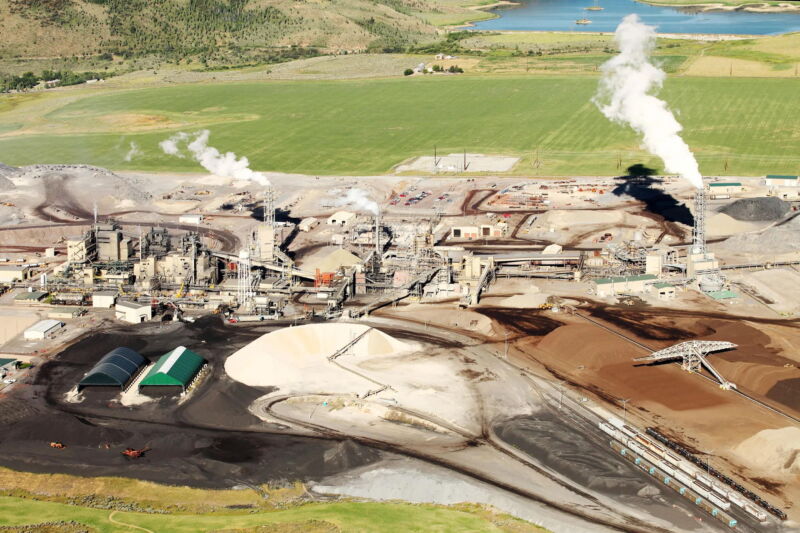
    The world’s farms are hooked on phosphorus, and that’s a problem

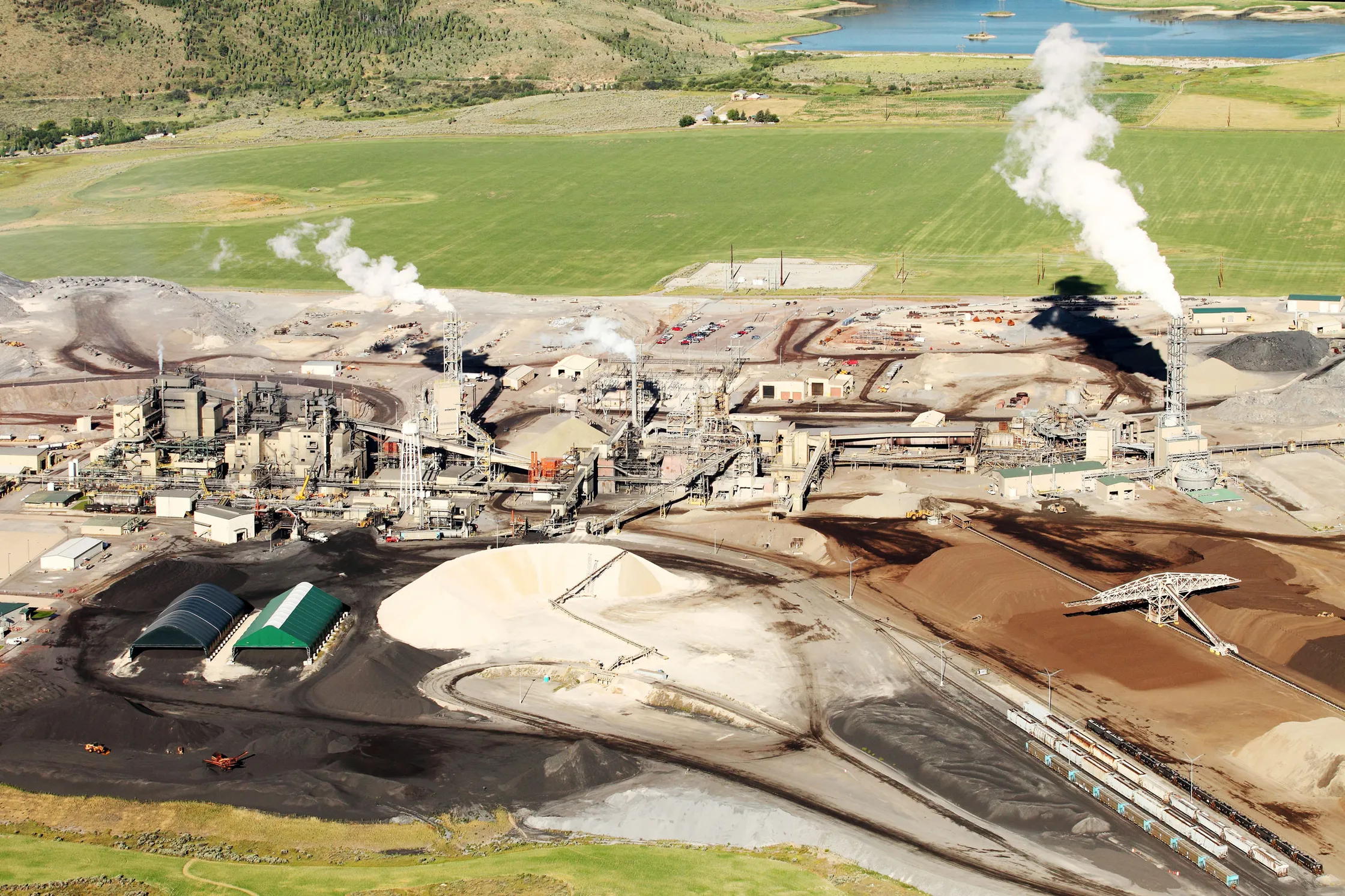
    Enlarge (credit: Brian Brown/Getty Images)
    Disrupting Earth’s chemical cycles brings trouble. But planet-warming carbon dioxide isn’t the only element whose cycle we’ve turned wonky—we’ve got a phosphorus problem too. And it’s a big one, because we depend on this element to grow the world’s crops. “I don't know if it would be possible to have a full world without any mineral phosphorus fertilizer,” says Joséphine Demay , a PhD student at INRAE, France’s National Research Institute for Agriculture, Food, and the Environment.

    Since the 1800s, agriculturalists have known that elemental phosphorus is a crucial fertilizer. Nations quickly began mining caches of “phosphate rock,” minerals rich in the element. By the middle of the 20th century, companies had industrialized chemical processes to turn it into a form suitable for supercharging crops, hardening them against disease, and making them able to support more people and livestock. That approach worked remarkably well: The post-World War II “Green Revolution” fed countless people thanks to fertilizers and pesticides. But sometimes there’s too much of a good thing.

    Read 18 remaining paragraphs | Comments

    • tagscience tagscience tagscience tagagriculture tagagriculture tagagriculture tagclimate change tagclimate change tagclimate change tagenvironment tagenvironment tagenvironment tagphosphorous tagphosphorous tagphosphorous tagscience tagscience tagscience tagagriculture tagagriculture tagagriculture tagclimate change tagclimate change tagclimate change tagenvironment tagenvironment tagenvironment tagphosphorous tagphosphorous tagphosphorous tagscience tagscience tagscience tagagriculture tagagriculture tagagriculture tagclimate change tagclimate change tagclimate change tagenvironment tagenvironment tagenvironment tagphosphorous tagphosphorous tagphosphorous

    • Ar chevron_right

      The world’s farms are hooked on phosphorus, and that’s a problem

      news.movim.eu / ArsTechnica • 24 January 2023

    The world’s farms are hooked on phosphorus, and that’s a problem

    Enlarge (credit: Brian Brown/Getty Images)

    Disrupting Earth’s chemical cycles brings trouble. But planet-warming carbon dioxide isn’t the only element whose cycle we’ve turned wonky—we’ve got a phosphorus problem too. And it’s a big one, because we depend on this element to grow the world’s crops. “I don't know if it would be possible to have a full world without any mineral phosphorus fertilizer,” says Joséphine Demay , a PhD student at INRAE, France’s National Research Institute for Agriculture, Food, and the Environment.

    Since the 1800s, agriculturalists have known that elemental phosphorus is a crucial fertilizer. Nations quickly began mining caches of “phosphate rock,” minerals rich in the element. By the middle of the 20th century, companies had industrialized chemical processes to turn it into a form suitable for supercharging crops, hardening them against disease, and making them able to support more people and livestock. That approach worked remarkably well: The post-World War II “Green Revolution” fed countless people thanks to fertilizers and pesticides. But sometimes there’s too much of a good thing.

    Read 18 remaining paragraphs | Comments

    • tagscience tagscience tagscience tagagriculture tagagriculture tagagriculture tagclimate change tagclimate change tagclimate change tagenvironment tagenvironment tagenvironment tagphosphorous tagphosphorous tagphosphorous tagscience tagscience tagscience tagagriculture tagagriculture tagagriculture tagclimate change tagclimate change tagclimate change tagenvironment tagenvironment tagenvironment tagphosphorous tagphosphorous tagphosphorous tagscience tagscience tagscience tagagriculture tagagriculture tagagriculture tagclimate change tagclimate change tagclimate change tagenvironment tagenvironment tagenvironment tagphosphorous tagphosphorous tagphosphorous

    • Ar chevron_right

      The world’s farms are hooked on phosphorus, and that’s a problem

      news.movim.eu / ArsTechnica • 24 January 2023

    The world’s farms are hooked on phosphorus, and that’s a problem

    Enlarge (credit: Brian Brown/Getty Images)

    Disrupting Earth’s chemical cycles brings trouble. But planet-warming carbon dioxide isn’t the only element whose cycle we’ve turned wonky—we’ve got a phosphorus problem too. And it’s a big one, because we depend on this element to grow the world’s crops. “I don't know if it would be possible to have a full world without any mineral phosphorus fertilizer,” says Joséphine Demay , a PhD student at INRAE, France’s National Research Institute for Agriculture, Food, and the Environment.

    Since the 1800s, agriculturalists have known that elemental phosphorus is a crucial fertilizer. Nations quickly began mining caches of “phosphate rock,” minerals rich in the element. By the middle of the 20th century, companies had industrialized chemical processes to turn it into a form suitable for supercharging crops, hardening them against disease, and making them able to support more people and livestock. That approach worked remarkably well: The post-World War II “Green Revolution” fed countless people thanks to fertilizers and pesticides. But sometimes there’s too much of a good thing.

    Read 18 remaining paragraphs | Comments

    • tagscience tagscience tagscience tagagriculture tagagriculture tagagriculture tagclimate change tagclimate change tagclimate change tagenvironment tagenvironment tagenvironment tagphosphorous tagphosphorous tagphosphorous tagscience tagscience tagscience tagagriculture tagagriculture tagagriculture tagclimate change tagclimate change tagclimate change tagenvironment tagenvironment tagenvironment tagphosphorous tagphosphorous tagphosphorous tagscience tagscience tagscience tagagriculture tagagriculture tagagriculture tagclimate change tagclimate change tagclimate change tagenvironment tagenvironment tagenvironment tagphosphorous tagphosphorous tagphosphorous

  • cloud_queue

    Powered by Movim