• progress_activity cloud_sync

    Reconnection to the server…

    Movim cannot talk with the server, please try again later


    • Public subscriptions

    • chevron_right

      coopr8

    • chevron_right

      gabagoo

    • chevron_right

      kenu_demon

    • chevron_right

      coopr8

    • chevron_right

      gabagoo

    • chevron_right

      kenu_demon

    • chevron_right

      coopr8

    • chevron_right

      gabagoo

    • chevron_right

      kenu_demon

  • Register Login

    Movim

    movim.chatterboxtown.us


  • group_work rss_feed
    add Follow

    ArsTechnica

    • Ar chevron_right

      Apple details upcoming AI-driven iOS 17 accessibility features

      news.movim.eu / ArsTechnica • 16 May 2023

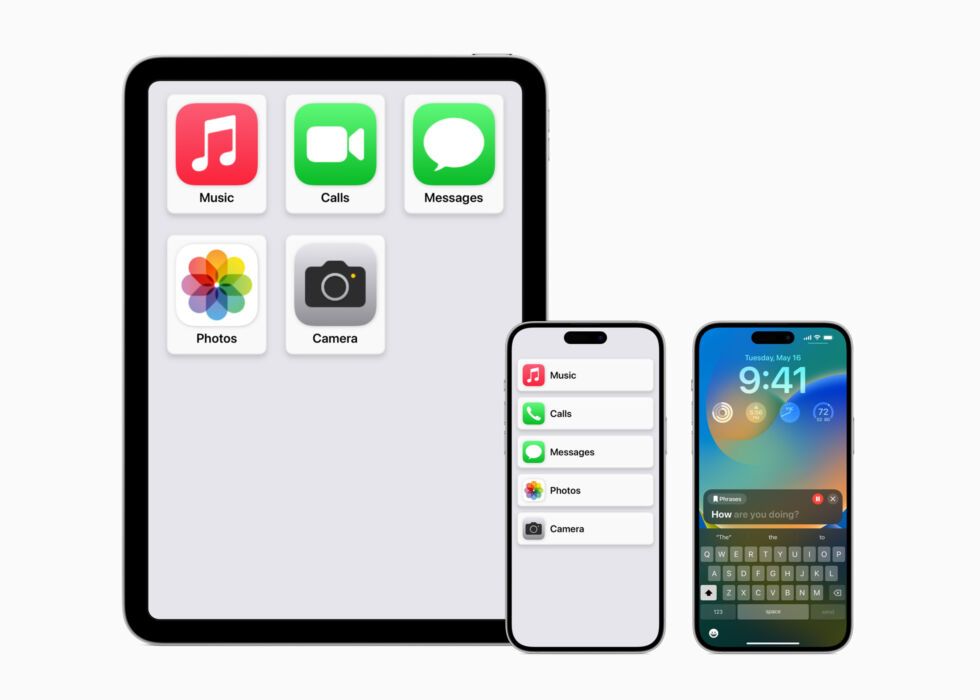
    • Apple plans to roll out new accessibility features to its devices in iOS 17. [credit: Apple ]

    Around this time last year, Apple previewed several of the accessibility features that would be added to iOS 16, which launched last fall. Now it seems that has become a tradition; today, Apple published details about several upcoming features in iOS 17 that are meant to help users with speech, vision, and cognitive disabilities use the company's devices more effectively.

    For example, nonspeaking people will be able to type and have that translated into synthesized speech on a call. Many of the new features like this rely on machine learning. In another example, "those at risk of losing their ability to speak can use Personal Voice to create a synthesized voice that sounds like them for connecting with family and friends," Apple writes.

    Other features are purely design-oriented. For users with cognitive disabilities, Apple will roll out Assistive Access, which redesigns apps like Photos, Camera, or Music to reduce cognitive load and make them easier to use. There will also be ways to focus communication on visual media, like recording short videos.

    Read 3 remaining paragraphs | Comments

    • tagtech tagtech tagtech tagaccessibility tagaccessibility tagaccessibility tagapple tagapple tagapple tagios tagios tagios tagios 17 tagios 17 tagios 17 tagtech tagtech tagtech tagaccessibility tagaccessibility tagaccessibility tagapple tagapple tagapple tagios tagios tagios tagios 17 tagios 17 tagios 17 tagtech tagtech tagtech tagaccessibility tagaccessibility tagaccessibility tagapple tagapple tagapple tagios tagios tagios tagios 17 tagios 17 tagios 17

    • Ar chevron_right

      Apple details upcoming AI-driven iOS 17 accessibility features

      news.movim.eu / ArsTechnica • 16 May 2023

    • Apple plans to roll out new accessibility features to its devices in iOS 17. [credit: Apple ]

    Around this time last year, Apple previewed several of the accessibility features that would be added to iOS 16, which launched last fall. Now it seems that has become a tradition; today, Apple published details about several upcoming features in iOS 17 that are meant to help users with speech, vision, and cognitive disabilities use the company's devices more effectively.

    For example, nonspeaking people will be able to type and have that translated into synthesized speech on a call. Many of the new features like this rely on machine learning. In another example, "those at risk of losing their ability to speak can use Personal Voice to create a synthesized voice that sounds like them for connecting with family and friends," Apple writes.

    Other features are purely design-oriented. For users with cognitive disabilities, Apple will roll out Assistive Access, which redesigns apps like Photos, Camera, or Music to reduce cognitive load and make them easier to use. There will also be ways to focus communication on visual media, like recording short videos.

    Read 3 remaining paragraphs | Comments

    • tagtech tagtech tagtech tagaccessibility tagaccessibility tagaccessibility tagapple tagapple tagapple tagios tagios tagios tagios 17 tagios 17 tagios 17 tagtech tagtech tagtech tagaccessibility tagaccessibility tagaccessibility tagapple tagapple tagapple tagios tagios tagios tagios 17 tagios 17 tagios 17 tagtech tagtech tagtech tagaccessibility tagaccessibility tagaccessibility tagapple tagapple tagapple tagios tagios tagios tagios 17 tagios 17 tagios 17

    • Ar chevron_right

      Apple details upcoming AI-driven iOS 17 accessibility features

      news.movim.eu / ArsTechnica • 16 May 2023

    • Apple plans to roll out new accessibility features to its devices in iOS 17. [credit: Apple ]

    Around this time last year, Apple previewed several of the accessibility features that would be added to iOS 16, which launched last fall. Now it seems that has become a tradition; today, Apple published details about several upcoming features in iOS 17 that are meant to help users with speech, vision, and cognitive disabilities use the company's devices more effectively.

    For example, nonspeaking people will be able to type and have that translated into synthesized speech on a call. Many of the new features like this rely on machine learning. In another example, "those at risk of losing their ability to speak can use Personal Voice to create a synthesized voice that sounds like them for connecting with family and friends," Apple writes.

    Other features are purely design-oriented. For users with cognitive disabilities, Apple will roll out Assistive Access, which redesigns apps like Photos, Camera, or Music to reduce cognitive load and make them easier to use. There will also be ways to focus communication on visual media, like recording short videos.
    Read 3 remaining paragraphs | Comments

    • tagtech tagtech tagtech tagaccessibility tagaccessibility tagaccessibility tagapple tagapple tagapple tagios tagios tagios tagios 17 tagios 17 tagios 17 tagtech tagtech tagtech tagaccessibility tagaccessibility tagaccessibility tagapple tagapple tagapple tagios tagios tagios tagios 17 tagios 17 tagios 17 tagtech tagtech tagtech tagaccessibility tagaccessibility tagaccessibility tagapple tagapple tagapple tagios tagios tagios tagios 17 tagios 17 tagios 17

    • Ar chevron_right

      AI technology “can go quite wrong,” OpenAI CEO tells Senate

      news.movim.eu / ArsTechnica • 16 May 2023

    OpenAI CEO Sam Altman sits at a table and speaks into a microphone while testifying in a Senate hearing.

    Enlarge / OpenAI CEO Sam Altman testifies about AI rules before the Senate Judiciary Subcommittee on Privacy, Technology, and the Law on May 16, 2023, in Washington, DC. (credit: Getty Images | Win McNamee )

    OpenAI CEO Sam Altman testified in the US Senate today about the potential dangers of artificial intelligence technology made by his company and others, and urged lawmakers to impose licensing requirements and other regulations on organizations that make advanced AI systems such as OpenAI's GPT-4.

    "We think that regulatory intervention by governments will be critical to mitigate the risks of increasingly powerful models," Altman said. "For example, the US government might consider a combination of licensing and testing requirements for development and release of AI models above a threshold of capabilities."

    While Altman touted AI's benefits, he said that OpenAI is "quite concerned" about elections being affected by content generated by AI. "Given that we're going to face an election next year and these models are getting better, I think this is a significant area of concern... I do think some regulation would be quite wise on this topic," Altman said.

    Read 27 remaining paragraphs | Comments

    • tagpolicy tagpolicy tagpolicy tagchatgpt tagchatgpt tagchatgpt taggpt-4 taggpt-4 taggpt-4 tagopenai tagopenai tagopenai tagsam altman tagsam altman tagsam altman tagpolicy tagpolicy tagpolicy tagchatgpt tagchatgpt tagchatgpt taggpt-4 taggpt-4 taggpt-4 tagopenai tagopenai tagopenai tagsam altman tagsam altman tagsam altman tagpolicy tagpolicy tagpolicy tagchatgpt tagchatgpt tagchatgpt taggpt-4 taggpt-4 taggpt-4 tagopenai tagopenai tagopenai tagsam altman tagsam altman tagsam altman

    • Ar chevron_right

      AI technology “can go quite wrong,” OpenAI CEO tells Senate

      news.movim.eu / ArsTechnica • 16 May 2023

    OpenAI CEO Sam Altman sits at a table and speaks into a microphone while testifying in a Senate hearing.

    Enlarge / OpenAI CEO Sam Altman testifies about AI rules before the Senate Judiciary Subcommittee on Privacy, Technology, and the Law on May 16, 2023, in Washington, DC. (credit: Getty Images | Win McNamee )

    OpenAI CEO Sam Altman testified in the US Senate today about the potential dangers of artificial intelligence technology made by his company and others, and urged lawmakers to impose licensing requirements and other regulations on organizations that make advanced AI systems such as OpenAI's GPT-4.

    "We think that regulatory intervention by governments will be critical to mitigate the risks of increasingly powerful models," Altman said. "For example, the US government might consider a combination of licensing and testing requirements for development and release of AI models above a threshold of capabilities."

    While Altman touted AI's benefits, he said that OpenAI is "quite concerned" about elections being affected by content generated by AI. "Given that we're going to face an election next year and these models are getting better, I think this is a significant area of concern... I do think some regulation would be quite wise on this topic," Altman said.

    Read 27 remaining paragraphs | Comments

    • tagpolicy tagpolicy tagpolicy tagchatgpt tagchatgpt tagchatgpt taggpt-4 taggpt-4 taggpt-4 tagopenai tagopenai tagopenai tagsam altman tagsam altman tagsam altman tagpolicy tagpolicy tagpolicy tagchatgpt tagchatgpt tagchatgpt taggpt-4 taggpt-4 taggpt-4 tagopenai tagopenai tagopenai tagsam altman tagsam altman tagsam altman tagpolicy tagpolicy tagpolicy tagchatgpt tagchatgpt tagchatgpt taggpt-4 taggpt-4 taggpt-4 tagopenai tagopenai tagopenai tagsam altman tagsam altman tagsam altman

    • Ar chevron_right

      AI technology “can go quite wrong,” OpenAI CEO tells Senate

      news.movim.eu / ArsTechnica • 16 May 2023

    OpenAI CEO Sam Altman sits at a table and speaks into a microphone while testifying in a Senate hearing.

    Enlarge / OpenAI CEO Sam Altman testifies about AI rules before the Senate Judiciary Subcommittee on Privacy, Technology, and the Law on May 16, 2023, in Washington, DC. (credit: Getty Images | Win McNamee )

    OpenAI CEO Sam Altman testified in the US Senate today about the potential dangers of artificial intelligence technology made by his company and others, and urged lawmakers to impose licensing requirements and other regulations on organizations that make advanced AI systems such as OpenAI's GPT-4.

    "We think that regulatory intervention by governments will be critical to mitigate the risks of increasingly powerful models," Altman said. "For example, the US government might consider a combination of licensing and testing requirements for development and release of AI models above a threshold of capabilities."

    While Altman touted AI's benefits, he said that OpenAI is "quite concerned" about elections being affected by content generated by AI. "Given that we're going to face an election next year and these models are getting better, I think this is a significant area of concern... I do think some regulation would be quite wise on this topic," Altman said.

    Read 27 remaining paragraphs | Comments

    • tagpolicy tagpolicy tagpolicy tagchatgpt tagchatgpt tagchatgpt taggpt-4 taggpt-4 taggpt-4 tagopenai tagopenai tagopenai tagsam altman tagsam altman tagsam altman tagpolicy tagpolicy tagpolicy tagchatgpt tagchatgpt tagchatgpt taggpt-4 taggpt-4 taggpt-4 tagopenai tagopenai tagopenai tagsam altman tagsam altman tagsam altman tagpolicy tagpolicy tagpolicy tagchatgpt tagchatgpt tagchatgpt taggpt-4 taggpt-4 taggpt-4 tagopenai tagopenai tagopenai tagsam altman tagsam altman tagsam altman

    • Ar chevron_right

      Wemo won’t fix Smart Plug vulnerability allowing remote operation

      news.movim.eu / ArsTechnica • 16 May 2023 • 1 minute

    Wemo Smart Plug V2

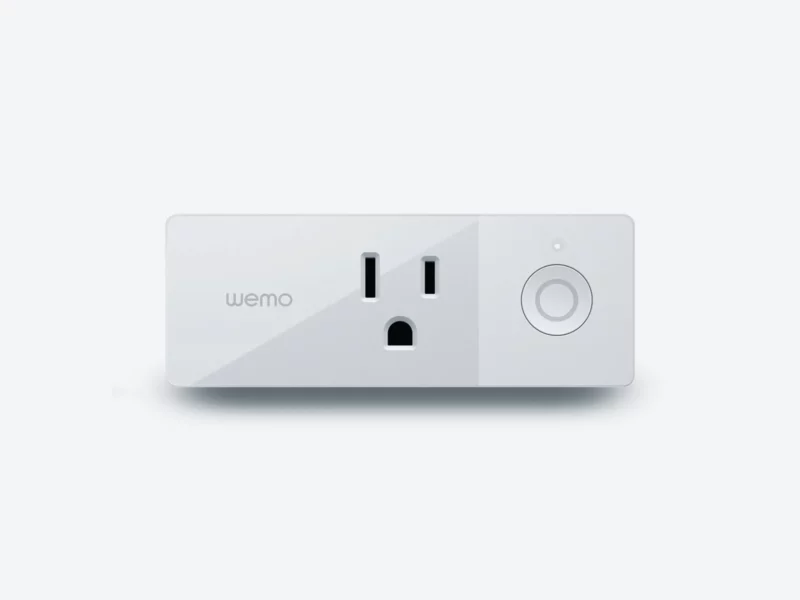
    Enlarge / This guy? This guy can be tricked into offering remote control if you give it a long name. But he's too old for his maker to care much about that.

    I once co-owned a coworking space. The space had doors with magnetic locks, unlocked by a powered relay. My partners and I realized that, if we could switch power to the system on and off, we could remotely control the door lock. One of us had a first-generation Wemo plug, so we hooked that up, and then the programmer among us set up a script that, passing Python commands over the local network, switched the door lock open and closed.

    Sometimes it would occur to me that it was kind of weird that, without authentication, you could just shout Python commands at a Wemo and it would toggle. I'm having the same feeling today about a device that's one generation newer and yet also possesses fatal flaws.

    IoT security research firm Sternum has discovered ( and disclosed ) a buffer overflow vulnerability in the Wemo Mini Smart Plug V2 . The firm's blog post is full of interesting details about how this device works (and doesn't), but a key takeaway is that you can predictably trigger a buffer overflow by passing the device a name longer than its 30-character limit—a limit enforced solely by Wemo's own apps—with third-party tools. Inside that overflow you could inject operable code. If your Wemo is connected to the wider Internet, it could be compromised remotely.

    Read 7 remaining paragraphs | Comments

    • tagtech tagtech tagtech tagbelkin tagbelkin tagbelkin taginternet of things taginternet of things taginternet of things tagiot tagiot tagiot tagsecurity tagsecurity tagsecurity tagsmart home tagsmart home tagsmart home tagwemo tagwemo tagwemo tagwemo mini smart plug v2 tagwemo mini smart plug v2 tagwemo mini smart plug v2 tagtech tagtech tagtech tagbelkin tagbelkin tagbelkin taginternet of things taginternet of things taginternet of things tagiot tagiot tagiot tagsecurity tagsecurity tagsecurity tagsmart home tagsmart home tagsmart home tagwemo tagwemo tagwemo tagwemo mini smart plug v2 tagwemo mini smart plug v2 tagwemo mini smart plug v2 tagtech tagtech tagtech tagbelkin tagbelkin tagbelkin taginternet of things taginternet of things taginternet of things tagiot tagiot tagiot tagsecurity tagsecurity tagsecurity tagsmart home tagsmart home tagsmart home tagwemo tagwemo tagwemo tagwemo mini smart plug v2 tagwemo mini smart plug v2 tagwemo mini smart plug v2

    • Ar chevron_right

      Wemo won’t fix Smart Plug vulnerability allowing remote operation

      news.movim.eu / ArsTechnica • 16 May 2023 • 1 minute

    Wemo Smart Plug V2

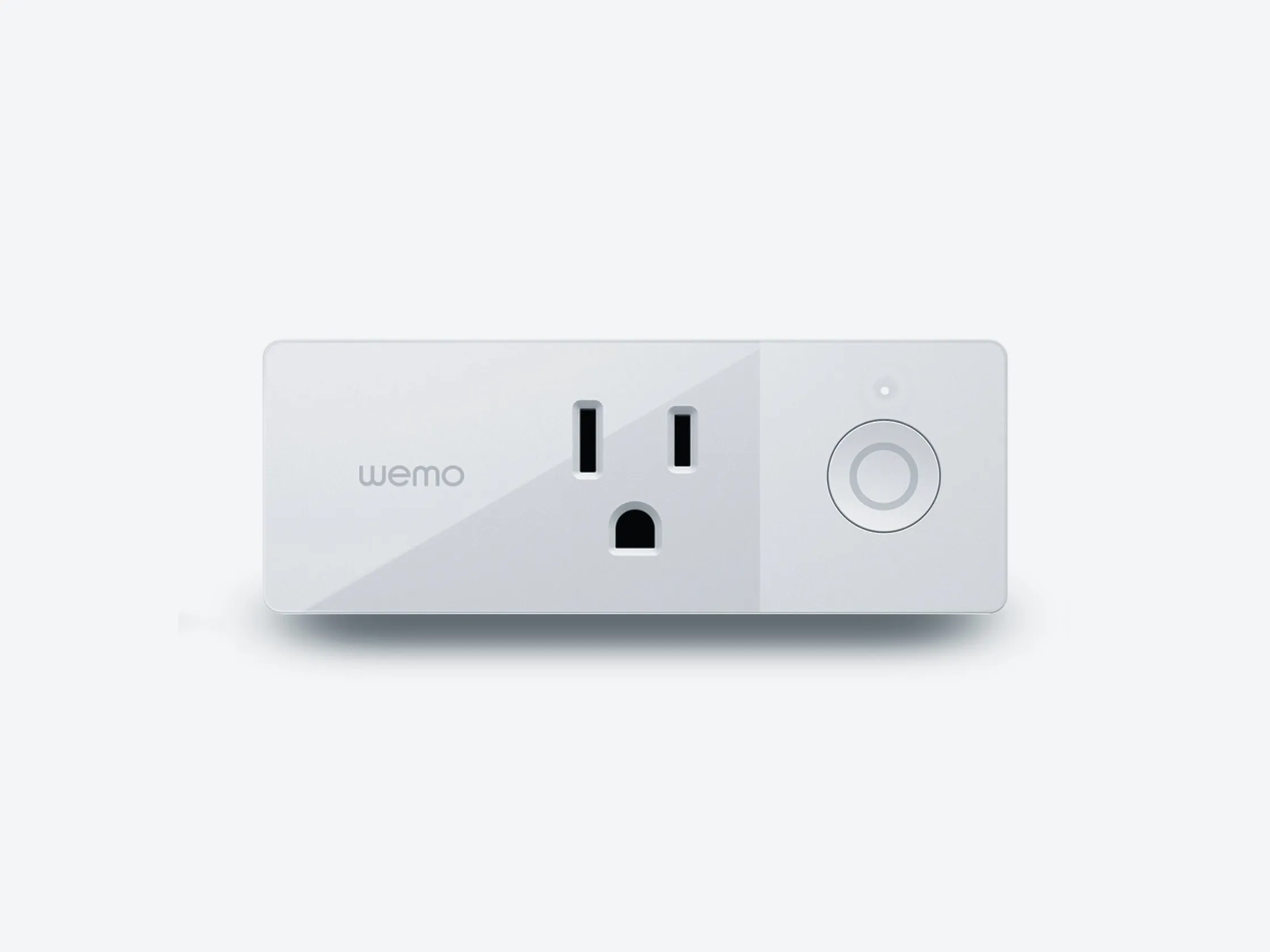
    Enlarge / This guy? This guy can be tricked into offering remote control if you give it a long name. But he's too old for his maker to care much about that.

    I once co-owned a coworking space. The space had doors with magnetic locks, unlocked by a powered relay. My partners and I realized that, if we could switch power to the system on and off, we could remotely control the door lock. One of us had a first-generation Wemo plug, so we hooked that up, and then the programmer among us set up a script that, passing Python commands over the local network, switched the door lock open and closed.

    Sometimes it would occur to me that it was kind of weird that, without authentication, you could just shout Python commands at a Wemo and it would toggle. I'm having the same feeling today about a device that's one generation newer and yet also possesses fatal flaws.

    IoT security research firm Sternum has discovered ( and disclosed ) a buffer overflow vulnerability in the Wemo Mini Smart Plug V2 . The firm's blog post is full of interesting details about how this device works (and doesn't), but a key takeaway is that you can predictably trigger a buffer overflow by passing the device a name longer than its 30-character limit—a limit enforced solely by Wemo's own apps—with third-party tools. Inside that overflow you could inject operable code. If your Wemo is connected to the wider Internet, it could be compromised remotely.

    Read 7 remaining paragraphs | Comments

    • tagtech tagtech tagtech tagbelkin tagbelkin tagbelkin taginternet of things taginternet of things taginternet of things tagiot tagiot tagiot tagsecurity tagsecurity tagsecurity tagsmart home tagsmart home tagsmart home tagwemo tagwemo tagwemo tagwemo mini smart plug v2 tagwemo mini smart plug v2 tagwemo mini smart plug v2 tagtech tagtech tagtech tagbelkin tagbelkin tagbelkin taginternet of things taginternet of things taginternet of things tagiot tagiot tagiot tagsecurity tagsecurity tagsecurity tagsmart home tagsmart home tagsmart home tagwemo tagwemo tagwemo tagwemo mini smart plug v2 tagwemo mini smart plug v2 tagwemo mini smart plug v2 tagtech tagtech tagtech tagbelkin tagbelkin tagbelkin taginternet of things taginternet of things taginternet of things tagiot tagiot tagiot tagsecurity tagsecurity tagsecurity tagsmart home tagsmart home tagsmart home tagwemo tagwemo tagwemo tagwemo mini smart plug v2 tagwemo mini smart plug v2 tagwemo mini smart plug v2

    • Ar chevron_right

      Wemo won’t fix Smart Plug vulnerability allowing remote operation

      news.movim.eu / ArsTechnica • 16 May 2023 • 1 minute

    Wemo Smart Plug V2

    Enlarge / This guy? This guy can be tricked into offering remote control if you give it a long name. But he's too old for his maker to care much about that.

    I once co-owned a coworking space. The space had doors with magnetic locks, unlocked by a powered relay. My partners and I realized that, if we could switch power to the system on and off, we could remotely control the door lock. One of us had a first-generation Wemo plug, so we hooked that up, and then the programmer among us set up a script that, passing Python commands over the local network, switched the door lock open and closed.

    Sometimes it would occur to me that it was kind of weird that, without authentication, you could just shout Python commands at a Wemo and it would toggle. I'm having the same feeling today about a device that's one generation newer and yet also possesses fatal flaws.

    IoT security research firm Sternum has discovered ( and disclosed ) a buffer overflow vulnerability in the Wemo Mini Smart Plug V2 . The firm's blog post is full of interesting details about how this device works (and doesn't), but a key takeaway is that you can predictably trigger a buffer overflow by passing the device a name longer than its 30-character limit—a limit enforced solely by Wemo's own apps—with third-party tools. Inside that overflow you could inject operable code. If your Wemo is connected to the wider Internet, it could be compromised remotely.

    Read 7 remaining paragraphs | Comments

    • tagtech tagtech tagtech tagbelkin tagbelkin tagbelkin taginternet of things taginternet of things taginternet of things tagiot tagiot tagiot tagsecurity tagsecurity tagsecurity tagsmart home tagsmart home tagsmart home tagwemo tagwemo tagwemo tagwemo mini smart plug v2 tagwemo mini smart plug v2 tagwemo mini smart plug v2 tagtech tagtech tagtech tagbelkin tagbelkin tagbelkin taginternet of things taginternet of things taginternet of things tagiot tagiot tagiot tagsecurity tagsecurity tagsecurity tagsmart home tagsmart home tagsmart home tagwemo tagwemo tagwemo tagwemo mini smart plug v2 tagwemo mini smart plug v2 tagwemo mini smart plug v2 tagtech tagtech tagtech tagbelkin tagbelkin tagbelkin taginternet of things taginternet of things taginternet of things tagiot tagiot tagiot tagsecurity tagsecurity tagsecurity tagsmart home tagsmart home tagsmart home tagwemo tagwemo tagwemo tagwemo mini smart plug v2 tagwemo mini smart plug v2 tagwemo mini smart plug v2

  • history

    Get older posts

  • cloud_queue

    Powered by Movim