• progress_activity cloud_sync

    Reconnection to the server…

    Movim cannot talk with the server, please try again later


    • Public subscriptions

    • chevron_right

      coopr8

    • chevron_right

      gabagoo

    • chevron_right

      kenu_demon

    • chevron_right

      coopr8

    • chevron_right

      gabagoo

    • chevron_right

      kenu_demon

    • chevron_right

      coopr8

    • chevron_right

      gabagoo

    • chevron_right

      kenu_demon

  • Register Login

    Movim

    movim.chatterboxtown.us


  • group_work rss_feed
    add Follow

    ArsTechnica

    • Ar chevron_right

      Amazon is getting ready to launch a lot of broadband satellites

      news.movim.eu / ArsTechnica • 22 July 2023

    Artist's illustration of Amazon's Kuiper satellite processing facility at NASA's Kennedy Space Center.

    Enlarge / Artist's illustration of Amazon's Kuiper satellite processing facility at NASA's Kennedy Space Center. (credit: Amazon )

    Within a few years, Amazon hopes to be building and launching up to 80 satellites per month to populate the company's Kuiper constellation , a $10 billion network that is similar to fleets already operated by SpaceX and OneWeb providing Internet connectivity around the world.

    In the next six months, Amazon plans to begin production of operational Kuiper satellites at a new 172,000-square-foot factory in Kirkland, Washington. On Friday, officials from Amazon and the Florida government announced that a 100,000-square-foot facility under construction at NASA's Kennedy Space Center will serve as a satellite processing facility dedicated to the Kuiper program.

    Inside this facility near the old space shuttle landing strip, engineers will mount Kuiper satellites onto huge orbital deployer mechanisms standing several stories tall, then encapsulate the structure inside the nose cones of their rockets. The fully integrated payload compartments will then move out to launch pads operated by United Launch Alliance and Blue Origin—the space company established by Amazon founder Jeff Bezos—at Cape Canaveral Space Force Station, a few miles away.

    Read 32 remaining paragraphs | Comments

    • tagspace tagspace tagspace tagamazon tagamazon tagamazon tagbroadband tagbroadband tagbroadband tagflorida tagflorida tagflorida tagkennedy space center tagkennedy space center tagkennedy space center tagkuiper tagkuiper tagkuiper tagunited launch alliance tagunited launch alliance tagunited launch alliance tagvulcan rocket tagvulcan rocket tagvulcan rocket tagspace tagspace tagspace tagamazon tagamazon tagamazon tagbroadband tagbroadband tagbroadband tagflorida tagflorida tagflorida tagkennedy space center tagkennedy space center tagkennedy space center tagkuiper tagkuiper tagkuiper tagunited launch alliance tagunited launch alliance tagunited launch alliance tagvulcan rocket tagvulcan rocket tagvulcan rocket tagspace tagspace tagspace tagamazon tagamazon tagamazon tagbroadband tagbroadband tagbroadband tagflorida tagflorida tagflorida tagkennedy space center tagkennedy space center tagkennedy space center tagkuiper tagkuiper tagkuiper tagunited launch alliance tagunited launch alliance tagunited launch alliance tagvulcan rocket tagvulcan rocket tagvulcan rocket

    • Ar chevron_right

      Amazon is getting ready to launch a lot of broadband satellites

      news.movim.eu / ArsTechnica • 22 July 2023

    Artist's illustration of Amazon's Kuiper satellite processing facility at NASA's Kennedy Space Center.

    Enlarge / Artist's illustration of Amazon's Kuiper satellite processing facility at NASA's Kennedy Space Center. (credit: Amazon )

    Within a few years, Amazon hopes to be building and launching up to 80 satellites per month to populate the company's Kuiper constellation , a $10 billion network that is similar to fleets already operated by SpaceX and OneWeb providing Internet connectivity around the world.

    In the next six months, Amazon plans to begin production of operational Kuiper satellites at a new 172,000-square-foot factory in Kirkland, Washington. On Friday, officials from Amazon and the Florida government announced that a 100,000-square-foot facility under construction at NASA's Kennedy Space Center will serve as a satellite processing facility dedicated to the Kuiper program.

    Inside this facility near the old space shuttle landing strip, engineers will mount Kuiper satellites onto huge orbital deployer mechanisms standing several stories tall, then encapsulate the structure inside the nose cones of their rockets. The fully integrated payload compartments will then move out to launch pads operated by United Launch Alliance and Blue Origin—the space company established by Amazon founder Jeff Bezos—at Cape Canaveral Space Force Station, a few miles away.

    Read 32 remaining paragraphs | Comments

    • tagspace tagspace tagspace tagamazon tagamazon tagamazon tagbroadband tagbroadband tagbroadband tagflorida tagflorida tagflorida tagkennedy space center tagkennedy space center tagkennedy space center tagkuiper tagkuiper tagkuiper tagunited launch alliance tagunited launch alliance tagunited launch alliance tagvulcan rocket tagvulcan rocket tagvulcan rocket tagspace tagspace tagspace tagamazon tagamazon tagamazon tagbroadband tagbroadband tagbroadband tagflorida tagflorida tagflorida tagkennedy space center tagkennedy space center tagkennedy space center tagkuiper tagkuiper tagkuiper tagunited launch alliance tagunited launch alliance tagunited launch alliance tagvulcan rocket tagvulcan rocket tagvulcan rocket tagspace tagspace tagspace tagamazon tagamazon tagamazon tagbroadband tagbroadband tagbroadband tagflorida tagflorida tagflorida tagkennedy space center tagkennedy space center tagkennedy space center tagkuiper tagkuiper tagkuiper tagunited launch alliance tagunited launch alliance tagunited launch alliance tagvulcan rocket tagvulcan rocket tagvulcan rocket

    • Ar chevron_right

      Amazon is getting ready to launch a lot of broadband satellites

      news.movim.eu / ArsTechnica • 22 July 2023

    Artist's illustration of Amazon's Kuiper satellite processing facility at NASA's Kennedy Space Center.

    Enlarge / Artist's illustration of Amazon's Kuiper satellite processing facility at NASA's Kennedy Space Center. (credit: Amazon )

    Within a few years, Amazon hopes to be building and launching up to 80 satellites per month to populate the company's Kuiper constellation , a $10 billion network that is similar to fleets already operated by SpaceX and OneWeb providing Internet connectivity around the world.

    In the next six months, Amazon plans to begin production of operational Kuiper satellites at a new 172,000-square-foot factory in Kirkland, Washington. On Friday, officials from Amazon and the Florida government announced that a 100,000-square-foot facility under construction at NASA's Kennedy Space Center will serve as a satellite processing facility dedicated to the Kuiper program.

    Inside this facility near the old space shuttle landing strip, engineers will mount Kuiper satellites onto huge orbital deployer mechanisms standing several stories tall, then encapsulate the structure inside the nose cones of their rockets. The fully integrated payload compartments will then move out to launch pads operated by United Launch Alliance and Blue Origin—the space company established by Amazon founder Jeff Bezos—at Cape Canaveral Space Force Station, a few miles away.
    Read 32 remaining paragraphs | Comments

    • tagspace tagspace tagspace tagamazon tagamazon tagamazon tagbroadband tagbroadband tagbroadband tagflorida tagflorida tagflorida tagkennedy space center tagkennedy space center tagkennedy space center tagkuiper tagkuiper tagkuiper tagunited launch alliance tagunited launch alliance tagunited launch alliance tagvulcan rocket tagvulcan rocket tagvulcan rocket tagspace tagspace tagspace tagamazon tagamazon tagamazon tagbroadband tagbroadband tagbroadband tagflorida tagflorida tagflorida tagkennedy space center tagkennedy space center tagkennedy space center tagkuiper tagkuiper tagkuiper tagunited launch alliance tagunited launch alliance tagunited launch alliance tagvulcan rocket tagvulcan rocket tagvulcan rocket tagspace tagspace tagspace tagamazon tagamazon tagamazon tagbroadband tagbroadband tagbroadband tagflorida tagflorida tagflorida tagkennedy space center tagkennedy space center tagkennedy space center tagkuiper tagkuiper tagkuiper tagunited launch alliance tagunited launch alliance tagunited launch alliance tagvulcan rocket tagvulcan rocket tagvulcan rocket

    • Ar chevron_right

      A promising Internet satellite is rendered useless by power supply issues

      news.movim.eu / ArsTechnica • 21 July 2023

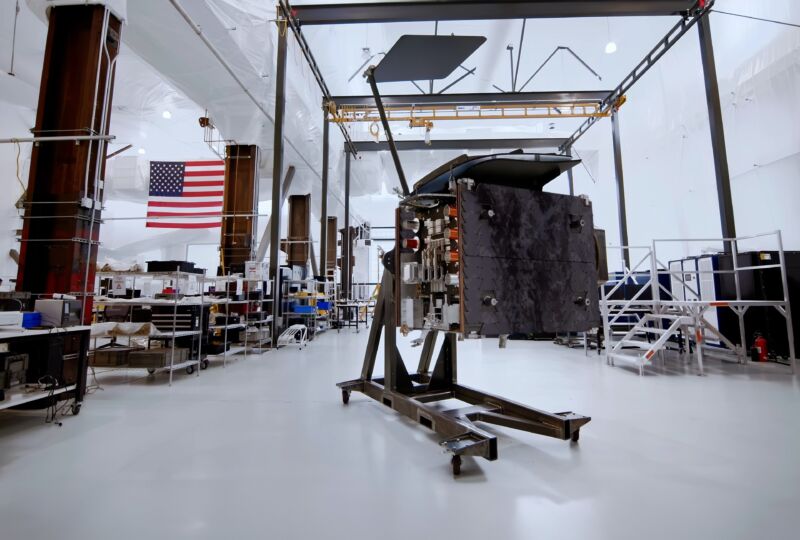
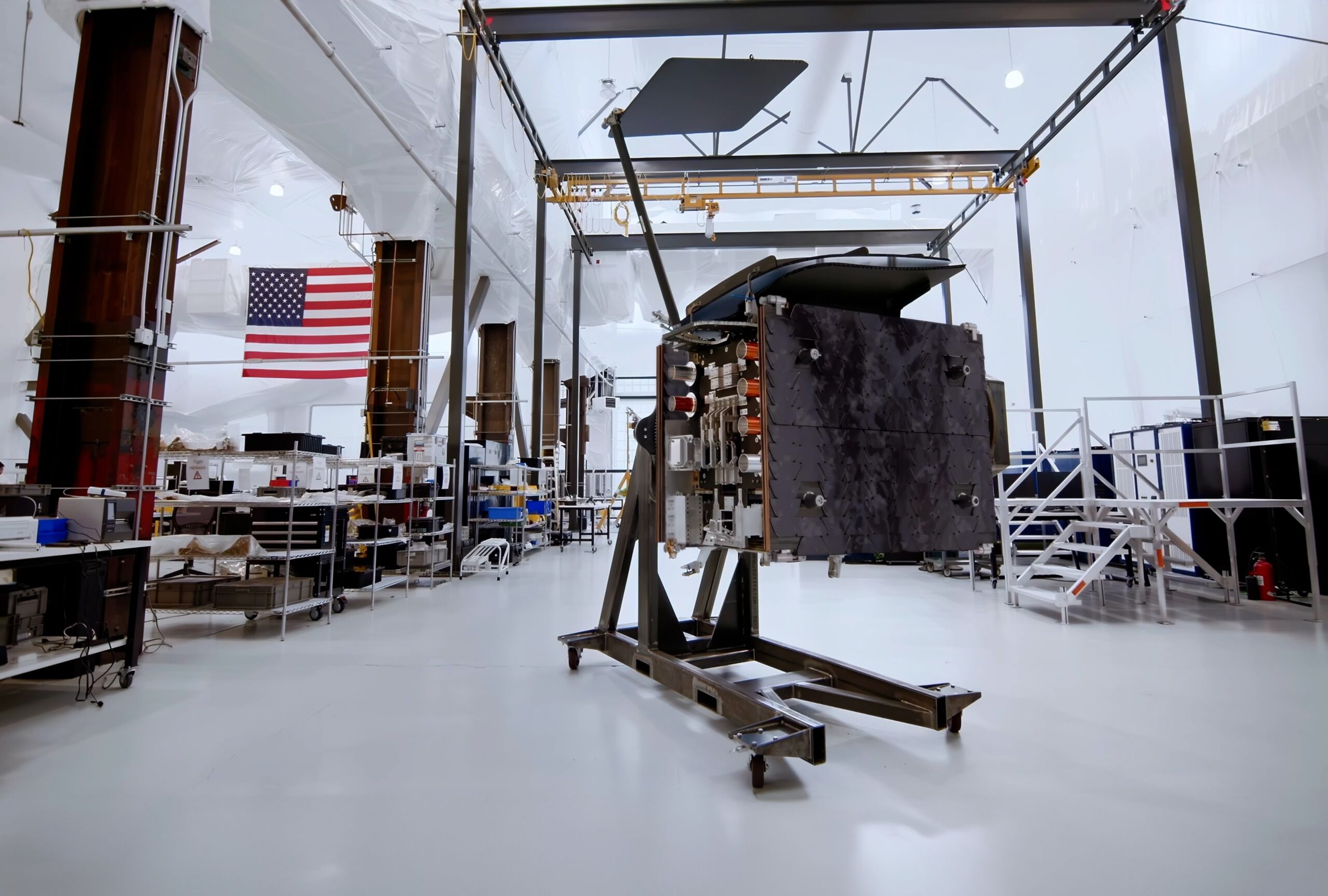
    An Astranis satellite is seen in the company's factory.

    Enlarge / An Astranis satellite is seen in the company's factory. (credit: Astranis)

    Astranis, a company seeking to provide Internet connectivity from geostationary space, said in May that its "Arcturus" satellite was successfully deployed following a launch on a Falcon Heavy rocket.

    After taking control of the satellite, Astranis then began to send commands and update the flight software before raising Arcturus' orbit and slotting it into a geostationary position overlooking Alaska. Once there, the satellite linked up with an Internet gateway in Utah and communicated with multiple user terminals in Alaska.

    Sometime after this, however, the satellite experienced what Astranis characterized as an abrupt anomaly with a supplier's component on the solar array drive assembly. In an update on Friday , Astranis co-founder John Gedmark explained that this assembly rotates to solar arrays to ensure they are always pointed at the Sun, allowing the spacecraft to remain fully powered at all times.

    Read 7 remaining paragraphs | Comments

    • tagscience tagscience tagscience tagspace tagspace tagspace tagastranis tagastranis tagastranis tagscience tagscience tagscience tagspace tagspace tagspace tagastranis tagastranis tagastranis tagscience tagscience tagscience tagspace tagspace tagspace tagastranis tagastranis tagastranis

    • Ar chevron_right

      A promising Internet satellite is rendered useless by power supply issues

      news.movim.eu / ArsTechnica • 21 July 2023

    An Astranis satellite is seen in the company's factory.

    Enlarge / An Astranis satellite is seen in the company's factory. (credit: Astranis)

    Astranis, a company seeking to provide Internet connectivity from geostationary space, said in May that its "Arcturus" satellite was successfully deployed following a launch on a Falcon Heavy rocket.

    After taking control of the satellite, Astranis then began to send commands and update the flight software before raising Arcturus' orbit and slotting it into a geostationary position overlooking Alaska. Once there, the satellite linked up with an Internet gateway in Utah and communicated with multiple user terminals in Alaska.

    Sometime after this, however, the satellite experienced what Astranis characterized as an abrupt anomaly with a supplier's component on the solar array drive assembly. In an update on Friday , Astranis co-founder John Gedmark explained that this assembly rotates to solar arrays to ensure they are always pointed at the Sun, allowing the spacecraft to remain fully powered at all times.

    Read 7 remaining paragraphs | Comments

    • tagscience tagscience tagscience tagspace tagspace tagspace tagastranis tagastranis tagastranis tagscience tagscience tagscience tagspace tagspace tagspace tagastranis tagastranis tagastranis tagscience tagscience tagscience tagspace tagspace tagspace tagastranis tagastranis tagastranis

    • Ar chevron_right

      A promising Internet satellite is rendered useless by power supply issues

      news.movim.eu / ArsTechnica • 21 July 2023

    An Astranis satellite is seen in the company's factory.

    Enlarge / An Astranis satellite is seen in the company's factory. (credit: Astranis)

    Astranis, a company seeking to provide Internet connectivity from geostationary space, said in May that its "Arcturus" satellite was successfully deployed following a launch on a Falcon Heavy rocket.

    After taking control of the satellite, Astranis then began to send commands and update the flight software before raising Arcturus' orbit and slotting it into a geostationary position overlooking Alaska. Once there, the satellite linked up with an Internet gateway in Utah and communicated with multiple user terminals in Alaska.

    Sometime after this, however, the satellite experienced what Astranis characterized as an abrupt anomaly with a supplier's component on the solar array drive assembly. In an update on Friday , Astranis co-founder John Gedmark explained that this assembly rotates to solar arrays to ensure they are always pointed at the Sun, allowing the spacecraft to remain fully powered at all times.

    Read 7 remaining paragraphs | Comments

    • tagscience tagscience tagscience tagspace tagspace tagspace tagastranis tagastranis tagastranis tagscience tagscience tagscience tagspace tagspace tagspace tagastranis tagastranis tagastranis tagscience tagscience tagscience tagspace tagspace tagspace tagastranis tagastranis tagastranis

    • Ar chevron_right

      Zyxel users still getting hacked by DDoS botnet emerge as public nuisance No. 1

      news.movim.eu / ArsTechnica • 21 July 2023

    Cartoon image of a desktop computer under attack from viruses.

    Enlarge (credit: Aurich Lawson / Ars Technica )

    Organizations that have yet to patch a 9.8-severity vulnerability in network devices made by Zyxel have emerged as public nuisance No. 1 as a sizable number of them continue to be exploited and wrangled into botnets that wage DDoS attacks.

    Zyxel patched the flaw on April 25. Five weeks later, Shadowserver, an organization that monitors Internet threats in real time, warned that many Zyxel firewalls and VPN servers had been compromised in attacks that showed no signs of stopping. The Shadowserver assessment at the time was: “If you have a vulnerable device exposed, assume compromise .”

    On Wednesday—12 weeks since Zyxel delivered a patch and seven weeks since Shadowserver sounded the alarm—security firm Fortinet published research reporting a surge in exploit activity being carried out by multiple threat actors in recent weeks. As was the case with the active compromises Shadowserver reported, the attacks came overwhelmingly from variants based on Mirai, an open source application hackers use to identify and exploit common vulnerabilities in routers and other Internet of Things devices.

    Read 8 remaining paragraphs | Comments

    • tagbiz & it tagbiz & it tagbiz & it tagsecurity tagsecurity tagsecurity tagbotnet tagbotnet tagbotnet tagexploit tagexploit tagexploit tagvulnerability tagvulnerability tagvulnerability tagzyxel tagzyxel tagzyxel tagbiz & it tagbiz & it tagbiz & it tagsecurity tagsecurity tagsecurity tagbotnet tagbotnet tagbotnet tagexploit tagexploit tagexploit tagvulnerability tagvulnerability tagvulnerability tagzyxel tagzyxel tagzyxel tagbiz & it tagbiz & it tagbiz & it tagsecurity tagsecurity tagsecurity tagbotnet tagbotnet tagbotnet tagexploit tagexploit tagexploit tagvulnerability tagvulnerability tagvulnerability tagzyxel tagzyxel tagzyxel

    • Ar chevron_right

      Zyxel users still getting hacked by DDoS botnet emerge as public nuisance No. 1

      news.movim.eu / ArsTechnica • 21 July 2023

    Cartoon image of a desktop computer under attack from viruses.

    Enlarge (credit: Aurich Lawson / Ars Technica )

    Organizations that have yet to patch a 9.8-severity vulnerability in network devices made by Zyxel have emerged as public nuisance No. 1 as a sizable number of them continue to be exploited and wrangled into botnets that wage DDoS attacks.

    Zyxel patched the flaw on April 25. Five weeks later, Shadowserver, an organization that monitors Internet threats in real time, warned that many Zyxel firewalls and VPN servers had been compromised in attacks that showed no signs of stopping. The Shadowserver assessment at the time was: “If you have a vulnerable device exposed, assume compromise .”

    On Wednesday—12 weeks since Zyxel delivered a patch and seven weeks since Shadowserver sounded the alarm—security firm Fortinet published research reporting a surge in exploit activity being carried out by multiple threat actors in recent weeks. As was the case with the active compromises Shadowserver reported, the attacks came overwhelmingly from variants based on Mirai, an open source application hackers use to identify and exploit common vulnerabilities in routers and other Internet of Things devices.

    Read 8 remaining paragraphs | Comments

    • tagbiz & it tagbiz & it tagbiz & it tagsecurity tagsecurity tagsecurity tagbotnet tagbotnet tagbotnet tagexploit tagexploit tagexploit tagvulnerability tagvulnerability tagvulnerability tagzyxel tagzyxel tagzyxel tagbiz & it tagbiz & it tagbiz & it tagsecurity tagsecurity tagsecurity tagbotnet tagbotnet tagbotnet tagexploit tagexploit tagexploit tagvulnerability tagvulnerability tagvulnerability tagzyxel tagzyxel tagzyxel tagbiz & it tagbiz & it tagbiz & it tagsecurity tagsecurity tagsecurity tagbotnet tagbotnet tagbotnet tagexploit tagexploit tagexploit tagvulnerability tagvulnerability tagvulnerability tagzyxel tagzyxel tagzyxel

    • Ar chevron_right

      Zyxel users still getting hacked by DDoS botnet emerge as public nuisance No. 1

      news.movim.eu / ArsTechnica • 21 July 2023

    Cartoon image of a desktop computer under attack from viruses.

    Enlarge (credit: Aurich Lawson / Ars Technica )

    Organizations that have yet to patch a 9.8-severity vulnerability in network devices made by Zyxel have emerged as public nuisance No. 1 as a sizable number of them continue to be exploited and wrangled into botnets that wage DDoS attacks.

    Zyxel patched the flaw on April 25. Five weeks later, Shadowserver, an organization that monitors Internet threats in real time, warned that many Zyxel firewalls and VPN servers had been compromised in attacks that showed no signs of stopping. The Shadowserver assessment at the time was: “If you have a vulnerable device exposed, assume compromise .”

    On Wednesday—12 weeks since Zyxel delivered a patch and seven weeks since Shadowserver sounded the alarm—security firm Fortinet published research reporting a surge in exploit activity being carried out by multiple threat actors in recent weeks. As was the case with the active compromises Shadowserver reported, the attacks came overwhelmingly from variants based on Mirai, an open source application hackers use to identify and exploit common vulnerabilities in routers and other Internet of Things devices.

    Read 8 remaining paragraphs | Comments

    • tagbiz & it tagbiz & it tagbiz & it tagsecurity tagsecurity tagsecurity tagbotnet tagbotnet tagbotnet tagexploit tagexploit tagexploit tagvulnerability tagvulnerability tagvulnerability tagzyxel tagzyxel tagzyxel tagbiz & it tagbiz & it tagbiz & it tagsecurity tagsecurity tagsecurity tagbotnet tagbotnet tagbotnet tagexploit tagexploit tagexploit tagvulnerability tagvulnerability tagvulnerability tagzyxel tagzyxel tagzyxel tagbiz & it tagbiz & it tagbiz & it tagsecurity tagsecurity tagsecurity tagbotnet tagbotnet tagbotnet tagexploit tagexploit tagexploit tagvulnerability tagvulnerability tagvulnerability tagzyxel tagzyxel tagzyxel

  • history

    Get older posts

  • cloud_queue

    Powered by Movim