• progress_activity cloud_sync

    Reconnection to the server…

    Movim cannot talk with the server, please try again later


    • Public subscriptions

    • chevron_right

      coopr8

    • chevron_right

      gabagoo

    • chevron_right

      kenu_demon

    • chevron_right

      coopr8

    • chevron_right

      gabagoo

    • chevron_right

      kenu_demon

    • chevron_right

      coopr8

    • chevron_right

      gabagoo

    • chevron_right

      kenu_demon

  • Register Login

    Movim

    movim.chatterboxtown.us


  • group_work rss_feed
    add Follow

    ArsTechnica

    • Ar chevron_right

      Ready for your eye scan? Worldcoin launches—but not quite worldwide

      news.movim.eu / ArsTechnica • 24 July 2023

    A montage of the Worldcoin logo and Sam Altman

    Enlarge (credit: FT Montage/Bloomberg)

    Sam Altman’s cryptocurrency project, the Worldcoin Foundation, is rolling out its services globally even as the company cofounded by the OpenAI chief faces regulatory pushback in the US.

    The Berlin and San Francisco-based start-up announced on Monday that its technology, including its Worldcoin token—a cryptocurrency traceable on the blockchain that requires users to first prove their identity—will be available in 35 cities across 20 countries.

    Central to the effort is an eye-scanning physical “orb,” which Worldcoin’s founders say is necessary for a future in which distinguishing between humans and robots becomes increasingly challenging due to a surge in artificial intelligence technology. Once users have proved they are not robots, they can be issued one of the company’s tokens.
    Read 11 remaining paragraphs | Comments

    • tagpolicy tagpolicy tagpolicy tagcryptocurrency tagcryptocurrency tagcryptocurrency tagsam altman tagsam altman tagsam altman tagworldcoin tagworldcoin tagworldcoin tagpolicy tagpolicy tagpolicy tagcryptocurrency tagcryptocurrency tagcryptocurrency tagsam altman tagsam altman tagsam altman tagworldcoin tagworldcoin tagworldcoin tagpolicy tagpolicy tagpolicy tagcryptocurrency tagcryptocurrency tagcryptocurrency tagsam altman tagsam altman tagsam altman tagworldcoin tagworldcoin tagworldcoin

    • Ar chevron_right

      Ready for your eye scan? Worldcoin launches—but not quite worldwide

      news.movim.eu / ArsTechnica • 24 July 2023

    A montage of the Worldcoin logo and Sam Altman

    Enlarge (credit: FT Montage/Bloomberg)

    Sam Altman’s cryptocurrency project, the Worldcoin Foundation, is rolling out its services globally even as the company cofounded by the OpenAI chief faces regulatory pushback in the US.

    The Berlin and San Francisco-based start-up announced on Monday that its technology, including its Worldcoin token—a cryptocurrency traceable on the blockchain that requires users to first prove their identity—will be available in 35 cities across 20 countries.

    Central to the effort is an eye-scanning physical “orb,” which Worldcoin’s founders say is necessary for a future in which distinguishing between humans and robots becomes increasingly challenging due to a surge in artificial intelligence technology. Once users have proved they are not robots, they can be issued one of the company’s tokens.

    Read 11 remaining paragraphs | Comments

    • tagpolicy tagpolicy tagpolicy tagcryptocurrency tagcryptocurrency tagcryptocurrency tagsam altman tagsam altman tagsam altman tagworldcoin tagworldcoin tagworldcoin tagpolicy tagpolicy tagpolicy tagcryptocurrency tagcryptocurrency tagcryptocurrency tagsam altman tagsam altman tagsam altman tagworldcoin tagworldcoin tagworldcoin tagpolicy tagpolicy tagpolicy tagcryptocurrency tagcryptocurrency tagcryptocurrency tagsam altman tagsam altman tagsam altman tagworldcoin tagworldcoin tagworldcoin

    • Ar chevron_right

      Ready for your eye scan? Worldcoin launches—but not quite worldwide

      news.movim.eu / ArsTechnica • 24 July 2023

    A montage of the Worldcoin logo and Sam Altman

    Enlarge (credit: FT Montage/Bloomberg)

    Sam Altman’s cryptocurrency project, the Worldcoin Foundation, is rolling out its services globally even as the company cofounded by the OpenAI chief faces regulatory pushback in the US.

    The Berlin and San Francisco-based start-up announced on Monday that its technology, including its Worldcoin token—a cryptocurrency traceable on the blockchain that requires users to first prove their identity—will be available in 35 cities across 20 countries.

    Central to the effort is an eye-scanning physical “orb,” which Worldcoin’s founders say is necessary for a future in which distinguishing between humans and robots becomes increasingly challenging due to a surge in artificial intelligence technology. Once users have proved they are not robots, they can be issued one of the company’s tokens.
    Read 11 remaining paragraphs | Comments

    • tagpolicy tagpolicy tagpolicy tagcryptocurrency tagcryptocurrency tagcryptocurrency tagsam altman tagsam altman tagsam altman tagworldcoin tagworldcoin tagworldcoin tagpolicy tagpolicy tagpolicy tagcryptocurrency tagcryptocurrency tagcryptocurrency tagsam altman tagsam altman tagsam altman tagworldcoin tagworldcoin tagworldcoin tagpolicy tagpolicy tagpolicy tagcryptocurrency tagcryptocurrency tagcryptocurrency tagsam altman tagsam altman tagsam altman tagworldcoin tagworldcoin tagworldcoin

    • Ar chevron_right

      The IBM mainframe: How it runs and why it survives

      news.movim.eu / ArsTechnica • 24 July 2023

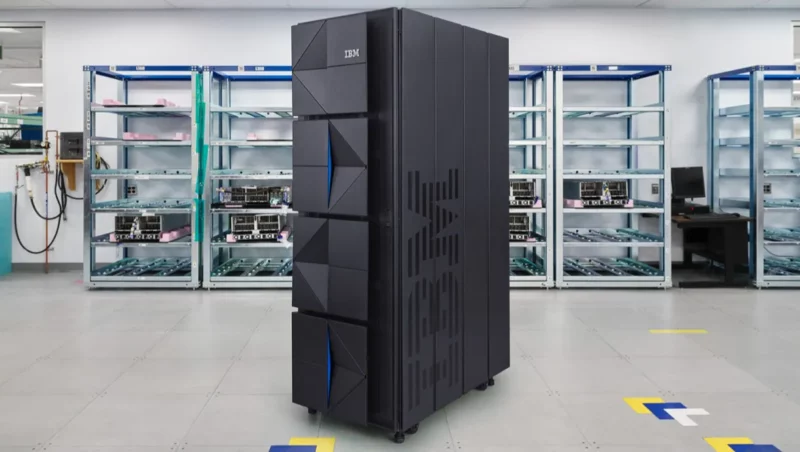
    A Z16 Mainframe.

    Enlarge / A Z16 Mainframe.

    Mainframe computers are often seen as ancient machines—practically dinosaurs. But mainframes, which are purpose-built to process enormous amounts of data, are still extremely relevant today. If they’re dinosaurs, they’re T-Rexes, and desktops and server computers are puny mammals to be trodden underfoot.

    It’s estimated that there are 10,000 mainframes in use today. They’re used almost exclusively by the largest companies in the world, including two-thirds of Fortune 500 companies, 45 of the world’s top 50 banks, eight of the top 10 insurers, seven of the top 10 global retailers, and eight of the top 10 telecommunications companies. And most of those mainframes come from IBM.

    In this explainer, we’ll look at the IBM mainframe computer—what it is, how it works, and why it’s still going strong after over 50 years.

    Read 70 remaining paragraphs | Comments

    • tagbiz & it tagbiz & it tagbiz & it tagfeatures tagfeatures tagfeatures tagtech tagtech tagtech tagbiz & it tagbiz & it tagbiz & it tagfeatures tagfeatures tagfeatures tagtech tagtech tagtech tagbiz & it tagbiz & it tagbiz & it tagfeatures tagfeatures tagfeatures tagtech tagtech tagtech

    • Ar chevron_right

      The IBM mainframe: How it runs and why it survives

      news.movim.eu / ArsTechnica • 24 July 2023

    A Z16 Mainframe.

    Enlarge / A Z16 Mainframe.

    Mainframe computers are often seen as ancient machines—practically dinosaurs. But mainframes, which are purpose-built to process enormous amounts of data, are still extremely relevant today. If they’re dinosaurs, they’re T-Rexes, and desktops and server computers are puny mammals to be trodden underfoot.

    It’s estimated that there are 10,000 mainframes in use today. They’re used almost exclusively by the largest companies in the world, including two-thirds of Fortune 500 companies, 45 of the world’s top 50 banks, eight of the top 10 insurers, seven of the top 10 global retailers, and eight of the top 10 telecommunications companies. And most of those mainframes come from IBM.

    In this explainer, we’ll look at the IBM mainframe computer—what it is, how it works, and why it’s still going strong after over 50 years.

    Read 70 remaining paragraphs | Comments

    • tagbiz & it tagbiz & it tagbiz & it tagfeatures tagfeatures tagfeatures tagtech tagtech tagtech tagbiz & it tagbiz & it tagbiz & it tagfeatures tagfeatures tagfeatures tagtech tagtech tagtech tagbiz & it tagbiz & it tagbiz & it tagfeatures tagfeatures tagfeatures tagtech tagtech tagtech

    • Ar chevron_right

      The IBM mainframe: How it runs and why it survives

      news.movim.eu / ArsTechnica • 24 July 2023

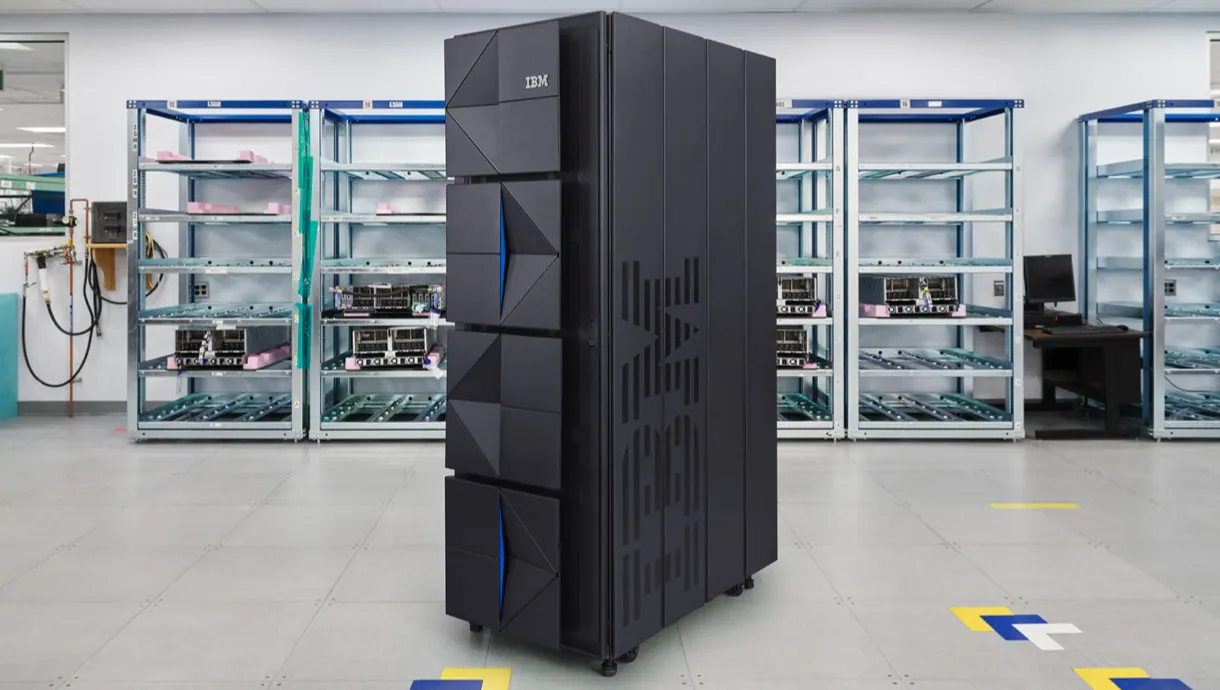
    A Z16 Mainframe.

    Enlarge / A Z16 Mainframe.

    Mainframe computers are often seen as ancient machines—practically dinosaurs. But mainframes, which are purpose-built to process enormous amounts of data, are still extremely relevant today. If they’re dinosaurs, they’re T-Rexes, and desktops and server computers are puny mammals to be trodden underfoot.

    It’s estimated that there are 10,000 mainframes in use today. They’re used almost exclusively by the largest companies in the world, including two-thirds of Fortune 500 companies, 45 of the world’s top 50 banks, eight of the top 10 insurers, seven of the top 10 global retailers, and eight of the top 10 telecommunications companies. And most of those mainframes come from IBM.

    In this explainer, we’ll look at the IBM mainframe computer—what it is, how it works, and why it’s still going strong after over 50 years.

    Read 70 remaining paragraphs | Comments

    • tagbiz & it tagbiz & it tagbiz & it tagfeatures tagfeatures tagfeatures tagtech tagtech tagtech tagbiz & it tagbiz & it tagbiz & it tagfeatures tagfeatures tagfeatures tagtech tagtech tagtech tagbiz & it tagbiz & it tagbiz & it tagfeatures tagfeatures tagfeatures tagtech tagtech tagtech

    • Ar chevron_right

      Understanding the octopus and its relationships with humans

      news.movim.eu / ArsTechnica • 23 July 2023

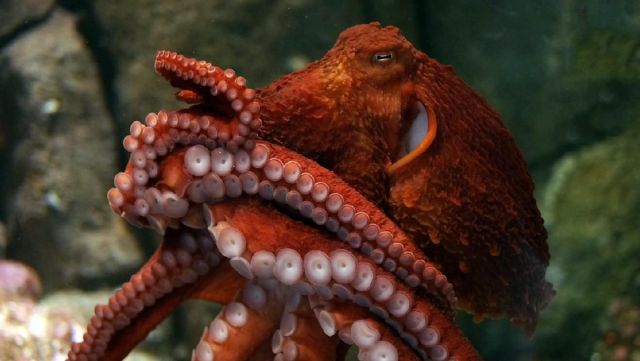
    A giant Pacific octopus shows its colors at the Monterey Bay Aquarium.

    A giant Pacific octopus shows its colors at the Monterey Bay Aquarium. (credit: Monterey Bay Aquarium)

    While other octopus books study the animal's behavior in aquaria or tropical waters worldwide, Dr. David Scheel, a professor of Marine Biology at Alaska Pacific University, takes a unique approach in his first book , Many Things Under a Rock. He travels to extreme places in the Pacific Northwest where one may not expect these creatures to live, but they have for approximately 330 million years

    “I think it is a little surprising to some people that octopuses live in cold water,” Scheel told Ars. “It might be because we're used to seeing them in aquariums, and we think of aquariums as tropical locations, although you can run cold water aquariums as well.”

    Personal experience

    In Many Things Under a Rock, Scheel regales the reader with anecdotes of his time researching cephalopods in Alaska and Canada. From yearly tracking of octopus dens to discovering new octopus “cities,” Scheel’s chapters give engaging and informative stories on marine biology. Between these chapters are Indigenous stories about octopuses in the Pacific Northwest, revealing their influence on the area's native tribes.

    Read 9 remaining paragraphs | Comments

    • tagscience tagscience tagscience tagars shopping tagars shopping tagars shopping tagbiology tagbiology tagbiology tagcephalopods tagcephalopods tagcephalopods tagculture tagculture tagculture tagoctopus tagoctopus tagoctopus tagscience tagscience tagscience tagars shopping tagars shopping tagars shopping tagbiology tagbiology tagbiology tagcephalopods tagcephalopods tagcephalopods tagculture tagculture tagculture tagoctopus tagoctopus tagoctopus tagscience tagscience tagscience tagars shopping tagars shopping tagars shopping tagbiology tagbiology tagbiology tagcephalopods tagcephalopods tagcephalopods tagculture tagculture tagculture tagoctopus tagoctopus tagoctopus

    • Ar chevron_right

      Understanding the octopus and its relationships with humans

      news.movim.eu / ArsTechnica • 23 July 2023

    A giant Pacific octopus shows its colors at the Monterey Bay Aquarium.

    A giant Pacific octopus shows its colors at the Monterey Bay Aquarium. (credit: Monterey Bay Aquarium)

    While other octopus books study the animal's behavior in aquaria or tropical waters worldwide, Dr. David Scheel, a professor of Marine Biology at Alaska Pacific University, takes a unique approach in his first book , Many Things Under a Rock. He travels to extreme places in the Pacific Northwest where one may not expect these creatures to live, but they have for approximately 330 million years

    “I think it is a little surprising to some people that octopuses live in cold water,” Scheel told Ars. “It might be because we're used to seeing them in aquariums, and we think of aquariums as tropical locations, although you can run cold water aquariums as well.”

    Personal experience

    In Many Things Under a Rock, Scheel regales the reader with anecdotes of his time researching cephalopods in Alaska and Canada. From yearly tracking of octopus dens to discovering new octopus “cities,” Scheel’s chapters give engaging and informative stories on marine biology. Between these chapters are Indigenous stories about octopuses in the Pacific Northwest, revealing their influence on the area's native tribes.

    Read 9 remaining paragraphs | Comments

    • tagscience tagscience tagscience tagars shopping tagars shopping tagars shopping tagbiology tagbiology tagbiology tagcephalopods tagcephalopods tagcephalopods tagculture tagculture tagculture tagoctopus tagoctopus tagoctopus tagscience tagscience tagscience tagars shopping tagars shopping tagars shopping tagbiology tagbiology tagbiology tagcephalopods tagcephalopods tagcephalopods tagculture tagculture tagculture tagoctopus tagoctopus tagoctopus tagscience tagscience tagscience tagars shopping tagars shopping tagars shopping tagbiology tagbiology tagbiology tagcephalopods tagcephalopods tagcephalopods tagculture tagculture tagculture tagoctopus tagoctopus tagoctopus

    • Ar chevron_right

      Understanding the octopus and its relationships with humans

      news.movim.eu / ArsTechnica • 23 July 2023

    A giant Pacific octopus shows its colors at the Monterey Bay Aquarium.

    A giant Pacific octopus shows its colors at the Monterey Bay Aquarium. (credit: Monterey Bay Aquarium)

    While other octopus books study the animal's behavior in aquaria or tropical waters worldwide, Dr. David Scheel, a professor of Marine Biology at Alaska Pacific University, takes a unique approach in his first book , Many Things Under a Rock. He travels to extreme places in the Pacific Northwest where one may not expect these creatures to live, but they have for approximately 330 million years

    “I think it is a little surprising to some people that octopuses live in cold water,” Scheel told Ars. “It might be because we're used to seeing them in aquariums, and we think of aquariums as tropical locations, although you can run cold water aquariums as well.”

    Personal experience

    In Many Things Under a Rock, Scheel regales the reader with anecdotes of his time researching cephalopods in Alaska and Canada. From yearly tracking of octopus dens to discovering new octopus “cities,” Scheel’s chapters give engaging and informative stories on marine biology. Between these chapters are Indigenous stories about octopuses in the Pacific Northwest, revealing their influence on the area's native tribes.

    Read 9 remaining paragraphs | Comments

    • tagscience tagscience tagscience tagars shopping tagars shopping tagars shopping tagbiology tagbiology tagbiology tagcephalopods tagcephalopods tagcephalopods tagculture tagculture tagculture tagoctopus tagoctopus tagoctopus tagscience tagscience tagscience tagars shopping tagars shopping tagars shopping tagbiology tagbiology tagbiology tagcephalopods tagcephalopods tagcephalopods tagculture tagculture tagculture tagoctopus tagoctopus tagoctopus tagscience tagscience tagscience tagars shopping tagars shopping tagars shopping tagbiology tagbiology tagbiology tagcephalopods tagcephalopods tagcephalopods tagculture tagculture tagculture tagoctopus tagoctopus tagoctopus

  • history

    Get older posts

  • cloud_queue

    Powered by Movim