• progress_activity cloud_sync

    Reconnection to the server…

    Movim cannot talk with the server, please try again later


    • Public subscriptions

    • chevron_right

      coopr8

    • chevron_right

      gabagoo

    • chevron_right

      kenu_demon

    • chevron_right

      coopr8

    • chevron_right

      gabagoo

    • chevron_right

      kenu_demon

    • chevron_right

      coopr8

    • chevron_right

      gabagoo

    • chevron_right

      kenu_demon

  • Register Login

    Movim

    movim.chatterboxtown.us


  • group_work rss_feed
    add Follow

    ArsTechnica

    • Ar chevron_right

      Understanding the octopus and its relationships with humans

      news.movim.eu / ArsTechnica • 23 July 2023
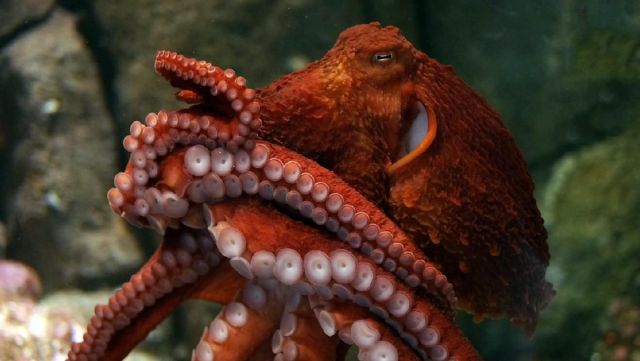
    A giant Pacific octopus shows its colors at the Monterey Bay Aquarium.

    A giant Pacific octopus shows its colors at the Monterey Bay Aquarium. (credit: Monterey Bay Aquarium)

    While other octopus books study the animal's behavior in aquaria or tropical waters worldwide, Dr. David Scheel, a professor of Marine Biology at Alaska Pacific University, takes a unique approach in his first book , Many Things Under a Rock. He travels to extreme places in the Pacific Northwest where one may not expect these creatures to live, but they have for approximately 330 million years

    “I think it is a little surprising to some people that octopuses live in cold water,” Scheel told Ars. “It might be because we're used to seeing them in aquariums, and we think of aquariums as tropical locations, although you can run cold water aquariums as well.”

    Personal experience

    In Many Things Under a Rock, Scheel regales the reader with anecdotes of his time researching cephalopods in Alaska and Canada. From yearly tracking of octopus dens to discovering new octopus “cities,” Scheel’s chapters give engaging and informative stories on marine biology. Between these chapters are Indigenous stories about octopuses in the Pacific Northwest, revealing their influence on the area's native tribes.

    Read 9 remaining paragraphs | Comments

    • tagscience tagscience tagscience tagars shopping tagars shopping tagars shopping tagbiology tagbiology tagbiology tagcephalopods tagcephalopods tagcephalopods tagculture tagculture tagculture tagoctopus tagoctopus tagoctopus tagscience tagscience tagscience tagars shopping tagars shopping tagars shopping tagbiology tagbiology tagbiology tagcephalopods tagcephalopods tagcephalopods tagculture tagculture tagculture tagoctopus tagoctopus tagoctopus tagscience tagscience tagscience tagars shopping tagars shopping tagars shopping tagbiology tagbiology tagbiology tagcephalopods tagcephalopods tagcephalopods tagculture tagculture tagculture tagoctopus tagoctopus tagoctopus

    • Ar chevron_right

      Understanding the octopus and its relationships with humans

      news.movim.eu / ArsTechnica • 23 July 2023

    A giant Pacific octopus shows its colors at the Monterey Bay Aquarium.

    A giant Pacific octopus shows its colors at the Monterey Bay Aquarium. (credit: Monterey Bay Aquarium)

    While other octopus books study the animal's behavior in aquaria or tropical waters worldwide, Dr. David Scheel, a professor of Marine Biology at Alaska Pacific University, takes a unique approach in his first book , Many Things Under a Rock. He travels to extreme places in the Pacific Northwest where one may not expect these creatures to live, but they have for approximately 330 million years

    “I think it is a little surprising to some people that octopuses live in cold water,” Scheel told Ars. “It might be because we're used to seeing them in aquariums, and we think of aquariums as tropical locations, although you can run cold water aquariums as well.”

    Personal experience

    In Many Things Under a Rock, Scheel regales the reader with anecdotes of his time researching cephalopods in Alaska and Canada. From yearly tracking of octopus dens to discovering new octopus “cities,” Scheel’s chapters give engaging and informative stories on marine biology. Between these chapters are Indigenous stories about octopuses in the Pacific Northwest, revealing their influence on the area's native tribes.

    Read 9 remaining paragraphs | Comments

    • tagscience tagscience tagscience tagars shopping tagars shopping tagars shopping tagbiology tagbiology tagbiology tagcephalopods tagcephalopods tagcephalopods tagculture tagculture tagculture tagoctopus tagoctopus tagoctopus tagscience tagscience tagscience tagars shopping tagars shopping tagars shopping tagbiology tagbiology tagbiology tagcephalopods tagcephalopods tagcephalopods tagculture tagculture tagculture tagoctopus tagoctopus tagoctopus tagscience tagscience tagscience tagars shopping tagars shopping tagars shopping tagbiology tagbiology tagbiology tagcephalopods tagcephalopods tagcephalopods tagculture tagculture tagculture tagoctopus tagoctopus tagoctopus

    • Ar chevron_right

      Understanding the octopus and its relationships with humans

      news.movim.eu / ArsTechnica • 23 July 2023

    A giant Pacific octopus shows its colors at the Monterey Bay Aquarium.

    A giant Pacific octopus shows its colors at the Monterey Bay Aquarium. (credit: Monterey Bay Aquarium)

    While other octopus books study the animal's behavior in aquaria or tropical waters worldwide, Dr. David Scheel, a professor of Marine Biology at Alaska Pacific University, takes a unique approach in his first book , Many Things Under a Rock. He travels to extreme places in the Pacific Northwest where one may not expect these creatures to live, but they have for approximately 330 million years

    “I think it is a little surprising to some people that octopuses live in cold water,” Scheel told Ars. “It might be because we're used to seeing them in aquariums, and we think of aquariums as tropical locations, although you can run cold water aquariums as well.”

    Personal experience

    In Many Things Under a Rock, Scheel regales the reader with anecdotes of his time researching cephalopods in Alaska and Canada. From yearly tracking of octopus dens to discovering new octopus “cities,” Scheel’s chapters give engaging and informative stories on marine biology. Between these chapters are Indigenous stories about octopuses in the Pacific Northwest, revealing their influence on the area's native tribes.

    Read 9 remaining paragraphs | Comments

    • tagscience tagscience tagscience tagars shopping tagars shopping tagars shopping tagbiology tagbiology tagbiology tagcephalopods tagcephalopods tagcephalopods tagculture tagculture tagculture tagoctopus tagoctopus tagoctopus tagscience tagscience tagscience tagars shopping tagars shopping tagars shopping tagbiology tagbiology tagbiology tagcephalopods tagcephalopods tagcephalopods tagculture tagculture tagculture tagoctopus tagoctopus tagoctopus tagscience tagscience tagscience tagars shopping tagars shopping tagars shopping tagbiology tagbiology tagbiology tagcephalopods tagcephalopods tagcephalopods tagculture tagculture tagculture tagoctopus tagoctopus tagoctopus

  • cloud_queue

    Powered by Movim