• progress_activity cloud_sync

    Reconnection to the server…

    Movim cannot talk with the server, please try again later


    • Public subscriptions

    • chevron_right

      coopr8

    • chevron_right

      gabagoo

    • chevron_right

      kenu_demon

    • chevron_right

      coopr8

    • chevron_right

      gabagoo

    • chevron_right

      kenu_demon

    • chevron_right

      coopr8

    • chevron_right

      gabagoo

    • chevron_right

      kenu_demon

  • Register Login

    Movim

    movim.chatterboxtown.us


  • group_work rss_feed
    add Follow

    ArsTechnica

    • Ar chevron_right

      World’s heaviest commercial communications satellite will launch tonight

      news.movim.eu / ArsTechnica • 26 July 2023
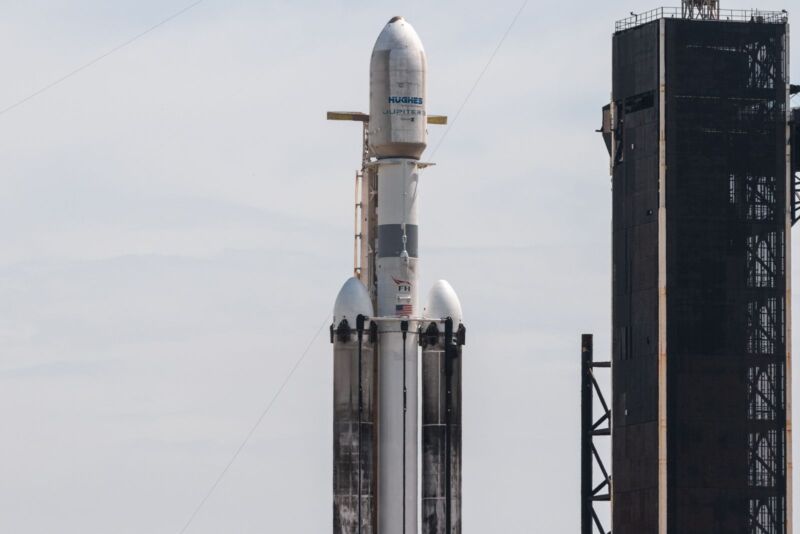
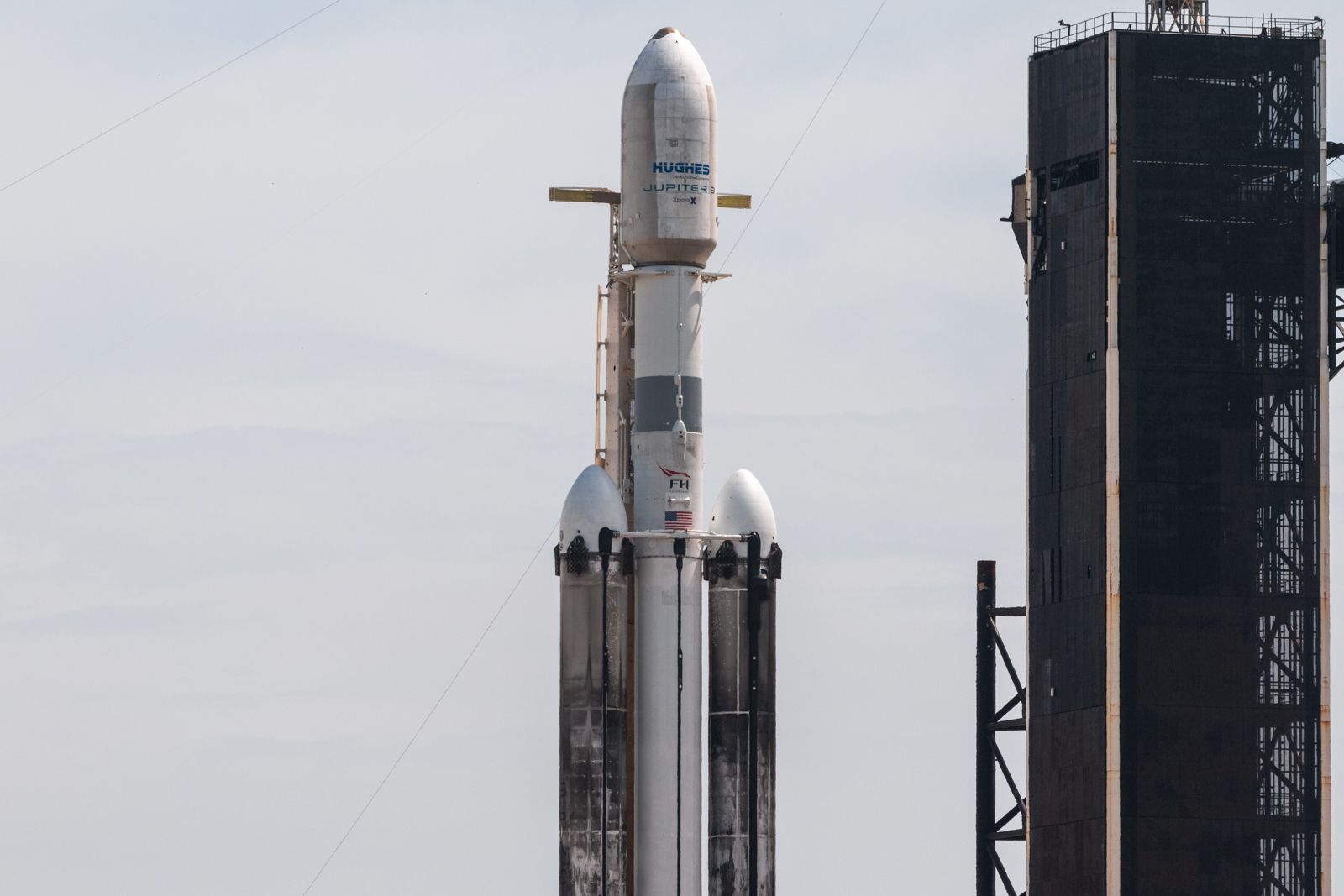
    SpaceX's Falcon Heavy rocket stands on Launch Complex 39A at NASA's Kennedy Space Center before the launch of the Jupiter 3 communications satellite.

    Enlarge / SpaceX's Falcon Heavy rocket stands on Launch Complex 39A at NASA's Kennedy Space Center before the launch of the Jupiter 3 communications satellite. (credit: Trevor Mahlmann/Ars Technica)

    The heaviest commercial communications satellite ever built is folded up for launch on top of a SpaceX Falcon Heavy rocket Wednesday night from NASA's Kennedy Space Center in Florida.

    This satellite, owned by EchoStar and built by Maxar, tips the scales at about 9.2 metric tons, or more than 20,000 pounds. SpaceX's Falcon Heavy will propel the spacecraft on its way toward an operating position in geostationary orbit more than 22,000 miles (nearly 36,000 kilometers) over the equator.

    The action will begin at 11:04 p.m. EDT (03:04 UTC) with the ignition of the Falcon Heavy's 27 main engines on Launch Complex 39A. A few moments later, the Falcon Heavy will climb away from its launch pad and head downrange toward the east from the Kennedy Space Center. You can watch SpaceX's live webcast below.
    Read 20 remaining paragraphs | Comments

    • tagspace tagspace tagspace tagbroadband tagbroadband tagbroadband tagcommercial space tagcommercial space tagcommercial space tagechostar tagechostar tagechostar tagfalcon heavy tagfalcon heavy tagfalcon heavy taghughesnet taghughesnet taghughesnet taginternet taginternet taginternet tagjupiter 3 tagjupiter 3 tagjupiter 3 tagmaxar tagmaxar tagmaxar tagspacex tagspacex tagspacex tagspace tagspace tagspace tagbroadband tagbroadband tagbroadband tagcommercial space tagcommercial space tagcommercial space tagechostar tagechostar tagechostar tagfalcon heavy tagfalcon heavy tagfalcon heavy taghughesnet taghughesnet taghughesnet taginternet taginternet taginternet tagjupiter 3 tagjupiter 3 tagjupiter 3 tagmaxar tagmaxar tagmaxar tagspacex tagspacex tagspacex tagspace tagspace tagspace tagbroadband tagbroadband tagbroadband tagcommercial space tagcommercial space tagcommercial space tagechostar tagechostar tagechostar tagfalcon heavy tagfalcon heavy tagfalcon heavy taghughesnet taghughesnet taghughesnet taginternet taginternet taginternet tagjupiter 3 tagjupiter 3 tagjupiter 3 tagmaxar tagmaxar tagmaxar tagspacex tagspacex tagspacex

    • Ar chevron_right

      World’s heaviest commercial communications satellite will launch tonight

      news.movim.eu / ArsTechnica • 26 July 2023

    SpaceX's Falcon Heavy rocket stands on Launch Complex 39A at NASA's Kennedy Space Center before the launch of the Jupiter 3 communications satellite.

    Enlarge / SpaceX's Falcon Heavy rocket stands on Launch Complex 39A at NASA's Kennedy Space Center before the launch of the Jupiter 3 communications satellite. (credit: Trevor Mahlmann/Ars Technica)

    The heaviest commercial communications satellite ever built is folded up for launch on top of a SpaceX Falcon Heavy rocket Wednesday night from NASA's Kennedy Space Center in Florida.

    This satellite, owned by EchoStar and built by Maxar, tips the scales at about 9.2 metric tons, or more than 20,000 pounds. SpaceX's Falcon Heavy will propel the spacecraft on its way toward an operating position in geostationary orbit more than 22,000 miles (nearly 36,000 kilometers) over the equator.

    The action will begin at 11:04 p.m. EDT (03:04 UTC) with the ignition of the Falcon Heavy's 27 main engines on Launch Complex 39A. A few moments later, the Falcon Heavy will climb away from its launch pad and head downrange toward the east from the Kennedy Space Center. You can watch SpaceX's live webcast below.
    Read 20 remaining paragraphs | Comments

    • tagspace tagspace tagspace tagbroadband tagbroadband tagbroadband tagcommercial space tagcommercial space tagcommercial space tagechostar tagechostar tagechostar tagfalcon heavy tagfalcon heavy tagfalcon heavy taghughesnet taghughesnet taghughesnet taginternet taginternet taginternet tagjupiter 3 tagjupiter 3 tagjupiter 3 tagmaxar tagmaxar tagmaxar tagspacex tagspacex tagspacex tagspace tagspace tagspace tagbroadband tagbroadband tagbroadband tagcommercial space tagcommercial space tagcommercial space tagechostar tagechostar tagechostar tagfalcon heavy tagfalcon heavy tagfalcon heavy taghughesnet taghughesnet taghughesnet taginternet taginternet taginternet tagjupiter 3 tagjupiter 3 tagjupiter 3 tagmaxar tagmaxar tagmaxar tagspacex tagspacex tagspacex tagspace tagspace tagspace tagbroadband tagbroadband tagbroadband tagcommercial space tagcommercial space tagcommercial space tagechostar tagechostar tagechostar tagfalcon heavy tagfalcon heavy tagfalcon heavy taghughesnet taghughesnet taghughesnet taginternet taginternet taginternet tagjupiter 3 tagjupiter 3 tagjupiter 3 tagmaxar tagmaxar tagmaxar tagspacex tagspacex tagspacex

    • Ar chevron_right

      World’s heaviest commercial communications satellite will launch tonight

      news.movim.eu / ArsTechnica • 26 July 2023

    SpaceX's Falcon Heavy rocket stands on Launch Complex 39A at NASA's Kennedy Space Center before the launch of the Jupiter 3 communications satellite.

    Enlarge / SpaceX's Falcon Heavy rocket stands on Launch Complex 39A at NASA's Kennedy Space Center before the launch of the Jupiter 3 communications satellite. (credit: Trevor Mahlmann/Ars Technica)

    The heaviest commercial communications satellite ever built is folded up for launch on top of a SpaceX Falcon Heavy rocket Wednesday night from NASA's Kennedy Space Center in Florida.

    This satellite, owned by EchoStar and built by Maxar, tips the scales at about 9.2 metric tons, or more than 20,000 pounds. SpaceX's Falcon Heavy will propel the spacecraft on its way toward an operating position in geostationary orbit more than 22,000 miles (nearly 36,000 kilometers) over the equator.

    The action will begin at 11:04 p.m. EDT (03:04 UTC) with the ignition of the Falcon Heavy's 27 main engines on Launch Complex 39A. A few moments later, the Falcon Heavy will climb away from its launch pad and head downrange toward the east from the Kennedy Space Center. You can watch SpaceX's live webcast below.
    Read 20 remaining paragraphs | Comments

    • tagspace tagspace tagspace tagbroadband tagbroadband tagbroadband tagcommercial space tagcommercial space tagcommercial space tagechostar tagechostar tagechostar tagfalcon heavy tagfalcon heavy tagfalcon heavy taghughesnet taghughesnet taghughesnet taginternet taginternet taginternet tagjupiter 3 tagjupiter 3 tagjupiter 3 tagmaxar tagmaxar tagmaxar tagspacex tagspacex tagspacex tagspace tagspace tagspace tagbroadband tagbroadband tagbroadband tagcommercial space tagcommercial space tagcommercial space tagechostar tagechostar tagechostar tagfalcon heavy tagfalcon heavy tagfalcon heavy taghughesnet taghughesnet taghughesnet taginternet taginternet taginternet tagjupiter 3 tagjupiter 3 tagjupiter 3 tagmaxar tagmaxar tagmaxar tagspacex tagspacex tagspacex tagspace tagspace tagspace tagbroadband tagbroadband tagbroadband tagcommercial space tagcommercial space tagcommercial space tagechostar tagechostar tagechostar tagfalcon heavy tagfalcon heavy tagfalcon heavy taghughesnet taghughesnet taghughesnet taginternet taginternet taginternet tagjupiter 3 tagjupiter 3 tagjupiter 3 tagmaxar tagmaxar tagmaxar tagspacex tagspacex tagspacex

    • Ar chevron_right

      The Namibian fairy circle debate rages on: Could it be sand termites after all?

      news.movim.eu / ArsTechnica • 26 July 2023 • 1 minute

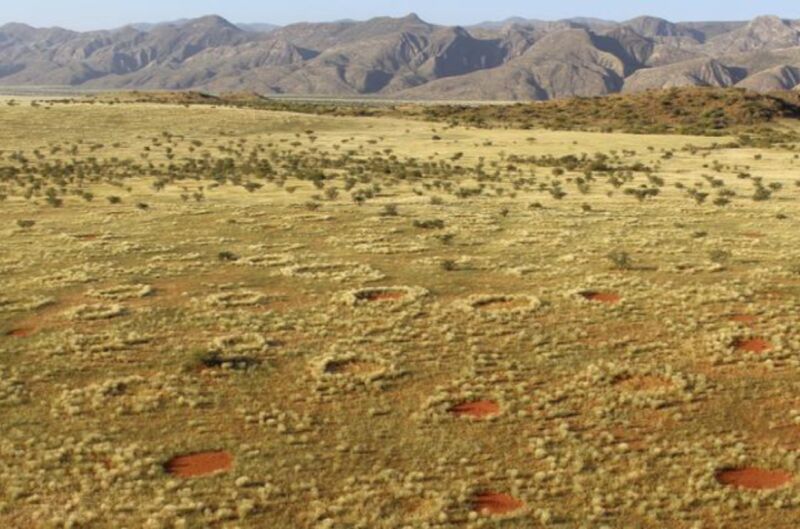
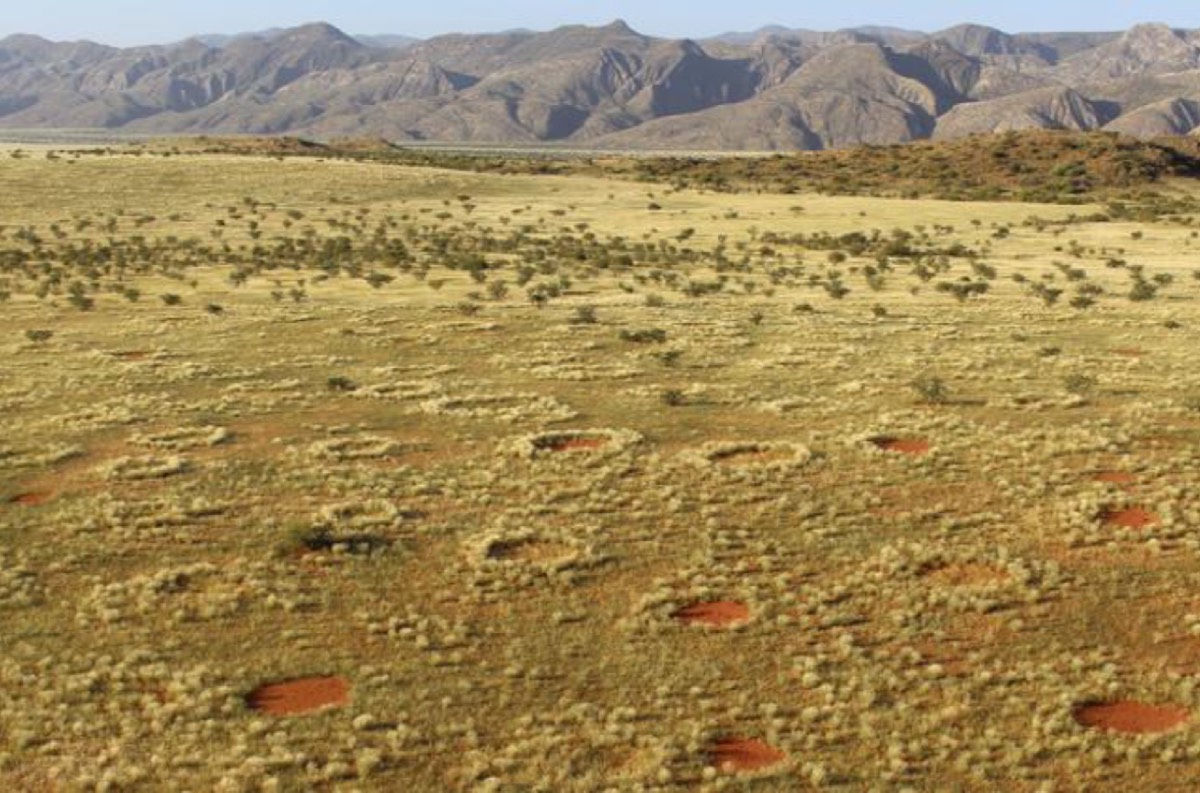
    Fairy circles in the Namib Desert.

    Enlarge / Bare, reddish-hued circular patches in the Namib Desert known as "fairy circles" are also found in northwestern Australia. (credit: UHH/MIN/Juergens)

    Himba bushmen in the Namibian grasslands have long passed down legends about the region's mysterious fairy circles: bare, reddish-hued circular patches that are also found in northwestern Australia. In the last 10 years, scientists have heatedly debated whether these unusual patterns are due to sand termites or to an ecological version of a self-organizing Turing mechanism. Last year, a team of scientists reported what they deemed definitive evidence of the latter, thus ruling out sand termites, but their declaration of victory may have been premature. A recent paper published in the journal Perspectives in Plant Ecology, Evolution, and Systematics offers a careful rebuttal of those 2022 findings, concluding that sand termites may be to blame after all.

    As we've reported previously, the fairy circles can be as large as several feet in diameter. Dubbed "footprints of the gods," it's often said they are the work of the Himba deity Mukuru , or an underground dragon whose poisonous breath kills anything growing inside those circles. Scientists have their own ideas.

    One theory—espoused by study co-author Norbert Jürgens, a biologist at the University of Hamburg in Germany—attributed the phenomenon to a particular species of termite ( Psammmotermes allocerus ), whose burrowing damages plant roots, resulting in extra rainwater seeping into the sandy soil before the plants can suck it up—giving the termites a handy water trap as a resource. As a result, the plants die back in a circle from the site of an insect nest. The circles expand in diameter during droughts because the termites must venture farther out for food.

    Read 8 remaining paragraphs | Comments

    • tagscience tagscience tagscience tagecology tagecology tagecology tagenvironment tagenvironment tagenvironment tagfairy circles tagfairy circles tagfairy circles tagphysics tagphysics tagphysics tagsand termites tagsand termites tagsand termites tagsoil hydrology tagsoil hydrology tagsoil hydrology tagturing patterns tagturing patterns tagturing patterns tagscience tagscience tagscience tagecology tagecology tagecology tagenvironment tagenvironment tagenvironment tagfairy circles tagfairy circles tagfairy circles tagphysics tagphysics tagphysics tagsand termites tagsand termites tagsand termites tagsoil hydrology tagsoil hydrology tagsoil hydrology tagturing patterns tagturing patterns tagturing patterns tagscience tagscience tagscience tagecology tagecology tagecology tagenvironment tagenvironment tagenvironment tagfairy circles tagfairy circles tagfairy circles tagphysics tagphysics tagphysics tagsand termites tagsand termites tagsand termites tagsoil hydrology tagsoil hydrology tagsoil hydrology tagturing patterns tagturing patterns tagturing patterns

    • Ar chevron_right

      The Namibian fairy circle debate rages on: Could it be sand termites after all?

      news.movim.eu / ArsTechnica • 26 July 2023 • 1 minute

    Fairy circles in the Namib Desert.

    Enlarge / Bare, reddish-hued circular patches in the Namib Desert known as "fairy circles" are also found in northwestern Australia. (credit: UHH/MIN/Juergens)

    Himba bushmen in the Namibian grasslands have long passed down legends about the region's mysterious fairy circles: bare, reddish-hued circular patches that are also found in northwestern Australia. In the last 10 years, scientists have heatedly debated whether these unusual patterns are due to sand termites or to an ecological version of a self-organizing Turing mechanism. Last year, a team of scientists reported what they deemed definitive evidence of the latter, thus ruling out sand termites, but their declaration of victory may have been premature. A recent paper published in the journal Perspectives in Plant Ecology, Evolution, and Systematics offers a careful rebuttal of those 2022 findings, concluding that sand termites may be to blame after all.

    As we've reported previously, the fairy circles can be as large as several feet in diameter. Dubbed "footprints of the gods," it's often said they are the work of the Himba deity Mukuru , or an underground dragon whose poisonous breath kills anything growing inside those circles. Scientists have their own ideas.

    One theory—espoused by study co-author Norbert Jürgens, a biologist at the University of Hamburg in Germany—attributed the phenomenon to a particular species of termite ( Psammmotermes allocerus ), whose burrowing damages plant roots, resulting in extra rainwater seeping into the sandy soil before the plants can suck it up—giving the termites a handy water trap as a resource. As a result, the plants die back in a circle from the site of an insect nest. The circles expand in diameter during droughts because the termites must venture farther out for food.

    Read 8 remaining paragraphs | Comments

    • tagscience tagscience tagscience tagecology tagecology tagecology tagenvironment tagenvironment tagenvironment tagfairy circles tagfairy circles tagfairy circles tagphysics tagphysics tagphysics tagsand termites tagsand termites tagsand termites tagsoil hydrology tagsoil hydrology tagsoil hydrology tagturing patterns tagturing patterns tagturing patterns tagscience tagscience tagscience tagecology tagecology tagecology tagenvironment tagenvironment tagenvironment tagfairy circles tagfairy circles tagfairy circles tagphysics tagphysics tagphysics tagsand termites tagsand termites tagsand termites tagsoil hydrology tagsoil hydrology tagsoil hydrology tagturing patterns tagturing patterns tagturing patterns tagscience tagscience tagscience tagecology tagecology tagecology tagenvironment tagenvironment tagenvironment tagfairy circles tagfairy circles tagfairy circles tagphysics tagphysics tagphysics tagsand termites tagsand termites tagsand termites tagsoil hydrology tagsoil hydrology tagsoil hydrology tagturing patterns tagturing patterns tagturing patterns

    • Ar chevron_right

      The Namibian fairy circle debate rages on: Could it be sand termites after all?

      news.movim.eu / ArsTechnica • 26 July 2023 • 1 minute

    Fairy circles in the Namib Desert.

    Enlarge / Bare, reddish-hued circular patches in the Namib Desert known as "fairy circles" are also found in northwestern Australia. (credit: UHH/MIN/Juergens)

    Himba bushmen in the Namibian grasslands have long passed down legends about the region's mysterious fairy circles: bare, reddish-hued circular patches that are also found in northwestern Australia. In the last 10 years, scientists have heatedly debated whether these unusual patterns are due to sand termites or to an ecological version of a self-organizing Turing mechanism. Last year, a team of scientists reported what they deemed definitive evidence of the latter, thus ruling out sand termites, but their declaration of victory may have been premature. A recent paper published in the journal Perspectives in Plant Ecology, Evolution, and Systematics offers a careful rebuttal of those 2022 findings, concluding that sand termites may be to blame after all.

    As we've reported previously, the fairy circles can be as large as several feet in diameter. Dubbed "footprints of the gods," it's often said they are the work of the Himba deity Mukuru , or an underground dragon whose poisonous breath kills anything growing inside those circles. Scientists have their own ideas.

    One theory—espoused by study co-author Norbert Jürgens, a biologist at the University of Hamburg in Germany—attributed the phenomenon to a particular species of termite ( Psammmotermes allocerus ), whose burrowing damages plant roots, resulting in extra rainwater seeping into the sandy soil before the plants can suck it up—giving the termites a handy water trap as a resource. As a result, the plants die back in a circle from the site of an insect nest. The circles expand in diameter during droughts because the termites must venture farther out for food.

    Read 8 remaining paragraphs | Comments

    • tagscience tagscience tagscience tagecology tagecology tagecology tagenvironment tagenvironment tagenvironment tagfairy circles tagfairy circles tagfairy circles tagphysics tagphysics tagphysics tagsand termites tagsand termites tagsand termites tagsoil hydrology tagsoil hydrology tagsoil hydrology tagturing patterns tagturing patterns tagturing patterns tagscience tagscience tagscience tagecology tagecology tagecology tagenvironment tagenvironment tagenvironment tagfairy circles tagfairy circles tagfairy circles tagphysics tagphysics tagphysics tagsand termites tagsand termites tagsand termites tagsoil hydrology tagsoil hydrology tagsoil hydrology tagturing patterns tagturing patterns tagturing patterns tagscience tagscience tagscience tagecology tagecology tagecology tagenvironment tagenvironment tagenvironment tagfairy circles tagfairy circles tagfairy circles tagphysics tagphysics tagphysics tagsand termites tagsand termites tagsand termites tagsoil hydrology tagsoil hydrology tagsoil hydrology tagturing patterns tagturing patterns tagturing patterns

    • Ar chevron_right

      The US government is taking a serious step toward space-based nuclear propulsion

      news.movim.eu / ArsTechnica • 26 July 2023

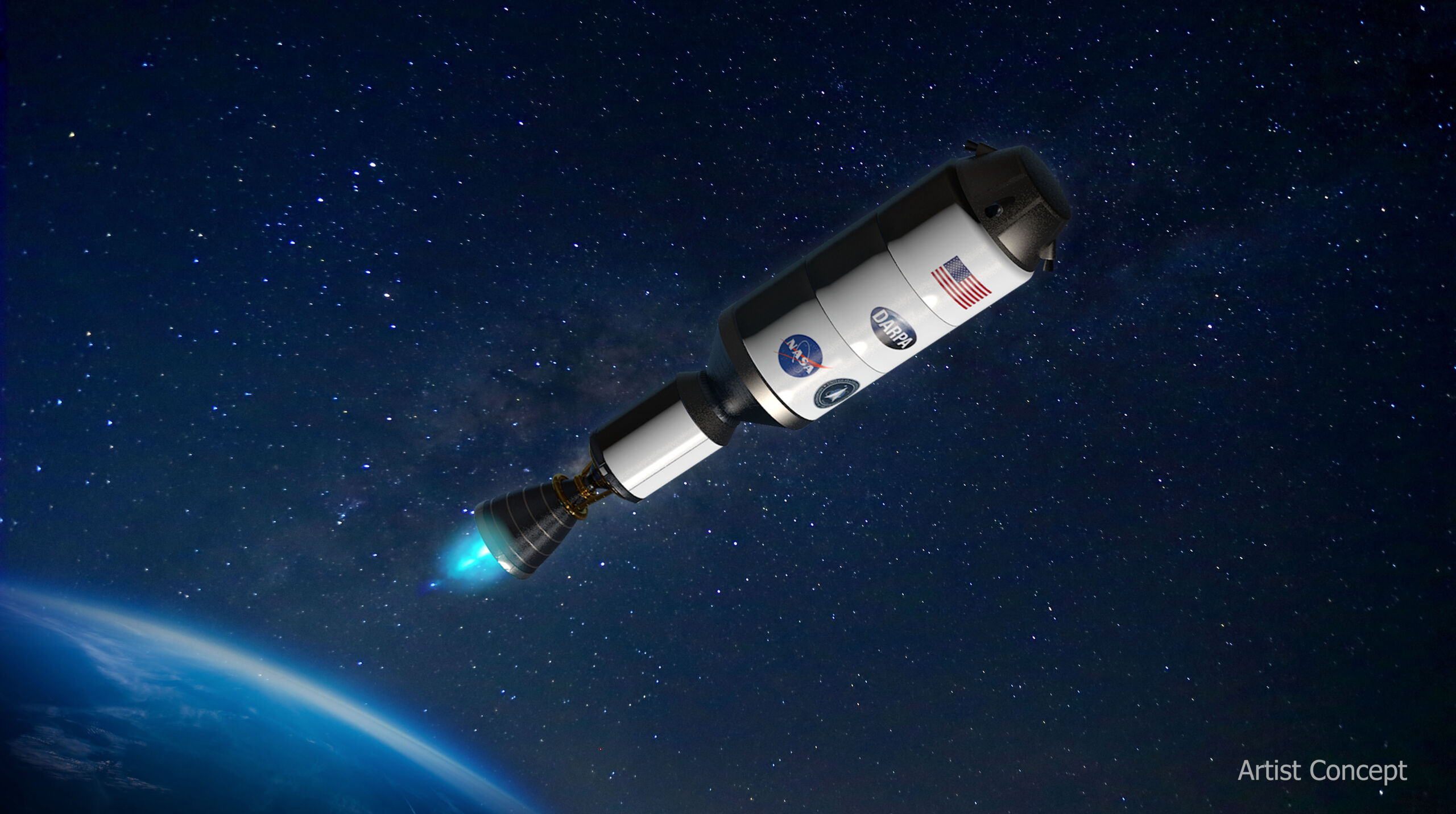
    Artist concept of Demonstration for Rocket to Agile Cislunar Operations (DRACO) spacecraft, which will demonstrate a nuclear thermal rocket engine.

    Enlarge / Artist concept of Demonstration for Rocket to Agile Cislunar Operations (DRACO) spacecraft, which will demonstrate a nuclear thermal rocket engine. (credit: DARPA)

    Four years from now, if all goes well, a nuclear-powered rocket engine will launch into space for the first time. The rocket itself will be conventional, but the payload boosted into orbit will be a different matter.

    NASA announced Wednesday that it is partnering with the US Department of Defense to launch a nuclear-powered rocket engine into space as early as 2027. The US space agency will invest about $300 million in the project to develop a next-generation propulsion system for in-space transportation.

    "NASA is looking to go to Mars with this system," said Anthony Calomino, an engineer at NASA who is leading the agency's space nuclear propulsion technology program. "And in this test is really going to give us that foundation."

    Read 16 remaining paragraphs | Comments

    • tagscience tagscience tagscience tagspace tagspace tagspace tagnasa tagnasa tagnasa tagnuclear thermal propulsion tagnuclear thermal propulsion tagnuclear thermal propulsion tagscience tagscience tagscience tagspace tagspace tagspace tagnasa tagnasa tagnasa tagnuclear thermal propulsion tagnuclear thermal propulsion tagnuclear thermal propulsion tagscience tagscience tagscience tagspace tagspace tagspace tagnasa tagnasa tagnasa tagnuclear thermal propulsion tagnuclear thermal propulsion tagnuclear thermal propulsion

    • Ar chevron_right

      The US government is taking a serious step toward space-based nuclear propulsion

      news.movim.eu / ArsTechnica • 26 July 2023

    Artist concept of Demonstration for Rocket to Agile Cislunar Operations (DRACO) spacecraft, which will demonstrate a nuclear thermal rocket engine.

    Enlarge / Artist concept of Demonstration for Rocket to Agile Cislunar Operations (DRACO) spacecraft, which will demonstrate a nuclear thermal rocket engine. (credit: DARPA)

    Four years from now, if all goes well, a nuclear-powered rocket engine will launch into space for the first time. The rocket itself will be conventional, but the payload boosted into orbit will be a different matter.

    NASA announced Wednesday that it is partnering with the US Department of Defense to launch a nuclear-powered rocket engine into space as early as 2027. The US space agency will invest about $300 million in the project to develop a next-generation propulsion system for in-space transportation.

    "NASA is looking to go to Mars with this system," said Anthony Calomino, an engineer at NASA who is leading the agency's space nuclear propulsion technology program. "And in this test is really going to give us that foundation."

    Read 16 remaining paragraphs | Comments

    • tagscience tagscience tagscience tagspace tagspace tagspace tagnasa tagnasa tagnasa tagnuclear thermal propulsion tagnuclear thermal propulsion tagnuclear thermal propulsion tagscience tagscience tagscience tagspace tagspace tagspace tagnasa tagnasa tagnasa tagnuclear thermal propulsion tagnuclear thermal propulsion tagnuclear thermal propulsion tagscience tagscience tagscience tagspace tagspace tagspace tagnasa tagnasa tagnasa tagnuclear thermal propulsion tagnuclear thermal propulsion tagnuclear thermal propulsion

    • Ar chevron_right

      The US government is taking a serious step toward space-based nuclear propulsion

      news.movim.eu / ArsTechnica • 26 July 2023

    Artist concept of Demonstration for Rocket to Agile Cislunar Operations (DRACO) spacecraft, which will demonstrate a nuclear thermal rocket engine.

    Enlarge / Artist concept of Demonstration for Rocket to Agile Cislunar Operations (DRACO) spacecraft, which will demonstrate a nuclear thermal rocket engine. (credit: DARPA)

    Four years from now, if all goes well, a nuclear-powered rocket engine will launch into space for the first time. The rocket itself will be conventional, but the payload boosted into orbit will be a different matter.

    NASA announced Wednesday that it is partnering with the US Department of Defense to launch a nuclear-powered rocket engine into space as early as 2027. The US space agency will invest about $300 million in the project to develop a next-generation propulsion system for in-space transportation.

    "NASA is looking to go to Mars with this system," said Anthony Calomino, an engineer at NASA who is leading the agency's space nuclear propulsion technology program. "And in this test is really going to give us that foundation."

    Read 16 remaining paragraphs | Comments

    • tagscience tagscience tagscience tagspace tagspace tagspace tagnasa tagnasa tagnasa tagnuclear thermal propulsion tagnuclear thermal propulsion tagnuclear thermal propulsion tagscience tagscience tagscience tagspace tagspace tagspace tagnasa tagnasa tagnasa tagnuclear thermal propulsion tagnuclear thermal propulsion tagnuclear thermal propulsion tagscience tagscience tagscience tagspace tagspace tagspace tagnasa tagnasa tagnasa tagnuclear thermal propulsion tagnuclear thermal propulsion tagnuclear thermal propulsion

  • history

    Get older posts

  • cloud_queue

    Powered by Movim