• progress_activity cloud_sync

    Reconnection to the server…

    Movim cannot talk with the server, please try again later


    • Public subscriptions

    • chevron_right

      coopr8

    • chevron_right

      gabagoo

    • chevron_right

      kenu_demon

    • chevron_right

      coopr8

    • chevron_right

      gabagoo

    • chevron_right

      kenu_demon

    • chevron_right

      coopr8

    • chevron_right

      gabagoo

    • chevron_right

      kenu_demon

  • Register Login

    Movim

    movim.chatterboxtown.us


  • group_work rss_feed
    add Follow

    ArsTechnica

    • Ar chevron_right

      Google says it will start downranking non-tablet apps in the Play Store

      news.movim.eu / ArsTechnica • 26 July 2023

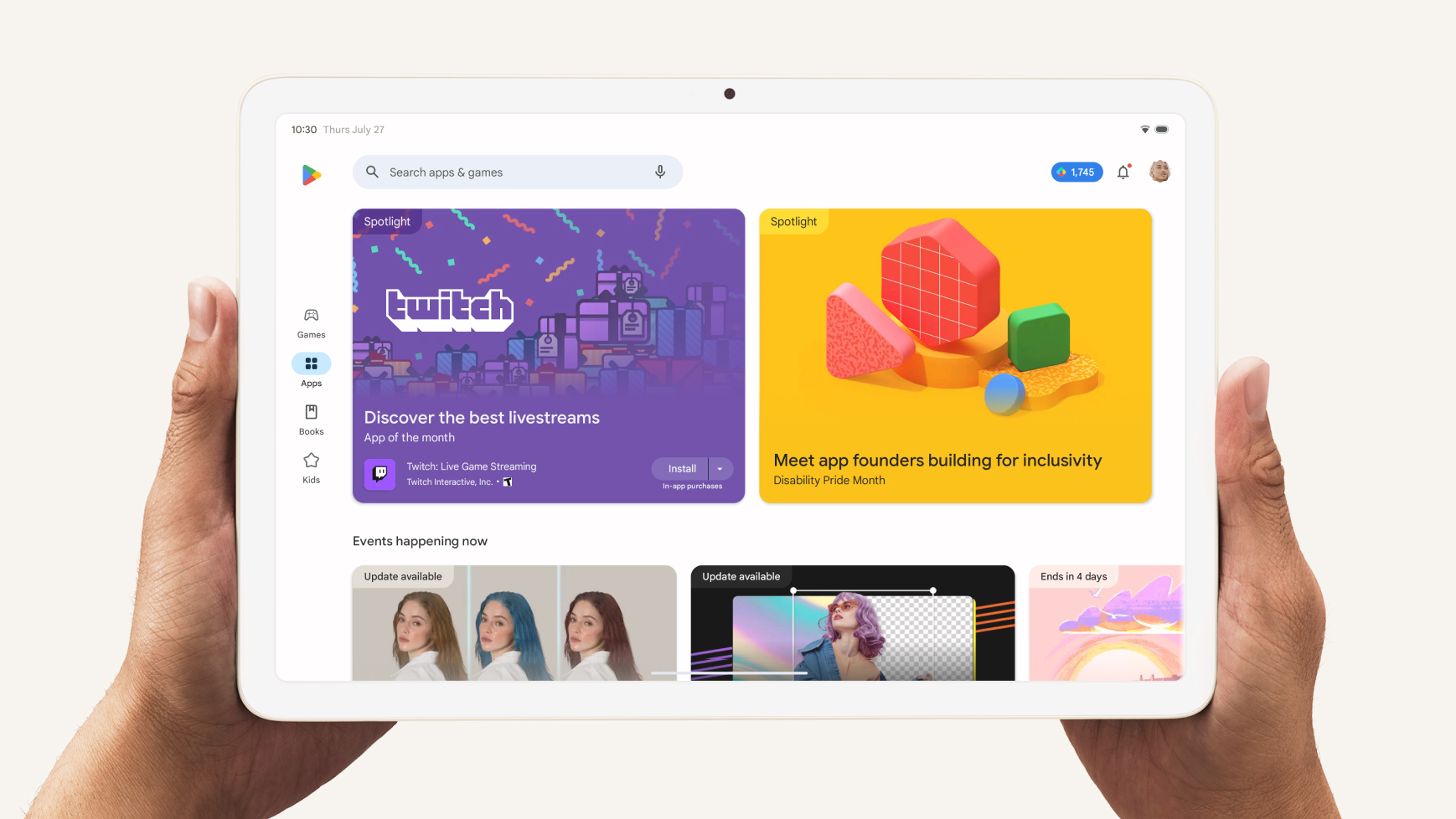
    The Play Store on tablets is mostly just two big thumbnails.

    Enlarge / The Play Store on tablets is mostly just two big thumbnails. (credit: Google)

    Following the release of the Pixel Tablet and Pixel Fold, Google wants developers to take big-screen apps more seriously. Asking nicely rarely works, so Google is changing the Play Store ranking algorithms to increase the visibility of apps that better support large screens.

    Google's blog post says:

    Apps and games that adhere to our large screen app quality guidelines will now be ranked higher in search and Apps and Games Home. This helps users find apps that resize well, aren't letterboxed, and support both portrait and landscape orientations. Editors’ Choice and other curated collections and articles will also consider these criteria going forward, creating new featuring opportunities for optimized apps.

    The large screen app guidelines have various tiers, but they recommend keyboard, mouse, and stylus support, a two-pane tablet layout, drag-and-drop support, and foldable display awareness. The post also reiterates some improvements that Google has already rolled out, like showing tablet screenshots to tablet users and downranking apps that crash a lot.

    Read 4 remaining paragraphs | Comments

    • tagtech tagtech tagtech taggoogle taggoogle taggoogle taggoogle play store taggoogle play store taggoogle play store tagtech tagtech tagtech taggoogle taggoogle taggoogle taggoogle play store taggoogle play store taggoogle play store tagtech tagtech tagtech taggoogle taggoogle taggoogle taggoogle play store taggoogle play store taggoogle play store

    • Ar chevron_right

      Google says it will start downranking non-tablet apps in the Play Store

      news.movim.eu / ArsTechnica • 26 July 2023

    The Play Store on tablets is mostly just two big thumbnails.

    Enlarge / The Play Store on tablets is mostly just two big thumbnails. (credit: Google)

    Following the release of the Pixel Tablet and Pixel Fold, Google wants developers to take big-screen apps more seriously. Asking nicely rarely works, so Google is changing the Play Store ranking algorithms to increase the visibility of apps that better support large screens.

    Google's blog post says:

    Apps and games that adhere to our large screen app quality guidelines will now be ranked higher in search and Apps and Games Home. This helps users find apps that resize well, aren't letterboxed, and support both portrait and landscape orientations. Editors’ Choice and other curated collections and articles will also consider these criteria going forward, creating new featuring opportunities for optimized apps.

    The large screen app guidelines have various tiers, but they recommend keyboard, mouse, and stylus support, a two-pane tablet layout, drag-and-drop support, and foldable display awareness. The post also reiterates some improvements that Google has already rolled out, like showing tablet screenshots to tablet users and downranking apps that crash a lot.
    Read 4 remaining paragraphs | Comments

    • tagtech tagtech tagtech taggoogle taggoogle taggoogle taggoogle play store taggoogle play store taggoogle play store tagtech tagtech tagtech taggoogle taggoogle taggoogle taggoogle play store taggoogle play store taggoogle play store tagtech tagtech tagtech taggoogle taggoogle taggoogle taggoogle play store taggoogle play store taggoogle play store

    • Ar chevron_right

      Google says it will start downranking non-tablet apps in the Play Store

      news.movim.eu / ArsTechnica • 26 July 2023

    The Play Store on tablets is mostly just two big thumbnails.

    Enlarge / The Play Store on tablets is mostly just two big thumbnails. (credit: Google)

    Following the release of the Pixel Tablet and Pixel Fold, Google wants developers to take big-screen apps more seriously. Asking nicely rarely works, so Google is changing the Play Store ranking algorithms to increase the visibility of apps that better support large screens.

    Google's blog post says:

    Apps and games that adhere to our large screen app quality guidelines will now be ranked higher in search and Apps and Games Home. This helps users find apps that resize well, aren't letterboxed, and support both portrait and landscape orientations. Editors’ Choice and other curated collections and articles will also consider these criteria going forward, creating new featuring opportunities for optimized apps.

    The large screen app guidelines have various tiers, but they recommend keyboard, mouse, and stylus support, a two-pane tablet layout, drag-and-drop support, and foldable display awareness. The post also reiterates some improvements that Google has already rolled out, like showing tablet screenshots to tablet users and downranking apps that crash a lot.

    Read 4 remaining paragraphs | Comments

    • tagtech tagtech tagtech taggoogle taggoogle taggoogle taggoogle play store taggoogle play store taggoogle play store tagtech tagtech tagtech taggoogle taggoogle taggoogle taggoogle play store taggoogle play store taggoogle play store tagtech tagtech tagtech taggoogle taggoogle taggoogle taggoogle play store taggoogle play store taggoogle play store

    • Ar chevron_right

      OpenAI discontinues its AI writing detector due to “low rate of accuracy”

      news.movim.eu / ArsTechnica • 26 July 2023 • 1 minute

    An AI-generated image of a slot machine in a desert.

    Enlarge / An AI-generated image of a slot machine in a desert. (credit: Midjourney)

    On Thursday, OpenAI quietly pulled its AI Classifier, an experimental tool designed to detect AI-written text. The decommissioning, first noticed by Decrypt, occurred with no major fanfare and was announced through a small note added to OpenAI's official AI Classifier webpage :

    As of July 20, 2023, the AI classifier is no longer available due to its low rate of accuracy. We are working to incorporate feedback and are currently researching more effective provenance techniques for text, and have made a commitment to develop and deploy mechanisms that enable users to understand if audio or visual content is AI-generated.

    Released on January 31 amid clamor from educators about students potentially using ChatGPT to write essays and schoolwork, OpenAI's AI Classifier always felt like a performative Band-Aid on a deep wound. From the beginning, OpenAI admitted that its AI Classifier was not "fully reliable," correctly identifying only 26 percent of AI-written text as "likely AI-written" and incorrectly labeling human-written works 9 percent of the time.

    As we've pointed out on Ars, AI writing detectors such as OpenAI's AI Classifier, Turnitin, and GPTZero simply don't work with enough accuracy to rely on them for trustworthy results. The methodology behind how they work is speculative and unproven, and the tools are currently routinely used to falsely accuse students of cheating.

    Read 5 remaining paragraphs | Comments

    • tagai tagai tagai tagbiz & it tagbiz & it tagbiz & it tagtech tagtech tagtech tagai classifier tagai classifier tagai classifier tagai detectors tagai detectors tagai detectors tagai ethics tagai ethics tagai ethics tagchatgpt tagchatgpt tagchatgpt tagdaniel jeffries tagdaniel jeffries tagdaniel jeffries taggptzero taggptzero taggptzero tagmachine learning tagmachine learning tagmachine learning tagopenai tagopenai tagopenai tagwatermarks tagwatermarks tagwatermarks tagai tagai tagai tagbiz & it tagbiz & it tagbiz & it tagtech tagtech tagtech tagai classifier tagai classifier tagai classifier tagai detectors tagai detectors tagai detectors tagai ethics tagai ethics tagai ethics tagchatgpt tagchatgpt tagchatgpt tagdaniel jeffries tagdaniel jeffries tagdaniel jeffries taggptzero taggptzero taggptzero tagmachine learning tagmachine learning tagmachine learning tagopenai tagopenai tagopenai tagwatermarks tagwatermarks tagwatermarks tagai tagai tagai tagbiz & it tagbiz & it tagbiz & it tagtech tagtech tagtech tagai classifier tagai classifier tagai classifier tagai detectors tagai detectors tagai detectors tagai ethics tagai ethics tagai ethics tagchatgpt tagchatgpt tagchatgpt tagdaniel jeffries tagdaniel jeffries tagdaniel jeffries taggptzero taggptzero taggptzero tagmachine learning tagmachine learning tagmachine learning tagopenai tagopenai tagopenai tagwatermarks tagwatermarks tagwatermarks

    • Ar chevron_right

      OpenAI discontinues its AI writing detector due to “low rate of accuracy”

      news.movim.eu / ArsTechnica • 26 July 2023 • 1 minute

    An AI-generated image of a slot machine in a desert.

    Enlarge / An AI-generated image of a slot machine in a desert. (credit: Midjourney)

    On Thursday, OpenAI quietly pulled its AI Classifier, an experimental tool designed to detect AI-written text. The decommissioning, first noticed by Decrypt, occurred with no major fanfare and was announced through a small note added to OpenAI's official AI Classifier webpage :

    As of July 20, 2023, the AI classifier is no longer available due to its low rate of accuracy. We are working to incorporate feedback and are currently researching more effective provenance techniques for text, and have made a commitment to develop and deploy mechanisms that enable users to understand if audio or visual content is AI-generated.

    Released on January 31 amid clamor from educators about students potentially using ChatGPT to write essays and schoolwork, OpenAI's AI Classifier always felt like a performative Band-Aid on a deep wound. From the beginning, OpenAI admitted that its AI Classifier was not "fully reliable," correctly identifying only 26 percent of AI-written text as "likely AI-written" and incorrectly labeling human-written works 9 percent of the time.

    As we've pointed out on Ars, AI writing detectors such as OpenAI's AI Classifier, Turnitin, and GPTZero simply don't work with enough accuracy to rely on them for trustworthy results. The methodology behind how they work is speculative and unproven, and the tools are currently routinely used to falsely accuse students of cheating.

    Read 5 remaining paragraphs | Comments

    • tagai tagai tagai tagbiz & it tagbiz & it tagbiz & it tagtech tagtech tagtech tagai classifier tagai classifier tagai classifier tagai detectors tagai detectors tagai detectors tagai ethics tagai ethics tagai ethics tagchatgpt tagchatgpt tagchatgpt tagdaniel jeffries tagdaniel jeffries tagdaniel jeffries taggptzero taggptzero taggptzero tagmachine learning tagmachine learning tagmachine learning tagopenai tagopenai tagopenai tagwatermarks tagwatermarks tagwatermarks tagai tagai tagai tagbiz & it tagbiz & it tagbiz & it tagtech tagtech tagtech tagai classifier tagai classifier tagai classifier tagai detectors tagai detectors tagai detectors tagai ethics tagai ethics tagai ethics tagchatgpt tagchatgpt tagchatgpt tagdaniel jeffries tagdaniel jeffries tagdaniel jeffries taggptzero taggptzero taggptzero tagmachine learning tagmachine learning tagmachine learning tagopenai tagopenai tagopenai tagwatermarks tagwatermarks tagwatermarks tagai tagai tagai tagbiz & it tagbiz & it tagbiz & it tagtech tagtech tagtech tagai classifier tagai classifier tagai classifier tagai detectors tagai detectors tagai detectors tagai ethics tagai ethics tagai ethics tagchatgpt tagchatgpt tagchatgpt tagdaniel jeffries tagdaniel jeffries tagdaniel jeffries taggptzero taggptzero taggptzero tagmachine learning tagmachine learning tagmachine learning tagopenai tagopenai tagopenai tagwatermarks tagwatermarks tagwatermarks

    • Ar chevron_right

      OpenAI discontinues its AI writing detector due to “low rate of accuracy”

      news.movim.eu / ArsTechnica • 26 July 2023 • 1 minute

    An AI-generated image of a slot machine in a desert.

    Enlarge / An AI-generated image of a slot machine in a desert. (credit: Midjourney)

    On Thursday, OpenAI quietly pulled its AI Classifier, an experimental tool designed to detect AI-written text. The decommissioning, first noticed by Decrypt, occurred with no major fanfare and was announced through a small note added to OpenAI's official AI Classifier webpage :

    As of July 20, 2023, the AI classifier is no longer available due to its low rate of accuracy. We are working to incorporate feedback and are currently researching more effective provenance techniques for text, and have made a commitment to develop and deploy mechanisms that enable users to understand if audio or visual content is AI-generated.

    Released on January 31 amid clamor from educators about students potentially using ChatGPT to write essays and schoolwork, OpenAI's AI Classifier always felt like a performative Band-Aid on a deep wound. From the beginning, OpenAI admitted that its AI Classifier was not "fully reliable," correctly identifying only 26 percent of AI-written text as "likely AI-written" and incorrectly labeling human-written works 9 percent of the time.

    As we've pointed out on Ars, AI writing detectors such as OpenAI's AI Classifier, Turnitin, and GPTZero simply don't work with enough accuracy to rely on them for trustworthy results. The methodology behind how they work is speculative and unproven, and the tools are currently routinely used to falsely accuse students of cheating.

    Read 5 remaining paragraphs | Comments

    • tagai tagai tagai tagbiz & it tagbiz & it tagbiz & it tagtech tagtech tagtech tagai classifier tagai classifier tagai classifier tagai detectors tagai detectors tagai detectors tagai ethics tagai ethics tagai ethics tagchatgpt tagchatgpt tagchatgpt tagdaniel jeffries tagdaniel jeffries tagdaniel jeffries taggptzero taggptzero taggptzero tagmachine learning tagmachine learning tagmachine learning tagopenai tagopenai tagopenai tagwatermarks tagwatermarks tagwatermarks tagai tagai tagai tagbiz & it tagbiz & it tagbiz & it tagtech tagtech tagtech tagai classifier tagai classifier tagai classifier tagai detectors tagai detectors tagai detectors tagai ethics tagai ethics tagai ethics tagchatgpt tagchatgpt tagchatgpt tagdaniel jeffries tagdaniel jeffries tagdaniel jeffries taggptzero taggptzero taggptzero tagmachine learning tagmachine learning tagmachine learning tagopenai tagopenai tagopenai tagwatermarks tagwatermarks tagwatermarks tagai tagai tagai tagbiz & it tagbiz & it tagbiz & it tagtech tagtech tagtech tagai classifier tagai classifier tagai classifier tagai detectors tagai detectors tagai detectors tagai ethics tagai ethics tagai ethics tagchatgpt tagchatgpt tagchatgpt tagdaniel jeffries tagdaniel jeffries tagdaniel jeffries taggptzero taggptzero taggptzero tagmachine learning tagmachine learning tagmachine learning tagopenai tagopenai tagopenai tagwatermarks tagwatermarks tagwatermarks

    • Ar chevron_right

      Man open-sources the self-repairable AirPods Pro case that Apple won’t make

      news.movim.eu / ArsTechnica • 26 July 2023

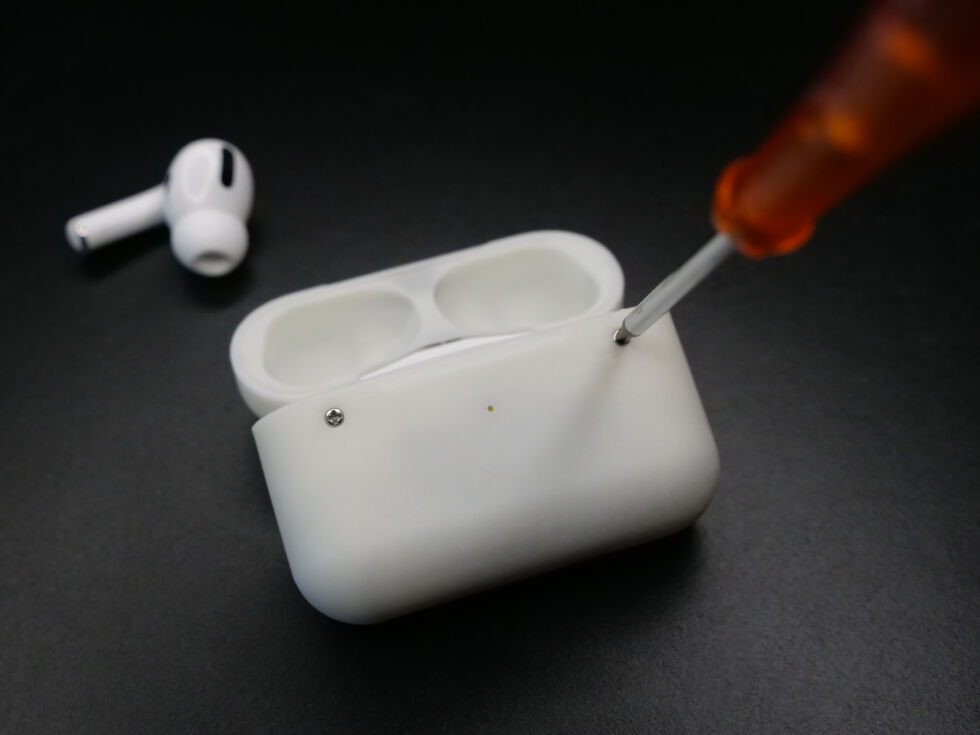
    • Screws > glue. [credit: Exploring the Simulation/YouTube ]

    Consumer tech has faced scrutiny over the years around "planned obsolescence": making devices so difficult to repair that shoppers have to buy new products and toss devices sooner than they'd like. Now, one do-it-yourself-er is on a mission to prove that it doesn't have to be this way. And he's starting with the (original) Apple AirPods Pro.

    Ken Pillonel is no stranger to tweaking popular designs in the name of user convenience and sensibility. We've covered other projects of his, like a $38 part for making the AirPods Pro case self-serviceable and support USB-C, and adding Apple's Lightning port to a Samsung Galaxy A51 . He has also modded the iPhone to use USB-C .

    Today, the technologist revealed his latest concoction: an AirPods Pro case with a user-replaceable battery, USB-C port, and open source designs.

    Read 15 remaining paragraphs | Comments

    • tagtech tagtech tagtech tagairpods tagairpods tagairpods tagapple tagapple tagapple tagaudio tagaudio tagaudio tagrepairability tagrepairability tagrepairability tagtech tagtech tagtech tagairpods tagairpods tagairpods tagapple tagapple tagapple tagaudio tagaudio tagaudio tagrepairability tagrepairability tagrepairability tagtech tagtech tagtech tagairpods tagairpods tagairpods tagapple tagapple tagapple tagaudio tagaudio tagaudio tagrepairability tagrepairability tagrepairability

    • Ar chevron_right

      Man open-sources the self-repairable AirPods Pro case that Apple won’t make

      news.movim.eu / ArsTechnica • 26 July 2023

    • Screws > glue. [credit: Exploring the Simulation/YouTube ]

    Consumer tech has faced scrutiny over the years around "planned obsolescence": making devices so difficult to repair that shoppers have to buy new products and toss devices sooner than they'd like. Now, one do-it-yourself-er is on a mission to prove that it doesn't have to be this way. And he's starting with the (original) Apple AirPods Pro.

    Ken Pillonel is no stranger to tweaking popular designs in the name of user convenience and sensibility. We've covered other projects of his, like a $38 part for making the AirPods Pro case self-serviceable and support USB-C, and adding Apple's Lightning port to a Samsung Galaxy A51 . He has also modded the iPhone to use USB-C .

    Today, the technologist revealed his latest concoction: an AirPods Pro case with a user-replaceable battery, USB-C port, and open source designs.

    Read 15 remaining paragraphs | Comments

    • tagtech tagtech tagtech tagairpods tagairpods tagairpods tagapple tagapple tagapple tagaudio tagaudio tagaudio tagrepairability tagrepairability tagrepairability tagtech tagtech tagtech tagairpods tagairpods tagairpods tagapple tagapple tagapple tagaudio tagaudio tagaudio tagrepairability tagrepairability tagrepairability tagtech tagtech tagtech tagairpods tagairpods tagairpods tagapple tagapple tagapple tagaudio tagaudio tagaudio tagrepairability tagrepairability tagrepairability

    • Ar chevron_right

      Man open-sources the self-repairable AirPods Pro case that Apple won’t make

      news.movim.eu / ArsTechnica • 26 July 2023

    • Screws > glue. [credit: Exploring the Simulation/YouTube ]

    Consumer tech has faced scrutiny over the years around "planned obsolescence": making devices so difficult to repair that shoppers have to buy new products and toss devices sooner than they'd like. Now, one do-it-yourself-er is on a mission to prove that it doesn't have to be this way. And he's starting with the (original) Apple AirPods Pro.

    Ken Pillonel is no stranger to tweaking popular designs in the name of user convenience and sensibility. We've covered other projects of his, like a $38 part for making the AirPods Pro case self-serviceable and support USB-C, and adding Apple's Lightning port to a Samsung Galaxy A51 . He has also modded the iPhone to use USB-C .

    Today, the technologist revealed his latest concoction: an AirPods Pro case with a user-replaceable battery, USB-C port, and open source designs.

    Read 15 remaining paragraphs | Comments

    • tagtech tagtech tagtech tagairpods tagairpods tagairpods tagapple tagapple tagapple tagaudio tagaudio tagaudio tagrepairability tagrepairability tagrepairability tagtech tagtech tagtech tagairpods tagairpods tagairpods tagapple tagapple tagapple tagaudio tagaudio tagaudio tagrepairability tagrepairability tagrepairability tagtech tagtech tagtech tagairpods tagairpods tagairpods tagapple tagapple tagapple tagaudio tagaudio tagaudio tagrepairability tagrepairability tagrepairability

  • history

    Get older posts

  • cloud_queue

    Powered by Movim