• progress_activity cloud_sync

    Reconnection to the server…

    Movim cannot talk with the server, please try again later


    • Public subscriptions

    • chevron_right

      coopr8

    • chevron_right

      gabagoo

    • chevron_right

      kenu_demon

    • chevron_right

      coopr8

    • chevron_right

      gabagoo

    • chevron_right

      kenu_demon

    • chevron_right

      coopr8

    • chevron_right

      gabagoo

    • chevron_right

      kenu_demon

  • Register Login

    Movim

    movim.chatterboxtown.us


  • group_work rss_feed
    add Follow

    ArsTechnica

    • Ar chevron_right

      Apple Pencils can’t draw straight on third-party replacement iPad screens

      news.movim.eu / ArsTechnica • 28 July 2023
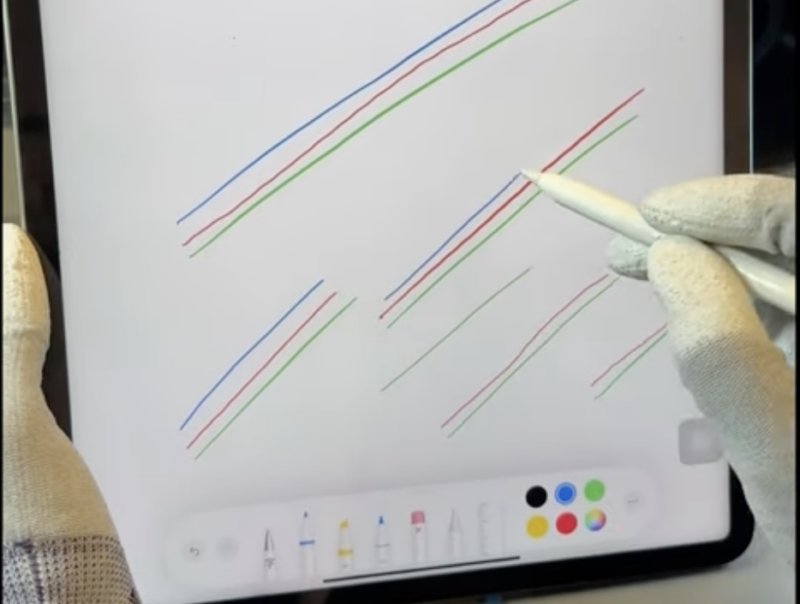
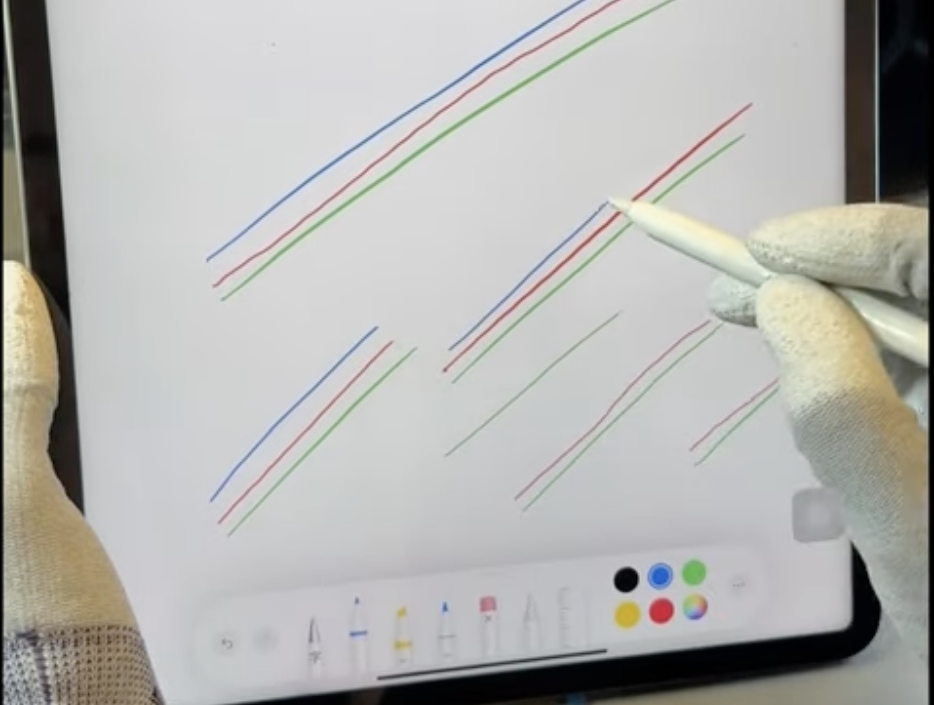
    Gloved hands using an Apple Pencil on an iPad Pro with squiggly results

    Enlarge / iCorrect's attempts to draw a straight line on an iPad Pro with a third-party replacement screen led them to look at the screen's embedded chips for parts-pairing problems. (credit: iCorrect UK )

    The latest part of an Apple device to demand a repair by its maker appears to be the screens on newer iPads. Reports from repair shops and customers suggest that Apple Pencils no longer work properly on non-genuine Apple screens, as they draw squiggly lines on a diagonal instead of straight.

    Ricky Panesar, CEO of UK repair firm iCorrect, told Forbes that screens replaced on newer iPad Pros (fifth and sixth-generation 12.9-inch and third and fourth-generation 11-inch models) do not deliver straight lines when an Apple Pencil is used to draw at an angle. "They have a memory chip that sits on the screen that's programmed to only allow the Pencil functionality to work if the screen is connected to the original logic board," Panesar told Forbes.

    A Reddit post from May 23 from a user reporting "jittery" diagonal lines from an Apple Pencil on a newly replaced iPad mini screen suggests the issue may affect more than just the Pro line of iPads.

    Read 5 remaining paragraphs | Comments

    • tagapple tagapple tagapple tagtech tagtech tagtech tagapple pencil tagapple pencil tagapple pencil tagars shopping tagars shopping tagars shopping tagipad pro tagipad pro tagipad pro tagrepair tagrepair tagrepair tagright to repair tagright to repair tagright to repair tagserialization tagserialization tagserialization tagusb-c tagusb-c tagusb-c tagapple tagapple tagapple tagtech tagtech tagtech tagapple pencil tagapple pencil tagapple pencil tagars shopping tagars shopping tagars shopping tagipad pro tagipad pro tagipad pro tagrepair tagrepair tagrepair tagright to repair tagright to repair tagright to repair tagserialization tagserialization tagserialization tagusb-c tagusb-c tagusb-c tagapple tagapple tagapple tagtech tagtech tagtech tagapple pencil tagapple pencil tagapple pencil tagars shopping tagars shopping tagars shopping tagipad pro tagipad pro tagipad pro tagrepair tagrepair tagrepair tagright to repair tagright to repair tagright to repair tagserialization tagserialization tagserialization tagusb-c tagusb-c tagusb-c

    • Ar chevron_right

      Apple Pencils can’t draw straight on third-party replacement iPad screens

      news.movim.eu / ArsTechnica • 28 July 2023

    Gloved hands using an Apple Pencil on an iPad Pro with squiggly results

    Enlarge / iCorrect's attempts to draw a straight line on an iPad Pro with a third-party replacement screen led them to look at the screen's embedded chips for parts-pairing problems. (credit: iCorrect UK )

    The latest part of an Apple device to demand a repair by its maker appears to be the screens on newer iPads. Reports from repair shops and customers suggest that Apple Pencils no longer work properly on non-genuine Apple screens, as they draw squiggly lines on a diagonal instead of straight.

    Ricky Panesar, CEO of UK repair firm iCorrect, told Forbes that screens replaced on newer iPad Pros (fifth and sixth-generation 12.9-inch and third and fourth-generation 11-inch models) do not deliver straight lines when an Apple Pencil is used to draw at an angle. "They have a memory chip that sits on the screen that's programmed to only allow the Pencil functionality to work if the screen is connected to the original logic board," Panesar told Forbes.

    A Reddit post from May 23 from a user reporting "jittery" diagonal lines from an Apple Pencil on a newly replaced iPad mini screen suggests the issue may affect more than just the Pro line of iPads.

    Read 5 remaining paragraphs | Comments

    • tagapple tagapple tagapple tagtech tagtech tagtech tagapple pencil tagapple pencil tagapple pencil tagars shopping tagars shopping tagars shopping tagipad pro tagipad pro tagipad pro tagrepair tagrepair tagrepair tagright to repair tagright to repair tagright to repair tagserialization tagserialization tagserialization tagusb-c tagusb-c tagusb-c tagapple tagapple tagapple tagtech tagtech tagtech tagapple pencil tagapple pencil tagapple pencil tagars shopping tagars shopping tagars shopping tagipad pro tagipad pro tagipad pro tagrepair tagrepair tagrepair tagright to repair tagright to repair tagright to repair tagserialization tagserialization tagserialization tagusb-c tagusb-c tagusb-c tagapple tagapple tagapple tagtech tagtech tagtech tagapple pencil tagapple pencil tagapple pencil tagars shopping tagars shopping tagars shopping tagipad pro tagipad pro tagipad pro tagrepair tagrepair tagrepair tagright to repair tagright to repair tagright to repair tagserialization tagserialization tagserialization tagusb-c tagusb-c tagusb-c

    • Ar chevron_right

      Apple Pencils can’t draw straight on third-party replacement iPad screens

      news.movim.eu / ArsTechnica • 28 July 2023

    Gloved hands using an Apple Pencil on an iPad Pro with squiggly results

    Enlarge / iCorrect's attempts to draw a straight line on an iPad Pro with a third-party replacement screen led them to look at the screen's embedded chips for parts-pairing problems. (credit: iCorrect UK )

    The latest part of an Apple device to demand a repair by its maker appears to be the screens on newer iPads. Reports from repair shops and customers suggest that Apple Pencils no longer work properly on non-genuine Apple screens, as they draw squiggly lines on a diagonal instead of straight.

    Ricky Panesar, CEO of UK repair firm iCorrect, told Forbes that screens replaced on newer iPad Pros (fifth and sixth-generation 12.9-inch and third and fourth-generation 11-inch models) do not deliver straight lines when an Apple Pencil is used to draw at an angle. "They have a memory chip that sits on the screen that's programmed to only allow the Pencil functionality to work if the screen is connected to the original logic board," Panesar told Forbes.

    A Reddit post from May 23 from a user reporting "jittery" diagonal lines from an Apple Pencil on a newly replaced iPad mini screen suggests the issue may affect more than just the Pro line of iPads.
    Read 5 remaining paragraphs | Comments

    • tagapple tagapple tagapple tagtech tagtech tagtech tagapple pencil tagapple pencil tagapple pencil tagars shopping tagars shopping tagars shopping tagipad pro tagipad pro tagipad pro tagrepair tagrepair tagrepair tagright to repair tagright to repair tagright to repair tagserialization tagserialization tagserialization tagusb-c tagusb-c tagusb-c tagapple tagapple tagapple tagtech tagtech tagtech tagapple pencil tagapple pencil tagapple pencil tagars shopping tagars shopping tagars shopping tagipad pro tagipad pro tagipad pro tagrepair tagrepair tagrepair tagright to repair tagright to repair tagright to repair tagserialization tagserialization tagserialization tagusb-c tagusb-c tagusb-c tagapple tagapple tagapple tagtech tagtech tagtech tagapple pencil tagapple pencil tagapple pencil tagars shopping tagars shopping tagars shopping tagipad pro tagipad pro tagipad pro tagrepair tagrepair tagrepair tagright to repair tagright to repair tagright to repair tagserialization tagserialization tagserialization tagusb-c tagusb-c tagusb-c

    • Ar chevron_right

      Did Facebook fuel political polarization during the 2020 election? It’s complicated.

      news.movim.eu / ArsTechnica • 28 July 2023 • 1 minute

    Did Facebook fuel political polarization during the 2020 election? It’s complicated.

    Enlarge (credit: Getty Images | Aurich Lawson)

    Over the last several years, there have been growing concerns about the influence of social media on fostering political polarization in the US, with critical implications for democracy. But it's unclear whether our online "echo chambers" are the driving factor behind that polarization or whether social media merely reflects (and arguably amplifies) divisions that already exist. Several intervention strategies have been proposed to reduce polarization and the spread of misinformation on social media, but it's equally unclear how effective they would be at addressing the problem.

    The US 2020 Facebook and Instagram Election Study is a joint collaboration between a group of independent external academics from several institutions and Meta, the parent company of Facebook and Instagram. The project is designed to explore these and other relevant questions about the role of social media in democracy within the context of the 2020 US election. It's also a first in terms of the degree of transparency and independence that Meta has granted to academic researchers. Now we have the first results from this unusual collaboration, detailed in four separate papers—the first round of over a dozen studies stemming from the project.

    Three of the papers were published in a special issue of the journal Science. The first paper investigated how exposure to political news content on Facebook was segregated ideologically. The second paper delved into the effects of a reverse chronological feed as opposed to an algorithmic one. The third paper examined the effects of exposure to reshared content on Facebook. And the fourth paper , published in Nature, explored the extent to which social media "echo chambers" contribute to increased polarization and hostility.

    Read 32 remaining paragraphs | Comments

    • tagpolicy tagpolicy tagpolicy tagscience tagscience tagscience tag2020 us election tag2020 us election tag2020 us election tagfacebook tagfacebook tagfacebook taginstagram taginstagram taginstagram tagsocial media tagsocial media tagsocial media tagsocial networks tagsocial networks tagsocial networks tagsocial sciences tagsocial sciences tagsocial sciences tagpolicy tagpolicy tagpolicy tagscience tagscience tagscience tag2020 us election tag2020 us election tag2020 us election tagfacebook tagfacebook tagfacebook taginstagram taginstagram taginstagram tagsocial media tagsocial media tagsocial media tagsocial networks tagsocial networks tagsocial networks tagsocial sciences tagsocial sciences tagsocial sciences tagpolicy tagpolicy tagpolicy tagscience tagscience tagscience tag2020 us election tag2020 us election tag2020 us election tagfacebook tagfacebook tagfacebook taginstagram taginstagram taginstagram tagsocial media tagsocial media tagsocial media tagsocial networks tagsocial networks tagsocial networks tagsocial sciences tagsocial sciences tagsocial sciences

    • Ar chevron_right

      Did Facebook fuel political polarization during the 2020 election? It’s complicated.

      news.movim.eu / ArsTechnica • 28 July 2023 • 1 minute

    Did Facebook fuel political polarization during the 2020 election? It’s complicated.

    Enlarge (credit: Getty Images | Aurich Lawson)

    Over the last several years, there have been growing concerns about the influence of social media on fostering political polarization in the US, with critical implications for democracy. But it's unclear whether our online "echo chambers" are the driving factor behind that polarization or whether social media merely reflects (and arguably amplifies) divisions that already exist. Several intervention strategies have been proposed to reduce polarization and the spread of misinformation on social media, but it's equally unclear how effective they would be at addressing the problem.

    The US 2020 Facebook and Instagram Election Study is a joint collaboration between a group of independent external academics from several institutions and Meta, the parent company of Facebook and Instagram. The project is designed to explore these and other relevant questions about the role of social media in democracy within the context of the 2020 US election. It's also a first in terms of the degree of transparency and independence that Meta has granted to academic researchers. Now we have the first results from this unusual collaboration, detailed in four separate papers—the first round of over a dozen studies stemming from the project.

    Three of the papers were published in a special issue of the journal Science. The first paper investigated how exposure to political news content on Facebook was segregated ideologically. The second paper delved into the effects of a reverse chronological feed as opposed to an algorithmic one. The third paper examined the effects of exposure to reshared content on Facebook. And the fourth paper , published in Nature, explored the extent to which social media "echo chambers" contribute to increased polarization and hostility.

    Read 32 remaining paragraphs | Comments

    • tagpolicy tagpolicy tagpolicy tagscience tagscience tagscience tag2020 us election tag2020 us election tag2020 us election tagfacebook tagfacebook tagfacebook taginstagram taginstagram taginstagram tagsocial media tagsocial media tagsocial media tagsocial networks tagsocial networks tagsocial networks tagsocial sciences tagsocial sciences tagsocial sciences tagpolicy tagpolicy tagpolicy tagscience tagscience tagscience tag2020 us election tag2020 us election tag2020 us election tagfacebook tagfacebook tagfacebook taginstagram taginstagram taginstagram tagsocial media tagsocial media tagsocial media tagsocial networks tagsocial networks tagsocial networks tagsocial sciences tagsocial sciences tagsocial sciences tagpolicy tagpolicy tagpolicy tagscience tagscience tagscience tag2020 us election tag2020 us election tag2020 us election tagfacebook tagfacebook tagfacebook taginstagram taginstagram taginstagram tagsocial media tagsocial media tagsocial media tagsocial networks tagsocial networks tagsocial networks tagsocial sciences tagsocial sciences tagsocial sciences

    • Ar chevron_right

      Did Facebook fuel political polarization during the 2020 election? It’s complicated.

      news.movim.eu / ArsTechnica • 28 July 2023 • 1 minute

    Did Facebook fuel political polarization during the 2020 election? It’s complicated.

    Enlarge (credit: Getty Images | Aurich Lawson)

    Over the last several years, there have been growing concerns about the influence of social media on fostering political polarization in the US, with critical implications for democracy. But it's unclear whether our online "echo chambers" are the driving factor behind that polarization or whether social media merely reflects (and arguably amplifies) divisions that already exist. Several intervention strategies have been proposed to reduce polarization and the spread of misinformation on social media, but it's equally unclear how effective they would be at addressing the problem.

    The US 2020 Facebook and Instagram Election Study is a joint collaboration between a group of independent external academics from several institutions and Meta, the parent company of Facebook and Instagram. The project is designed to explore these and other relevant questions about the role of social media in democracy within the context of the 2020 US election. It's also a first in terms of the degree of transparency and independence that Meta has granted to academic researchers. Now we have the first results from this unusual collaboration, detailed in four separate papers—the first round of over a dozen studies stemming from the project.

    Three of the papers were published in a special issue of the journal Science. The first paper investigated how exposure to political news content on Facebook was segregated ideologically. The second paper delved into the effects of a reverse chronological feed as opposed to an algorithmic one. The third paper examined the effects of exposure to reshared content on Facebook. And the fourth paper , published in Nature, explored the extent to which social media "echo chambers" contribute to increased polarization and hostility.

    Read 32 remaining paragraphs | Comments

    • tagpolicy tagpolicy tagpolicy tagscience tagscience tagscience tag2020 us election tag2020 us election tag2020 us election tagfacebook tagfacebook tagfacebook taginstagram taginstagram taginstagram tagsocial media tagsocial media tagsocial media tagsocial networks tagsocial networks tagsocial networks tagsocial sciences tagsocial sciences tagsocial sciences tagpolicy tagpolicy tagpolicy tagscience tagscience tagscience tag2020 us election tag2020 us election tag2020 us election tagfacebook tagfacebook tagfacebook taginstagram taginstagram taginstagram tagsocial media tagsocial media tagsocial media tagsocial networks tagsocial networks tagsocial networks tagsocial sciences tagsocial sciences tagsocial sciences tagpolicy tagpolicy tagpolicy tagscience tagscience tagscience tag2020 us election tag2020 us election tag2020 us election tagfacebook tagfacebook tagfacebook taginstagram taginstagram taginstagram tagsocial media tagsocial media tagsocial media tagsocial networks tagsocial networks tagsocial networks tagsocial sciences tagsocial sciences tagsocial sciences

    • Ar chevron_right

      Increasing levels of humidity are here to make heat waves even worse

      news.movim.eu / ArsTechnica • 28 July 2023 • 1 minute

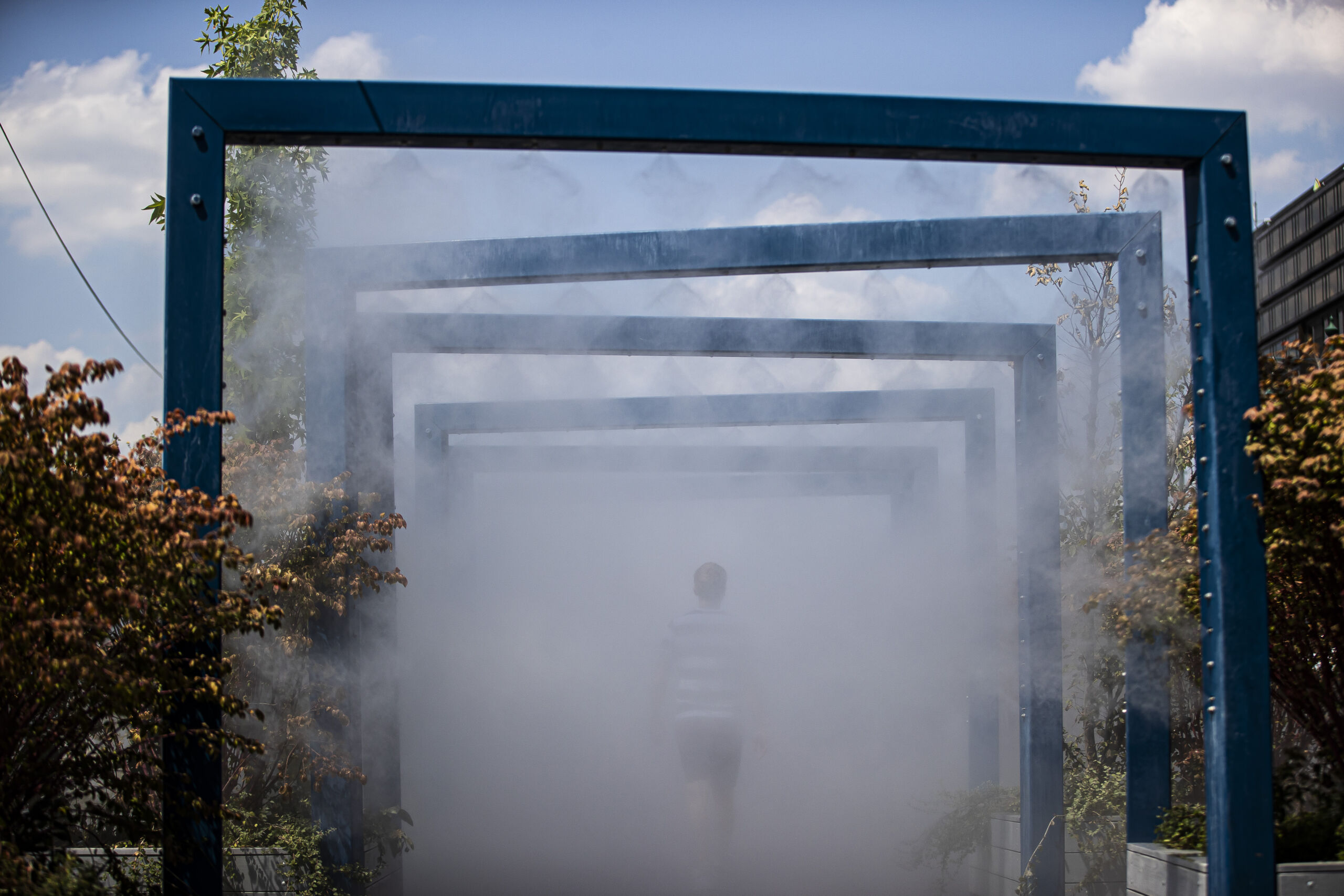
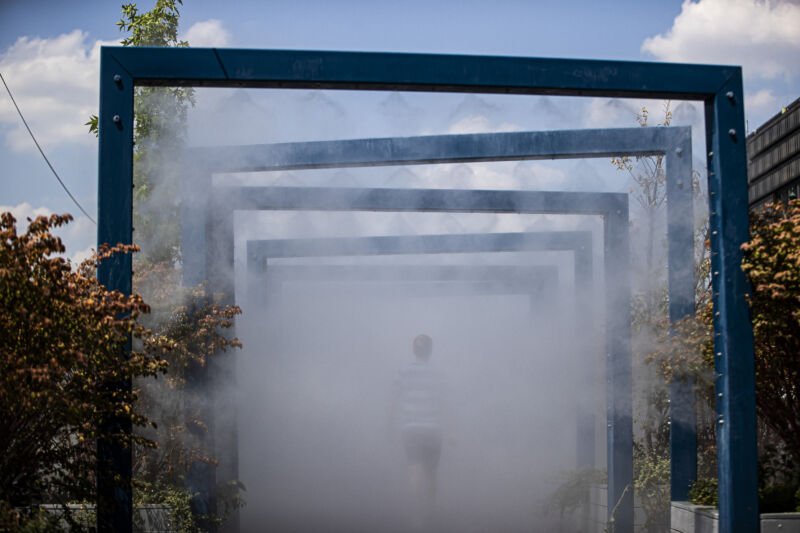
    A tourist refreshes at a vapor barrier in Budapest, Hungary, on July 16, 2023.

    Enlarge / A tourist refreshes at a vapor barrier in Budapest, Hungary, on July 16, 2023. (credit: Arpad Kurucz/Anadolu Agency via Getty Images )

    Because you’re a smooth-skinned mammal, no weather feels quite as oppressive as a humid heat wave. The more water vapor in the air, the less efficiently your sweat can evaporate and carry excess heat away from your skin. That’s why 90° Fahrenheit in humid Miami can feel as bad as 110° in arid Phoenix .

    Climate change has supercharged this summer’s exceptionally brutal heat all around the world —heat waves are generally getting more frequent, more intense, and longer. But they are also getting more humid in some regions, which helps extend high temperatures through daytime peaks and into the night. Such relentless, sticky heat is not just uncomfortable, but sometimes deadly, especially for folks with health conditions like cardiovascular disease.

    wired-logo.png

    One of the more counterintuitive effects of climate change is that a warmer atmosphere can hold more water vapor than a colder one. A lot of it, in fact: Each 1.8° Fahrenheit bump of warming adds 7 percent more moisture to the air. Overall, atmospheric water vapor is increasing by 1 to 2 percent per decade . That additional wetness is why we’re already seeing supersize downpours, like the flooding that devastated Vermont earlier this month .

    Read 16 remaining paragraphs | Comments

    • tagscience tagscience tagscience tagclimate change tagclimate change tagclimate change tagclimate crisis tagclimate crisis tagclimate crisis tagheat wave tagheat wave tagheat wave tagsyndication tagsyndication tagsyndication tagscience tagscience tagscience tagclimate change tagclimate change tagclimate change tagclimate crisis tagclimate crisis tagclimate crisis tagheat wave tagheat wave tagheat wave tagsyndication tagsyndication tagsyndication tagscience tagscience tagscience tagclimate change tagclimate change tagclimate change tagclimate crisis tagclimate crisis tagclimate crisis tagheat wave tagheat wave tagheat wave tagsyndication tagsyndication tagsyndication

    • Ar chevron_right

      Increasing levels of humidity are here to make heat waves even worse

      news.movim.eu / ArsTechnica • 28 July 2023 • 1 minute

    A tourist refreshes at a vapor barrier in Budapest, Hungary, on July 16, 2023.

    Enlarge / A tourist refreshes at a vapor barrier in Budapest, Hungary, on July 16, 2023. (credit: Arpad Kurucz/Anadolu Agency via Getty Images )

    Because you’re a smooth-skinned mammal, no weather feels quite as oppressive as a humid heat wave. The more water vapor in the air, the less efficiently your sweat can evaporate and carry excess heat away from your skin. That’s why 90° Fahrenheit in humid Miami can feel as bad as 110° in arid Phoenix .

    Climate change has supercharged this summer’s exceptionally brutal heat all around the world —heat waves are generally getting more frequent, more intense, and longer. But they are also getting more humid in some regions, which helps extend high temperatures through daytime peaks and into the night. Such relentless, sticky heat is not just uncomfortable, but sometimes deadly, especially for folks with health conditions like cardiovascular disease.

    wired-logo.png

    One of the more counterintuitive effects of climate change is that a warmer atmosphere can hold more water vapor than a colder one. A lot of it, in fact: Each 1.8° Fahrenheit bump of warming adds 7 percent more moisture to the air. Overall, atmospheric water vapor is increasing by 1 to 2 percent per decade . That additional wetness is why we’re already seeing supersize downpours, like the flooding that devastated Vermont earlier this month .

    Read 16 remaining paragraphs | Comments

    • tagscience tagscience tagscience tagclimate change tagclimate change tagclimate change tagclimate crisis tagclimate crisis tagclimate crisis tagheat wave tagheat wave tagheat wave tagsyndication tagsyndication tagsyndication tagscience tagscience tagscience tagclimate change tagclimate change tagclimate change tagclimate crisis tagclimate crisis tagclimate crisis tagheat wave tagheat wave tagheat wave tagsyndication tagsyndication tagsyndication tagscience tagscience tagscience tagclimate change tagclimate change tagclimate change tagclimate crisis tagclimate crisis tagclimate crisis tagheat wave tagheat wave tagheat wave tagsyndication tagsyndication tagsyndication

    • Ar chevron_right

      Increasing levels of humidity are here to make heat waves even worse

      news.movim.eu / ArsTechnica • 28 July 2023 • 1 minute

    A tourist refreshes at a vapor barrier in Budapest, Hungary, on July 16, 2023.

    Enlarge / A tourist refreshes at a vapor barrier in Budapest, Hungary, on July 16, 2023. (credit: Arpad Kurucz/Anadolu Agency via Getty Images )

    Because you’re a smooth-skinned mammal, no weather feels quite as oppressive as a humid heat wave. The more water vapor in the air, the less efficiently your sweat can evaporate and carry excess heat away from your skin. That’s why 90° Fahrenheit in humid Miami can feel as bad as 110° in arid Phoenix .

    Climate change has supercharged this summer’s exceptionally brutal heat all around the world —heat waves are generally getting more frequent, more intense, and longer. But they are also getting more humid in some regions, which helps extend high temperatures through daytime peaks and into the night. Such relentless, sticky heat is not just uncomfortable, but sometimes deadly, especially for folks with health conditions like cardiovascular disease.

    wired-logo.png

    One of the more counterintuitive effects of climate change is that a warmer atmosphere can hold more water vapor than a colder one. A lot of it, in fact: Each 1.8° Fahrenheit bump of warming adds 7 percent more moisture to the air. Overall, atmospheric water vapor is increasing by 1 to 2 percent per decade . That additional wetness is why we’re already seeing supersize downpours, like the flooding that devastated Vermont earlier this month .

    Read 16 remaining paragraphs | Comments

    • tagscience tagscience tagscience tagclimate change tagclimate change tagclimate change tagclimate crisis tagclimate crisis tagclimate crisis tagheat wave tagheat wave tagheat wave tagsyndication tagsyndication tagsyndication tagscience tagscience tagscience tagclimate change tagclimate change tagclimate change tagclimate crisis tagclimate crisis tagclimate crisis tagheat wave tagheat wave tagheat wave tagsyndication tagsyndication tagsyndication tagscience tagscience tagscience tagclimate change tagclimate change tagclimate change tagclimate crisis tagclimate crisis tagclimate crisis tagheat wave tagheat wave tagheat wave tagsyndication tagsyndication tagsyndication

  • history

    Get older posts

  • cloud_queue

    Powered by Movim