• progress_activity cloud_sync

    Reconnection to the server…

    Movim cannot talk with the server, please try again later


    • Public subscriptions

    • chevron_right

      coopr8

    • chevron_right

      gabagoo

    • chevron_right

      kenu_demon

    • chevron_right

      coopr8

    • chevron_right

      gabagoo

    • chevron_right

      kenu_demon

    • chevron_right

      coopr8

    • chevron_right

      gabagoo

    • chevron_right

      kenu_demon

  • Register Login

    Movim

    movim.chatterboxtown.us


  • group_work rss_feed
    add Follow

    ArsTechnica

    • Ar chevron_right

      Increasing levels of humidity are here to make heat waves even worse

      news.movim.eu / ArsTechnica • 28 July 2023 • 1 minute
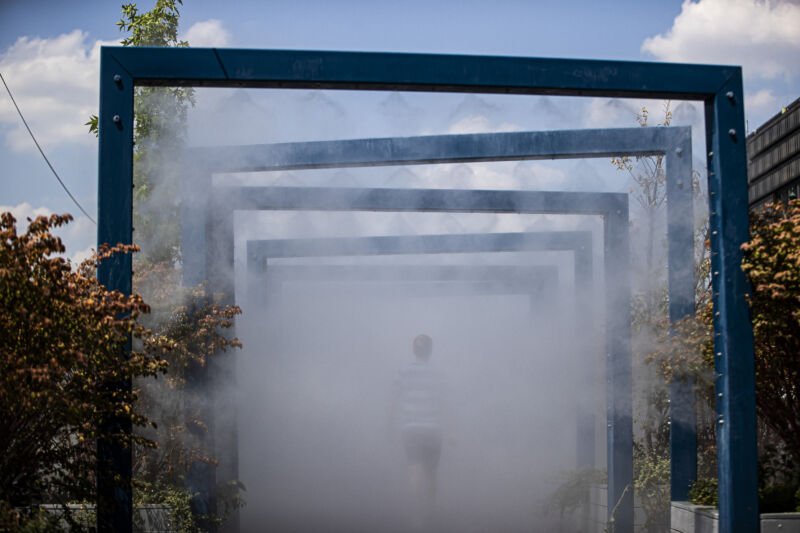
    A tourist refreshes at a vapor barrier in Budapest, Hungary, on July 16, 2023.

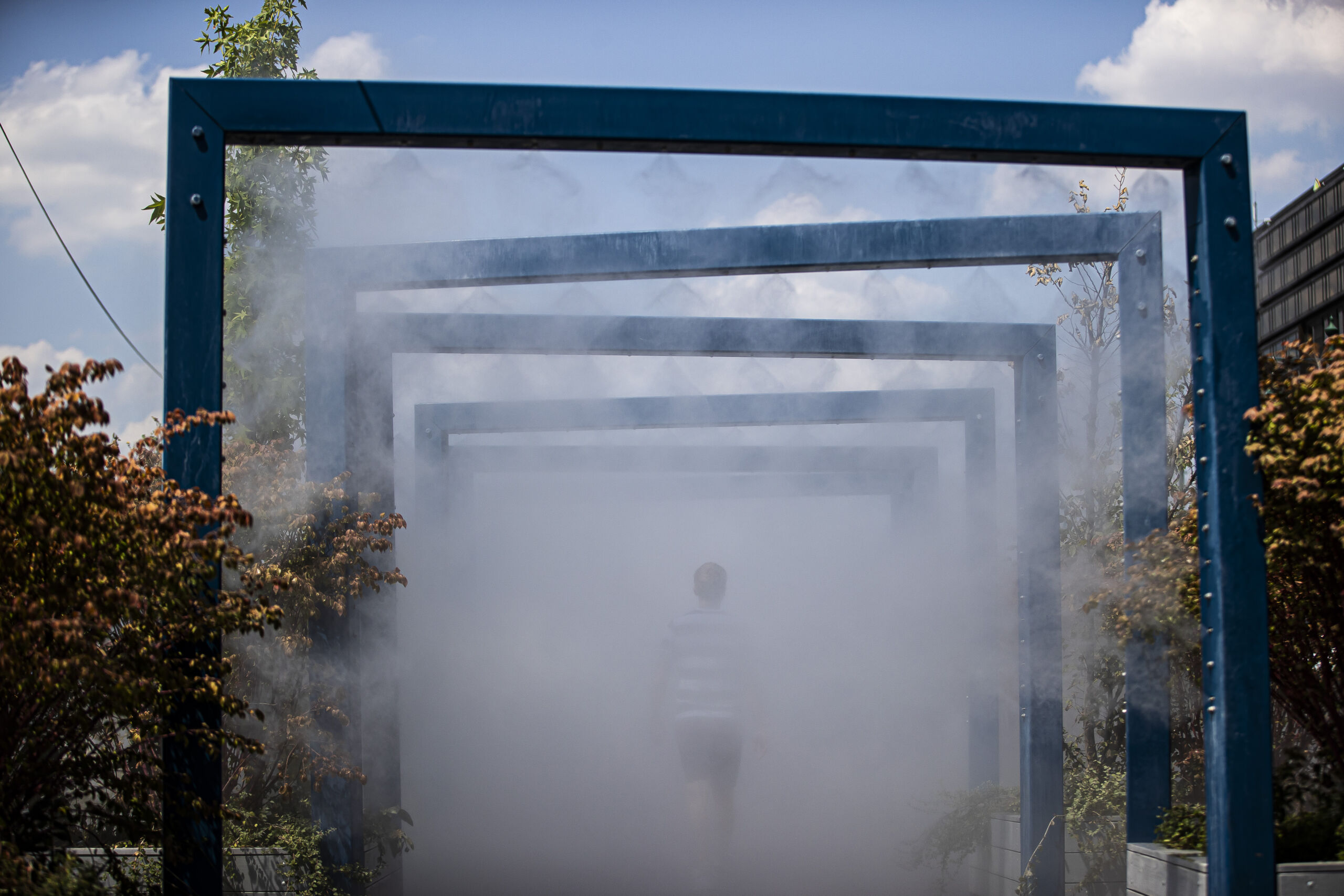
    Enlarge / A tourist refreshes at a vapor barrier in Budapest, Hungary, on July 16, 2023. (credit: Arpad Kurucz/Anadolu Agency via Getty Images )
    Because you’re a smooth-skinned mammal, no weather feels quite as oppressive as a humid heat wave. The more water vapor in the air, the less efficiently your sweat can evaporate and carry excess heat away from your skin. That’s why 90° Fahrenheit in humid Miami can feel as bad as 110° in arid Phoenix .

    Climate change has supercharged this summer’s exceptionally brutal heat all around the world —heat waves are generally getting more frequent, more intense, and longer. But they are also getting more humid in some regions, which helps extend high temperatures through daytime peaks and into the night. Such relentless, sticky heat is not just uncomfortable, but sometimes deadly, especially for folks with health conditions like cardiovascular disease.

    wired-logo.png

    One of the more counterintuitive effects of climate change is that a warmer atmosphere can hold more water vapor than a colder one. A lot of it, in fact: Each 1.8° Fahrenheit bump of warming adds 7 percent more moisture to the air. Overall, atmospheric water vapor is increasing by 1 to 2 percent per decade . That additional wetness is why we’re already seeing supersize downpours, like the flooding that devastated Vermont earlier this month .

    Read 16 remaining paragraphs | Comments

    • tagscience tagscience tagscience tagclimate change tagclimate change tagclimate change tagclimate crisis tagclimate crisis tagclimate crisis tagheat wave tagheat wave tagheat wave tagsyndication tagsyndication tagsyndication tagscience tagscience tagscience tagclimate change tagclimate change tagclimate change tagclimate crisis tagclimate crisis tagclimate crisis tagheat wave tagheat wave tagheat wave tagsyndication tagsyndication tagsyndication tagscience tagscience tagscience tagclimate change tagclimate change tagclimate change tagclimate crisis tagclimate crisis tagclimate crisis tagheat wave tagheat wave tagheat wave tagsyndication tagsyndication tagsyndication

    • Ar chevron_right

      Increasing levels of humidity are here to make heat waves even worse

      news.movim.eu / ArsTechnica • 28 July 2023 • 1 minute

    A tourist refreshes at a vapor barrier in Budapest, Hungary, on July 16, 2023.

    Enlarge / A tourist refreshes at a vapor barrier in Budapest, Hungary, on July 16, 2023. (credit: Arpad Kurucz/Anadolu Agency via Getty Images )

    Because you’re a smooth-skinned mammal, no weather feels quite as oppressive as a humid heat wave. The more water vapor in the air, the less efficiently your sweat can evaporate and carry excess heat away from your skin. That’s why 90° Fahrenheit in humid Miami can feel as bad as 110° in arid Phoenix .

    Climate change has supercharged this summer’s exceptionally brutal heat all around the world —heat waves are generally getting more frequent, more intense, and longer. But they are also getting more humid in some regions, which helps extend high temperatures through daytime peaks and into the night. Such relentless, sticky heat is not just uncomfortable, but sometimes deadly, especially for folks with health conditions like cardiovascular disease.

    wired-logo.png

    One of the more counterintuitive effects of climate change is that a warmer atmosphere can hold more water vapor than a colder one. A lot of it, in fact: Each 1.8° Fahrenheit bump of warming adds 7 percent more moisture to the air. Overall, atmospheric water vapor is increasing by 1 to 2 percent per decade . That additional wetness is why we’re already seeing supersize downpours, like the flooding that devastated Vermont earlier this month .

    Read 16 remaining paragraphs | Comments

    • tagscience tagscience tagscience tagclimate change tagclimate change tagclimate change tagclimate crisis tagclimate crisis tagclimate crisis tagheat wave tagheat wave tagheat wave tagsyndication tagsyndication tagsyndication tagscience tagscience tagscience tagclimate change tagclimate change tagclimate change tagclimate crisis tagclimate crisis tagclimate crisis tagheat wave tagheat wave tagheat wave tagsyndication tagsyndication tagsyndication tagscience tagscience tagscience tagclimate change tagclimate change tagclimate change tagclimate crisis tagclimate crisis tagclimate crisis tagheat wave tagheat wave tagheat wave tagsyndication tagsyndication tagsyndication

    • Ar chevron_right

      Increasing levels of humidity are here to make heat waves even worse

      news.movim.eu / ArsTechnica • 28 July 2023 • 1 minute

    A tourist refreshes at a vapor barrier in Budapest, Hungary, on July 16, 2023.

    Enlarge / A tourist refreshes at a vapor barrier in Budapest, Hungary, on July 16, 2023. (credit: Arpad Kurucz/Anadolu Agency via Getty Images )

    Because you’re a smooth-skinned mammal, no weather feels quite as oppressive as a humid heat wave. The more water vapor in the air, the less efficiently your sweat can evaporate and carry excess heat away from your skin. That’s why 90° Fahrenheit in humid Miami can feel as bad as 110° in arid Phoenix .

    Climate change has supercharged this summer’s exceptionally brutal heat all around the world —heat waves are generally getting more frequent, more intense, and longer. But they are also getting more humid in some regions, which helps extend high temperatures through daytime peaks and into the night. Such relentless, sticky heat is not just uncomfortable, but sometimes deadly, especially for folks with health conditions like cardiovascular disease.

    wired-logo.png

    One of the more counterintuitive effects of climate change is that a warmer atmosphere can hold more water vapor than a colder one. A lot of it, in fact: Each 1.8° Fahrenheit bump of warming adds 7 percent more moisture to the air. Overall, atmospheric water vapor is increasing by 1 to 2 percent per decade . That additional wetness is why we’re already seeing supersize downpours, like the flooding that devastated Vermont earlier this month .

    Read 16 remaining paragraphs | Comments

    • tagscience tagscience tagscience tagclimate change tagclimate change tagclimate change tagclimate crisis tagclimate crisis tagclimate crisis tagheat wave tagheat wave tagheat wave tagsyndication tagsyndication tagsyndication tagscience tagscience tagscience tagclimate change tagclimate change tagclimate change tagclimate crisis tagclimate crisis tagclimate crisis tagheat wave tagheat wave tagheat wave tagsyndication tagsyndication tagsyndication tagscience tagscience tagscience tagclimate change tagclimate change tagclimate change tagclimate crisis tagclimate crisis tagclimate crisis tagheat wave tagheat wave tagheat wave tagsyndication tagsyndication tagsyndication

  • cloud_queue

    Powered by Movim