• progress_activity cloud_sync

    Reconnection to the server…

    Movim cannot talk with the server, please try again later


    • Public subscriptions

    • chevron_right

      coopr8

    • chevron_right

      gabagoo

    • chevron_right

      kenu_demon

    • chevron_right

      coopr8

    • chevron_right

      gabagoo

    • chevron_right

      kenu_demon

    • chevron_right

      coopr8

    • chevron_right

      gabagoo

    • chevron_right

      kenu_demon

  • Register Login

    Movim

    movim.chatterboxtown.us


  • group_work rss_feed
    add Follow

    ArsTechnica

    • Ar chevron_right

      Ever wonder how crooks get the credentials to unlock stolen phones?

      news.movim.eu / ArsTechnica • 19 September 2024 • 1 minute

    Ever wonder how crooks get the credentials to unlock stolen phones?

    Enlarge (credit: Getty Images)

    A coalition of law-enforcement agencies said it shut down a service that facilitated the unlocking of more than 1.2 million stolen or lost mobile phones so they could be used by someone other than their rightful owner.

    The service was part of iServer, a phishing-as-a-service platform that has been operating since 2018. The Argentina-based iServer sold access to a platform that offered a host of phishing-related services through email, texts, and voice calls. One of the specialized services offered was designed to help people in possession of large numbers of stolen or lost mobile devices to obtain the credentials needed to bypass protections such as the lost mode for iPhones, which prevent a lost or stolen device from being used without entering its passcode.
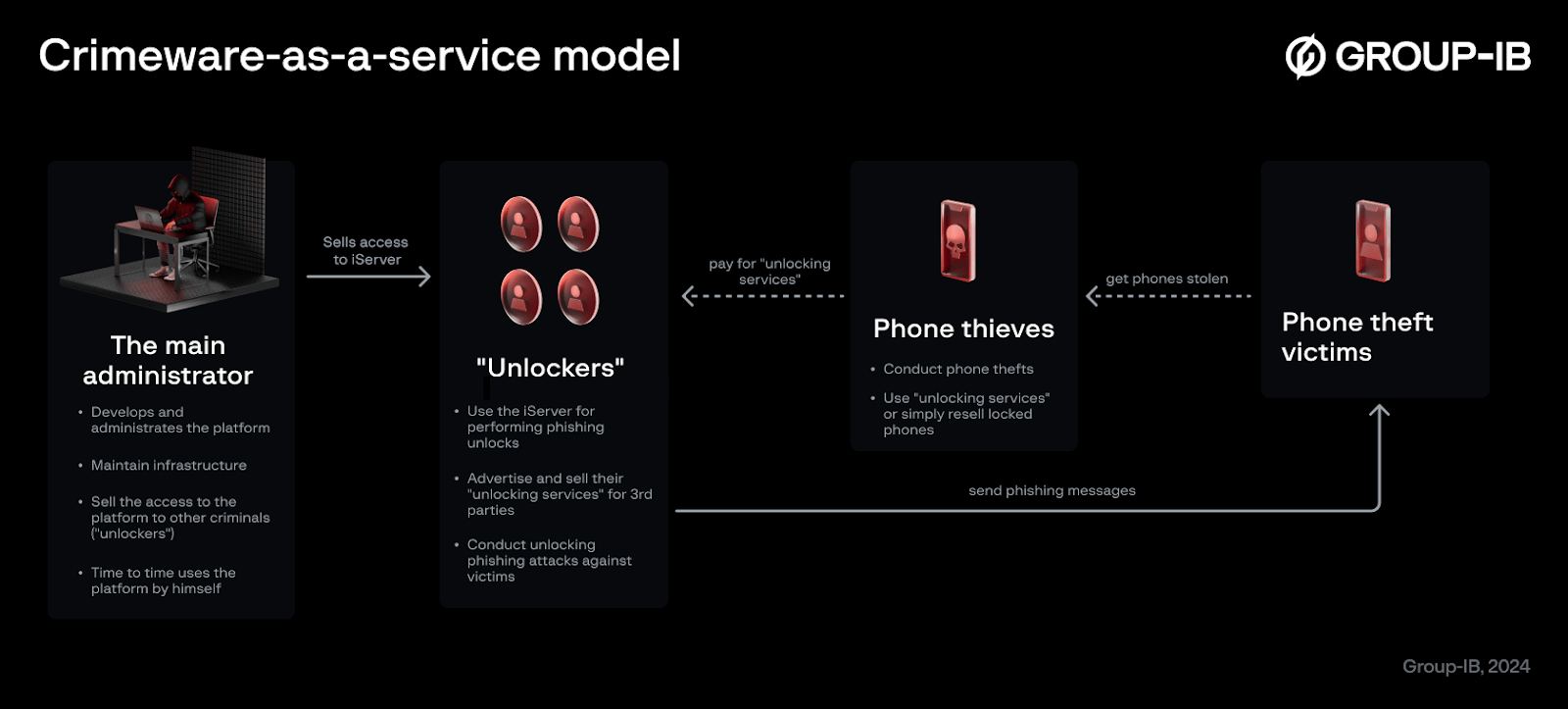
    iServer's phishing-as-a-service model.

    iServer's phishing-as-a-service model. (credit: Group-IB)

    Catering to low-skilled thieves

    An international operation coordinated by Europol’s European Cybercrime Center said it arrested the Argentinian national that was behind iServer and identified more than 2,000 “unlockers” who had enrolled in the phishing platform over the years. Investigators ultimately found that the criminal network had been used to unlock more than 1.2 million mobile phones. Officials said they also identified 483,000 phone owners who had received messages phishing for credentials for their lost or stolen devices.
    Read 7 remaining paragraphs | Comments

    • tagbiz & it tagbiz & it tagbiz & it tagsecurity tagsecurity tagsecurity taglost phone taglost phone taglost phone tagphishing tagphishing tagphishing tagphishing-as-a-service tagphishing-as-a-service tagphishing-as-a-service tagphone theft tagphone theft tagphone theft tagbiz & it tagbiz & it tagbiz & it tagsecurity tagsecurity tagsecurity taglost phone taglost phone taglost phone tagphishing tagphishing tagphishing tagphishing-as-a-service tagphishing-as-a-service tagphishing-as-a-service tagphone theft tagphone theft tagphone theft tagbiz & it tagbiz & it tagbiz & it tagsecurity tagsecurity tagsecurity taglost phone taglost phone taglost phone tagphishing tagphishing tagphishing tagphishing-as-a-service tagphishing-as-a-service tagphishing-as-a-service tagphone theft tagphone theft tagphone theft

    • Ar chevron_right

      Ever wonder how crooks get the credentials to unlock stolen phones?

      news.movim.eu / ArsTechnica • 19 September 2024 • 1 minute

    Ever wonder how crooks get the credentials to unlock stolen phones?

    Enlarge (credit: Getty Images)

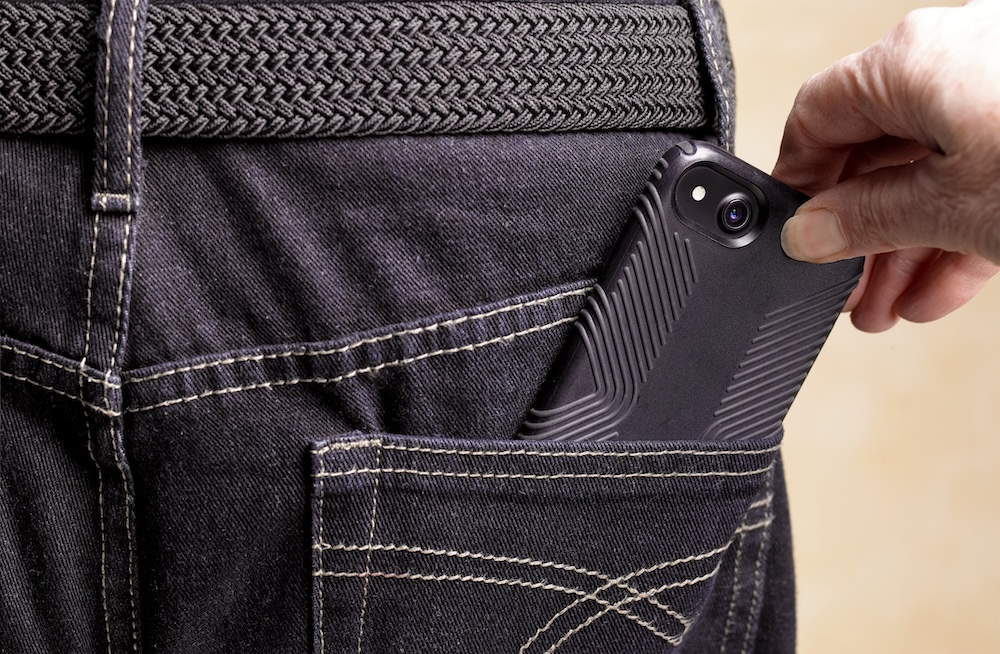
    A coalition of law-enforcement agencies said it shut down a service that facilitated the unlocking of more than 1.2 million stolen or lost mobile phones so they could be used by someone other than their rightful owner.

    The service was part of iServer, a phishing-as-a-service platform that has been operating since 2018. The Argentina-based iServer sold access to a platform that offered a host of phishing-related services through email, texts, and voice calls. One of the specialized services offered was designed to help people in possession of large numbers of stolen or lost mobile devices to obtain the credentials needed to bypass protections such as the lost mode for iPhones, which prevent a lost or stolen device from being used without entering its passcode.

    iServer's phishing-as-a-service model.

    iServer's phishing-as-a-service model. (credit: Group-IB)

    Catering to low-skilled thieves

    An international operation coordinated by Europol’s European Cybercrime Center said it arrested the Argentinian national that was behind iServer and identified more than 2,000 “unlockers” who had enrolled in the phishing platform over the years. Investigators ultimately found that the criminal network had been used to unlock more than 1.2 million mobile phones. Officials said they also identified 483,000 phone owners who had received messages phishing for credentials for their lost or stolen devices.
    Read 7 remaining paragraphs | Comments

    • tagbiz & it tagbiz & it tagbiz & it tagsecurity tagsecurity tagsecurity taglost phone taglost phone taglost phone tagphishing tagphishing tagphishing tagphishing-as-a-service tagphishing-as-a-service tagphishing-as-a-service tagphone theft tagphone theft tagphone theft tagbiz & it tagbiz & it tagbiz & it tagsecurity tagsecurity tagsecurity taglost phone taglost phone taglost phone tagphishing tagphishing tagphishing tagphishing-as-a-service tagphishing-as-a-service tagphishing-as-a-service tagphone theft tagphone theft tagphone theft tagbiz & it tagbiz & it tagbiz & it tagsecurity tagsecurity tagsecurity taglost phone taglost phone taglost phone tagphishing tagphishing tagphishing tagphishing-as-a-service tagphishing-as-a-service tagphishing-as-a-service tagphone theft tagphone theft tagphone theft

    • Ar chevron_right

      Ever wonder how crooks get the credentials to unlock stolen phones?

      news.movim.eu / ArsTechnica • 19 September 2024 • 1 minute

    Ever wonder how crooks get the credentials to unlock stolen phones?

    Enlarge (credit: Getty Images)

    A coalition of law-enforcement agencies said it shut down a service that facilitated the unlocking of more than 1.2 million stolen or lost mobile phones so they could be used by someone other than their rightful owner.

    The service was part of iServer, a phishing-as-a-service platform that has been operating since 2018. The Argentina-based iServer sold access to a platform that offered a host of phishing-related services through email, texts, and voice calls. One of the specialized services offered was designed to help people in possession of large numbers of stolen or lost mobile devices to obtain the credentials needed to bypass protections such as the lost mode for iPhones, which prevent a lost or stolen device from being used without entering its passcode.

    iServer's phishing-as-a-service model.

    iServer's phishing-as-a-service model. (credit: Group-IB)

    Catering to low-skilled thieves

    An international operation coordinated by Europol’s European Cybercrime Center said it arrested the Argentinian national that was behind iServer and identified more than 2,000 “unlockers” who had enrolled in the phishing platform over the years. Investigators ultimately found that the criminal network had been used to unlock more than 1.2 million mobile phones. Officials said they also identified 483,000 phone owners who had received messages phishing for credentials for their lost or stolen devices.
    Read 7 remaining paragraphs | Comments

    • tagbiz & it tagbiz & it tagbiz & it tagsecurity tagsecurity tagsecurity taglost phone taglost phone taglost phone tagphishing tagphishing tagphishing tagphishing-as-a-service tagphishing-as-a-service tagphishing-as-a-service tagphone theft tagphone theft tagphone theft tagbiz & it tagbiz & it tagbiz & it tagsecurity tagsecurity tagsecurity taglost phone taglost phone taglost phone tagphishing tagphishing tagphishing tagphishing-as-a-service tagphishing-as-a-service tagphishing-as-a-service tagphone theft tagphone theft tagphone theft tagbiz & it tagbiz & it tagbiz & it tagsecurity tagsecurity tagsecurity taglost phone taglost phone taglost phone tagphishing tagphishing tagphishing tagphishing-as-a-service tagphishing-as-a-service tagphishing-as-a-service tagphone theft tagphone theft tagphone theft

    • Ar chevron_right

      Creator of fake Kamala Harris video Musk boosted sues Calif. over deepfake laws

      news.movim.eu / ArsTechnica • 19 September 2024

    Creator of fake Kamala Harris video Musk boosted sues Calif. over deepfake laws

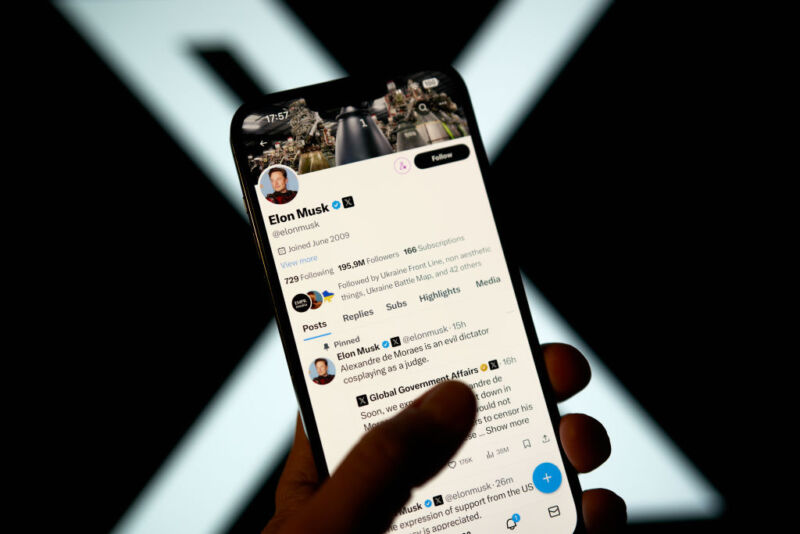
    Enlarge (credit: NurPhoto / Contributor | NurPhoto )

    After California passed laws cracking down on AI-generated deepfakes of election-related content , a popular conservative influencer promptly sued, accusing California of censoring protected speech, including satire and parody.

    In his complaint , Christopher Kohls—who is known as "Mr Reagan" on YouTube and X (formerly Twitter)—said that he was suing "to defend all Americans’ right to satirize politicians." He claimed that California laws, AB 2655 and AB 2839 , were urgently passed after X owner Elon Musk shared a partly AI-generated parody video on the social media platform that Kohls created to "lampoon" presidential hopeful Kamala Harris.

    AB 2655, known as the "Defending Democracy from Deepfake Deception Act," prohibits creating "with actual malice" any "materially deceptive audio or visual media of a candidate for elective office with the intent to injure the candidate’s reputation or to deceive a voter into voting for or against the candidate, within 60 days of the election." It requires social media platforms to block or remove any reported deceptive material and label "certain additional content" deemed "inauthentic, fake, or false" to prevent election interference.

    Read 25 remaining paragraphs | Comments

    • tagpolicy tagpolicy tagpolicy tag2024 election tag2024 election tag2024 election tagartificial intelligence tagartificial intelligence tagartificial intelligence tagcalifornia tagcalifornia tagcalifornia tagcampaign ads tagcampaign ads tagcampaign ads tagdeepfake tagdeepfake tagdeepfake tagdisinformation tagdisinformation tagdisinformation tagelection deepfake tagelection deepfake tagelection deepfake tagelon musk tagelon musk tagelon musk tagfake ai videos tagfake ai videos tagfake ai videos taggavin newsom taggavin newsom taggavin newsom tagmisinformation tagmisinformation tagmisinformation tagpolicy tagpolicy tagpolicy tag2024 election tag2024 election tag2024 election tagartificial intelligence tagartificial intelligence tagartificial intelligence tagcalifornia tagcalifornia tagcalifornia tagcampaign ads tagcampaign ads tagcampaign ads tagdeepfake tagdeepfake tagdeepfake tagdisinformation tagdisinformation tagdisinformation tagelection deepfake tagelection deepfake tagelection deepfake tagelon musk tagelon musk tagelon musk tagfake ai videos tagfake ai videos tagfake ai videos taggavin newsom taggavin newsom taggavin newsom tagmisinformation tagmisinformation tagmisinformation tagpolicy tagpolicy tagpolicy tag2024 election tag2024 election tag2024 election tagartificial intelligence tagartificial intelligence tagartificial intelligence tagcalifornia tagcalifornia tagcalifornia tagcampaign ads tagcampaign ads tagcampaign ads tagdeepfake tagdeepfake tagdeepfake tagdisinformation tagdisinformation tagdisinformation tagelection deepfake tagelection deepfake tagelection deepfake tagelon musk tagelon musk tagelon musk tagfake ai videos tagfake ai videos tagfake ai videos taggavin newsom taggavin newsom taggavin newsom tagmisinformation tagmisinformation tagmisinformation

    • Ar chevron_right

      Creator of fake Kamala Harris video Musk boosted sues Calif. over deepfake laws

      news.movim.eu / ArsTechnica • 19 September 2024

    Creator of fake Kamala Harris video Musk boosted sues Calif. over deepfake laws

    Enlarge (credit: NurPhoto / Contributor | NurPhoto )

    After California passed laws cracking down on AI-generated deepfakes of election-related content , a popular conservative influencer promptly sued, accusing California of censoring protected speech, including satire and parody.

    In his complaint , Christopher Kohls—who is known as "Mr Reagan" on YouTube and X (formerly Twitter)—said that he was suing "to defend all Americans’ right to satirize politicians." He claimed that California laws, AB 2655 and AB 2839 , were urgently passed after X owner Elon Musk shared a partly AI-generated parody video on the social media platform that Kohls created to "lampoon" presidential hopeful Kamala Harris.

    AB 2655, known as the "Defending Democracy from Deepfake Deception Act," prohibits creating "with actual malice" any "materially deceptive audio or visual media of a candidate for elective office with the intent to injure the candidate’s reputation or to deceive a voter into voting for or against the candidate, within 60 days of the election." It requires social media platforms to block or remove any reported deceptive material and label "certain additional content" deemed "inauthentic, fake, or false" to prevent election interference.

    Read 25 remaining paragraphs | Comments

    • tagpolicy tagpolicy tagpolicy tag2024 election tag2024 election tag2024 election tagartificial intelligence tagartificial intelligence tagartificial intelligence tagcalifornia tagcalifornia tagcalifornia tagcampaign ads tagcampaign ads tagcampaign ads tagdeepfake tagdeepfake tagdeepfake tagdisinformation tagdisinformation tagdisinformation tagelection deepfake tagelection deepfake tagelection deepfake tagelon musk tagelon musk tagelon musk tagfake ai videos tagfake ai videos tagfake ai videos taggavin newsom taggavin newsom taggavin newsom tagmisinformation tagmisinformation tagmisinformation tagpolicy tagpolicy tagpolicy tag2024 election tag2024 election tag2024 election tagartificial intelligence tagartificial intelligence tagartificial intelligence tagcalifornia tagcalifornia tagcalifornia tagcampaign ads tagcampaign ads tagcampaign ads tagdeepfake tagdeepfake tagdeepfake tagdisinformation tagdisinformation tagdisinformation tagelection deepfake tagelection deepfake tagelection deepfake tagelon musk tagelon musk tagelon musk tagfake ai videos tagfake ai videos tagfake ai videos taggavin newsom taggavin newsom taggavin newsom tagmisinformation tagmisinformation tagmisinformation tagpolicy tagpolicy tagpolicy tag2024 election tag2024 election tag2024 election tagartificial intelligence tagartificial intelligence tagartificial intelligence tagcalifornia tagcalifornia tagcalifornia tagcampaign ads tagcampaign ads tagcampaign ads tagdeepfake tagdeepfake tagdeepfake tagdisinformation tagdisinformation tagdisinformation tagelection deepfake tagelection deepfake tagelection deepfake tagelon musk tagelon musk tagelon musk tagfake ai videos tagfake ai videos tagfake ai videos taggavin newsom taggavin newsom taggavin newsom tagmisinformation tagmisinformation tagmisinformation

    • Ar chevron_right

      Creator of fake Kamala Harris video Musk boosted sues Calif. over deepfake laws

      news.movim.eu / ArsTechnica • 19 September 2024

    Creator of fake Kamala Harris video Musk boosted sues Calif. over deepfake laws

    Enlarge (credit: NurPhoto / Contributor | NurPhoto )

    After California passed laws cracking down on AI-generated deepfakes of election-related content , a popular conservative influencer promptly sued, accusing California of censoring protected speech, including satire and parody.

    In his complaint , Christopher Kohls—who is known as "Mr Reagan" on YouTube and X (formerly Twitter)—said that he was suing "to defend all Americans’ right to satirize politicians." He claimed that California laws, AB 2655 and AB 2839 , were urgently passed after X owner Elon Musk shared a partly AI-generated parody video on the social media platform that Kohls created to "lampoon" presidential hopeful Kamala Harris.

    AB 2655, known as the "Defending Democracy from Deepfake Deception Act," prohibits creating "with actual malice" any "materially deceptive audio or visual media of a candidate for elective office with the intent to injure the candidate’s reputation or to deceive a voter into voting for or against the candidate, within 60 days of the election." It requires social media platforms to block or remove any reported deceptive material and label "certain additional content" deemed "inauthentic, fake, or false" to prevent election interference.

    Read 25 remaining paragraphs | Comments

    • tagpolicy tagpolicy tagpolicy tag2024 election tag2024 election tag2024 election tagartificial intelligence tagartificial intelligence tagartificial intelligence tagcalifornia tagcalifornia tagcalifornia tagcampaign ads tagcampaign ads tagcampaign ads tagdeepfake tagdeepfake tagdeepfake tagdisinformation tagdisinformation tagdisinformation tagelection deepfake tagelection deepfake tagelection deepfake tagelon musk tagelon musk tagelon musk tagfake ai videos tagfake ai videos tagfake ai videos taggavin newsom taggavin newsom taggavin newsom tagmisinformation tagmisinformation tagmisinformation tagpolicy tagpolicy tagpolicy tag2024 election tag2024 election tag2024 election tagartificial intelligence tagartificial intelligence tagartificial intelligence tagcalifornia tagcalifornia tagcalifornia tagcampaign ads tagcampaign ads tagcampaign ads tagdeepfake tagdeepfake tagdeepfake tagdisinformation tagdisinformation tagdisinformation tagelection deepfake tagelection deepfake tagelection deepfake tagelon musk tagelon musk tagelon musk tagfake ai videos tagfake ai videos tagfake ai videos taggavin newsom taggavin newsom taggavin newsom tagmisinformation tagmisinformation tagmisinformation tagpolicy tagpolicy tagpolicy tag2024 election tag2024 election tag2024 election tagartificial intelligence tagartificial intelligence tagartificial intelligence tagcalifornia tagcalifornia tagcalifornia tagcampaign ads tagcampaign ads tagcampaign ads tagdeepfake tagdeepfake tagdeepfake tagdisinformation tagdisinformation tagdisinformation tagelection deepfake tagelection deepfake tagelection deepfake tagelon musk tagelon musk tagelon musk tagfake ai videos tagfake ai videos tagfake ai videos taggavin newsom taggavin newsom taggavin newsom tagmisinformation tagmisinformation tagmisinformation

    • Ar chevron_right

      Instead of obtaining a warrant, the NSA would like to keep buying your data

      news.movim.eu / ArsTechnica • 29 July 2023 • 12 visibility

    National Security Agency headquarters.

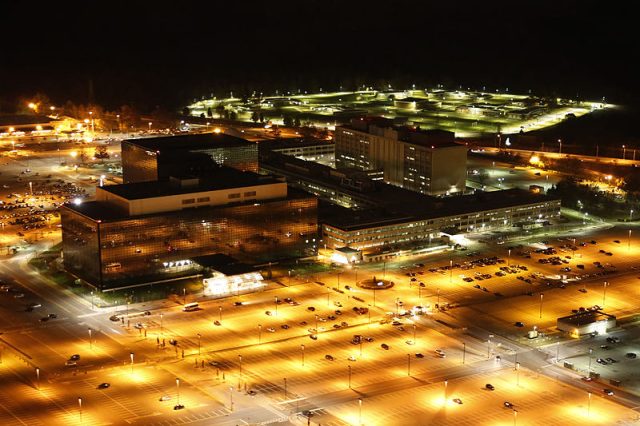
    National Security Agency headquarters. (credit: Trevor Paglen, Wikimedia Commons )

    An effort by United States lawmakers to prevent government agencies from domestically tracking citizens without a search warrant is facing opposition internally from one of its largest intelligence services.

    Republican and Democratic aides familiar with ongoing defense-spending negotiations in Congress say officials at the National Security Agency (NSA) have approached lawmakers charged with its oversight about opposing an amendment that would prevent it from paying companies for location data instead of obtaining a warrant in court.

    Introduced by US representatives Warren Davidson and Sara Jacobs, the amendment, first reported by WIRED , would prohibit US military agencies from “purchasing data that would otherwise require a warrant, court order, or subpoena” to obtain. The ban would cover more than half of the US intelligence community, including the NSA, the Defense Intelligence Agency, and the newly formed National Space Intelligence Center, among others.

    Read 15 remaining paragraphs | Comments

    • tagpolicy tagpolicy tagpolicy tagdata brokers tagdata brokers tagdata brokers tagnational security agency tagnational security agency tagnational security agency tagnsa tagnsa tagnsa tagsection 702 tagsection 702 tagsection 702 tagsyndication tagsyndication tagsyndication tagpolicy tagpolicy tagpolicy tagdata brokers tagdata brokers tagdata brokers tagnational security agency tagnational security agency tagnational security agency tagnsa tagnsa tagnsa tagsection 702 tagsection 702 tagsection 702 tagsyndication tagsyndication tagsyndication tagpolicy tagpolicy tagpolicy tagdata brokers tagdata brokers tagdata brokers tagnational security agency tagnational security agency tagnational security agency tagnsa tagnsa tagnsa tagsection 702 tagsection 702 tagsection 702 tagsyndication tagsyndication tagsyndication

    • Ar chevron_right

      Instead of obtaining a warrant, the NSA would like to keep buying your data

      news.movim.eu / ArsTechnica • 29 July 2023 • 12 visibility

    National Security Agency headquarters.

    National Security Agency headquarters. (credit: Trevor Paglen, Wikimedia Commons )

    An effort by United States lawmakers to prevent government agencies from domestically tracking citizens without a search warrant is facing opposition internally from one of its largest intelligence services.

    Republican and Democratic aides familiar with ongoing defense-spending negotiations in Congress say officials at the National Security Agency (NSA) have approached lawmakers charged with its oversight about opposing an amendment that would prevent it from paying companies for location data instead of obtaining a warrant in court.

    Introduced by US representatives Warren Davidson and Sara Jacobs, the amendment, first reported by WIRED , would prohibit US military agencies from “purchasing data that would otherwise require a warrant, court order, or subpoena” to obtain. The ban would cover more than half of the US intelligence community, including the NSA, the Defense Intelligence Agency, and the newly formed National Space Intelligence Center, among others.

    Read 15 remaining paragraphs | Comments

    • tagpolicy tagpolicy tagpolicy tagdata brokers tagdata brokers tagdata brokers tagnational security agency tagnational security agency tagnational security agency tagnsa tagnsa tagnsa tagsection 702 tagsection 702 tagsection 702 tagsyndication tagsyndication tagsyndication tagpolicy tagpolicy tagpolicy tagdata brokers tagdata brokers tagdata brokers tagnational security agency tagnational security agency tagnational security agency tagnsa tagnsa tagnsa tagsection 702 tagsection 702 tagsection 702 tagsyndication tagsyndication tagsyndication tagpolicy tagpolicy tagpolicy tagdata brokers tagdata brokers tagdata brokers tagnational security agency tagnational security agency tagnational security agency tagnsa tagnsa tagnsa tagsection 702 tagsection 702 tagsection 702 tagsyndication tagsyndication tagsyndication

    • Ar chevron_right

      Instead of obtaining a warrant, the NSA would like to keep buying your data

      news.movim.eu / ArsTechnica • 29 July 2023 • 12 visibility

    National Security Agency headquarters.

    National Security Agency headquarters. (credit: Trevor Paglen, Wikimedia Commons )

    An effort by United States lawmakers to prevent government agencies from domestically tracking citizens without a search warrant is facing opposition internally from one of its largest intelligence services.

    Republican and Democratic aides familiar with ongoing defense-spending negotiations in Congress say officials at the National Security Agency (NSA) have approached lawmakers charged with its oversight about opposing an amendment that would prevent it from paying companies for location data instead of obtaining a warrant in court.

    Introduced by US representatives Warren Davidson and Sara Jacobs, the amendment, first reported by WIRED , would prohibit US military agencies from “purchasing data that would otherwise require a warrant, court order, or subpoena” to obtain. The ban would cover more than half of the US intelligence community, including the NSA, the Defense Intelligence Agency, and the newly formed National Space Intelligence Center, among others.

    Read 15 remaining paragraphs | Comments

    • tagpolicy tagpolicy tagpolicy tagdata brokers tagdata brokers tagdata brokers tagnational security agency tagnational security agency tagnational security agency tagnsa tagnsa tagnsa tagsection 702 tagsection 702 tagsection 702 tagsyndication tagsyndication tagsyndication tagpolicy tagpolicy tagpolicy tagdata brokers tagdata brokers tagdata brokers tagnational security agency tagnational security agency tagnational security agency tagnsa tagnsa tagnsa tagsection 702 tagsection 702 tagsection 702 tagsyndication tagsyndication tagsyndication tagpolicy tagpolicy tagpolicy tagdata brokers tagdata brokers tagdata brokers tagnational security agency tagnational security agency tagnational security agency tagnsa tagnsa tagnsa tagsection 702 tagsection 702 tagsection 702 tagsyndication tagsyndication tagsyndication

  • history

    Get older posts

  • cloud_queue

    Powered by Movim