• progress_activity cloud_sync

    Reconnection to the server…

    Movim cannot talk with the server, please try again later


    • Public subscriptions

    • chevron_right

      coopr8

    • chevron_right

      gabagoo

    • chevron_right

      kenu_demon

    • chevron_right

      coopr8

    • chevron_right

      gabagoo

    • chevron_right

      kenu_demon

    • chevron_right

      coopr8

    • chevron_right

      gabagoo

    • chevron_right

      kenu_demon

  • Register Login

    Movim

    movim.chatterboxtown.us


  • group_work rss_feed
    add Follow

    ArsTechnica

    • Ar chevron_right

      The 2023 Porsche Cayman GT4 RS is the best sports car on sale today

      news.movim.eu / ArsTechnica • 29 July 2023 • 1 minute
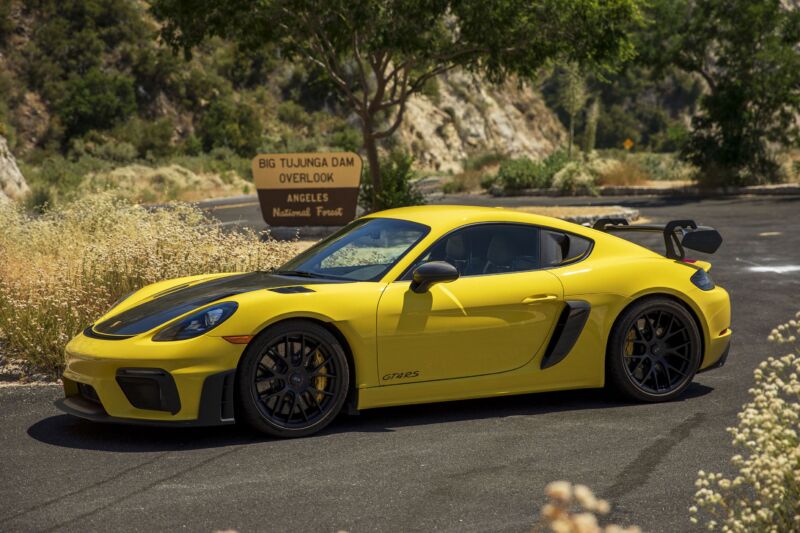
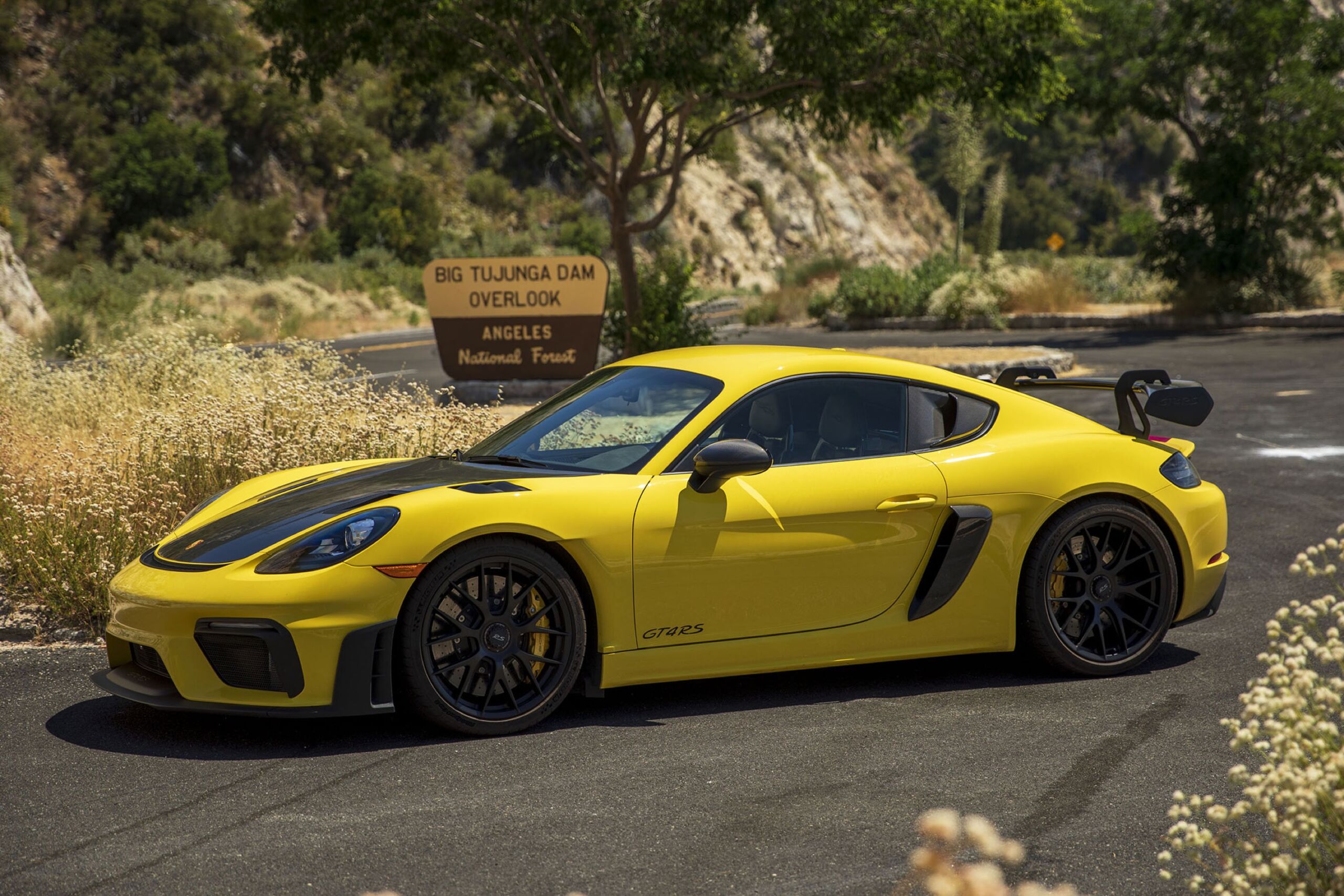
    A yellow Porsche Cayman GT4 RS

    Enlarge / Everyone always said Porsche would never put its best flat-six engine in the Cayman or it would overshadow the 911. Maybe that's exactly what's happened. (credit: Bradley Iger)

    Judging by recent projects like the Mission R and 718 Cayman GT4 ePerformance , Porsche looks poised to introduce an electrified version of the Cayman in the not-too-distant future. While it's likely that such a sports car will raise the bar for certain measures of performance, it's also safe to assume that the driving experience will be altered significantly. Thus far, high-performance EVs have struggled to deliver the kind of emotional connection that enthusiasts have grown accustomed to from their ICE-motivated counterparts—a factor that's undoubtedly top of mind for the designers who are working on the next generation of the automaker's lineup. In the meantime, though, the folks in Porsche's GT division have ensured that the current era of the Cayman will not go gentle into that good night.

    A vocal contingent of the Weissach faithful long insisted that a model like the GT4 RS would never be produced. Since its introduction in 2005, the Cayman has been positioned as Porsche's entry-level sports coupe relative to the 911, and many posited that this mid-engine platform would never realize its full potential due to concerns that it might upstage its iconic older brother. Although the debut of the 981-generation Cayman GT4 back in 2016 was arguably the first piece of evidence that effectively refuted this theory, the 718 GT4 RS puts the notion to bed. Not only is this the most visceral and capable Cayman ever produced, it also makes a strong case for itself as the most compelling sports car on sale today, full stop.

    The GT4 RS benefits from a wide variety of upgrades, but the engine is undoubtedly the star of the show. While it shares the same displacement as the naturally aspirated 4.0 L flat-six in the standard 718 GT4, it's actually an entirely different engine that's borrowed from the latest 911 GT3 . Output is down slightly from that rear-engine application due to the backpressure created by the Cayman's longer exhaust system, but peak figures of 493 hp (368 kW) and 331 lb-ft (449 Nm) of torque still make this the most powerful factory-produced Cayman ever offered by a wide margin and bestow it with a searing 9,000 rpm redline.
    Read 12 remaining paragraphs | Comments

    • tagcars tagcars tagcars tag718 gt4 rs tag718 gt4 rs tag718 gt4 rs tagcar review tagcar review tagcar review tagcayman gt4 rs tagcayman gt4 rs tagcayman gt4 rs tagporsche 718 tagporsche 718 tagporsche 718 tagporsche cayman tagporsche cayman tagporsche cayman tagporsche gt4 rs tagporsche gt4 rs tagporsche gt4 rs tagporsche review tagporsche review tagporsche review tagyellow sportscar tagyellow sportscar tagyellow sportscar tagcars tagcars tagcars tag718 gt4 rs tag718 gt4 rs tag718 gt4 rs tagcar review tagcar review tagcar review tagcayman gt4 rs tagcayman gt4 rs tagcayman gt4 rs tagporsche 718 tagporsche 718 tagporsche 718 tagporsche cayman tagporsche cayman tagporsche cayman tagporsche gt4 rs tagporsche gt4 rs tagporsche gt4 rs tagporsche review tagporsche review tagporsche review tagyellow sportscar tagyellow sportscar tagyellow sportscar tagcars tagcars tagcars tag718 gt4 rs tag718 gt4 rs tag718 gt4 rs tagcar review tagcar review tagcar review tagcayman gt4 rs tagcayman gt4 rs tagcayman gt4 rs tagporsche 718 tagporsche 718 tagporsche 718 tagporsche cayman tagporsche cayman tagporsche cayman tagporsche gt4 rs tagporsche gt4 rs tagporsche gt4 rs tagporsche review tagporsche review tagporsche review tagyellow sportscar tagyellow sportscar tagyellow sportscar

    • Ar chevron_right

      The 2023 Porsche Cayman GT4 RS is the best sports car on sale today

      news.movim.eu / ArsTechnica • 29 July 2023 • 1 minute

    A yellow Porsche Cayman GT4 RS

    Enlarge / Everyone always said Porsche would never put its best flat-six engine in the Cayman or it would overshadow the 911. Maybe that's exactly what's happened. (credit: Bradley Iger)

    Judging by recent projects like the Mission R and 718 Cayman GT4 ePerformance , Porsche looks poised to introduce an electrified version of the Cayman in the not-too-distant future. While it's likely that such a sports car will raise the bar for certain measures of performance, it's also safe to assume that the driving experience will be altered significantly. Thus far, high-performance EVs have struggled to deliver the kind of emotional connection that enthusiasts have grown accustomed to from their ICE-motivated counterparts—a factor that's undoubtedly top of mind for the designers who are working on the next generation of the automaker's lineup. In the meantime, though, the folks in Porsche's GT division have ensured that the current era of the Cayman will not go gentle into that good night.

    A vocal contingent of the Weissach faithful long insisted that a model like the GT4 RS would never be produced. Since its introduction in 2005, the Cayman has been positioned as Porsche's entry-level sports coupe relative to the 911, and many posited that this mid-engine platform would never realize its full potential due to concerns that it might upstage its iconic older brother. Although the debut of the 981-generation Cayman GT4 back in 2016 was arguably the first piece of evidence that effectively refuted this theory, the 718 GT4 RS puts the notion to bed. Not only is this the most visceral and capable Cayman ever produced, it also makes a strong case for itself as the most compelling sports car on sale today, full stop.

    The GT4 RS benefits from a wide variety of upgrades, but the engine is undoubtedly the star of the show. While it shares the same displacement as the naturally aspirated 4.0 L flat-six in the standard 718 GT4, it's actually an entirely different engine that's borrowed from the latest 911 GT3 . Output is down slightly from that rear-engine application due to the backpressure created by the Cayman's longer exhaust system, but peak figures of 493 hp (368 kW) and 331 lb-ft (449 Nm) of torque still make this the most powerful factory-produced Cayman ever offered by a wide margin and bestow it with a searing 9,000 rpm redline.
    Read 12 remaining paragraphs | Comments

    • tagcars tagcars tagcars tag718 gt4 rs tag718 gt4 rs tag718 gt4 rs tagcar review tagcar review tagcar review tagcayman gt4 rs tagcayman gt4 rs tagcayman gt4 rs tagporsche 718 tagporsche 718 tagporsche 718 tagporsche cayman tagporsche cayman tagporsche cayman tagporsche gt4 rs tagporsche gt4 rs tagporsche gt4 rs tagporsche review tagporsche review tagporsche review tagyellow sportscar tagyellow sportscar tagyellow sportscar tagcars tagcars tagcars tag718 gt4 rs tag718 gt4 rs tag718 gt4 rs tagcar review tagcar review tagcar review tagcayman gt4 rs tagcayman gt4 rs tagcayman gt4 rs tagporsche 718 tagporsche 718 tagporsche 718 tagporsche cayman tagporsche cayman tagporsche cayman tagporsche gt4 rs tagporsche gt4 rs tagporsche gt4 rs tagporsche review tagporsche review tagporsche review tagyellow sportscar tagyellow sportscar tagyellow sportscar tagcars tagcars tagcars tag718 gt4 rs tag718 gt4 rs tag718 gt4 rs tagcar review tagcar review tagcar review tagcayman gt4 rs tagcayman gt4 rs tagcayman gt4 rs tagporsche 718 tagporsche 718 tagporsche 718 tagporsche cayman tagporsche cayman tagporsche cayman tagporsche gt4 rs tagporsche gt4 rs tagporsche gt4 rs tagporsche review tagporsche review tagporsche review tagyellow sportscar tagyellow sportscar tagyellow sportscar

    • Ar chevron_right

      The 2023 Porsche Cayman GT4 RS is the best sports car on sale today

      news.movim.eu / ArsTechnica • 29 July 2023 • 1 minute

    A yellow Porsche Cayman GT4 RS

    Enlarge / Everyone always said Porsche would never put its best flat-six engine in the Cayman or it would overshadow the 911. Maybe that's exactly what's happened. (credit: Bradley Iger)

    Judging by recent projects like the Mission R and 718 Cayman GT4 ePerformance , Porsche looks poised to introduce an electrified version of the Cayman in the not-too-distant future. While it's likely that such a sports car will raise the bar for certain measures of performance, it's also safe to assume that the driving experience will be altered significantly. Thus far, high-performance EVs have struggled to deliver the kind of emotional connection that enthusiasts have grown accustomed to from their ICE-motivated counterparts—a factor that's undoubtedly top of mind for the designers who are working on the next generation of the automaker's lineup. In the meantime, though, the folks in Porsche's GT division have ensured that the current era of the Cayman will not go gentle into that good night.

    A vocal contingent of the Weissach faithful long insisted that a model like the GT4 RS would never be produced. Since its introduction in 2005, the Cayman has been positioned as Porsche's entry-level sports coupe relative to the 911, and many posited that this mid-engine platform would never realize its full potential due to concerns that it might upstage its iconic older brother. Although the debut of the 981-generation Cayman GT4 back in 2016 was arguably the first piece of evidence that effectively refuted this theory, the 718 GT4 RS puts the notion to bed. Not only is this the most visceral and capable Cayman ever produced, it also makes a strong case for itself as the most compelling sports car on sale today, full stop.

    The GT4 RS benefits from a wide variety of upgrades, but the engine is undoubtedly the star of the show. While it shares the same displacement as the naturally aspirated 4.0 L flat-six in the standard 718 GT4, it's actually an entirely different engine that's borrowed from the latest 911 GT3 . Output is down slightly from that rear-engine application due to the backpressure created by the Cayman's longer exhaust system, but peak figures of 493 hp (368 kW) and 331 lb-ft (449 Nm) of torque still make this the most powerful factory-produced Cayman ever offered by a wide margin and bestow it with a searing 9,000 rpm redline.
    Read 12 remaining paragraphs | Comments

    • tagcars tagcars tagcars tag718 gt4 rs tag718 gt4 rs tag718 gt4 rs tagcar review tagcar review tagcar review tagcayman gt4 rs tagcayman gt4 rs tagcayman gt4 rs tagporsche 718 tagporsche 718 tagporsche 718 tagporsche cayman tagporsche cayman tagporsche cayman tagporsche gt4 rs tagporsche gt4 rs tagporsche gt4 rs tagporsche review tagporsche review tagporsche review tagyellow sportscar tagyellow sportscar tagyellow sportscar tagcars tagcars tagcars tag718 gt4 rs tag718 gt4 rs tag718 gt4 rs tagcar review tagcar review tagcar review tagcayman gt4 rs tagcayman gt4 rs tagcayman gt4 rs tagporsche 718 tagporsche 718 tagporsche 718 tagporsche cayman tagporsche cayman tagporsche cayman tagporsche gt4 rs tagporsche gt4 rs tagporsche gt4 rs tagporsche review tagporsche review tagporsche review tagyellow sportscar tagyellow sportscar tagyellow sportscar tagcars tagcars tagcars tag718 gt4 rs tag718 gt4 rs tag718 gt4 rs tagcar review tagcar review tagcar review tagcayman gt4 rs tagcayman gt4 rs tagcayman gt4 rs tagporsche 718 tagporsche 718 tagporsche 718 tagporsche cayman tagporsche cayman tagporsche cayman tagporsche gt4 rs tagporsche gt4 rs tagporsche gt4 rs tagporsche review tagporsche review tagporsche review tagyellow sportscar tagyellow sportscar tagyellow sportscar

    • Ar chevron_right

      Communal stargazing using your phone: The Unistellar eQuinox 2, reviewed

      news.movim.eu / ArsTechnica • 29 July 2023 • 1 minute

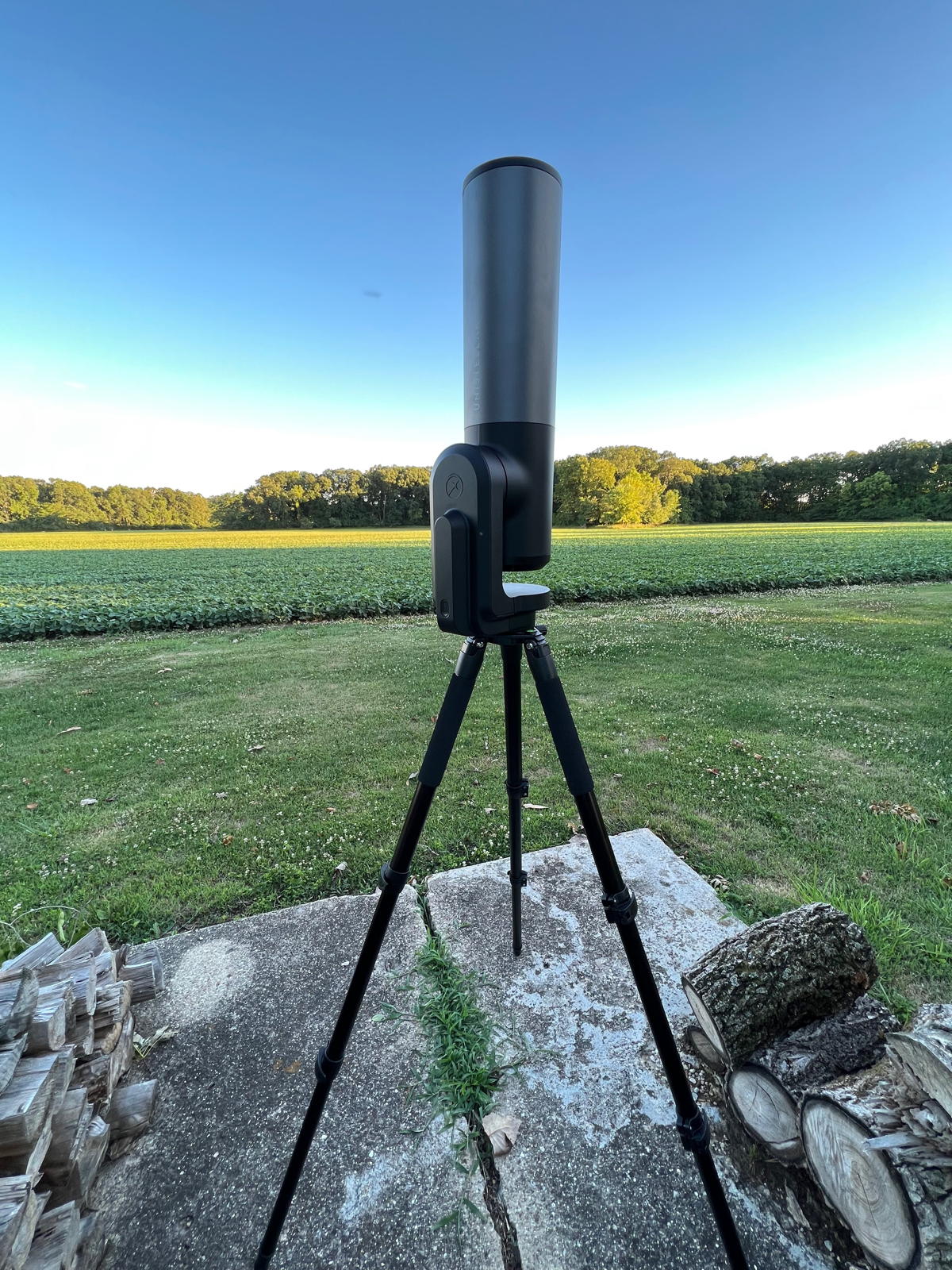
    The eQuinox 2 is ready for sundown in central Illinois. No eyepiece here, so have your smartphone handy if you want to stargaze.

    Enlarge / The eQuinox 2 is ready for sundown in central Illinois. No eyepiece here, so have your smartphone handy if you want to stargaze. (credit: Eric Bangeman/Ars Technica)

    When we reviewed the Unistellar eVscope a couple of years ago, we came away impressed. It offered a communal stargazing experience that takes our ubiquitous smartphones and turns them into a way to view the heavens. Unistellar's newest offering is the eQuinox 2, a lower-cost alternative to eVscope 2, taking all of the features from its original telescope, improving the technology, and dropping the price to $2,499.

    Unistellar's smart telescopes are designed to make astronomy more accessible by automating skywatching and using digital sensors to "collect" light from faraway objects, making light pollution a small nuisance instead of a deal-breaker.

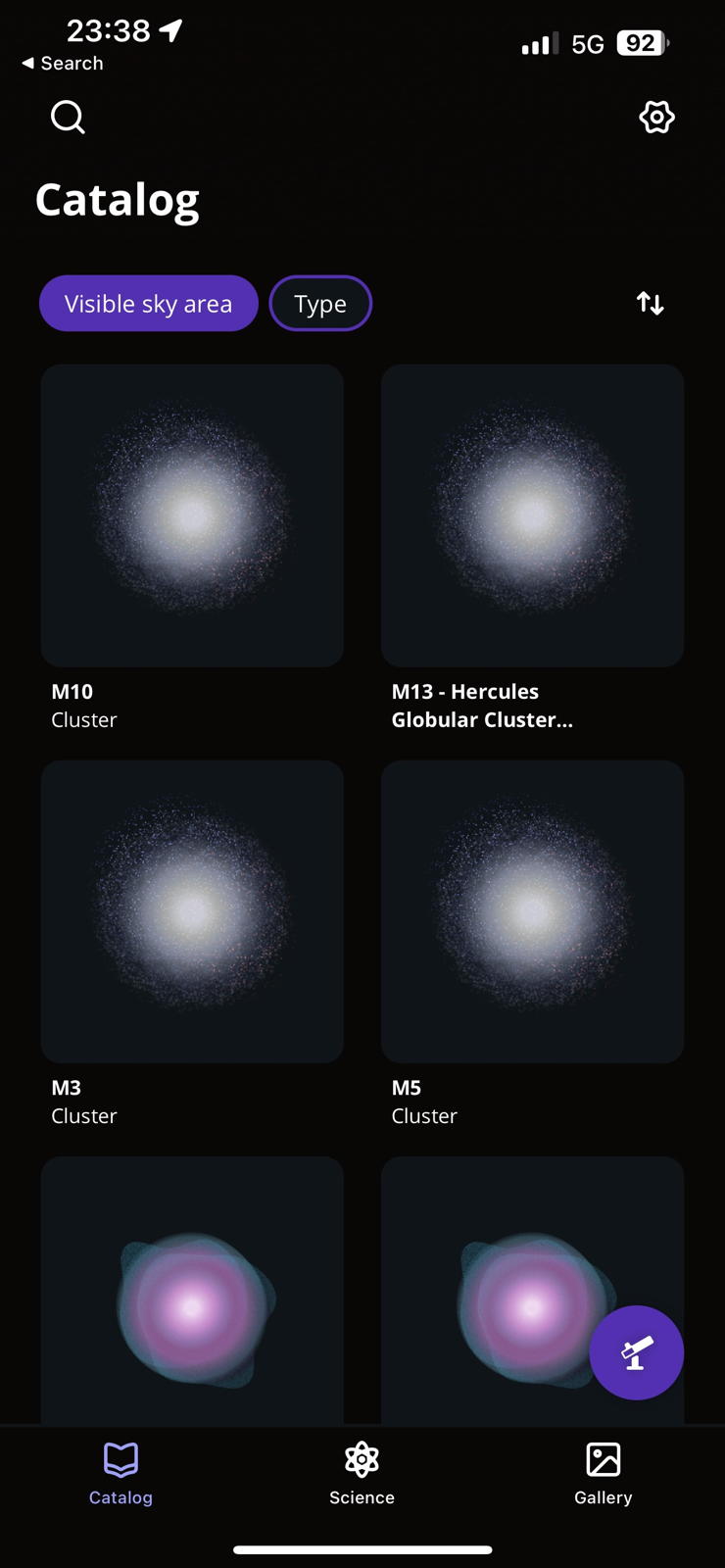
    • Unistellar's catalog contains over 5,000 celestial objects. [credit: Eric Bangeman/Ars Technica ]

    At a glance, the biggest difference between the eQuinox 2 and its predecessor is the former's lack of an eyepiece. Unistellar got rid of the eyepiece, which isn't much of a loss. Instead of taking turns peering through the eyepiece, up to 10 people can stargaze simultaneously with the Unistellar app. Connect to the telescope's built-in Wi-Fi network, launch the app, and you're ready to scan the skies. One person controls the telescope and everyone else can watch. The operator can give control of the telescope to anyone else easily.

    Read 8 remaining paragraphs | Comments

    • tagspace tagspace tagspace tagtech tagtech tagtech tagastronomy tagastronomy tagastronomy tagcosmology tagcosmology tagcosmology tagequinox 2 tagequinox 2 tagequinox 2 tagtelescopes tagtelescopes tagtelescopes tagunistellar tagunistellar tagunistellar tagspace tagspace tagspace tagtech tagtech tagtech tagastronomy tagastronomy tagastronomy tagcosmology tagcosmology tagcosmology tagequinox 2 tagequinox 2 tagequinox 2 tagtelescopes tagtelescopes tagtelescopes tagunistellar tagunistellar tagunistellar tagspace tagspace tagspace tagtech tagtech tagtech tagastronomy tagastronomy tagastronomy tagcosmology tagcosmology tagcosmology tagequinox 2 tagequinox 2 tagequinox 2 tagtelescopes tagtelescopes tagtelescopes tagunistellar tagunistellar tagunistellar

    • Ar chevron_right

      Communal stargazing using your phone: The Unistellar eQuinox 2, reviewed

      news.movim.eu / ArsTechnica • 29 July 2023 • 1 minute

    The eQuinox 2 is ready for sundown in central Illinois. No eyepiece here, so have your smartphone handy if you want to stargaze.

    Enlarge / The eQuinox 2 is ready for sundown in central Illinois. No eyepiece here, so have your smartphone handy if you want to stargaze. (credit: Eric Bangeman/Ars Technica)

    When we reviewed the Unistellar eVscope a couple of years ago, we came away impressed. It offered a communal stargazing experience that takes our ubiquitous smartphones and turns them into a way to view the heavens. Unistellar's newest offering is the eQuinox 2, a lower-cost alternative to eVscope 2, taking all of the features from its original telescope, improving the technology, and dropping the price to $2,499.

    Unistellar's smart telescopes are designed to make astronomy more accessible by automating skywatching and using digital sensors to "collect" light from faraway objects, making light pollution a small nuisance instead of a deal-breaker.

    • Unistellar's catalog contains over 5,000 celestial objects. [credit: Eric Bangeman/Ars Technica ]

    At a glance, the biggest difference between the eQuinox 2 and its predecessor is the former's lack of an eyepiece. Unistellar got rid of the eyepiece, which isn't much of a loss. Instead of taking turns peering through the eyepiece, up to 10 people can stargaze simultaneously with the Unistellar app. Connect to the telescope's built-in Wi-Fi network, launch the app, and you're ready to scan the skies. One person controls the telescope and everyone else can watch. The operator can give control of the telescope to anyone else easily.

    Read 8 remaining paragraphs | Comments

    • tagspace tagspace tagspace tagtech tagtech tagtech tagastronomy tagastronomy tagastronomy tagcosmology tagcosmology tagcosmology tagequinox 2 tagequinox 2 tagequinox 2 tagtelescopes tagtelescopes tagtelescopes tagunistellar tagunistellar tagunistellar tagspace tagspace tagspace tagtech tagtech tagtech tagastronomy tagastronomy tagastronomy tagcosmology tagcosmology tagcosmology tagequinox 2 tagequinox 2 tagequinox 2 tagtelescopes tagtelescopes tagtelescopes tagunistellar tagunistellar tagunistellar tagspace tagspace tagspace tagtech tagtech tagtech tagastronomy tagastronomy tagastronomy tagcosmology tagcosmology tagcosmology tagequinox 2 tagequinox 2 tagequinox 2 tagtelescopes tagtelescopes tagtelescopes tagunistellar tagunistellar tagunistellar

    • Ar chevron_right

      Communal stargazing using your phone: The Unistellar eQuinox 2, reviewed

      news.movim.eu / ArsTechnica • 29 July 2023 • 1 minute

    The eQuinox 2 is ready for sundown in central Illinois. No eyepiece here, so have your smartphone handy if you want to stargaze.

    Enlarge / The eQuinox 2 is ready for sundown in central Illinois. No eyepiece here, so have your smartphone handy if you want to stargaze. (credit: Eric Bangeman/Ars Technica)

    When we reviewed the Unistellar eVscope a couple of years ago, we came away impressed. It offered a communal stargazing experience that takes our ubiquitous smartphones and turns them into a way to view the heavens. Unistellar's newest offering is the eQuinox 2, a lower-cost alternative to eVscope 2, taking all of the features from its original telescope, improving the technology, and dropping the price to $2,499.

    Unistellar's smart telescopes are designed to make astronomy more accessible by automating skywatching and using digital sensors to "collect" light from faraway objects, making light pollution a small nuisance instead of a deal-breaker.

    • Unistellar's catalog contains over 5,000 celestial objects. [credit: Eric Bangeman/Ars Technica ]

    At a glance, the biggest difference between the eQuinox 2 and its predecessor is the former's lack of an eyepiece. Unistellar got rid of the eyepiece, which isn't much of a loss. Instead of taking turns peering through the eyepiece, up to 10 people can stargaze simultaneously with the Unistellar app. Connect to the telescope's built-in Wi-Fi network, launch the app, and you're ready to scan the skies. One person controls the telescope and everyone else can watch. The operator can give control of the telescope to anyone else easily.

    Read 8 remaining paragraphs | Comments

    • tagspace tagspace tagspace tagtech tagtech tagtech tagastronomy tagastronomy tagastronomy tagcosmology tagcosmology tagcosmology tagequinox 2 tagequinox 2 tagequinox 2 tagtelescopes tagtelescopes tagtelescopes tagunistellar tagunistellar tagunistellar tagspace tagspace tagspace tagtech tagtech tagtech tagastronomy tagastronomy tagastronomy tagcosmology tagcosmology tagcosmology tagequinox 2 tagequinox 2 tagequinox 2 tagtelescopes tagtelescopes tagtelescopes tagunistellar tagunistellar tagunistellar tagspace tagspace tagspace tagtech tagtech tagtech tagastronomy tagastronomy tagastronomy tagcosmology tagcosmology tagcosmology tagequinox 2 tagequinox 2 tagequinox 2 tagtelescopes tagtelescopes tagtelescopes tagunistellar tagunistellar tagunistellar

    • Ar chevron_right

      European satellite plunges back to Earth in first-of-its-kind assisted re-entry

      news.movim.eu / ArsTechnica • 28 July 2023

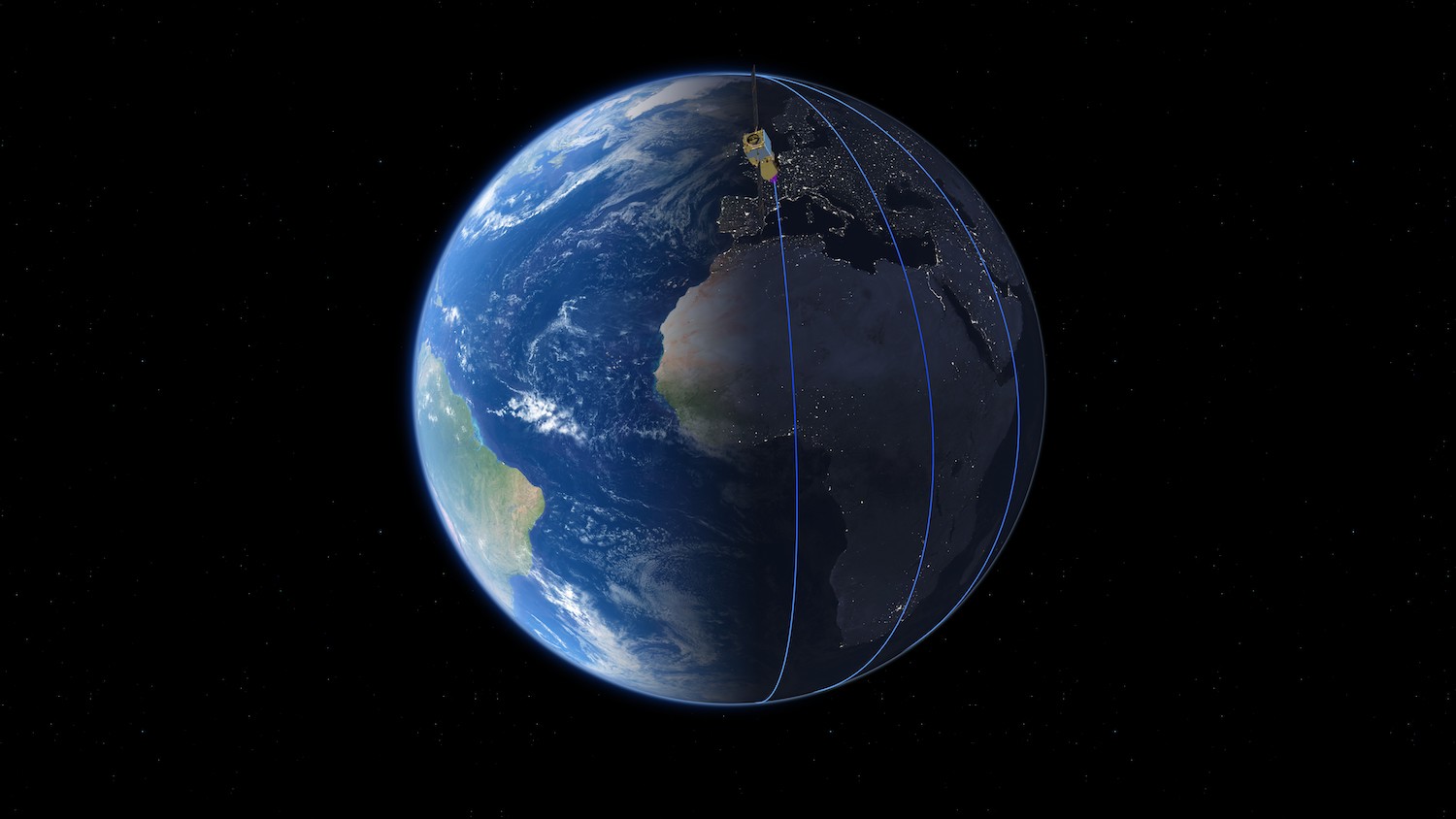
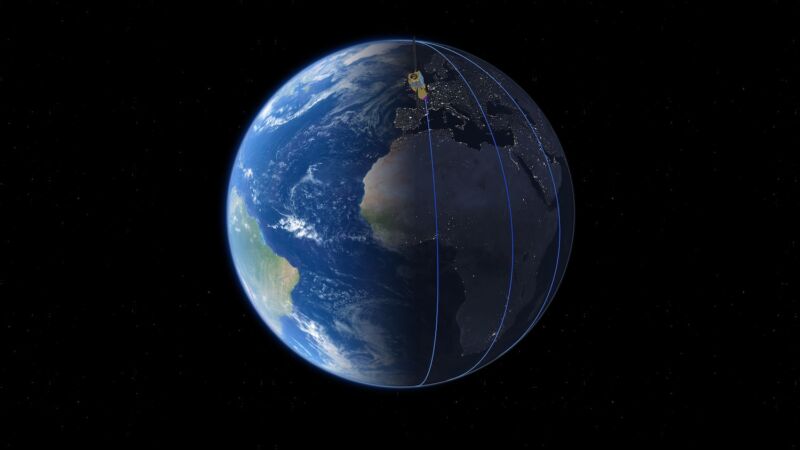
    Artist's illustration showing the orbital tracks of the European Space Agency's Aeolus satellite.

    Enlarge / Artist's illustration showing the orbital tracks of the European Space Agency's Aeolus satellite. (credit: ESA/ATG medialab )

    The European Space Agency deftly guided one of its satellites toward a fiery re-entry into Earth's atmosphere Friday, demonstrating a new method of post-mission disposal to ensure the spacecraft would not fall into any populated areas.

    The Aeolus satellite was relatively modest in size and mass—about 1.1 metric tons with its fuel tank empty—but ESA hailed Friday's "assisted re-entry" as proof that the space agency takes the stewardship of space seriously.

    When the Aeolus mission was conceived in the late 1990s, there were no guidelines for European satellites regarding space debris or the safety of their re-entry. Aeolus took nearly 20 years to get to the launch pad, operated in space for five years, and now regulations have changed. Future ESA satellites will need to be capable of a targeted re-entry, where rocket engines steer the spacecraft toward a specific patch of ocean or are designed to burn up from aerodynamic heating.

    Read 11 remaining paragraphs | Comments

    • tagscience tagscience tagscience tagspace tagspace tagspace tagaeolus tagaeolus tagaeolus tageuropean space agency tageuropean space agency tageuropean space agency tagre-entry tagre-entry tagre-entry tagspace debris tagspace debris tagspace debris tagweather forecasts tagweather forecasts tagweather forecasts tagscience tagscience tagscience tagspace tagspace tagspace tagaeolus tagaeolus tagaeolus tageuropean space agency tageuropean space agency tageuropean space agency tagre-entry tagre-entry tagre-entry tagspace debris tagspace debris tagspace debris tagweather forecasts tagweather forecasts tagweather forecasts tagscience tagscience tagscience tagspace tagspace tagspace tagaeolus tagaeolus tagaeolus tageuropean space agency tageuropean space agency tageuropean space agency tagre-entry tagre-entry tagre-entry tagspace debris tagspace debris tagspace debris tagweather forecasts tagweather forecasts tagweather forecasts

    • Ar chevron_right

      European satellite plunges back to Earth in first-of-its-kind assisted re-entry

      news.movim.eu / ArsTechnica • 28 July 2023

    Artist's illustration showing the orbital tracks of the European Space Agency's Aeolus satellite.

    Enlarge / Artist's illustration showing the orbital tracks of the European Space Agency's Aeolus satellite. (credit: ESA/ATG medialab )

    The European Space Agency deftly guided one of its satellites toward a fiery re-entry into Earth's atmosphere Friday, demonstrating a new method of post-mission disposal to ensure the spacecraft would not fall into any populated areas.

    The Aeolus satellite was relatively modest in size and mass—about 1.1 metric tons with its fuel tank empty—but ESA hailed Friday's "assisted re-entry" as proof that the space agency takes the stewardship of space seriously.

    When the Aeolus mission was conceived in the late 1990s, there were no guidelines for European satellites regarding space debris or the safety of their re-entry. Aeolus took nearly 20 years to get to the launch pad, operated in space for five years, and now regulations have changed. Future ESA satellites will need to be capable of a targeted re-entry, where rocket engines steer the spacecraft toward a specific patch of ocean or are designed to burn up from aerodynamic heating.

    Read 11 remaining paragraphs | Comments

    • tagscience tagscience tagscience tagspace tagspace tagspace tagaeolus tagaeolus tagaeolus tageuropean space agency tageuropean space agency tageuropean space agency tagre-entry tagre-entry tagre-entry tagspace debris tagspace debris tagspace debris tagweather forecasts tagweather forecasts tagweather forecasts tagscience tagscience tagscience tagspace tagspace tagspace tagaeolus tagaeolus tagaeolus tageuropean space agency tageuropean space agency tageuropean space agency tagre-entry tagre-entry tagre-entry tagspace debris tagspace debris tagspace debris tagweather forecasts tagweather forecasts tagweather forecasts tagscience tagscience tagscience tagspace tagspace tagspace tagaeolus tagaeolus tagaeolus tageuropean space agency tageuropean space agency tageuropean space agency tagre-entry tagre-entry tagre-entry tagspace debris tagspace debris tagspace debris tagweather forecasts tagweather forecasts tagweather forecasts

    • Ar chevron_right

      European satellite plunges back to Earth in first-of-its-kind assisted re-entry

      news.movim.eu / ArsTechnica • 28 July 2023

    Artist's illustration showing the orbital tracks of the European Space Agency's Aeolus satellite.

    Enlarge / Artist's illustration showing the orbital tracks of the European Space Agency's Aeolus satellite. (credit: ESA/ATG medialab )

    The European Space Agency deftly guided one of its satellites toward a fiery re-entry into Earth's atmosphere Friday, demonstrating a new method of post-mission disposal to ensure the spacecraft would not fall into any populated areas.

    The Aeolus satellite was relatively modest in size and mass—about 1.1 metric tons with its fuel tank empty—but ESA hailed Friday's "assisted re-entry" as proof that the space agency takes the stewardship of space seriously.

    When the Aeolus mission was conceived in the late 1990s, there were no guidelines for European satellites regarding space debris or the safety of their re-entry. Aeolus took nearly 20 years to get to the launch pad, operated in space for five years, and now regulations have changed. Future ESA satellites will need to be capable of a targeted re-entry, where rocket engines steer the spacecraft toward a specific patch of ocean or are designed to burn up from aerodynamic heating.

    Read 11 remaining paragraphs | Comments

    • tagscience tagscience tagscience tagspace tagspace tagspace tagaeolus tagaeolus tagaeolus tageuropean space agency tageuropean space agency tageuropean space agency tagre-entry tagre-entry tagre-entry tagspace debris tagspace debris tagspace debris tagweather forecasts tagweather forecasts tagweather forecasts tagscience tagscience tagscience tagspace tagspace tagspace tagaeolus tagaeolus tagaeolus tageuropean space agency tageuropean space agency tageuropean space agency tagre-entry tagre-entry tagre-entry tagspace debris tagspace debris tagspace debris tagweather forecasts tagweather forecasts tagweather forecasts tagscience tagscience tagscience tagspace tagspace tagspace tagaeolus tagaeolus tagaeolus tageuropean space agency tageuropean space agency tageuropean space agency tagre-entry tagre-entry tagre-entry tagspace debris tagspace debris tagspace debris tagweather forecasts tagweather forecasts tagweather forecasts

  • history

    Get older posts

  • cloud_queue

    Powered by Movim