• progress_activity cloud_sync

    Reconnection to the server…

    Movim cannot talk with the server, please try again later


    • Public subscriptions

    • chevron_right

      coopr8

    • chevron_right

      gabagoo

    • chevron_right

      kenu_demon

    • chevron_right

      coopr8

    • chevron_right

      gabagoo

    • chevron_right

      kenu_demon

    • chevron_right

      coopr8

    • chevron_right

      gabagoo

    • chevron_right

      kenu_demon

  • Register Login

    Movim

    movim.chatterboxtown.us


  • group_work rss_feed
    add Follow

    ArsTechnica

    • Ar chevron_right

      CERN cuts ties with Russia, will expel hundreds of scientists by December

      news.movim.eu / ArsTechnica • 20 September 2024 • 1 minute
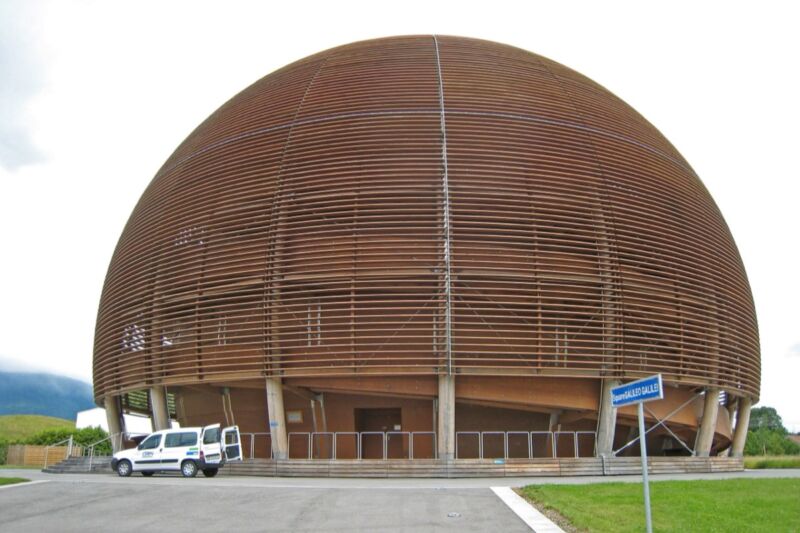
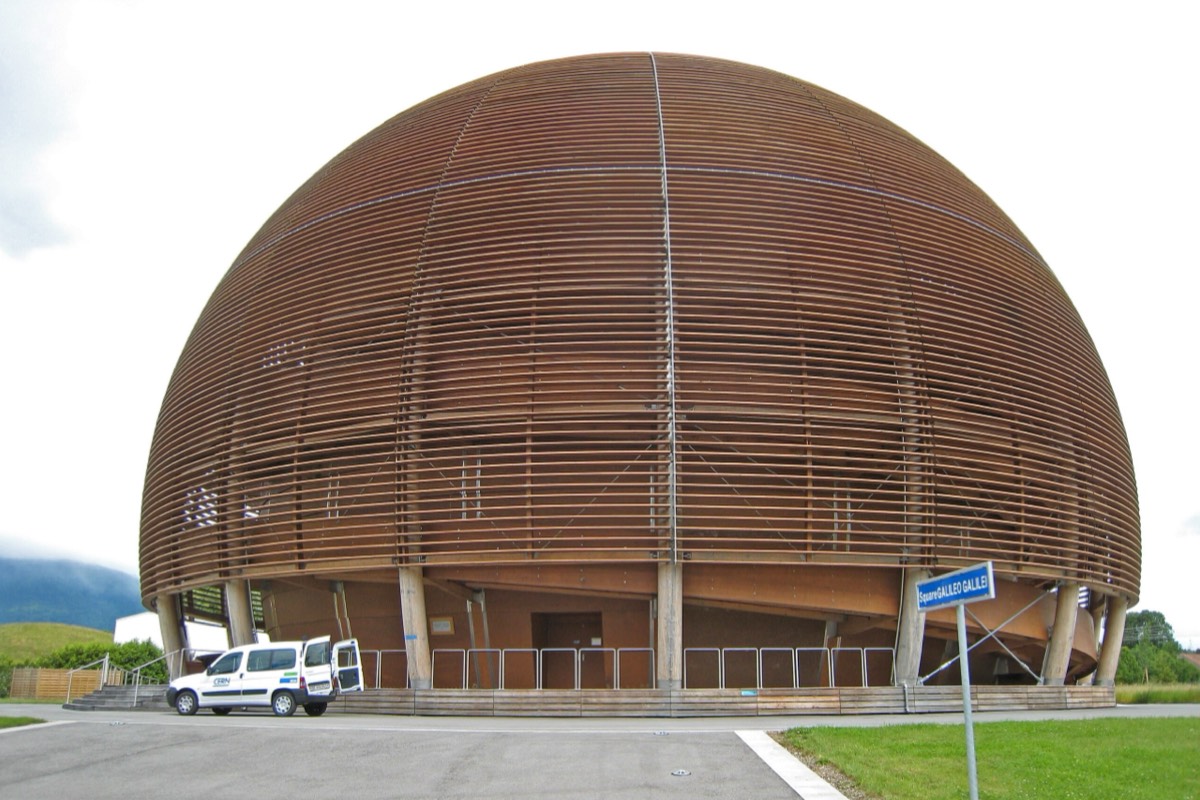
    The Globe of Science and Innovation at CERN

    Enlarge / The Globe of Science and Innovation at CERN (credit: Adam Nieman/CC BY-SA 2.0 )

    Since its founding in 1954, high-energy physics laboratory CERN has been a flagship for international scientific collaboration. That commitment has been under strain since the Russian invasion of Ukraine in 2022. CERN decided to cut ties with Moscow late last year over deaths resulting from the country's "unlawful use of force" in the ongoing conflict.

    With the existing international cooperation agreements now lapsing, the Geneva-based organization is expected to expel hundreds of scientists on November 30 affiliated with Russian institutions, Nature reports . However, CERN will maintain its links with the Joint Institute for Nuclear Research, an intergovernmental center near Moscow.

    CERN was founded in the wake of World War II as a place dedicated to the peaceful pursuit of science. The organization currently has 24 member states and in 2019 alone hosted about 12,400 users from institutions in more than 70 countries. Russia has never been a full member of CERN, but collaborations first began in 1955, with hundreds of Russia-affiliated scientists contributing to experiments in the ensuing decades. Now, that 60-year history of collaboration, and Russia's long-standing observer status, is ending. As World Nuclear News reported earlier this year:
    Read 3 remaining paragraphs | Comments

    • tagscience tagscience tagscience tagcern tagcern tagcern tagrussia tagrussia tagrussia tagrussia invasion of ukraine tagrussia invasion of ukraine tagrussia invasion of ukraine tagscientific collaboration tagscientific collaboration tagscientific collaboration tagscience tagscience tagscience tagcern tagcern tagcern tagrussia tagrussia tagrussia tagrussia invasion of ukraine tagrussia invasion of ukraine tagrussia invasion of ukraine tagscientific collaboration tagscientific collaboration tagscientific collaboration tagscience tagscience tagscience tagcern tagcern tagcern tagrussia tagrussia tagrussia tagrussia invasion of ukraine tagrussia invasion of ukraine tagrussia invasion of ukraine tagscientific collaboration tagscientific collaboration tagscientific collaboration

    • Ar chevron_right

      CERN cuts ties with Russia, will expel hundreds of scientists by December

      news.movim.eu / ArsTechnica • 20 September 2024 • 1 minute

    The Globe of Science and Innovation at CERN

    Enlarge / The Globe of Science and Innovation at CERN (credit: Adam Nieman/CC BY-SA 2.0 )

    Since its founding in 1954, high-energy physics laboratory CERN has been a flagship for international scientific collaboration. That commitment has been under strain since the Russian invasion of Ukraine in 2022. CERN decided to cut ties with Moscow late last year over deaths resulting from the country's "unlawful use of force" in the ongoing conflict.

    With the existing international cooperation agreements now lapsing, the Geneva-based organization is expected to expel hundreds of scientists on November 30 affiliated with Russian institutions, Nature reports . However, CERN will maintain its links with the Joint Institute for Nuclear Research, an intergovernmental center near Moscow.

    CERN was founded in the wake of World War II as a place dedicated to the peaceful pursuit of science. The organization currently has 24 member states and in 2019 alone hosted about 12,400 users from institutions in more than 70 countries. Russia has never been a full member of CERN, but collaborations first began in 1955, with hundreds of Russia-affiliated scientists contributing to experiments in the ensuing decades. Now, that 60-year history of collaboration, and Russia's long-standing observer status, is ending. As World Nuclear News reported earlier this year:
    Read 3 remaining paragraphs | Comments

    • tagscience tagscience tagscience tagcern tagcern tagcern tagrussia tagrussia tagrussia tagrussia invasion of ukraine tagrussia invasion of ukraine tagrussia invasion of ukraine tagscientific collaboration tagscientific collaboration tagscientific collaboration tagscience tagscience tagscience tagcern tagcern tagcern tagrussia tagrussia tagrussia tagrussia invasion of ukraine tagrussia invasion of ukraine tagrussia invasion of ukraine tagscientific collaboration tagscientific collaboration tagscientific collaboration tagscience tagscience tagscience tagcern tagcern tagcern tagrussia tagrussia tagrussia tagrussia invasion of ukraine tagrussia invasion of ukraine tagrussia invasion of ukraine tagscientific collaboration tagscientific collaboration tagscientific collaboration

    • Ar chevron_right

      CERN cuts ties with Russia, will expel hundreds of scientists by December

      news.movim.eu / ArsTechnica • 20 September 2024 • 1 minute

    The Globe of Science and Innovation at CERN

    Enlarge / The Globe of Science and Innovation at CERN (credit: Adam Nieman/CC BY-SA 2.0 )

    Since its founding in 1954, high-energy physics laboratory CERN has been a flagship for international scientific collaboration. That commitment has been under strain since the Russian invasion of Ukraine in 2022. CERN decided to cut ties with Moscow late last year over deaths resulting from the country's "unlawful use of force" in the ongoing conflict.

    With the existing international cooperation agreements now lapsing, the Geneva-based organization is expected to expel hundreds of scientists on November 30 affiliated with Russian institutions, Nature reports . However, CERN will maintain its links with the Joint Institute for Nuclear Research, an intergovernmental center near Moscow.

    CERN was founded in the wake of World War II as a place dedicated to the peaceful pursuit of science. The organization currently has 24 member states and in 2019 alone hosted about 12,400 users from institutions in more than 70 countries. Russia has never been a full member of CERN, but collaborations first began in 1955, with hundreds of Russia-affiliated scientists contributing to experiments in the ensuing decades. Now, that 60-year history of collaboration, and Russia's long-standing observer status, is ending. As World Nuclear News reported earlier this year:
    Read 3 remaining paragraphs | Comments

    • tagscience tagscience tagscience tagcern tagcern tagcern tagrussia tagrussia tagrussia tagrussia invasion of ukraine tagrussia invasion of ukraine tagrussia invasion of ukraine tagscientific collaboration tagscientific collaboration tagscientific collaboration tagscience tagscience tagscience tagcern tagcern tagcern tagrussia tagrussia tagrussia tagrussia invasion of ukraine tagrussia invasion of ukraine tagrussia invasion of ukraine tagscientific collaboration tagscientific collaboration tagscientific collaboration tagscience tagscience tagscience tagcern tagcern tagcern tagrussia tagrussia tagrussia tagrussia invasion of ukraine tagrussia invasion of ukraine tagrussia invasion of ukraine tagscientific collaboration tagscientific collaboration tagscientific collaboration

    • Ar chevron_right

      New study takes the Earth’s temperature over a half-billion years

      news.movim.eu / ArsTechnica • 20 September 2024 • 1 minute

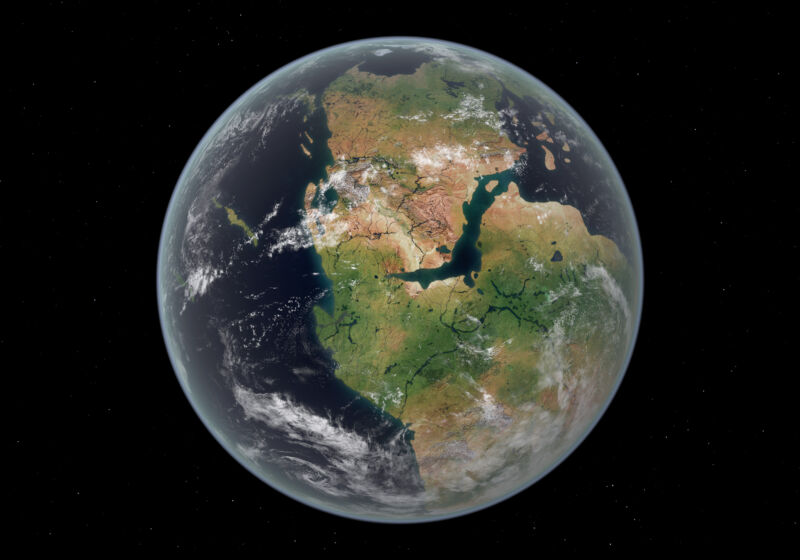
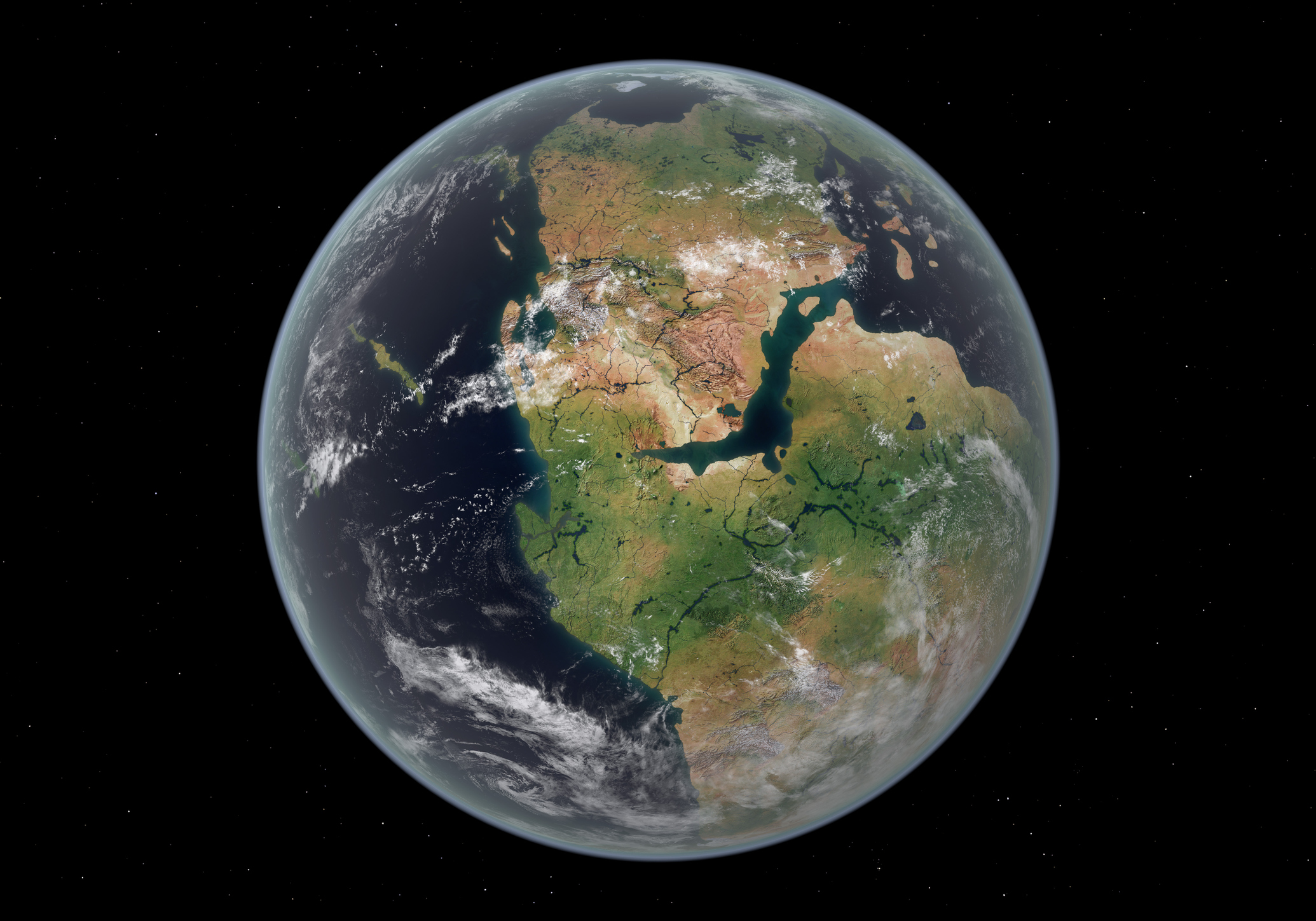
    Image of the Earth with a single, enormous land mass composed of several present-day continents.

    Enlarge / The cycle of building and breaking up of supercontinents seems to drive long-term climate trends. (credit: Walter Myers/Stocktrek Images )

    Global temperature records go back less than two centuries. But that doesn't mean we have no idea what the world was doing before we started building thermometers. There are various things—tree rings, isotope ratios, and more—that register temperatures in the past. Using these temperature proxies, we've managed to reconstruct thousands of years of our planet's climate.

    But going back further is difficult. Fewer proxies get preserved over longer times, and samples get rarer. By the time we go back past a million years, it's difficult to find enough proxies from around the globe and the same time period to reconstruct a global temperature. There are a few exceptions, like the Paleocene-Eocene Thermal Maximum (PETM), a burst of sudden warming about 55 million years ago, but few events that old are nearly as well understood.

    Now, researchers have used a combination of proxy records and climate models to reconstruct the Earth's climate for the last half-billion years, providing a global record of temperatures stretching all the way back to near the Cambrian explosion of complex life. The record shows that, with one apparent exception, carbon dioxide and global temperatures have been tightly linked. Which is somewhat surprising, given the other changes the Earth has experienced over this time.

    Read 13 remaining paragraphs | Comments

    • tagscience tagscience tagscience tagclimate tagclimate tagclimate tagearth science tagearth science tagearth science taggeology taggeology taggeology tagpaleoclimate tagpaleoclimate tagpaleoclimate tagscience tagscience tagscience tagclimate tagclimate tagclimate tagearth science tagearth science tagearth science taggeology taggeology taggeology tagpaleoclimate tagpaleoclimate tagpaleoclimate tagscience tagscience tagscience tagclimate tagclimate tagclimate tagearth science tagearth science tagearth science taggeology taggeology taggeology tagpaleoclimate tagpaleoclimate tagpaleoclimate

    • Ar chevron_right

      New study takes the Earth’s temperature over a half-billion years

      news.movim.eu / ArsTechnica • 20 September 2024 • 1 minute

    Image of the Earth with a single, enormous land mass composed of several present-day continents.

    Enlarge / The cycle of building and breaking up of supercontinents seems to drive long-term climate trends. (credit: Walter Myers/Stocktrek Images )

    Global temperature records go back less than two centuries. But that doesn't mean we have no idea what the world was doing before we started building thermometers. There are various things—tree rings, isotope ratios, and more—that register temperatures in the past. Using these temperature proxies, we've managed to reconstruct thousands of years of our planet's climate.

    But going back further is difficult. Fewer proxies get preserved over longer times, and samples get rarer. By the time we go back past a million years, it's difficult to find enough proxies from around the globe and the same time period to reconstruct a global temperature. There are a few exceptions, like the Paleocene-Eocene Thermal Maximum (PETM), a burst of sudden warming about 55 million years ago, but few events that old are nearly as well understood.

    Now, researchers have used a combination of proxy records and climate models to reconstruct the Earth's climate for the last half-billion years, providing a global record of temperatures stretching all the way back to near the Cambrian explosion of complex life. The record shows that, with one apparent exception, carbon dioxide and global temperatures have been tightly linked. Which is somewhat surprising, given the other changes the Earth has experienced over this time.

    Read 13 remaining paragraphs | Comments

    • tagscience tagscience tagscience tagclimate tagclimate tagclimate tagearth science tagearth science tagearth science taggeology taggeology taggeology tagpaleoclimate tagpaleoclimate tagpaleoclimate tagscience tagscience tagscience tagclimate tagclimate tagclimate tagearth science tagearth science tagearth science taggeology taggeology taggeology tagpaleoclimate tagpaleoclimate tagpaleoclimate tagscience tagscience tagscience tagclimate tagclimate tagclimate tagearth science tagearth science tagearth science taggeology taggeology taggeology tagpaleoclimate tagpaleoclimate tagpaleoclimate

    • Ar chevron_right

      New study takes the Earth’s temperature over a half-billion years

      news.movim.eu / ArsTechnica • 20 September 2024 • 1 minute

    Image of the Earth with a single, enormous land mass composed of several present-day continents.

    Enlarge / The cycle of building and breaking up of supercontinents seems to drive long-term climate trends. (credit: Walter Myers/Stocktrek Images )

    Global temperature records go back less than two centuries. But that doesn't mean we have no idea what the world was doing before we started building thermometers. There are various things—tree rings, isotope ratios, and more—that register temperatures in the past. Using these temperature proxies, we've managed to reconstruct thousands of years of our planet's climate.

    But going back further is difficult. Fewer proxies get preserved over longer times, and samples get rarer. By the time we go back past a million years, it's difficult to find enough proxies from around the globe and the same time period to reconstruct a global temperature. There are a few exceptions, like the Paleocene-Eocene Thermal Maximum (PETM), a burst of sudden warming about 55 million years ago, but few events that old are nearly as well understood.

    Now, researchers have used a combination of proxy records and climate models to reconstruct the Earth's climate for the last half-billion years, providing a global record of temperatures stretching all the way back to near the Cambrian explosion of complex life. The record shows that, with one apparent exception, carbon dioxide and global temperatures have been tightly linked. Which is somewhat surprising, given the other changes the Earth has experienced over this time.

    Read 13 remaining paragraphs | Comments

    • tagscience tagscience tagscience tagclimate tagclimate tagclimate tagearth science tagearth science tagearth science taggeology taggeology taggeology tagpaleoclimate tagpaleoclimate tagpaleoclimate tagscience tagscience tagscience tagclimate tagclimate tagclimate tagearth science tagearth science tagearth science taggeology taggeology taggeology tagpaleoclimate tagpaleoclimate tagpaleoclimate tagscience tagscience tagscience tagclimate tagclimate tagclimate tagearth science tagearth science tagearth science taggeology taggeology taggeology tagpaleoclimate tagpaleoclimate tagpaleoclimate

    • Ar chevron_right

      Re-opened Three Mile Island will power AI data centers under new deal

      news.movim.eu / ArsTechnica • 20 September 2024 • 1 minute

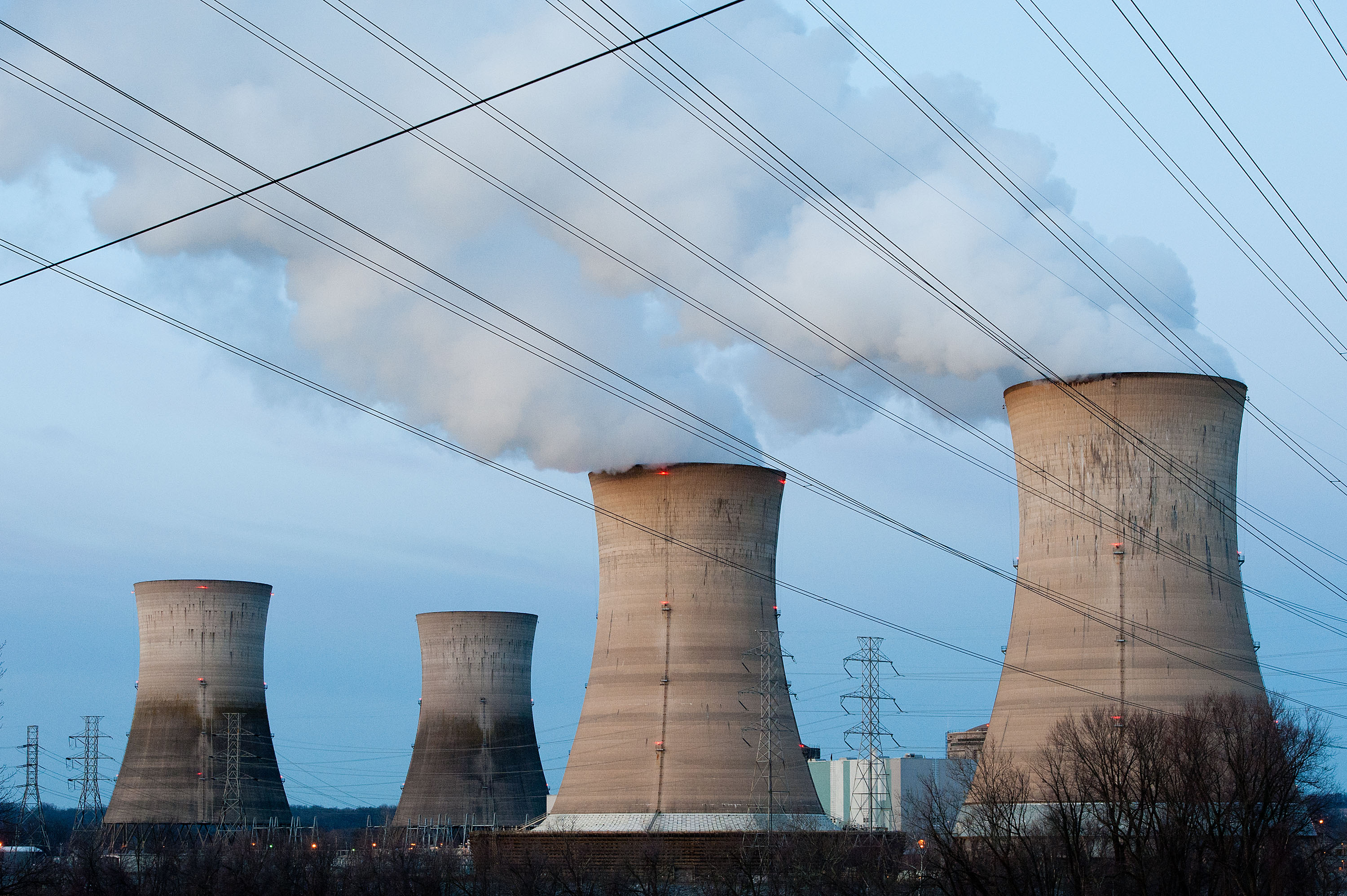
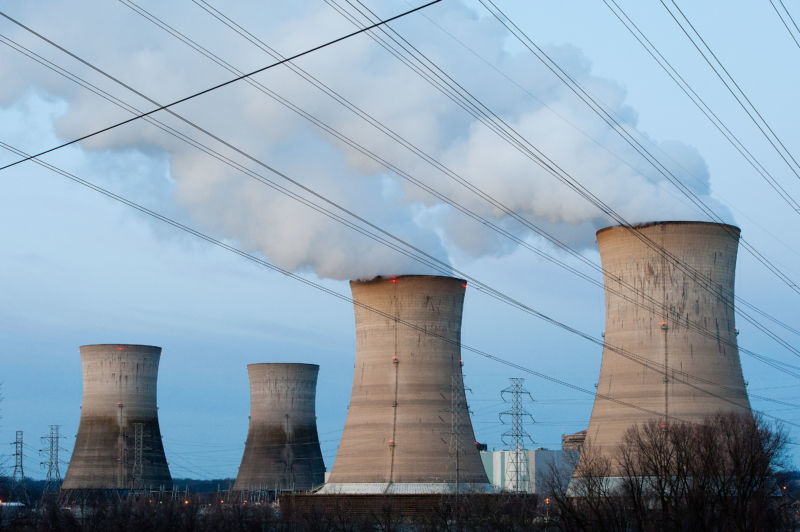
    Cooling towers at Three Mile Island.

    Enlarge / The Three Mile Island Nuclear Plant is seen in the early morning hours March 28, 2011, in Middletown, Penn. (credit: Jeff Fusco/Getty Images )

    Microsoft and Constellation Energy have announced a deal that would re-open Pennsylvania's shuttered Three Mile Island nuclear plant. The agreement would let Microsoft purchase the entirety of the plant's roughly 835 megawatts of energy generation—enough to power approximately 800,000 homes—for a span of 20 years starting in 2028, pending regulatory approval.

    The actual electricity from the Three Mile Island plant—which would be renamed Crane Clean Energy Center—wouldn't be earmarked for any specific use and would go to local interconnections rather than directly to Microsoft facilities. But the deal comes as Microsoft and large swaths of the tech industry seek new energy sources for data centers that power everything from generative AI models to cloud computing and streaming services.

    A new nuclear dawn?

    Pennsylvania's Three Mile Island plant rose to infamy in 1979 when a partial meltdown in Unit 2 helped ignite panic over nuclear safety across the country. The new Microsoft deal would re-open the adjacent Unit 1, which was shuttered in 2019 "due to poor economics," according to Constellation. If and when the plant reaches its planned 2028 re-opening, it would be among the first wave of shuttered nuclear plants being put back into service.

    Read 8 remaining paragraphs | Comments

    • tagai tagai tagai tagtech tagtech tagtech tagai tagai tagai tagtech tagtech tagtech tagai tagai tagai tagtech tagtech tagtech

    • Ar chevron_right

      Re-opened Three Mile Island will power AI data centers under new deal

      news.movim.eu / ArsTechnica • 20 September 2024 • 1 minute

    Cooling towers at Three Mile Island.

    Enlarge / The Three Mile Island Nuclear Plant is seen in the early morning hours March 28, 2011, in Middletown, Penn. (credit: Jeff Fusco/Getty Images )

    Microsoft and Constellation Energy have announced a deal that would re-open Pennsylvania's shuttered Three Mile Island nuclear plant. The agreement would let Microsoft purchase the entirety of the plant's roughly 835 megawatts of energy generation—enough to power approximately 800,000 homes—for a span of 20 years starting in 2028, pending regulatory approval.

    The actual electricity from the Three Mile Island plant—which would be renamed Crane Clean Energy Center—wouldn't be earmarked for any specific use and would go to local interconnections rather than directly to Microsoft facilities. But the deal comes as Microsoft and large swaths of the tech industry seek new energy sources for data centers that power everything from generative AI models to cloud computing and streaming services.

    A new nuclear dawn?

    Pennsylvania's Three Mile Island plant rose to infamy in 1979 when a partial meltdown in Unit 2 helped ignite panic over nuclear safety across the country. The new Microsoft deal would re-open the adjacent Unit 1, which was shuttered in 2019 "due to poor economics," according to Constellation. If and when the plant reaches its planned 2028 re-opening, it would be among the first wave of shuttered nuclear plants being put back into service.

    Read 8 remaining paragraphs | Comments

    • tagai tagai tagai tagtech tagtech tagtech tagai tagai tagai tagtech tagtech tagtech tagai tagai tagai tagtech tagtech tagtech

    • Ar chevron_right

      Re-opened Three Mile Island will power AI data centers under new deal

      news.movim.eu / ArsTechnica • 20 September 2024 • 1 minute

    Cooling towers at Three Mile Island.

    Enlarge / The Three Mile Island Nuclear Plant is seen in the early morning hours March 28, 2011, in Middletown, Penn. (credit: Jeff Fusco/Getty Images )

    Microsoft and Constellation Energy have announced a deal that would re-open Pennsylvania's shuttered Three Mile Island nuclear plant. The agreement would let Microsoft purchase the entirety of the plant's roughly 835 megawatts of energy generation—enough to power approximately 800,000 homes—for a span of 20 years starting in 2028, pending regulatory approval.

    The actual electricity from the Three Mile Island plant—which would be renamed Crane Clean Energy Center—wouldn't be earmarked for any specific use and would go to local interconnections rather than directly to Microsoft facilities. But the deal comes as Microsoft and large swaths of the tech industry seek new energy sources for data centers that power everything from generative AI models to cloud computing and streaming services.

    A new nuclear dawn?

    Pennsylvania's Three Mile Island plant rose to infamy in 1979 when a partial meltdown in Unit 2 helped ignite panic over nuclear safety across the country. The new Microsoft deal would re-open the adjacent Unit 1, which was shuttered in 2019 "due to poor economics," according to Constellation. If and when the plant reaches its planned 2028 re-opening, it would be among the first wave of shuttered nuclear plants being put back into service.

    Read 8 remaining paragraphs | Comments

    • tagai tagai tagai tagtech tagtech tagtech tagai tagai tagai tagtech tagtech tagtech tagai tagai tagai tagtech tagtech tagtech

  • history

    Get older posts

  • cloud_queue

    Powered by Movim