• progress_activity cloud_sync

    Reconnection to the server…

    Movim cannot talk with the server, please try again later


    • Public subscriptions

    • chevron_right

      coopr8

    • chevron_right

      gabagoo

    • chevron_right

      kenu_demon

    • chevron_right

      coopr8

    • chevron_right

      gabagoo

    • chevron_right

      kenu_demon

    • chevron_right

      coopr8

    • chevron_right

      gabagoo

    • chevron_right

      kenu_demon

  • Register Login

    Movim

    movim.chatterboxtown.us


  • group_work rss_feed
    add Follow

    ArsTechnica

    • Ar chevron_right

      New study takes the Earth’s temperature over a half-billion years

      news.movim.eu / ArsTechnica • 20 September 2024 • 1 minute
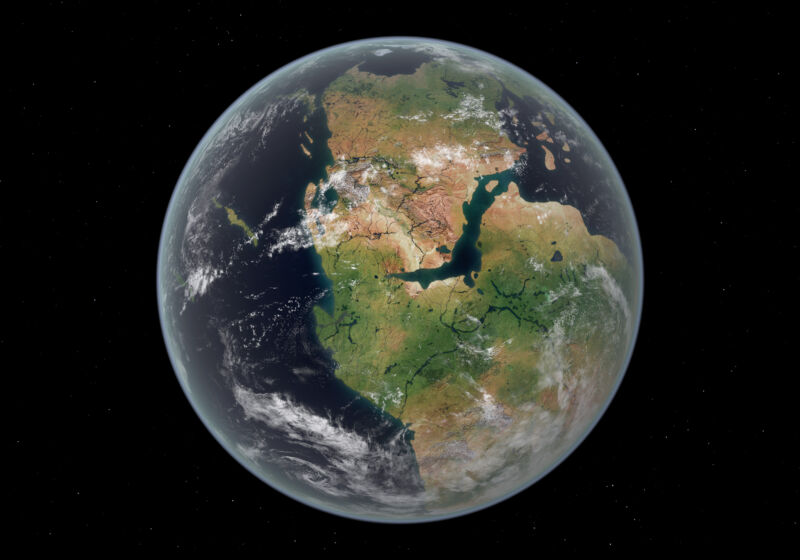
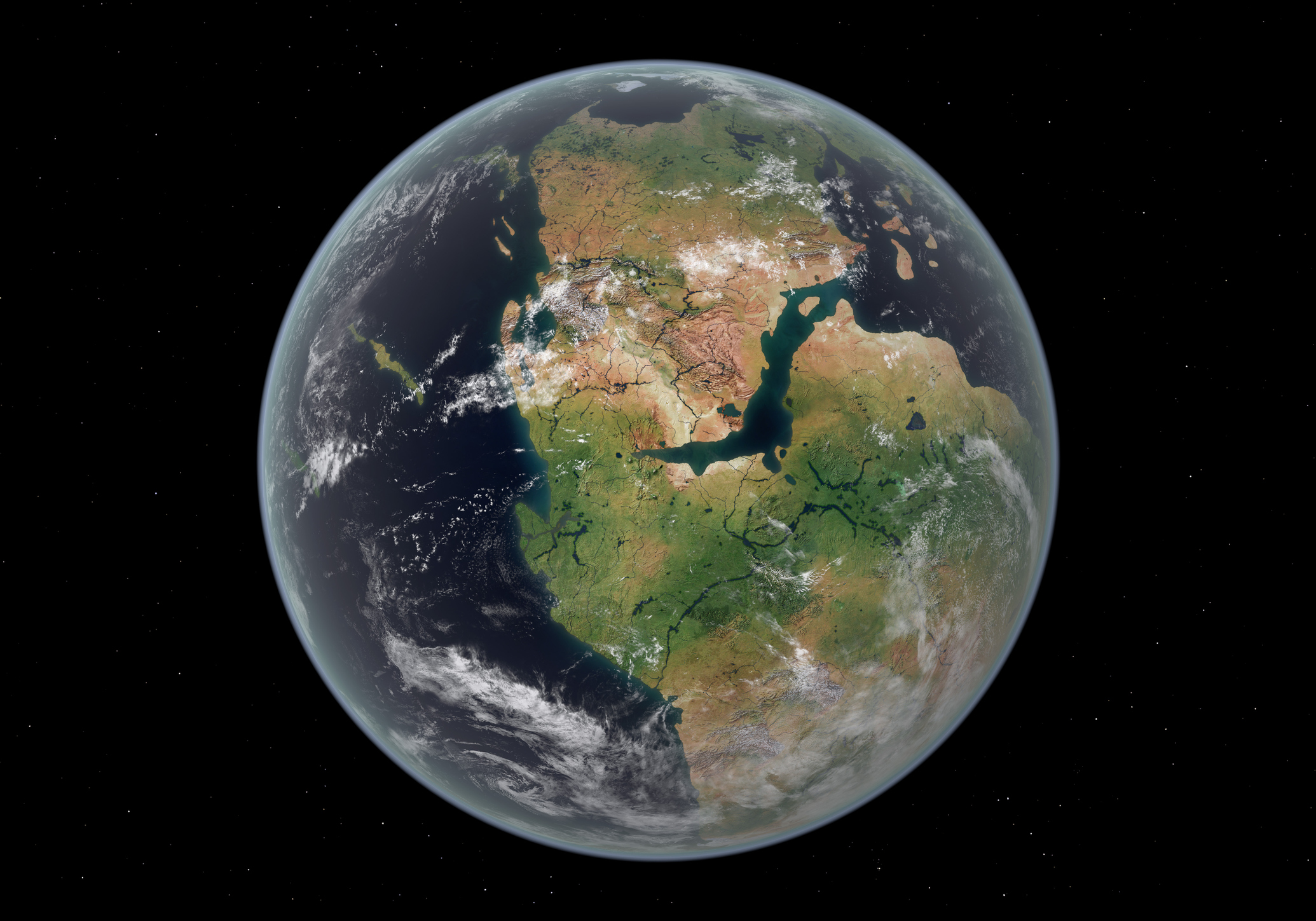
    Image of the Earth with a single, enormous land mass composed of several present-day continents.

    Enlarge / The cycle of building and breaking up of supercontinents seems to drive long-term climate trends. (credit: Walter Myers/Stocktrek Images )
    Global temperature records go back less than two centuries. But that doesn't mean we have no idea what the world was doing before we started building thermometers. There are various things—tree rings, isotope ratios, and more—that register temperatures in the past. Using these temperature proxies, we've managed to reconstruct thousands of years of our planet's climate.

    But going back further is difficult. Fewer proxies get preserved over longer times, and samples get rarer. By the time we go back past a million years, it's difficult to find enough proxies from around the globe and the same time period to reconstruct a global temperature. There are a few exceptions, like the Paleocene-Eocene Thermal Maximum (PETM), a burst of sudden warming about 55 million years ago, but few events that old are nearly as well understood.

    Now, researchers have used a combination of proxy records and climate models to reconstruct the Earth's climate for the last half-billion years, providing a global record of temperatures stretching all the way back to near the Cambrian explosion of complex life. The record shows that, with one apparent exception, carbon dioxide and global temperatures have been tightly linked. Which is somewhat surprising, given the other changes the Earth has experienced over this time.

    Read 13 remaining paragraphs | Comments

    • tagscience tagscience tagscience tagclimate tagclimate tagclimate tagearth science tagearth science tagearth science taggeology taggeology taggeology tagpaleoclimate tagpaleoclimate tagpaleoclimate tagscience tagscience tagscience tagclimate tagclimate tagclimate tagearth science tagearth science tagearth science taggeology taggeology taggeology tagpaleoclimate tagpaleoclimate tagpaleoclimate tagscience tagscience tagscience tagclimate tagclimate tagclimate tagearth science tagearth science tagearth science taggeology taggeology taggeology tagpaleoclimate tagpaleoclimate tagpaleoclimate

    • Ar chevron_right

      New study takes the Earth’s temperature over a half-billion years

      news.movim.eu / ArsTechnica • 20 September 2024 • 1 minute

    Image of the Earth with a single, enormous land mass composed of several present-day continents.

    Enlarge / The cycle of building and breaking up of supercontinents seems to drive long-term climate trends. (credit: Walter Myers/Stocktrek Images )

    Global temperature records go back less than two centuries. But that doesn't mean we have no idea what the world was doing before we started building thermometers. There are various things—tree rings, isotope ratios, and more—that register temperatures in the past. Using these temperature proxies, we've managed to reconstruct thousands of years of our planet's climate.

    But going back further is difficult. Fewer proxies get preserved over longer times, and samples get rarer. By the time we go back past a million years, it's difficult to find enough proxies from around the globe and the same time period to reconstruct a global temperature. There are a few exceptions, like the Paleocene-Eocene Thermal Maximum (PETM), a burst of sudden warming about 55 million years ago, but few events that old are nearly as well understood.

    Now, researchers have used a combination of proxy records and climate models to reconstruct the Earth's climate for the last half-billion years, providing a global record of temperatures stretching all the way back to near the Cambrian explosion of complex life. The record shows that, with one apparent exception, carbon dioxide and global temperatures have been tightly linked. Which is somewhat surprising, given the other changes the Earth has experienced over this time.

    Read 13 remaining paragraphs | Comments

    • tagscience tagscience tagscience tagclimate tagclimate tagclimate tagearth science tagearth science tagearth science taggeology taggeology taggeology tagpaleoclimate tagpaleoclimate tagpaleoclimate tagscience tagscience tagscience tagclimate tagclimate tagclimate tagearth science tagearth science tagearth science taggeology taggeology taggeology tagpaleoclimate tagpaleoclimate tagpaleoclimate tagscience tagscience tagscience tagclimate tagclimate tagclimate tagearth science tagearth science tagearth science taggeology taggeology taggeology tagpaleoclimate tagpaleoclimate tagpaleoclimate

    • Ar chevron_right

      New study takes the Earth’s temperature over a half-billion years

      news.movim.eu / ArsTechnica • 20 September 2024 • 1 minute

    Image of the Earth with a single, enormous land mass composed of several present-day continents.

    Enlarge / The cycle of building and breaking up of supercontinents seems to drive long-term climate trends. (credit: Walter Myers/Stocktrek Images )

    Global temperature records go back less than two centuries. But that doesn't mean we have no idea what the world was doing before we started building thermometers. There are various things—tree rings, isotope ratios, and more—that register temperatures in the past. Using these temperature proxies, we've managed to reconstruct thousands of years of our planet's climate.

    But going back further is difficult. Fewer proxies get preserved over longer times, and samples get rarer. By the time we go back past a million years, it's difficult to find enough proxies from around the globe and the same time period to reconstruct a global temperature. There are a few exceptions, like the Paleocene-Eocene Thermal Maximum (PETM), a burst of sudden warming about 55 million years ago, but few events that old are nearly as well understood.

    Now, researchers have used a combination of proxy records and climate models to reconstruct the Earth's climate for the last half-billion years, providing a global record of temperatures stretching all the way back to near the Cambrian explosion of complex life. The record shows that, with one apparent exception, carbon dioxide and global temperatures have been tightly linked. Which is somewhat surprising, given the other changes the Earth has experienced over this time.

    Read 13 remaining paragraphs | Comments

    • tagscience tagscience tagscience tagclimate tagclimate tagclimate tagearth science tagearth science tagearth science taggeology taggeology taggeology tagpaleoclimate tagpaleoclimate tagpaleoclimate tagscience tagscience tagscience tagclimate tagclimate tagclimate tagearth science tagearth science tagearth science taggeology taggeology taggeology tagpaleoclimate tagpaleoclimate tagpaleoclimate tagscience tagscience tagscience tagclimate tagclimate tagclimate tagearth science tagearth science tagearth science taggeology taggeology taggeology tagpaleoclimate tagpaleoclimate tagpaleoclimate

  • cloud_queue

    Powered by Movim