• progress_activity cloud_sync

    Reconnection to the server…

    Movim cannot talk with the server, please try again later


    • Public subscriptions

    • chevron_right

      coopr8

    • chevron_right

      gabagoo

    • chevron_right

      kenu_demon

    • chevron_right

      coopr8

    • chevron_right

      gabagoo

    • chevron_right

      kenu_demon

    • chevron_right

      coopr8

    • chevron_right

      gabagoo

    • chevron_right

      kenu_demon

  • Register Login

    Movim

    movim.chatterboxtown.us


  • group_work rss_feed
    add Follow

    ArsTechnica

    • Ar chevron_right

      The upside-down capacitor in mid-‘90s Macs, proven and documented by hobbyists

      news.movim.eu / ArsTechnica • 29 November 2024 • 1 minute

    "Am I the first person to discover this?" is a tricky question when it comes to classic Macs, some of the most pored-over devices and boards on the planet. But there's a lot to suggest that user paul.gaastra, on the 68kMLA vintage Mac forum, has been right for more than a decade: One of the capacitors on the Apple mid-'90s Mac LC III was installed backward due to faulty silkscreen printing on the board.

    It seems unlikely that Apple will issue a factory recall for the LC III —or the related LC III+, or Performa models 450, 460, 466, or 467 with the same board design. The "pizza box" models, sold from 1993–1996, came with a standard 90-day warranty , and most of them probably ran without issue. It's when people try to fix up these boards and replace the capacitors, in what is generally a good practice (re-capping), that they run into trouble.
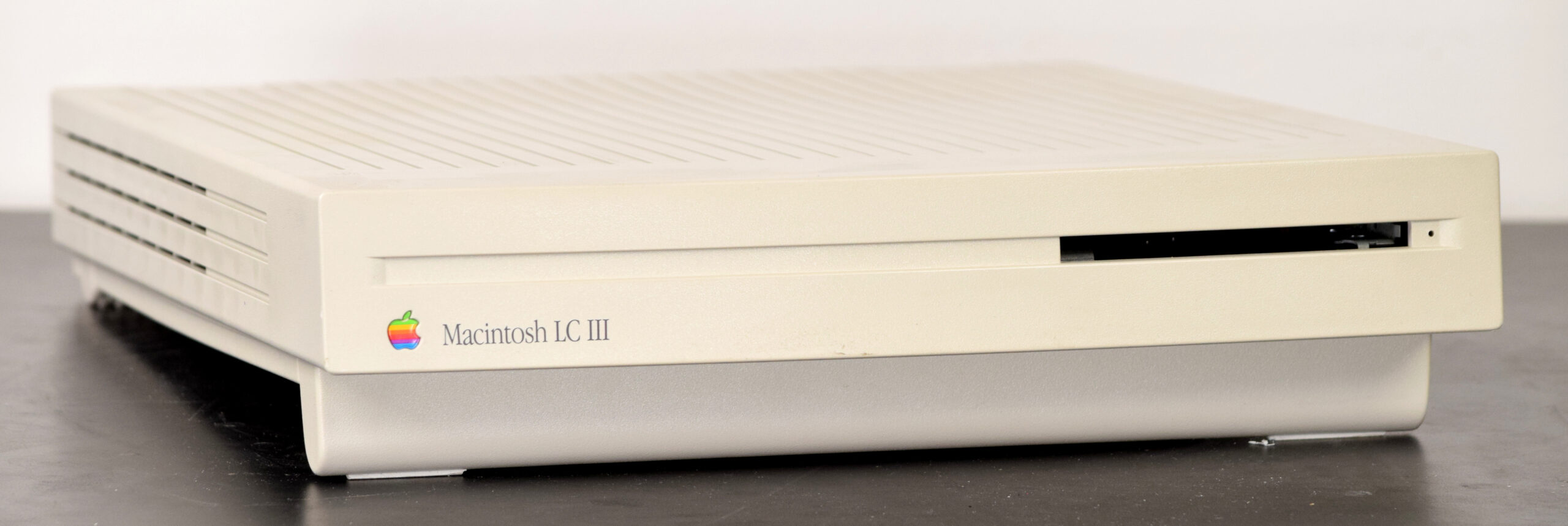
    Apple Macintosh LC III, on a table, facing front. The Macintosh LC III, forerunner to a bunch of computers with a single misaligned capacitor. Credit: Akbkuku / Wikimedia Commons

    Doug Brown took part in the original 2013 forum discussion , and has seen it pop up elsewhere . Now, having "bought a Performa 450 complete with its original leak capacitors," he can double-check Apple's board layout 30 years later and detail it all in a blog post (seen originally at the Adafruit blog ). He confirms what a bunch of multimeter-wielding types long suspected: Apple put the plus where the minus should be.

    Read full article

    Comments

    • tagapple tagapple tagapple tagtech tagtech tagtech tagmacintosh tagmacintosh tagmacintosh tagapple tagapple tagapple tagtech tagtech tagtech tagmacintosh tagmacintosh tagmacintosh tagapple tagapple tagapple tagtech tagtech tagtech tagmacintosh tagmacintosh tagmacintosh

    • Pictures 3 image

    • visibility
    • visibility
    • visibility
    • Ar chevron_right

      The upside-down capacitor in mid-‘90s Macs, proven and documented by hobbyists

      news.movim.eu / ArsTechnica • 29 November 2024 • 1 minute

    "Am I the first person to discover this?" is a tricky question when it comes to classic Macs, some of the most pored-over devices and boards on the planet. But there's a lot to suggest that user paul.gaastra, on the 68kMLA vintage Mac forum, has been right for more than a decade: One of the capacitors on the Apple mid-'90s Mac LC III was installed backward due to faulty silkscreen printing on the board.

    It seems unlikely that Apple will issue a factory recall for the LC III —or the related LC III+, or Performa models 450, 460, 466, or 467 with the same board design. The "pizza box" models, sold from 1993–1996, came with a standard 90-day warranty , and most of them probably ran without issue. It's when people try to fix up these boards and replace the capacitors, in what is generally a good practice (re-capping), that they run into trouble.

    Apple Macintosh LC III, on a table, facing front. The Macintosh LC III, forerunner to a bunch of computers with a single misaligned capacitor. Credit: Akbkuku / Wikimedia Commons

    Doug Brown took part in the original 2013 forum discussion , and has seen it pop up elsewhere . Now, having "bought a Performa 450 complete with its original leak capacitors," he can double-check Apple's board layout 30 years later and detail it all in a blog post (seen originally at the Adafruit blog ). He confirms what a bunch of multimeter-wielding types long suspected: Apple put the plus where the minus should be.

    Read full article

    Comments

    • tagapple tagapple tagapple tagtech tagtech tagtech tagmacintosh tagmacintosh tagmacintosh tagapple tagapple tagapple tagtech tagtech tagtech tagmacintosh tagmacintosh tagmacintosh tagapple tagapple tagapple tagtech tagtech tagtech tagmacintosh tagmacintosh tagmacintosh

    • Pictures 3 image

    • visibility
    • visibility
    • visibility
    • Ar chevron_right

      The upside-down capacitor in mid-‘90s Macs, proven and documented by hobbyists

      news.movim.eu / ArsTechnica • 29 November 2024 • 1 minute

    "Am I the first person to discover this?" is a tricky question when it comes to classic Macs, some of the most pored-over devices and boards on the planet. But there's a lot to suggest that user paul.gaastra, on the 68kMLA vintage Mac forum, has been right for more than a decade: One of the capacitors on the Apple mid-'90s Mac LC III was installed backward due to faulty silkscreen printing on the board.

    It seems unlikely that Apple will issue a factory recall for the LC III —or the related LC III+, or Performa models 450, 460, 466, or 467 with the same board design. The "pizza box" models, sold from 1993–1996, came with a standard 90-day warranty , and most of them probably ran without issue. It's when people try to fix up these boards and replace the capacitors, in what is generally a good practice (re-capping), that they run into trouble.

    Apple Macintosh LC III, on a table, facing front. The Macintosh LC III, forerunner to a bunch of computers with a single misaligned capacitor. Credit: Akbkuku / Wikimedia Commons

    Doug Brown took part in the original 2013 forum discussion , and has seen it pop up elsewhere . Now, having "bought a Performa 450 complete with its original leak capacitors," he can double-check Apple's board layout 30 years later and detail it all in a blog post (seen originally at the Adafruit blog ). He confirms what a bunch of multimeter-wielding types long suspected: Apple put the plus where the minus should be.

    Read full article

    Comments

    • tagapple tagapple tagapple tagtech tagtech tagtech tagmacintosh tagmacintosh tagmacintosh tagapple tagapple tagapple tagtech tagtech tagtech tagmacintosh tagmacintosh tagmacintosh tagapple tagapple tagapple tagtech tagtech tagtech tagmacintosh tagmacintosh tagmacintosh

    • Pictures 3 image

    • visibility
    • visibility
    • visibility
  • cloud_queue

    Powered by Movim