• progress_activity cloud_sync

    Reconnection to the server…

    Movim cannot talk with the server, please try again later


    • Public subscriptions

    • chevron_right

      coopr8

    • chevron_right

      gabagoo

    • chevron_right

      kenu_demon

    • chevron_right

      coopr8

    • chevron_right

      gabagoo

    • chevron_right

      kenu_demon

    • chevron_right

      coopr8

    • chevron_right

      gabagoo

    • chevron_right

      kenu_demon

  • Register Login

    Movim

    movim.chatterboxtown.us


  • group_work rss_feed
    add Follow

    ArsTechnica

    • Ar chevron_right

      DART asteroid impact created a 10,000-kilometer debris field of boulders

      news.movim.eu / ArsTechnica • 20 July 2023 • 1 minute
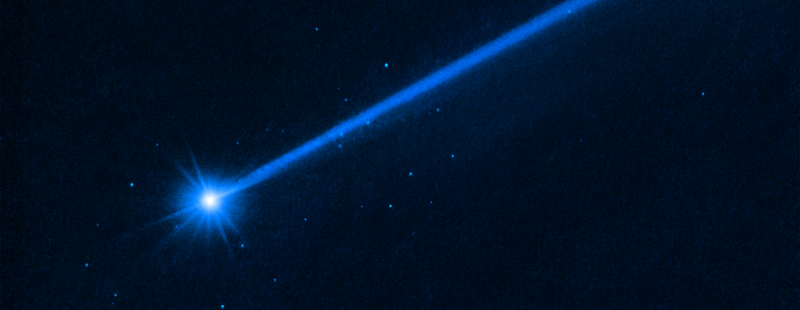
    A blue streak runs diagonally across a black background, with a brighter blob at the end of the streak in the lower left.

    Enlarge / The dusty debris from the DART collision dominates this image, but there are boulders present, too. (credit: NASA, ESA, David Jewitt (UCLA) )
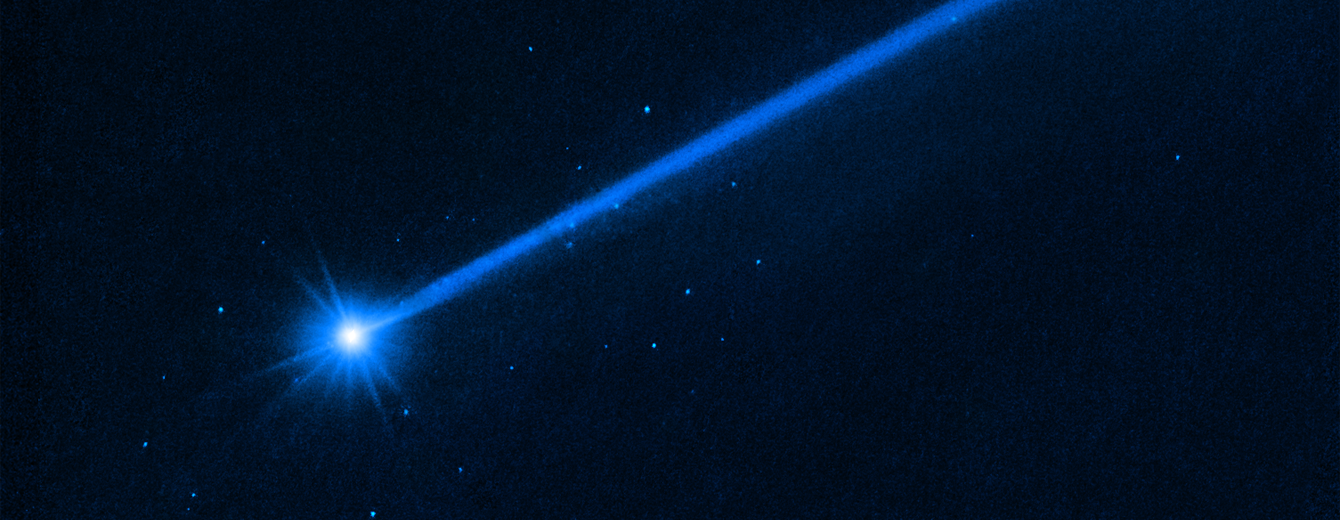
    NASA's Double Asteroid Redirect Test (DART) mission was a success from the perspective of planetary defense, as it successfully shifted the orbit of an asteroid . But the mission had a scientific element to it, and we're still sifting through the debris of the collision to determine what the impact tells us about the asteroid. That's difficult due to the distance to the asteroid and the low amounts of light that reflect off the debris.

    Today, a paper was released by a team that analyzed images of the aftermath using the Hubble Space Telescope. They've spotted dozens of boulders that collectively would have originally made up 0.1 percent of the mass of Dimorphos, DART's target. And while they're all moving very slowly from the site of the collision, some of them should be able to escape the gravity of the double asteroid system.

    Knocking rocks

    The images taken by DART immediately prior to its demise suggest that Dimorphos was a rubble pile, a mixture of boulders, small rocks, and dust barely held together by their mutual gravitational pull. So what happens when a relatively solid object, like the DART spacecraft, hammers an asteroid at high speed?

    Read 12 remaining paragraphs | Comments

    • tagscience tagscience tagscience tagspace tagspace tagspace tagasteroids tagasteroids tagasteroids tagastronomy tagastronomy tagastronomy tagdart tagdart tagdart tagnasa tagnasa tagnasa tagscience tagscience tagscience tagspace tagspace tagspace tagasteroids tagasteroids tagasteroids tagastronomy tagastronomy tagastronomy tagdart tagdart tagdart tagnasa tagnasa tagnasa tagscience tagscience tagscience tagspace tagspace tagspace tagasteroids tagasteroids tagasteroids tagastronomy tagastronomy tagastronomy tagdart tagdart tagdart tagnasa tagnasa tagnasa

    • Ar chevron_right

      DART asteroid impact created a 10,000-kilometer debris field of boulders

      news.movim.eu / ArsTechnica • 20 July 2023 • 1 minute

    A blue streak runs diagonally across a black background, with a brighter blob at the end of the streak in the lower left.

    Enlarge / The dusty debris from the DART collision dominates this image, but there are boulders present, too. (credit: NASA, ESA, David Jewitt (UCLA) )

    NASA's Double Asteroid Redirect Test (DART) mission was a success from the perspective of planetary defense, as it successfully shifted the orbit of an asteroid . But the mission had a scientific element to it, and we're still sifting through the debris of the collision to determine what the impact tells us about the asteroid. That's difficult due to the distance to the asteroid and the low amounts of light that reflect off the debris.

    Today, a paper was released by a team that analyzed images of the aftermath using the Hubble Space Telescope. They've spotted dozens of boulders that collectively would have originally made up 0.1 percent of the mass of Dimorphos, DART's target. And while they're all moving very slowly from the site of the collision, some of them should be able to escape the gravity of the double asteroid system.

    Knocking rocks

    The images taken by DART immediately prior to its demise suggest that Dimorphos was a rubble pile, a mixture of boulders, small rocks, and dust barely held together by their mutual gravitational pull. So what happens when a relatively solid object, like the DART spacecraft, hammers an asteroid at high speed?

    Read 12 remaining paragraphs | Comments

    • tagscience tagscience tagscience tagspace tagspace tagspace tagasteroids tagasteroids tagasteroids tagastronomy tagastronomy tagastronomy tagdart tagdart tagdart tagnasa tagnasa tagnasa tagscience tagscience tagscience tagspace tagspace tagspace tagasteroids tagasteroids tagasteroids tagastronomy tagastronomy tagastronomy tagdart tagdart tagdart tagnasa tagnasa tagnasa tagscience tagscience tagscience tagspace tagspace tagspace tagasteroids tagasteroids tagasteroids tagastronomy tagastronomy tagastronomy tagdart tagdart tagdart tagnasa tagnasa tagnasa

    • Ar chevron_right

      DART asteroid impact created a 10,000-kilometer debris field of boulders

      news.movim.eu / ArsTechnica • 20 July 2023 • 1 minute

    A blue streak runs diagonally across a black background, with a brighter blob at the end of the streak in the lower left.

    Enlarge / The dusty debris from the DART collision dominates this image, but there are boulders present, too. (credit: NASA, ESA, David Jewitt (UCLA) )

    NASA's Double Asteroid Redirect Test (DART) mission was a success from the perspective of planetary defense, as it successfully shifted the orbit of an asteroid . But the mission had a scientific element to it, and we're still sifting through the debris of the collision to determine what the impact tells us about the asteroid. That's difficult due to the distance to the asteroid and the low amounts of light that reflect off the debris.

    Today, a paper was released by a team that analyzed images of the aftermath using the Hubble Space Telescope. They've spotted dozens of boulders that collectively would have originally made up 0.1 percent of the mass of Dimorphos, DART's target. And while they're all moving very slowly from the site of the collision, some of them should be able to escape the gravity of the double asteroid system.

    Knocking rocks

    The images taken by DART immediately prior to its demise suggest that Dimorphos was a rubble pile, a mixture of boulders, small rocks, and dust barely held together by their mutual gravitational pull. So what happens when a relatively solid object, like the DART spacecraft, hammers an asteroid at high speed?

    Read 12 remaining paragraphs | Comments

    • tagscience tagscience tagscience tagspace tagspace tagspace tagasteroids tagasteroids tagasteroids tagastronomy tagastronomy tagastronomy tagdart tagdart tagdart tagnasa tagnasa tagnasa tagscience tagscience tagscience tagspace tagspace tagspace tagasteroids tagasteroids tagasteroids tagastronomy tagastronomy tagastronomy tagdart tagdart tagdart tagnasa tagnasa tagnasa tagscience tagscience tagscience tagspace tagspace tagspace tagasteroids tagasteroids tagasteroids tagastronomy tagastronomy tagastronomy tagdart tagdart tagdart tagnasa tagnasa tagnasa

  • cloud_queue

    Powered by Movim