• progress_activity cloud_sync

    Reconnection to the server…

    Movim cannot talk with the server, please try again later


    • Public subscriptions

    • chevron_right

      coopr8

    • chevron_right

      gabagoo

    • chevron_right

      kenu_demon

    • chevron_right

      coopr8

    • chevron_right

      gabagoo

    • chevron_right

      kenu_demon

    • chevron_right

      coopr8

    • chevron_right

      gabagoo

    • chevron_right

      kenu_demon

  • Register Login

    Movim

    movim.chatterboxtown.us


  • group_work rss_feed
    add Follow

    ArsTechnica

    • Ar chevron_right

      After bopping an asteroid 3 years ago, NASA will finally see the results

      news.movim.eu / ArsTechnica • 24 July 2023
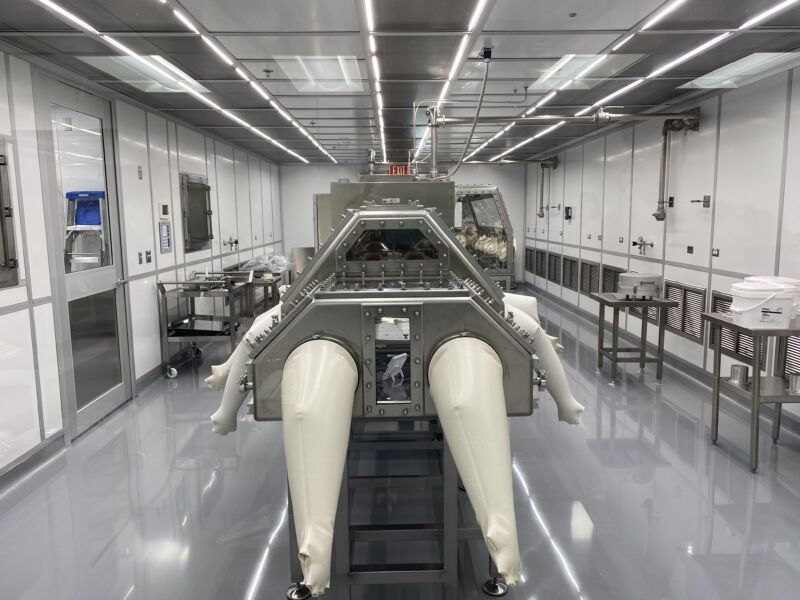
    A look inside the clean room where OSIRIS-REx's samples will be stored.

    Enlarge / A look inside the clean room where OSIRIS-REx's samples will be stored. (credit: NASA)
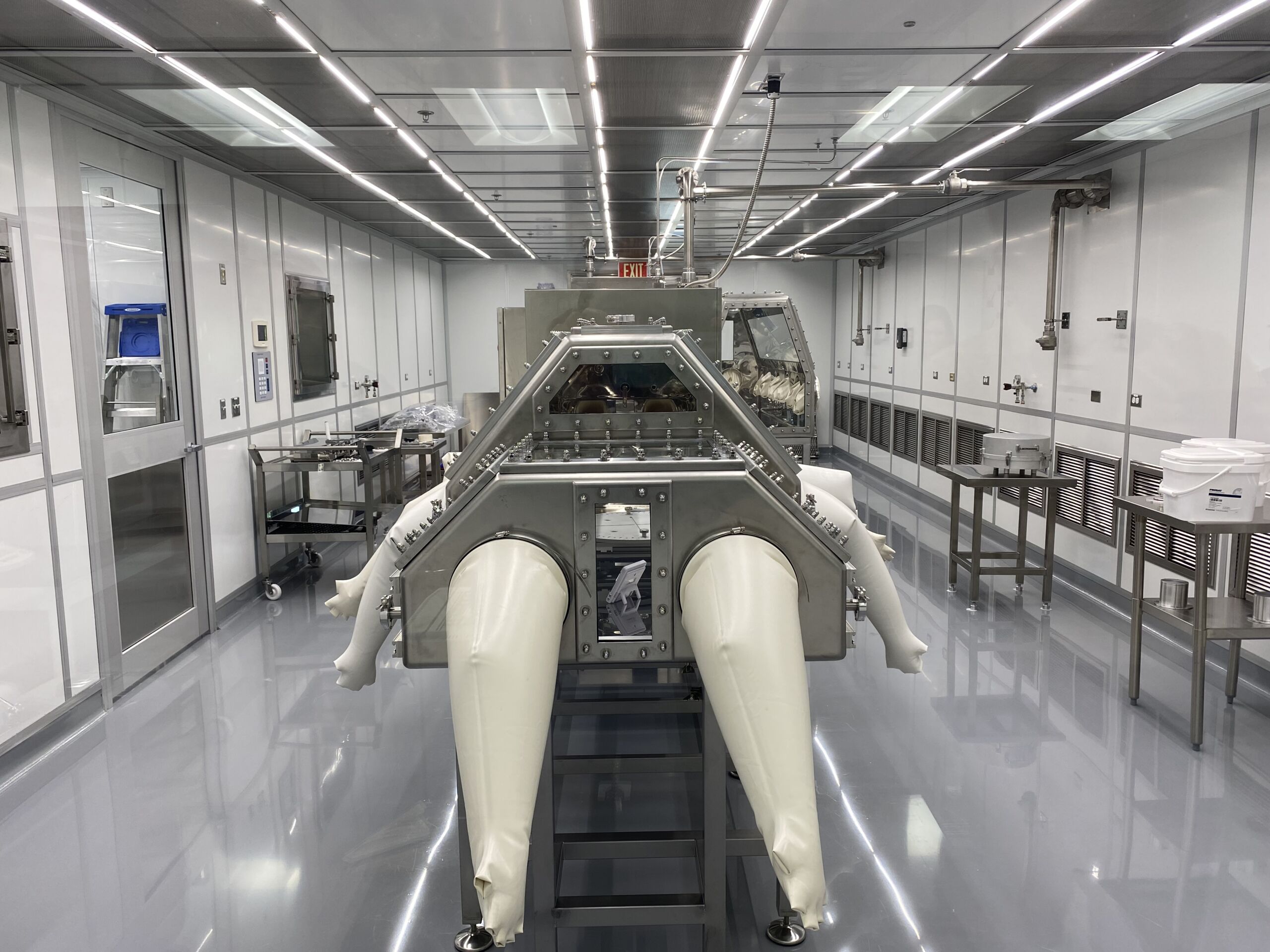
    Christmas Day for scientists who study asteroids is coming in just two months when a small spacecraft carrying material from a distant rubble pile will land in a Utah desert.

    The return of the OSIRIS-REx sample container on September 24 will cap the primary mission to capture material from an asteroid—in this case, the carbonaceous near-Earth asteroid Bennu—and return some of its pebbles and dust to Earth.

    It has been a long time coming. This mission launched seven years ago and has been in the planning and development phase for over a decade. To say the scientists who have fought for and executed this mission are anxious and excited is an understatement. But there is an additional frisson with OSIRIS-REx, as scientists are not entirely sure what they've been able to pull away from the asteroid.

    Read 10 remaining paragraphs | Comments

    • tagscience tagscience tagscience tagspace tagspace tagspace tagasteroid tagasteroid tagasteroid tagbennu tagbennu tagbennu tagnasa tagnasa tagnasa tagscience tagscience tagscience tagspace tagspace tagspace tagasteroid tagasteroid tagasteroid tagbennu tagbennu tagbennu tagnasa tagnasa tagnasa tagscience tagscience tagscience tagspace tagspace tagspace tagasteroid tagasteroid tagasteroid tagbennu tagbennu tagbennu tagnasa tagnasa tagnasa

    • Ar chevron_right

      After bopping an asteroid 3 years ago, NASA will finally see the results

      news.movim.eu / ArsTechnica • 24 July 2023

    A look inside the clean room where OSIRIS-REx's samples will be stored.

    Enlarge / A look inside the clean room where OSIRIS-REx's samples will be stored. (credit: NASA)

    Christmas Day for scientists who study asteroids is coming in just two months when a small spacecraft carrying material from a distant rubble pile will land in a Utah desert.

    The return of the OSIRIS-REx sample container on September 24 will cap the primary mission to capture material from an asteroid—in this case, the carbonaceous near-Earth asteroid Bennu—and return some of its pebbles and dust to Earth.

    It has been a long time coming. This mission launched seven years ago and has been in the planning and development phase for over a decade. To say the scientists who have fought for and executed this mission are anxious and excited is an understatement. But there is an additional frisson with OSIRIS-REx, as scientists are not entirely sure what they've been able to pull away from the asteroid.

    Read 10 remaining paragraphs | Comments

    • tagscience tagscience tagscience tagspace tagspace tagspace tagasteroid tagasteroid tagasteroid tagbennu tagbennu tagbennu tagnasa tagnasa tagnasa tagscience tagscience tagscience tagspace tagspace tagspace tagasteroid tagasteroid tagasteroid tagbennu tagbennu tagbennu tagnasa tagnasa tagnasa tagscience tagscience tagscience tagspace tagspace tagspace tagasteroid tagasteroid tagasteroid tagbennu tagbennu tagbennu tagnasa tagnasa tagnasa

    • Ar chevron_right

      After bopping an asteroid 3 years ago, NASA will finally see the results

      news.movim.eu / ArsTechnica • 24 July 2023

    A look inside the clean room where OSIRIS-REx's samples will be stored.

    Enlarge / A look inside the clean room where OSIRIS-REx's samples will be stored. (credit: NASA)

    Christmas Day for scientists who study asteroids is coming in just two months when a small spacecraft carrying material from a distant rubble pile will land in a Utah desert.

    The return of the OSIRIS-REx sample container on September 24 will cap the primary mission to capture material from an asteroid—in this case, the carbonaceous near-Earth asteroid Bennu—and return some of its pebbles and dust to Earth.

    It has been a long time coming. This mission launched seven years ago and has been in the planning and development phase for over a decade. To say the scientists who have fought for and executed this mission are anxious and excited is an understatement. But there is an additional frisson with OSIRIS-REx, as scientists are not entirely sure what they've been able to pull away from the asteroid.

    Read 10 remaining paragraphs | Comments

    • tagscience tagscience tagscience tagspace tagspace tagspace tagasteroid tagasteroid tagasteroid tagbennu tagbennu tagbennu tagnasa tagnasa tagnasa tagscience tagscience tagscience tagspace tagspace tagspace tagasteroid tagasteroid tagasteroid tagbennu tagbennu tagbennu tagnasa tagnasa tagnasa tagscience tagscience tagscience tagspace tagspace tagspace tagasteroid tagasteroid tagasteroid tagbennu tagbennu tagbennu tagnasa tagnasa tagnasa

  • cloud_queue

    Powered by Movim