• progress_activity cloud_sync

    Reconnection to the server…

    Movim cannot talk with the server, please try again later


    • Public subscriptions

    • chevron_right

      coopr8

    • chevron_right

      gabagoo

    • chevron_right

      kenu_demon

    • chevron_right

      coopr8

    • chevron_right

      gabagoo

    • chevron_right

      kenu_demon

    • chevron_right

      coopr8

    • chevron_right

      gabagoo

    • chevron_right

      kenu_demon

  • Register Login

    Movim

    movim.chatterboxtown.us


  • group_work rss_feed
    add Follow

    ArsTechnica

    • Ar chevron_right

      Meat allergy from tick bites is on the rise—and US doctors are in the dark

      news.movim.eu / ArsTechnica • 27 July 2023 • 1 minute
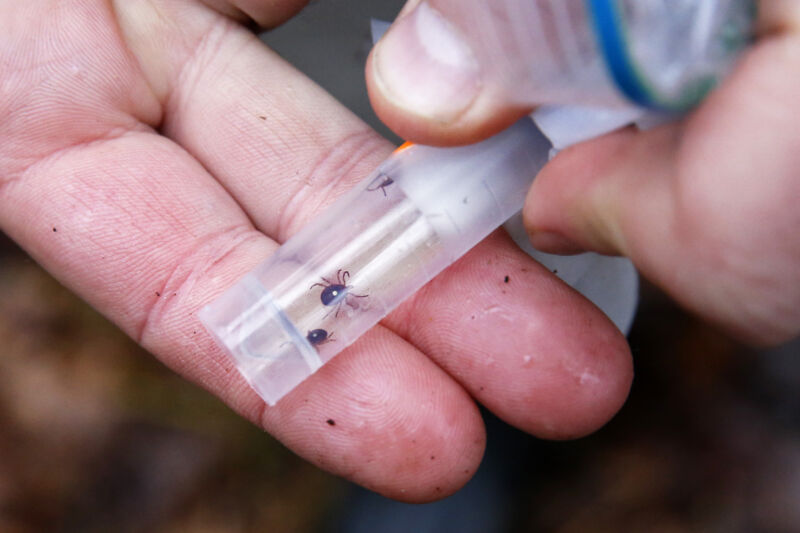
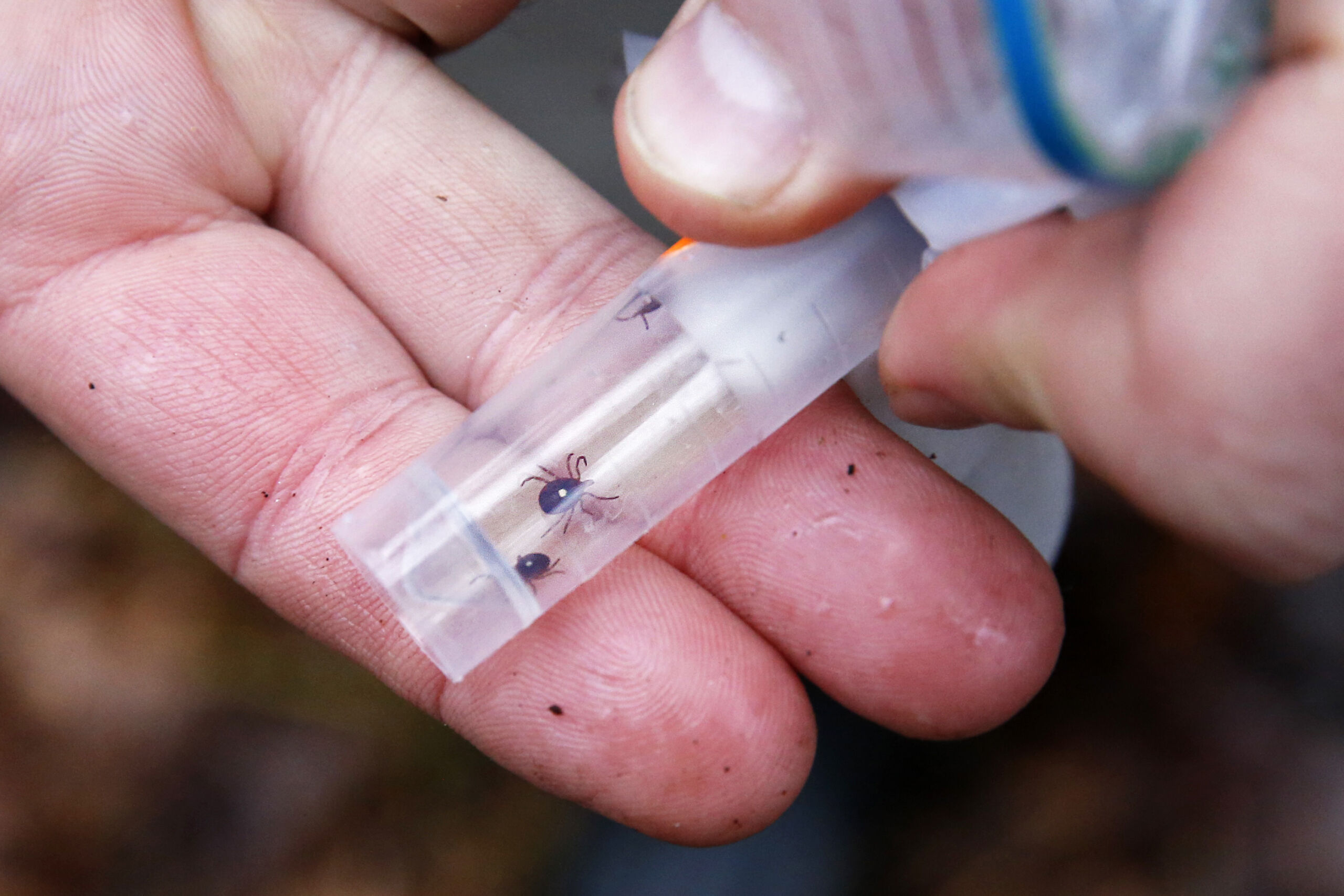
    A vector ecologist displays a vial of live lone star ticks.

    Enlarge / A vector ecologist displays a vial of live lone star ticks. (credit: Getty | Ben McCanna )
    A little over a decade ago, researchers discovered that bites from lone star ticks could cause some people to develop a food allergy to meat and meat products —an allergic condition called alpha-gal syndrome (AGS) , which can vary from mild to life-threatening.

    The condition is named after a carbohydrate called galactose-α-1,3-galactose (aka alpha-gal), which is commonly found on proteins in most mammals—with the important exception of primates, like humans. Alpha-gal shows up on all sorts of non-primate mammalian tissue, which means it's also in meat—such as pork, beef, rabbit, and lamb—and animal products, like milk and gelatin. Its presence on animal tissue is one of the big, long-recognized barriers to xenotransplantation—that is, transplanting pig hearts into people, for example. Human immune systems will, in part, reject the organ because of the presence of the foreign alpha-gal.

    But, in recent years, researchers have also discovered that alpha-gal is in tick saliva . And, for reasons researchers still haven't worked out, some people bitten by ticks develop a type of antibody called anti-alpha-gal IgE . This antibody may help protect people from tick bites but also renders them allergic to anything with alpha-gal—i.e., mammalian meat and animal products. It's a double-edged sword that's been hypothesized to be an " allergic klendusity ."

    Read 12 remaining paragraphs | Comments

    • taghealth taghealth taghealth tagscience tagscience tagscience tagallergy tagallergy tagallergy tagalpha-gal syndrome tagalpha-gal syndrome tagalpha-gal syndrome tagcdc tagcdc tagcdc taginfectious disease taginfectious disease taginfectious disease taglone star tick taglone star tick taglone star tick tagmeat tagmeat tagmeat tagmeat allergy tagmeat allergy tagmeat allergy tagticks tagticks tagticks taghealth taghealth taghealth tagscience tagscience tagscience tagallergy tagallergy tagallergy tagalpha-gal syndrome tagalpha-gal syndrome tagalpha-gal syndrome tagcdc tagcdc tagcdc taginfectious disease taginfectious disease taginfectious disease taglone star tick taglone star tick taglone star tick tagmeat tagmeat tagmeat tagmeat allergy tagmeat allergy tagmeat allergy tagticks tagticks tagticks taghealth taghealth taghealth tagscience tagscience tagscience tagallergy tagallergy tagallergy tagalpha-gal syndrome tagalpha-gal syndrome tagalpha-gal syndrome tagcdc tagcdc tagcdc taginfectious disease taginfectious disease taginfectious disease taglone star tick taglone star tick taglone star tick tagmeat tagmeat tagmeat tagmeat allergy tagmeat allergy tagmeat allergy tagticks tagticks tagticks

    • Ar chevron_right

      Meat allergy from tick bites is on the rise—and US doctors are in the dark

      news.movim.eu / ArsTechnica • 27 July 2023 • 1 minute

    A vector ecologist displays a vial of live lone star ticks.

    Enlarge / A vector ecologist displays a vial of live lone star ticks. (credit: Getty | Ben McCanna )

    A little over a decade ago, researchers discovered that bites from lone star ticks could cause some people to develop a food allergy to meat and meat products —an allergic condition called alpha-gal syndrome (AGS) , which can vary from mild to life-threatening.

    The condition is named after a carbohydrate called galactose-α-1,3-galactose (aka alpha-gal), which is commonly found on proteins in most mammals—with the important exception of primates, like humans. Alpha-gal shows up on all sorts of non-primate mammalian tissue, which means it's also in meat—such as pork, beef, rabbit, and lamb—and animal products, like milk and gelatin. Its presence on animal tissue is one of the big, long-recognized barriers to xenotransplantation—that is, transplanting pig hearts into people, for example. Human immune systems will, in part, reject the organ because of the presence of the foreign alpha-gal.

    But, in recent years, researchers have also discovered that alpha-gal is in tick saliva . And, for reasons researchers still haven't worked out, some people bitten by ticks develop a type of antibody called anti-alpha-gal IgE . This antibody may help protect people from tick bites but also renders them allergic to anything with alpha-gal—i.e., mammalian meat and animal products. It's a double-edged sword that's been hypothesized to be an " allergic klendusity ."

    Read 12 remaining paragraphs | Comments

    • taghealth taghealth taghealth tagscience tagscience tagscience tagallergy tagallergy tagallergy tagalpha-gal syndrome tagalpha-gal syndrome tagalpha-gal syndrome tagcdc tagcdc tagcdc taginfectious disease taginfectious disease taginfectious disease taglone star tick taglone star tick taglone star tick tagmeat tagmeat tagmeat tagmeat allergy tagmeat allergy tagmeat allergy tagticks tagticks tagticks taghealth taghealth taghealth tagscience tagscience tagscience tagallergy tagallergy tagallergy tagalpha-gal syndrome tagalpha-gal syndrome tagalpha-gal syndrome tagcdc tagcdc tagcdc taginfectious disease taginfectious disease taginfectious disease taglone star tick taglone star tick taglone star tick tagmeat tagmeat tagmeat tagmeat allergy tagmeat allergy tagmeat allergy tagticks tagticks tagticks taghealth taghealth taghealth tagscience tagscience tagscience tagallergy tagallergy tagallergy tagalpha-gal syndrome tagalpha-gal syndrome tagalpha-gal syndrome tagcdc tagcdc tagcdc taginfectious disease taginfectious disease taginfectious disease taglone star tick taglone star tick taglone star tick tagmeat tagmeat tagmeat tagmeat allergy tagmeat allergy tagmeat allergy tagticks tagticks tagticks

    • Ar chevron_right

      Meat allergy from tick bites is on the rise—and US doctors are in the dark

      news.movim.eu / ArsTechnica • 27 July 2023 • 1 minute

    A vector ecologist displays a vial of live lone star ticks.

    Enlarge / A vector ecologist displays a vial of live lone star ticks. (credit: Getty | Ben McCanna )

    A little over a decade ago, researchers discovered that bites from lone star ticks could cause some people to develop a food allergy to meat and meat products —an allergic condition called alpha-gal syndrome (AGS) , which can vary from mild to life-threatening.

    The condition is named after a carbohydrate called galactose-α-1,3-galactose (aka alpha-gal), which is commonly found on proteins in most mammals—with the important exception of primates, like humans. Alpha-gal shows up on all sorts of non-primate mammalian tissue, which means it's also in meat—such as pork, beef, rabbit, and lamb—and animal products, like milk and gelatin. Its presence on animal tissue is one of the big, long-recognized barriers to xenotransplantation—that is, transplanting pig hearts into people, for example. Human immune systems will, in part, reject the organ because of the presence of the foreign alpha-gal.

    But, in recent years, researchers have also discovered that alpha-gal is in tick saliva . And, for reasons researchers still haven't worked out, some people bitten by ticks develop a type of antibody called anti-alpha-gal IgE . This antibody may help protect people from tick bites but also renders them allergic to anything with alpha-gal—i.e., mammalian meat and animal products. It's a double-edged sword that's been hypothesized to be an " allergic klendusity ."

    Read 12 remaining paragraphs | Comments

    • taghealth taghealth taghealth tagscience tagscience tagscience tagallergy tagallergy tagallergy tagalpha-gal syndrome tagalpha-gal syndrome tagalpha-gal syndrome tagcdc tagcdc tagcdc taginfectious disease taginfectious disease taginfectious disease taglone star tick taglone star tick taglone star tick tagmeat tagmeat tagmeat tagmeat allergy tagmeat allergy tagmeat allergy tagticks tagticks tagticks taghealth taghealth taghealth tagscience tagscience tagscience tagallergy tagallergy tagallergy tagalpha-gal syndrome tagalpha-gal syndrome tagalpha-gal syndrome tagcdc tagcdc tagcdc taginfectious disease taginfectious disease taginfectious disease taglone star tick taglone star tick taglone star tick tagmeat tagmeat tagmeat tagmeat allergy tagmeat allergy tagmeat allergy tagticks tagticks tagticks taghealth taghealth taghealth tagscience tagscience tagscience tagallergy tagallergy tagallergy tagalpha-gal syndrome tagalpha-gal syndrome tagalpha-gal syndrome tagcdc tagcdc tagcdc taginfectious disease taginfectious disease taginfectious disease taglone star tick taglone star tick taglone star tick tagmeat tagmeat tagmeat tagmeat allergy tagmeat allergy tagmeat allergy tagticks tagticks tagticks

  • cloud_queue

    Powered by Movim