• progress_activity cloud_sync

    Reconnection to the server…

    Movim cannot talk with the server, please try again later


    • Public subscriptions

    • chevron_right

      coopr8

    • chevron_right

      gabagoo

    • chevron_right

      kenu_demon

    • chevron_right

      coopr8

    • chevron_right

      gabagoo

    • chevron_right

      kenu_demon

    • chevron_right

      coopr8

    • chevron_right

      gabagoo

    • chevron_right

      kenu_demon

  • Register Login

    Movim

    movim.chatterboxtown.us


  • group_work rss_feed
    add Follow

    ArsTechnica

    • Ar chevron_right

      Researchers say new attack could take down the European power grid

      news.movim.eu / ArsTechnica • 23 January 2025

    Late last month, researchers revealed a finding that’s likely to shock some people and confirm the low expectations of others: Renewable energy facilities throughout Central Europe use unencrypted radio signals to receive commands to feed or ditch power into or from the grid that serves some 450 million people throughout the continent.

    Fabian Bräunlein and Luca Melette stumbled on their discovery largely by accident while working on what they thought would be a much different sort of hacking project. After observing a radio receiver on the streetlight poles throughout Berlin, they got to wondering: Would it be possible for someone with a central transmitter to control them en masse, and if so, could they create a city-wide light installation along the lines of Project Blinkenlights ?
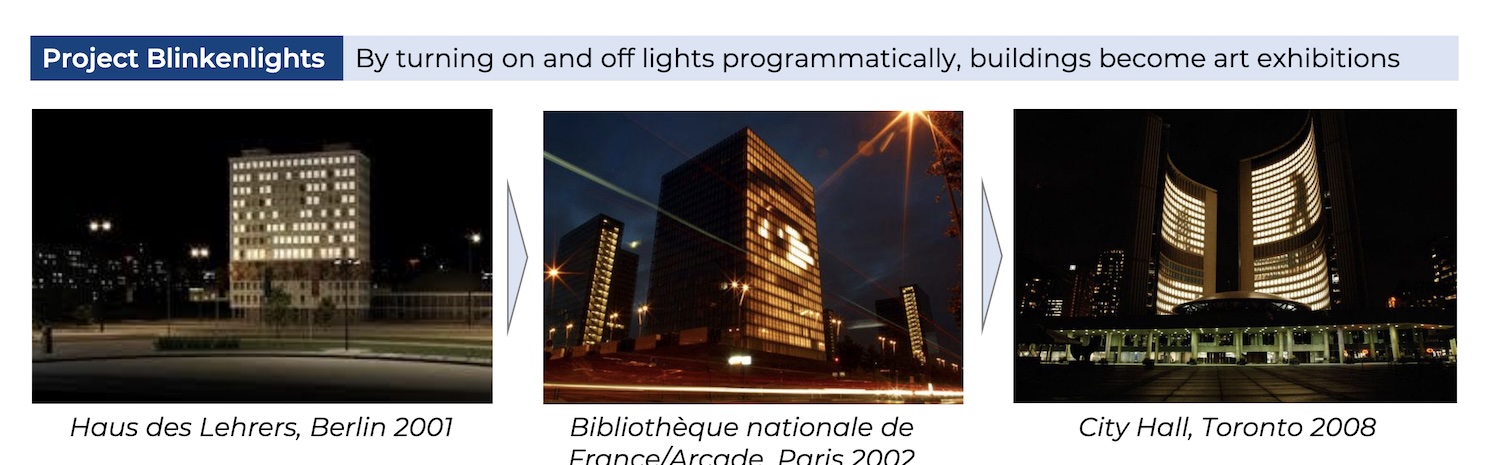
    Images showing Project Blinkenlights throughout the years. Credit: Positive Security

    The first Project Blinkenlights iteration occurred in 2001 in Berlin, when the lights inside a large building were synchronized to turn on and off to give the appearance of a giant, low-resolution monochrome computer screen.

    Read full article

    Comments

    • tagbiz & it tagbiz & it tagbiz & it tagfeatures tagfeatures tagfeatures tagsecurity tagsecurity tagsecurity tagfunkrundsteuerung tagfunkrundsteuerung tagfunkrundsteuerung tagpower grid tagpower grid tagpower grid tagradio ripple control tagradio ripple control tagradio ripple control tagbiz & it tagbiz & it tagbiz & it tagfeatures tagfeatures tagfeatures tagsecurity tagsecurity tagsecurity tagfunkrundsteuerung tagfunkrundsteuerung tagfunkrundsteuerung tagpower grid tagpower grid tagpower grid tagradio ripple control tagradio ripple control tagradio ripple control tagbiz & it tagbiz & it tagbiz & it tagfeatures tagfeatures tagfeatures tagsecurity tagsecurity tagsecurity tagfunkrundsteuerung tagfunkrundsteuerung tagfunkrundsteuerung tagpower grid tagpower grid tagpower grid tagradio ripple control tagradio ripple control tagradio ripple control

    • Pictures 3 image

    • visibility
    • visibility
    • visibility
    • Ar chevron_right

      Researchers say new attack could take down the European power grid

      news.movim.eu / ArsTechnica • 23 January 2025

    Late last month, researchers revealed a finding that’s likely to shock some people and confirm the low expectations of others: Renewable energy facilities throughout Central Europe use unencrypted radio signals to receive commands to feed or ditch power into or from the grid that serves some 450 million people throughout the continent.

    Fabian Bräunlein and Luca Melette stumbled on their discovery largely by accident while working on what they thought would be a much different sort of hacking project. After observing a radio receiver on the streetlight poles throughout Berlin, they got to wondering: Would it be possible for someone with a central transmitter to control them en masse, and if so, could they create a city-wide light installation along the lines of Project Blinkenlights ?

    Images showing Project Blinkenlights throughout the years. Credit: Positive Security

    The first Project Blinkenlights iteration occurred in 2001 in Berlin, when the lights inside a large building were synchronized to turn on and off to give the appearance of a giant, low-resolution monochrome computer screen.

    Read full article

    Comments

    • tagbiz & it tagbiz & it tagbiz & it tagfeatures tagfeatures tagfeatures tagsecurity tagsecurity tagsecurity tagfunkrundsteuerung tagfunkrundsteuerung tagfunkrundsteuerung tagpower grid tagpower grid tagpower grid tagradio ripple control tagradio ripple control tagradio ripple control tagbiz & it tagbiz & it tagbiz & it tagfeatures tagfeatures tagfeatures tagsecurity tagsecurity tagsecurity tagfunkrundsteuerung tagfunkrundsteuerung tagfunkrundsteuerung tagpower grid tagpower grid tagpower grid tagradio ripple control tagradio ripple control tagradio ripple control tagbiz & it tagbiz & it tagbiz & it tagfeatures tagfeatures tagfeatures tagsecurity tagsecurity tagsecurity tagfunkrundsteuerung tagfunkrundsteuerung tagfunkrundsteuerung tagpower grid tagpower grid tagpower grid tagradio ripple control tagradio ripple control tagradio ripple control

    • Pictures 3 image

    • visibility
    • visibility
    • visibility
    • Ar chevron_right

      Researchers say new attack could take down the European power grid

      news.movim.eu / ArsTechnica • 23 January 2025

    Late last month, researchers revealed a finding that’s likely to shock some people and confirm the low expectations of others: Renewable energy facilities throughout Central Europe use unencrypted radio signals to receive commands to feed or ditch power into or from the grid that serves some 450 million people throughout the continent.

    Fabian Bräunlein and Luca Melette stumbled on their discovery largely by accident while working on what they thought would be a much different sort of hacking project. After observing a radio receiver on the streetlight poles throughout Berlin, they got to wondering: Would it be possible for someone with a central transmitter to control them en masse, and if so, could they create a city-wide light installation along the lines of Project Blinkenlights ?

    Images showing Project Blinkenlights throughout the years. Credit: Positive Security

    The first Project Blinkenlights iteration occurred in 2001 in Berlin, when the lights inside a large building were synchronized to turn on and off to give the appearance of a giant, low-resolution monochrome computer screen.

    Read full article

    Comments

    • tagbiz & it tagbiz & it tagbiz & it tagfeatures tagfeatures tagfeatures tagsecurity tagsecurity tagsecurity tagfunkrundsteuerung tagfunkrundsteuerung tagfunkrundsteuerung tagpower grid tagpower grid tagpower grid tagradio ripple control tagradio ripple control tagradio ripple control tagbiz & it tagbiz & it tagbiz & it tagfeatures tagfeatures tagfeatures tagsecurity tagsecurity tagsecurity tagfunkrundsteuerung tagfunkrundsteuerung tagfunkrundsteuerung tagpower grid tagpower grid tagpower grid tagradio ripple control tagradio ripple control tagradio ripple control tagbiz & it tagbiz & it tagbiz & it tagfeatures tagfeatures tagfeatures tagsecurity tagsecurity tagsecurity tagfunkrundsteuerung tagfunkrundsteuerung tagfunkrundsteuerung tagpower grid tagpower grid tagpower grid tagradio ripple control tagradio ripple control tagradio ripple control

    • Pictures 3 image

    • visibility
    • visibility
    • visibility
  • cloud_queue

    Powered by Movim