• progress_activity cloud_sync

    Reconnection to the server…

    Movim cannot talk with the server, please try again later


    • Public subscriptions

    • chevron_right

      coopr8

    • chevron_right

      gabagoo

    • chevron_right

      kenu_demon

    • chevron_right

      coopr8

    • chevron_right

      gabagoo

    • chevron_right

      kenu_demon

    • chevron_right

      coopr8

    • chevron_right

      gabagoo

    • chevron_right

      kenu_demon

  • Register Login

    Movim

    movim.chatterboxtown.us


  • group_work rss_feed
    add Follow

    ArsTechnica

    • Ar chevron_right

      Something in space has been lighting up every 20 minutes since 1988

      news.movim.eu / ArsTechnica • 19 July 2023
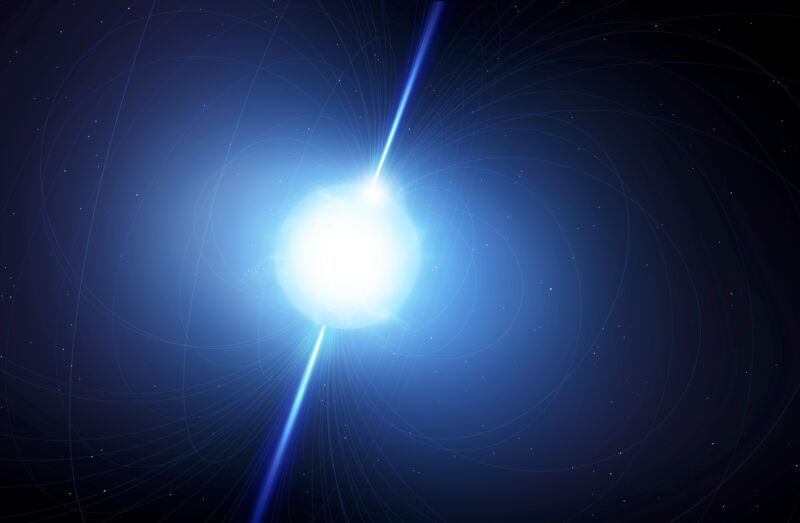
    image of a bright blue sphere on a dark background, with spikes of light emitted by two poles.

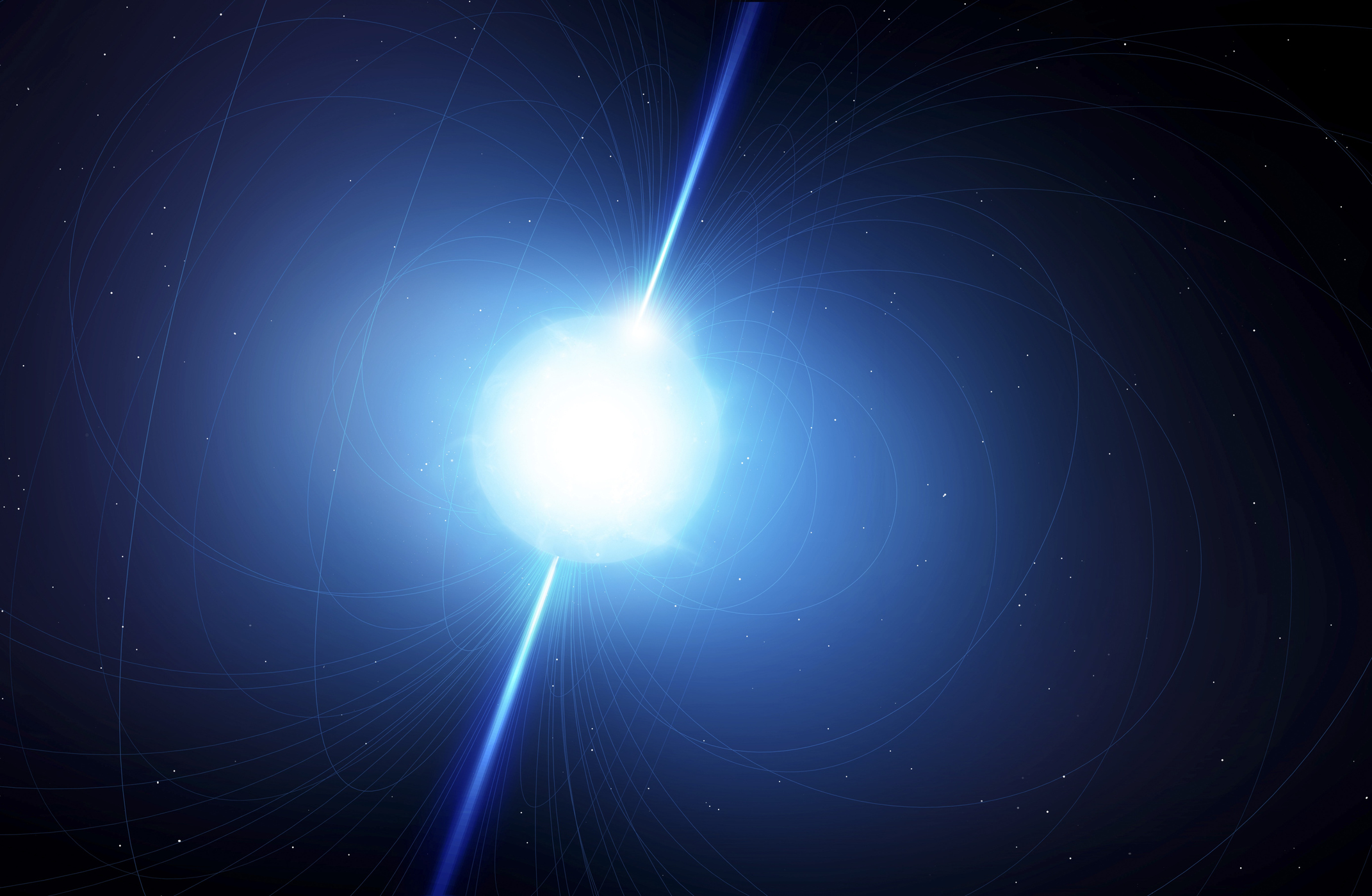
    Enlarge / Most of the explanations for this phenomenon involve a neutron star, depicted above. These explanations are uniformly terrible. (credit: MARK GARLICK/SCIENCE PHOTO LIBRARY )
    On Wednesday, researchers announced the discovery of a new astronomical enigma. The new object, GPM J1839–10, behaves a bit like a pulsar, sending out regular bursts of radio energy. But the physics that drives pulsars means that they'd stop emitting if they slowed down too much, and almost every pulsar we know of blinks at least once per minute.

    GPM J1839–10 takes 21 minutes between pulses. We have no idea what kind of physics or what kind of objects can power that.

    A persistent transient

    GPM J1839–10 was discovered in a search of the galactic plane for transient objects—something that's not there when you first look, but appears the next time you check. The typical explanation for a transient object is something like a supernova, where a major event gives something an immense boost in brightness. They're found at the radio end of the spectrum, fast radio bursts , but are also very brief and, so, fairly difficult to spot.

    Read 13 remaining paragraphs | Comments

    • tagscience tagscience tagscience tagspace tagspace tagspace tagastronomy tagastronomy tagastronomy tagastrophysics tagastrophysics tagastrophysics tagneutron star tagneutron star tagneutron star tagradio telescope tagradio telescope tagradio telescope tagwtf tagwtf tagwtf tagscience tagscience tagscience tagspace tagspace tagspace tagastronomy tagastronomy tagastronomy tagastrophysics tagastrophysics tagastrophysics tagneutron star tagneutron star tagneutron star tagradio telescope tagradio telescope tagradio telescope tagwtf tagwtf tagwtf tagscience tagscience tagscience tagspace tagspace tagspace tagastronomy tagastronomy tagastronomy tagastrophysics tagastrophysics tagastrophysics tagneutron star tagneutron star tagneutron star tagradio telescope tagradio telescope tagradio telescope tagwtf tagwtf tagwtf

    • Ar chevron_right

      Something in space has been lighting up every 20 minutes since 1988

      news.movim.eu / ArsTechnica • 19 July 2023

    image of a bright blue sphere on a dark background, with spikes of light emitted by two poles.

    Enlarge / Most of the explanations for this phenomenon involve a neutron star, depicted above. These explanations are uniformly terrible. (credit: MARK GARLICK/SCIENCE PHOTO LIBRARY )

    On Wednesday, researchers announced the discovery of a new astronomical enigma. The new object, GPM J1839–10, behaves a bit like a pulsar, sending out regular bursts of radio energy. But the physics that drives pulsars means that they'd stop emitting if they slowed down too much, and almost every pulsar we know of blinks at least once per minute.

    GPM J1839–10 takes 21 minutes between pulses. We have no idea what kind of physics or what kind of objects can power that.

    A persistent transient

    GPM J1839–10 was discovered in a search of the galactic plane for transient objects—something that's not there when you first look, but appears the next time you check. The typical explanation for a transient object is something like a supernova, where a major event gives something an immense boost in brightness. They're found at the radio end of the spectrum, fast radio bursts , but are also very brief and, so, fairly difficult to spot.

    Read 13 remaining paragraphs | Comments

    • tagscience tagscience tagscience tagspace tagspace tagspace tagastronomy tagastronomy tagastronomy tagastrophysics tagastrophysics tagastrophysics tagneutron star tagneutron star tagneutron star tagradio telescope tagradio telescope tagradio telescope tagwtf tagwtf tagwtf tagscience tagscience tagscience tagspace tagspace tagspace tagastronomy tagastronomy tagastronomy tagastrophysics tagastrophysics tagastrophysics tagneutron star tagneutron star tagneutron star tagradio telescope tagradio telescope tagradio telescope tagwtf tagwtf tagwtf tagscience tagscience tagscience tagspace tagspace tagspace tagastronomy tagastronomy tagastronomy tagastrophysics tagastrophysics tagastrophysics tagneutron star tagneutron star tagneutron star tagradio telescope tagradio telescope tagradio telescope tagwtf tagwtf tagwtf

    • Ar chevron_right

      Something in space has been lighting up every 20 minutes since 1988

      news.movim.eu / ArsTechnica • 19 July 2023

    image of a bright blue sphere on a dark background, with spikes of light emitted by two poles.

    Enlarge / Most of the explanations for this phenomenon involve a neutron star, depicted above. These explanations are uniformly terrible. (credit: MARK GARLICK/SCIENCE PHOTO LIBRARY )

    On Wednesday, researchers announced the discovery of a new astronomical enigma. The new object, GPM J1839–10, behaves a bit like a pulsar, sending out regular bursts of radio energy. But the physics that drives pulsars means that they'd stop emitting if they slowed down too much, and almost every pulsar we know of blinks at least once per minute.

    GPM J1839–10 takes 21 minutes between pulses. We have no idea what kind of physics or what kind of objects can power that.

    A persistent transient

    GPM J1839–10 was discovered in a search of the galactic plane for transient objects—something that's not there when you first look, but appears the next time you check. The typical explanation for a transient object is something like a supernova, where a major event gives something an immense boost in brightness. They're found at the radio end of the spectrum, fast radio bursts , but are also very brief and, so, fairly difficult to spot.

    Read 13 remaining paragraphs | Comments

    • tagscience tagscience tagscience tagspace tagspace tagspace tagastronomy tagastronomy tagastronomy tagastrophysics tagastrophysics tagastrophysics tagneutron star tagneutron star tagneutron star tagradio telescope tagradio telescope tagradio telescope tagwtf tagwtf tagwtf tagscience tagscience tagscience tagspace tagspace tagspace tagastronomy tagastronomy tagastronomy tagastrophysics tagastrophysics tagastrophysics tagneutron star tagneutron star tagneutron star tagradio telescope tagradio telescope tagradio telescope tagwtf tagwtf tagwtf tagscience tagscience tagscience tagspace tagspace tagspace tagastronomy tagastronomy tagastronomy tagastrophysics tagastrophysics tagastrophysics tagneutron star tagneutron star tagneutron star tagradio telescope tagradio telescope tagradio telescope tagwtf tagwtf tagwtf

  • cloud_queue

    Powered by Movim