• progress_activity cloud_sync

    Reconnection to the server…

    Movim cannot talk with the server, please try again later


    • Public subscriptions

    • chevron_right

      coopr8

    • chevron_right

      gabagoo

    • chevron_right

      kenu_demon

    • chevron_right

      coopr8

    • chevron_right

      gabagoo

    • chevron_right

      kenu_demon

    • chevron_right

      coopr8

    • chevron_right

      gabagoo

    • chevron_right

      kenu_demon

  • Register Login

    Movim

    movim.chatterboxtown.us


  • group_work rss_feed
    add Follow

    ArsTechnica

    • Ar chevron_right

      Long-forgotten frozen soil sample offers a warning for the future

      news.movim.eu / ArsTechnica • 22 July 2023
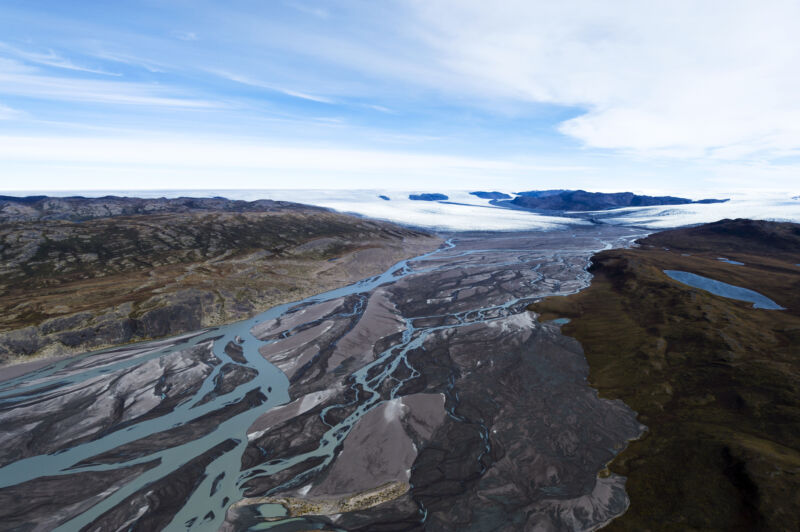
    melting parts of Greenland's ice sheet

    Enlarge / Water and sediment pour off the melting margin of the Greenland ice sheet. (credit: Jason Edwards/Getty Images )
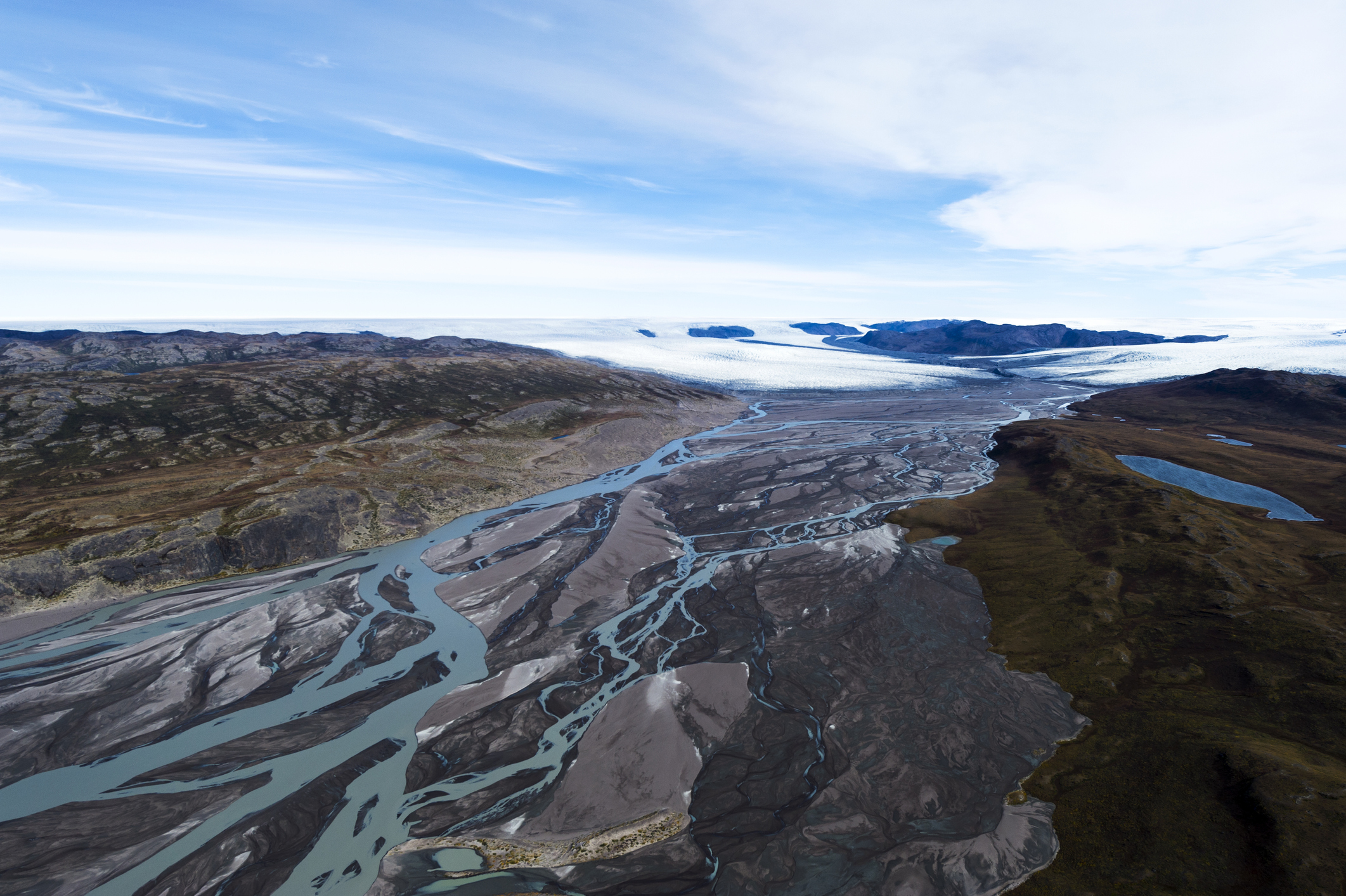
    About 400,000 years ago, large parts of Greenland were ice-free. Scrubby tundra basked in the Sun’s rays on the island’s northwest highlands. Evidence suggests that a forest of spruce trees, buzzing with insects, covered the southern part of Greenland. Global sea level was much higher then, between 20 and 40 feet above today’s levels . Around the world, land that today is home to hundreds of millions of people was under water.

    Scientists have known for awhile that the Greenland ice sheet had mostly disappeared at some point in the past million years , but not precisely when.

    In a new study in the journal Science , we determined the date, using frozen soil extracted during the Cold War from beneath a nearly mile-thick section of the Greenland ice sheet.

    Read 27 remaining paragraphs | Comments

    • tagscience tagscience tagscience tagclimate change tagclimate change tagclimate change taggreenland taggreenland taggreenland tagpaleoclimatology tagpaleoclimatology tagpaleoclimatology tagsyndication tagsyndication tagsyndication tagscience tagscience tagscience tagclimate change tagclimate change tagclimate change taggreenland taggreenland taggreenland tagpaleoclimatology tagpaleoclimatology tagpaleoclimatology tagsyndication tagsyndication tagsyndication tagscience tagscience tagscience tagclimate change tagclimate change tagclimate change taggreenland taggreenland taggreenland tagpaleoclimatology tagpaleoclimatology tagpaleoclimatology tagsyndication tagsyndication tagsyndication

    • Ar chevron_right

      Long-forgotten frozen soil sample offers a warning for the future

      news.movim.eu / ArsTechnica • 22 July 2023

    melting parts of Greenland's ice sheet

    Enlarge / Water and sediment pour off the melting margin of the Greenland ice sheet. (credit: Jason Edwards/Getty Images )

    About 400,000 years ago, large parts of Greenland were ice-free. Scrubby tundra basked in the Sun’s rays on the island’s northwest highlands. Evidence suggests that a forest of spruce trees, buzzing with insects, covered the southern part of Greenland. Global sea level was much higher then, between 20 and 40 feet above today’s levels . Around the world, land that today is home to hundreds of millions of people was under water.

    Scientists have known for awhile that the Greenland ice sheet had mostly disappeared at some point in the past million years , but not precisely when.

    In a new study in the journal Science , we determined the date, using frozen soil extracted during the Cold War from beneath a nearly mile-thick section of the Greenland ice sheet.

    Read 27 remaining paragraphs | Comments

    • tagscience tagscience tagscience tagclimate change tagclimate change tagclimate change taggreenland taggreenland taggreenland tagpaleoclimatology tagpaleoclimatology tagpaleoclimatology tagsyndication tagsyndication tagsyndication tagscience tagscience tagscience tagclimate change tagclimate change tagclimate change taggreenland taggreenland taggreenland tagpaleoclimatology tagpaleoclimatology tagpaleoclimatology tagsyndication tagsyndication tagsyndication tagscience tagscience tagscience tagclimate change tagclimate change tagclimate change taggreenland taggreenland taggreenland tagpaleoclimatology tagpaleoclimatology tagpaleoclimatology tagsyndication tagsyndication tagsyndication

    • Ar chevron_right

      Long-forgotten frozen soil sample offers a warning for the future

      news.movim.eu / ArsTechnica • 22 July 2023

    melting parts of Greenland's ice sheet

    Enlarge / Water and sediment pour off the melting margin of the Greenland ice sheet. (credit: Jason Edwards/Getty Images )

    About 400,000 years ago, large parts of Greenland were ice-free. Scrubby tundra basked in the Sun’s rays on the island’s northwest highlands. Evidence suggests that a forest of spruce trees, buzzing with insects, covered the southern part of Greenland. Global sea level was much higher then, between 20 and 40 feet above today’s levels . Around the world, land that today is home to hundreds of millions of people was under water.

    Scientists have known for awhile that the Greenland ice sheet had mostly disappeared at some point in the past million years , but not precisely when.

    In a new study in the journal Science , we determined the date, using frozen soil extracted during the Cold War from beneath a nearly mile-thick section of the Greenland ice sheet.

    Read 27 remaining paragraphs | Comments

    • tagscience tagscience tagscience tagclimate change tagclimate change tagclimate change taggreenland taggreenland taggreenland tagpaleoclimatology tagpaleoclimatology tagpaleoclimatology tagsyndication tagsyndication tagsyndication tagscience tagscience tagscience tagclimate change tagclimate change tagclimate change taggreenland taggreenland taggreenland tagpaleoclimatology tagpaleoclimatology tagpaleoclimatology tagsyndication tagsyndication tagsyndication tagscience tagscience tagscience tagclimate change tagclimate change tagclimate change taggreenland taggreenland taggreenland tagpaleoclimatology tagpaleoclimatology tagpaleoclimatology tagsyndication tagsyndication tagsyndication

  • cloud_queue

    Powered by Movim