• progress_activity cloud_sync

    Reconnection to the server…

    Movim cannot talk with the server, please try again later

  • back_to_tab fullscreen tile_small dialpad mic videocam switch_camera screen_share

    mic_none No sound detected from your microphone


    • Public subscriptions

    • chevron_right

      coopr8

    • chevron_right

      gabagoo

    • chevron_right

      kenu_demon

    • chevron_right

      coopr8

    • chevron_right

      gabagoo

    • chevron_right

      kenu_demon

    • chevron_right

      coopr8

    • chevron_right

      gabagoo

    • chevron_right

      kenu_demon

  • Register Login

    Movim

    movim.chatterboxtown.us


  • group_work rss_feed
    add Follow

    ArsTechnica

    • Ar chevron_right

      10,000 generations of hominins used the same stone tools to weather a changing world

      news.movim.eu / ArsTechnica • 7 November 2025 • 1 minute

    At a site in Kenya, archaeologists recently unearthed layer upon layer of stone stools from deposits that span 300,000 years, and include a period of intense environmental upheaval. The oldest tools at the site date back to 2.75 million years ago. According to a recent study, the finds suggest that for hundreds of millennia, ancient hominins relied on the same stone tool technology as an anchor while the world changed around them.
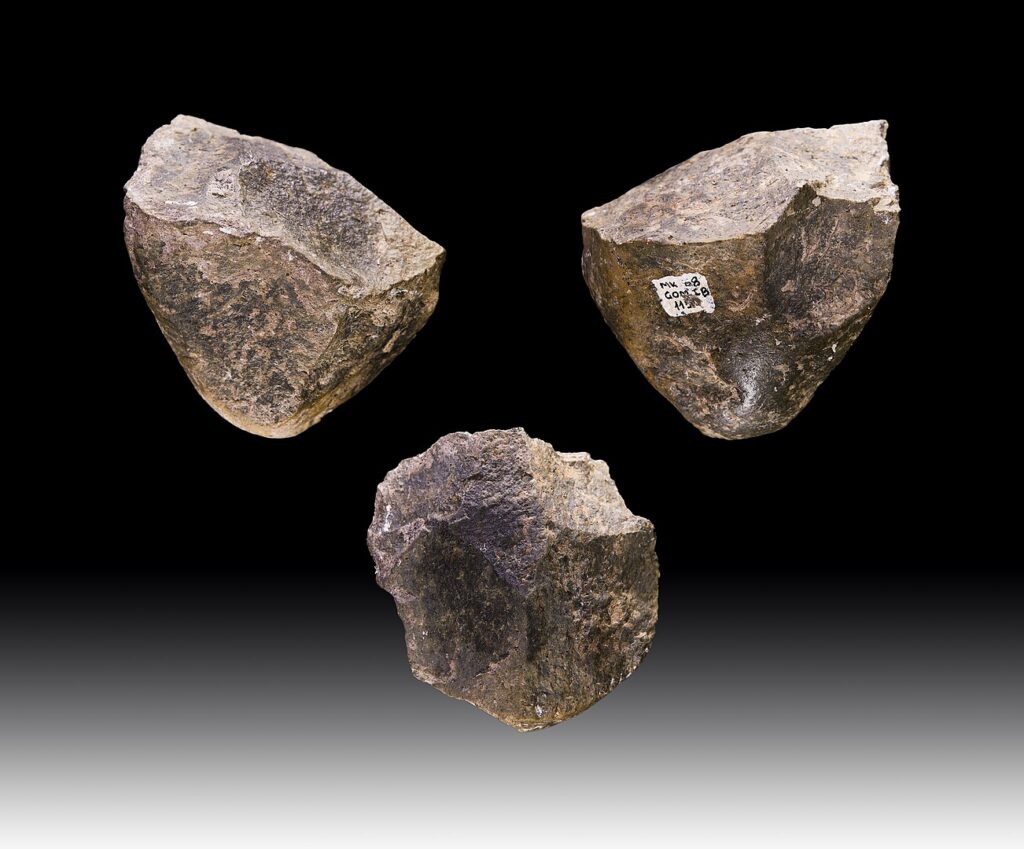
    Photo of 3 chunks of stone with flakes chipped off to make sharp edges Oldowan choppers dated to 1.7 million years ago, from Melka Kunture, Ethiopia. Credit: By Didier Descouens - Own work, CC BY-SA 4.0, https://commons.wikimedia.org/w/index.php?curid=11291046

    “ An extraordinary story of cultural continuity”

    George Washington University archaeologist David Braun and his colleagues recently unearthed stone tools from a 2.75 million-year-old layer of Kenyan sediment at a site called Nomorotukunan. They’re classic examples of a type of tools archaeologists call Oldowan: the earliest types of sharp-edged stone tools made by hominins. The tools unearthed at Nomorotukunan are some of the oldest Olduwan tools ever found; only three other Oldowan sites in Africa date back any farther than 2.6 million years ago.

    These hand-sized chunks of river rock, with flakes chipped off one or two sides to make sharp edges, were cutting-edge technology (not sorry) from 2.9 million years ago until about 1.7 million years ago. In technical terms, that’s what’s called a long flipping time, enough to span several hominin species and more than one genus. The last hominins to use Oldowan tools looked very different, and probably lived and behaved very differently, from the first; over this huge span of time, the stone tool technology itself changed less than the beings using it.

    Read full article

    Comments

    • tagscience tagscience tagscience tagarchaeology tagarchaeology tagarchaeology tagaustralopithecus tagaustralopithecus tagaustralopithecus taghominins taghominins taghominins tagoldowan tagoldowan tagoldowan tagpaleoarchaeology tagpaleoarchaeology tagpaleoarchaeology tagstone tools tagstone tools tagstone tools tagscience tagscience tagscience tagarchaeology tagarchaeology tagarchaeology tagaustralopithecus tagaustralopithecus tagaustralopithecus taghominins taghominins taghominins tagoldowan tagoldowan tagoldowan tagpaleoarchaeology tagpaleoarchaeology tagpaleoarchaeology tagstone tools tagstone tools tagstone tools tagscience tagscience tagscience tagarchaeology tagarchaeology tagarchaeology tagaustralopithecus tagaustralopithecus tagaustralopithecus taghominins taghominins taghominins tagoldowan tagoldowan tagoldowan tagpaleoarchaeology tagpaleoarchaeology tagpaleoarchaeology tagstone tools tagstone tools tagstone tools

    • Pictures 3 image

    • visibility
    • visibility
    • visibility
    • Ar chevron_right

      10,000 generations of hominins used the same stone tools to weather a changing world

      news.movim.eu / ArsTechnica • 7 November 2025 • 1 minute

    At a site in Kenya, archaeologists recently unearthed layer upon layer of stone stools from deposits that span 300,000 years, and include a period of intense environmental upheaval. The oldest tools at the site date back to 2.75 million years ago. According to a recent study, the finds suggest that for hundreds of millennia, ancient hominins relied on the same stone tool technology as an anchor while the world changed around them.

    Photo of 3 chunks of stone with flakes chipped off to make sharp edges Oldowan choppers dated to 1.7 million years ago, from Melka Kunture, Ethiopia. Credit: By Didier Descouens - Own work, CC BY-SA 4.0, https://commons.wikimedia.org/w/index.php?curid=11291046

    “ An extraordinary story of cultural continuity”

    George Washington University archaeologist David Braun and his colleagues recently unearthed stone tools from a 2.75 million-year-old layer of Kenyan sediment at a site called Nomorotukunan. They’re classic examples of a type of tools archaeologists call Oldowan: the earliest types of sharp-edged stone tools made by hominins. The tools unearthed at Nomorotukunan are some of the oldest Olduwan tools ever found; only three other Oldowan sites in Africa date back any farther than 2.6 million years ago.

    These hand-sized chunks of river rock, with flakes chipped off one or two sides to make sharp edges, were cutting-edge technology (not sorry) from 2.9 million years ago until about 1.7 million years ago. In technical terms, that’s what’s called a long flipping time, enough to span several hominin species and more than one genus. The last hominins to use Oldowan tools looked very different, and probably lived and behaved very differently, from the first; over this huge span of time, the stone tool technology itself changed less than the beings using it.

    Read full article

    Comments

    • tagscience tagscience tagscience tagarchaeology tagarchaeology tagarchaeology tagaustralopithecus tagaustralopithecus tagaustralopithecus taghominins taghominins taghominins tagoldowan tagoldowan tagoldowan tagpaleoarchaeology tagpaleoarchaeology tagpaleoarchaeology tagstone tools tagstone tools tagstone tools tagscience tagscience tagscience tagarchaeology tagarchaeology tagarchaeology tagaustralopithecus tagaustralopithecus tagaustralopithecus taghominins taghominins taghominins tagoldowan tagoldowan tagoldowan tagpaleoarchaeology tagpaleoarchaeology tagpaleoarchaeology tagstone tools tagstone tools tagstone tools tagscience tagscience tagscience tagarchaeology tagarchaeology tagarchaeology tagaustralopithecus tagaustralopithecus tagaustralopithecus taghominins taghominins taghominins tagoldowan tagoldowan tagoldowan tagpaleoarchaeology tagpaleoarchaeology tagpaleoarchaeology tagstone tools tagstone tools tagstone tools

    • Pictures 3 image

    • visibility
    • visibility
    • visibility
    • Ar chevron_right

      10,000 generations of hominins used the same stone tools to weather a changing world

      news.movim.eu / ArsTechnica • 7 November 2025 • 1 minute

    At a site in Kenya, archaeologists recently unearthed layer upon layer of stone stools from deposits that span 300,000 years, and include a period of intense environmental upheaval. The oldest tools at the site date back to 2.75 million years ago. According to a recent study, the finds suggest that for hundreds of millennia, ancient hominins relied on the same stone tool technology as an anchor while the world changed around them.

    Photo of 3 chunks of stone with flakes chipped off to make sharp edges Oldowan choppers dated to 1.7 million years ago, from Melka Kunture, Ethiopia. Credit: By Didier Descouens - Own work, CC BY-SA 4.0, https://commons.wikimedia.org/w/index.php?curid=11291046

    “ An extraordinary story of cultural continuity”

    George Washington University archaeologist David Braun and his colleagues recently unearthed stone tools from a 2.75 million-year-old layer of Kenyan sediment at a site called Nomorotukunan. They’re classic examples of a type of tools archaeologists call Oldowan: the earliest types of sharp-edged stone tools made by hominins. The tools unearthed at Nomorotukunan are some of the oldest Olduwan tools ever found; only three other Oldowan sites in Africa date back any farther than 2.6 million years ago.

    These hand-sized chunks of river rock, with flakes chipped off one or two sides to make sharp edges, were cutting-edge technology (not sorry) from 2.9 million years ago until about 1.7 million years ago. In technical terms, that’s what’s called a long flipping time, enough to span several hominin species and more than one genus. The last hominins to use Oldowan tools looked very different, and probably lived and behaved very differently, from the first; over this huge span of time, the stone tool technology itself changed less than the beings using it.

    Read full article

    Comments

    • tagscience tagscience tagscience tagarchaeology tagarchaeology tagarchaeology tagaustralopithecus tagaustralopithecus tagaustralopithecus taghominins taghominins taghominins tagoldowan tagoldowan tagoldowan tagpaleoarchaeology tagpaleoarchaeology tagpaleoarchaeology tagstone tools tagstone tools tagstone tools tagscience tagscience tagscience tagarchaeology tagarchaeology tagarchaeology tagaustralopithecus tagaustralopithecus tagaustralopithecus taghominins taghominins taghominins tagoldowan tagoldowan tagoldowan tagpaleoarchaeology tagpaleoarchaeology tagpaleoarchaeology tagstone tools tagstone tools tagstone tools tagscience tagscience tagscience tagarchaeology tagarchaeology tagarchaeology tagaustralopithecus tagaustralopithecus tagaustralopithecus taghominins taghominins taghominins tagoldowan tagoldowan tagoldowan tagpaleoarchaeology tagpaleoarchaeology tagpaleoarchaeology tagstone tools tagstone tools tagstone tools

    • Pictures 3 image

    • visibility
    • visibility
    • visibility
  • cloud_queue

    Powered by Movim