• To chevron_right

      Billion Dollar Music Piracy Lawsuit Against Optimum is Over, Permanently

      news.movim.eu / TorrentFreak • 16 August 2024 • 3 minutes

    After filing copyright lawsuits against early peer-to-peer file sharing services and emerging mostly victorious, the global music industry found that any depressant effect, on pirate content availability and consumption, was insufficient.

    Content was soon being consumed by an expanding pool of internet users, and relentless demand was met being met by increased availability and supply. Since robust peer-to-peer networks had few issues taking care of mass distribution, music industry lawyers switched to suing tens of thousands of music pirates instead. That eventually became unpleasant for everyone and as an anti-piracy strategy, also insufficient.

    We Can Do This The Easy Way, Or The Hard Way. No Pressure

    Having sued piracy platforms and their users, attention turned to residential ISPs. Approached as potential allies, progress over the years was rarely much more than a mixed bag. When it became increasingly clear that cooperation would involve ISPs suppressing their own customers – those that the music companies had previously failed to suppress – lawsuits against the internet’s gatekeepers were inevitable.

    After music giant BMG sued Cox Communications for failing to take action against repeat infringer customers, the matter was settled in BMG’s favor via a “ substantial settlement .” With big money at stake, repeat infringer lawsuits are now widespread in the United States; in 2022, BMG hit the owners of Optimum with a similar lawsuit carrying a billion-dollar payload.

    The Hard Way It Is Then

    Filed in the Eastern District of Texas, the complaint featured plaintiffs BMG Rights Management, UMG Recordings, Capitol Records, Concord Music Group, and Concord Bicycle Assets.

    The defendants, Altice USA and CSC Holdings, were described as the operators of one of the largest ISPs in the United States. Sold under ‘Optimum’ branding and available in at least 21 states, high-speed connections made available by the defendants were allegedly being used by thousands of persistent pirates responsible for millions of infringements.

    The plaintiffs informed the court that efforts to encourage the ISP to suspend or disconnect alleged infringers, had come to nothing.

    “Rather than work with Plaintiffs or take other meaningful or effective steps to curb this massive infringement, Altice chose to permit infringement to run rampant, prioritizing its own profits over the Plaintiffs’ rights,” the complaint continued.

    With David Bowie, Justin Bieber, Katy Perry, Keith Urban, and Lady Gaga among around 8,000 artists suffering the consequences of the alleged inaction, the stage was set for a billion dollar showdown.

    After 18 Months of Litigation, Case Dismissed – Permanently

    If obtaining a settlement was the plan, the next 18 months of litigation failed to give much away. The discovery process, for example, led to claims that certain materials were being withheld based on unsupported assertions of privilege. Deposition notices served on the CEOs of both BMG and Concord were challenged and eventually quashed.

    Anti-piracy company OpSec Online, which had been hired by the plaintiffs to track infringement carried out on BitTorrent networks, was required to hand over considerable amounts of data. That included copies of its source code (23,693 files) and more than a million pages of documents.

    Altice also sought to obtain information from the RIAA relating to repeat infringer lawsuits targeting other ISPs. Then on Wednesday this week, the parties suddenly advised the court that the lawsuit was over.

    Having been dismissed with prejudice, the matter won’t see the light of day again, but the filing itself offers no information to explain why. Similar cases against other ISPs were dismissed just hours before trial , so that seemed the most likely outcome here.

    Parties Agreed to Settle

    Confirmation that the parties did indeed settle can be found in Altice SEC filings.

    “On July 1, 2024, we and the BMG Plaintiffs settled this lawsuit and as part of the settlement we expect a stipulation of dismissal with prejudice to be filed by the parties on or before August 20, 2024. The settlement amount was accrued for as of June 30, 2024,” the document reveals.

    No specific settlement figure is mentioned by Altice, but the company does reference its ongoing legal battle with Warner, Sony, and other members of the RIAA, which makes similar ‘repeat infringer’ claims while also seeking massive damages.

    “We intend to and are vigorously defending against the claims in the Warner Matter. In addition to contesting the claims of liability, we have an affirmative defense under the Digital Millennium Copyright Act that, if successful, would preclude or limit monetary damages against us in connection with some or all of the Warner Plaintiffs’ asserted claims. There can be no assurance as to the outcome of this litigation,” the filing warns.

    The stipulation of dismissal (with prejudice) is available here (pdf)

    From: TF , for the latest news on copyright battles, piracy and more.
    • To chevron_right

      Billion Dollar Music Piracy Lawsuit Against Optimum is Over, Permanently

      news.movim.eu / TorrentFreak • 16 August 2024 • 3 minutes

    After filing copyright lawsuits against early peer-to-peer file sharing services and emerging mostly victorious, the global music industry found that any depressant effect, on pirate content availability and consumption, was insufficient.

    Content was soon being consumed by an expanding pool of internet users, and relentless demand was met being met by increased availability and supply. Since robust peer-to-peer networks had few issues taking care of mass distribution, music industry lawyers switched to suing tens of thousands of music pirates instead. That eventually became unpleasant for everyone and as an anti-piracy strategy, also insufficient.

    We Can Do This The Easy Way, Or The Hard Way. No Pressure

    Having sued piracy platforms and their users, attention turned to residential ISPs. Approached as potential allies, progress over the years was rarely much more than a mixed bag. When it became increasingly clear that cooperation would involve ISPs suppressing their own customers – those that the music companies had previously failed to suppress – lawsuits against the internet’s gatekeepers were inevitable.

    After music giant BMG sued Cox Communications for failing to take action against repeat infringer customers, the matter was settled in BMG’s favor via a “ substantial settlement .” With big money at stake, repeat infringer lawsuits are now widespread in the United States; in 2022, BMG hit the owners of Optimum with a similar lawsuit carrying a billion-dollar payload.

    The Hard Way It Is Then

    Filed in the Eastern District of Texas, the complaint featured plaintiffs BMG Rights Management, UMG Recordings, Capitol Records, Concord Music Group, and Concord Bicycle Assets.

    The defendants, Altice USA and CSC Holdings, were described as the operators of one of the largest ISPs in the United States. Sold under ‘Optimum’ branding and available in at least 21 states, high-speed connections made available by the defendants were allegedly being used by thousands of persistent pirates responsible for millions of infringements.

    The plaintiffs informed the court that efforts to encourage the ISP to suspend or disconnect alleged infringers, had come to nothing.

    “Rather than work with Plaintiffs or take other meaningful or effective steps to curb this massive infringement, Altice chose to permit infringement to run rampant, prioritizing its own profits over the Plaintiffs’ rights,” the complaint continued.

    With David Bowie, Justin Bieber, Katy Perry, Keith Urban, and Lady Gaga among around 8,000 artists suffering the consequences of the alleged inaction, the stage was set for a billion dollar showdown.

    After 18 Months of Litigation, Case Dismissed – Permanently

    If obtaining a settlement was the plan, the next 18 months of litigation failed to give much away. The discovery process, for example, led to claims that certain materials were being withheld based on unsupported assertions of privilege. Deposition notices served on the CEOs of both BMG and Concord were challenged and eventually quashed.

    Anti-piracy company OpSec Online, which had been hired by the plaintiffs to track infringement carried out on BitTorrent networks, was required to hand over considerable amounts of data. That included copies of its source code (23,693 files) and more than a million pages of documents.

    Altice also sought to obtain information from the RIAA relating to repeat infringer lawsuits targeting other ISPs. Then on Wednesday this week, the parties suddenly advised the court that the lawsuit was over.

    Having been dismissed with prejudice, the matter won’t see the light of day again, but the filing itself offers no information to explain why. Similar cases against other ISPs were dismissed just hours before trial , so that seemed the most likely outcome here.

    Parties Agreed to Settle

    Confirmation that the parties did indeed settle can be found in Altice SEC filings.

    “On July 1, 2024, we and the BMG Plaintiffs settled this lawsuit and as part of the settlement we expect a stipulation of dismissal with prejudice to be filed by the parties on or before August 20, 2024. The settlement amount was accrued for as of June 30, 2024,” the document reveals.

    No specific settlement figure is mentioned by Altice, but the company does reference its ongoing legal battle with Warner, Sony, and other members of the RIAA, which makes similar ‘repeat infringer’ claims while also seeking massive damages.

    “We intend to and are vigorously defending against the claims in the Warner Matter. In addition to contesting the claims of liability, we have an affirmative defense under the Digital Millennium Copyright Act that, if successful, would preclude or limit monetary damages against us in connection with some or all of the Warner Plaintiffs’ asserted claims. There can be no assurance as to the outcome of this litigation,” the filing warns.

    The stipulation of dismissal (with prejudice) is available here (pdf)

    From: TF , for the latest news on copyright battles, piracy and more.
    • To chevron_right

      Billion Dollar Music Piracy Lawsuit Against Optimum is Over, Permanently

      news.movim.eu / TorrentFreak • 16 August 2024 • 3 minutes

    After filing copyright lawsuits against early peer-to-peer file sharing services and emerging mostly victorious, the global music industry found that any depressant effect, on pirate content availability and consumption, was insufficient.

    Content was soon being consumed by an expanding pool of internet users, and relentless demand was met being met by increased availability and supply. Since robust peer-to-peer networks had few issues taking care of mass distribution, music industry lawyers switched to suing tens of thousands of music pirates instead. That eventually became unpleasant for everyone and as an anti-piracy strategy, also insufficient.

    We Can Do This The Easy Way, Or The Hard Way. No Pressure

    Having sued piracy platforms and their users, attention turned to residential ISPs. Approached as potential allies, progress over the years was rarely much more than a mixed bag. When it became increasingly clear that cooperation would involve ISPs suppressing their own customers – those that the music companies had previously failed to suppress – lawsuits against the internet’s gatekeepers were inevitable.

    After music giant BMG sued Cox Communications for failing to take action against repeat infringer customers, the matter was settled in BMG’s favor via a “ substantial settlement .” With big money at stake, repeat infringer lawsuits are now widespread in the United States; in 2022, BMG hit the owners of Optimum with a similar lawsuit carrying a billion-dollar payload.

    The Hard Way It Is Then

    Filed in the Eastern District of Texas, the complaint featured plaintiffs BMG Rights Management, UMG Recordings, Capitol Records, Concord Music Group, and Concord Bicycle Assets.

    The defendants, Altice USA and CSC Holdings, were described as the operators of one of the largest ISPs in the United States. Sold under ‘Optimum’ branding and available in at least 21 states, high-speed connections made available by the defendants were allegedly being used by thousands of persistent pirates responsible for millions of infringements.

    The plaintiffs informed the court that efforts to encourage the ISP to suspend or disconnect alleged infringers, had come to nothing.

    “Rather than work with Plaintiffs or take other meaningful or effective steps to curb this massive infringement, Altice chose to permit infringement to run rampant, prioritizing its own profits over the Plaintiffs’ rights,” the complaint continued.

    With David Bowie, Justin Bieber, Katy Perry, Keith Urban, and Lady Gaga among around 8,000 artists suffering the consequences of the alleged inaction, the stage was set for a billion dollar showdown.

    After 18 Months of Litigation, Case Dismissed – Permanently

    If obtaining a settlement was the plan, the next 18 months of litigation failed to give much away. The discovery process, for example, led to claims that certain materials were being withheld based on unsupported assertions of privilege. Deposition notices served on the CEOs of both BMG and Concord were challenged and eventually quashed.

    Anti-piracy company OpSec Online, which had been hired by the plaintiffs to track infringement carried out on BitTorrent networks, was required to hand over considerable amounts of data. That included copies of its source code (23,693 files) and more than a million pages of documents.

    Altice also sought to obtain information from the RIAA relating to repeat infringer lawsuits targeting other ISPs. Then on Wednesday this week, the parties suddenly advised the court that the lawsuit was over.

    Having been dismissed with prejudice, the matter won’t see the light of day again, but the filing itself offers no information to explain why. Similar cases against other ISPs were dismissed just hours before trial , so that seemed the most likely outcome here.

    Parties Agreed to Settle

    Confirmation that the parties did indeed settle can be found in Altice SEC filings.

    “On July 1, 2024, we and the BMG Plaintiffs settled this lawsuit and as part of the settlement we expect a stipulation of dismissal with prejudice to be filed by the parties on or before August 20, 2024. The settlement amount was accrued for as of June 30, 2024,” the document reveals.

    No specific settlement figure is mentioned by Altice, but the company does reference its ongoing legal battle with Warner, Sony, and other members of the RIAA, which makes similar ‘repeat infringer’ claims while also seeking massive damages.

    “We intend to and are vigorously defending against the claims in the Warner Matter. In addition to contesting the claims of liability, we have an affirmative defense under the Digital Millennium Copyright Act that, if successful, would preclude or limit monetary damages against us in connection with some or all of the Warner Plaintiffs’ asserted claims. There can be no assurance as to the outcome of this litigation,” the filing warns.

    The stipulation of dismissal (with prejudice) is available here (pdf)

    From: TF , for the latest news on copyright battles, piracy and more.
    • To chevron_right

      ACE Shuts US-Based Pirate IPTV Services, Poor Security Costs $2m

      news.movim.eu / TorrentFreak • 16 August 2024 • 4 minutes

    ace-strip Widening discussions on the seemingly limitless potential of AI suggest profound implications for most jobs in the future.

    Of those with the greatest chance of surviving the AI revolution, fighting crime online must be one of the stronger candidates. With piracy close to ubiquitous, work opportunities exist, to put it mildly.

    The realm of content protection may yet have an AI savior waiting in the wings, but until a model can accurately determine fair use and conduct complex, error-free investigations, humans retain the upper hand. Meanwhile, the entertainment industry has more content protection work than ever before, much of it with an ideal completion date of yesterday.

    Larissa Knapp , the new head of content protection at the MPA, will undoubtedly meet challenges like these head on. This week the former FBI official revealed the culmination of an investigation in the United States where basic mistakes may have contributed to the services’ downfall. The press release itself includes some interesting presentational changes.

    US-Based IPTV Services Shut Down

    The anti-piracy profiles of the MPA, and more recently ACE, are without parallel in the United States. At least in part, high-profile lawsuits and in some cases criminal actions, have dampened pirates’ enthusiasm for becoming the next ‘victim’ of Hollywood’s piracy grinder. As a result, actions against IPTV providers in the U.S. are relatively rare.

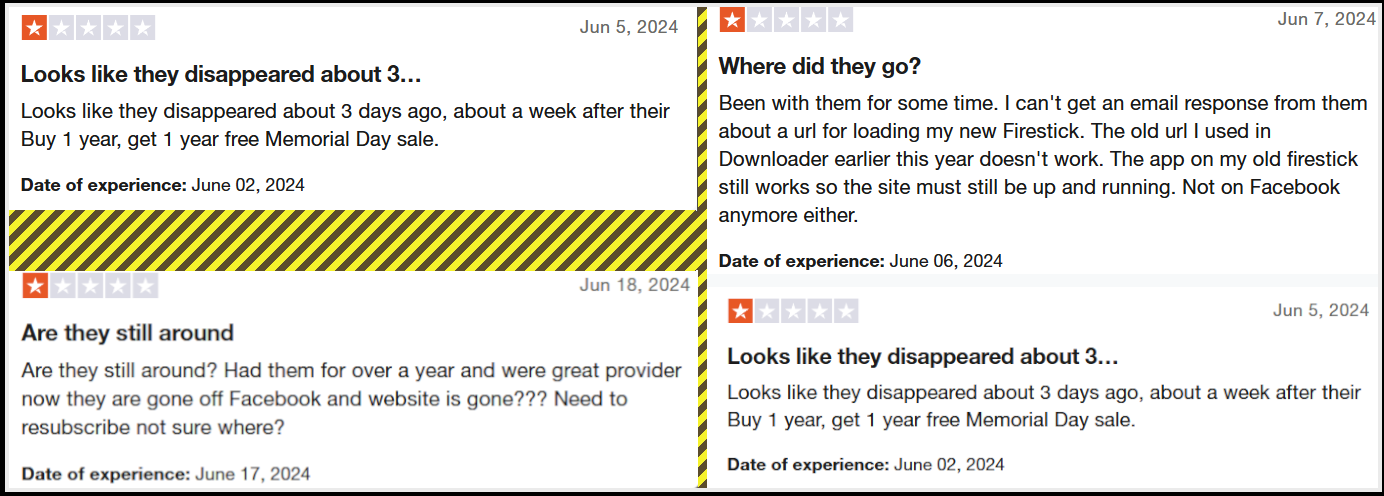
    On Wednesday, however, ACE announced the shutdown of at least four branded IPTV services on home soil; AnytimeTV (the most prominent), Cobra Servers, Elite Servers, and Lost Highway Media. Customers of some of these services have been complaining about their sudden disappearance since early June.

    According to ACE, when combined these platforms had “thousands of subscribers” and “hundreds of thousands of domain visits annually.” The big question is whether the profit made on subscriptions will be enough to pay off ACE.

    $2m+ Settlement Agreed

    The closure of these services will be governed by a settlement agreement between ACE and three U.S.-based IPTV operators. ACE has mentioned reaching settlement agreements with platform owners in the past, but in this matter the financial aspect is given a much higher profile than usual.

    ACE reports that the three operators have agreed to pay over $2 million in compensation; through unofficial channels TF has previously heard of settlement offers in the hundreds of thousands, but with so many cases, the sample is too small to predict the true range.

    “These landmark settlements should serve as a warning to illegal streaming operators about the severe penalties they will face for breaking copyright law, including legal actions, substantial financial settlements and fines, and jail time,” Knapp says .

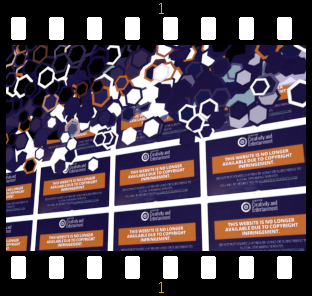
    In most cases, settlements require domains used in connection with pirate services to be signed over to the MPA. Those specifically mentioned by ACE in this matter include anytimetv.us, anytimewebhosting.com, elite-servers.com, losthighway-media.com, and webhostsupply.com. Some already divert to the ACE seizure page.

    Paying the Price for Zero Security

    Groups like ACE never reveal exactly what makes one service more likely to face enforcement measures than another. Nevertheless, factors such as size or strategic position in the piracy market are typically weighed against prudent use of resources and prospects of success. Political considerations and matters related to overarching strategy may influence decisions too, but in some cases, enforcement action simply makes sense.

    Services increasing in popularity, such as those recently shut down, may require more urgent attention. When that can take place on home soil, enforcement is likely to be more effective. When the domain anytimetv.us appeared in the mix, that may have made things much more interesting.

    Unlike foreign domains, WHOIS records for .us domains cannot be hidden, with registrars facing potential repercussions for not following the rules. That’s why pirate sites usually avoid .us domains and prefer options such as .to, where the opposite is true.

    In this case, public WHOIS records for anytimetv.us included a real name and a real physical address. With those details established, related information becomes easier to find.

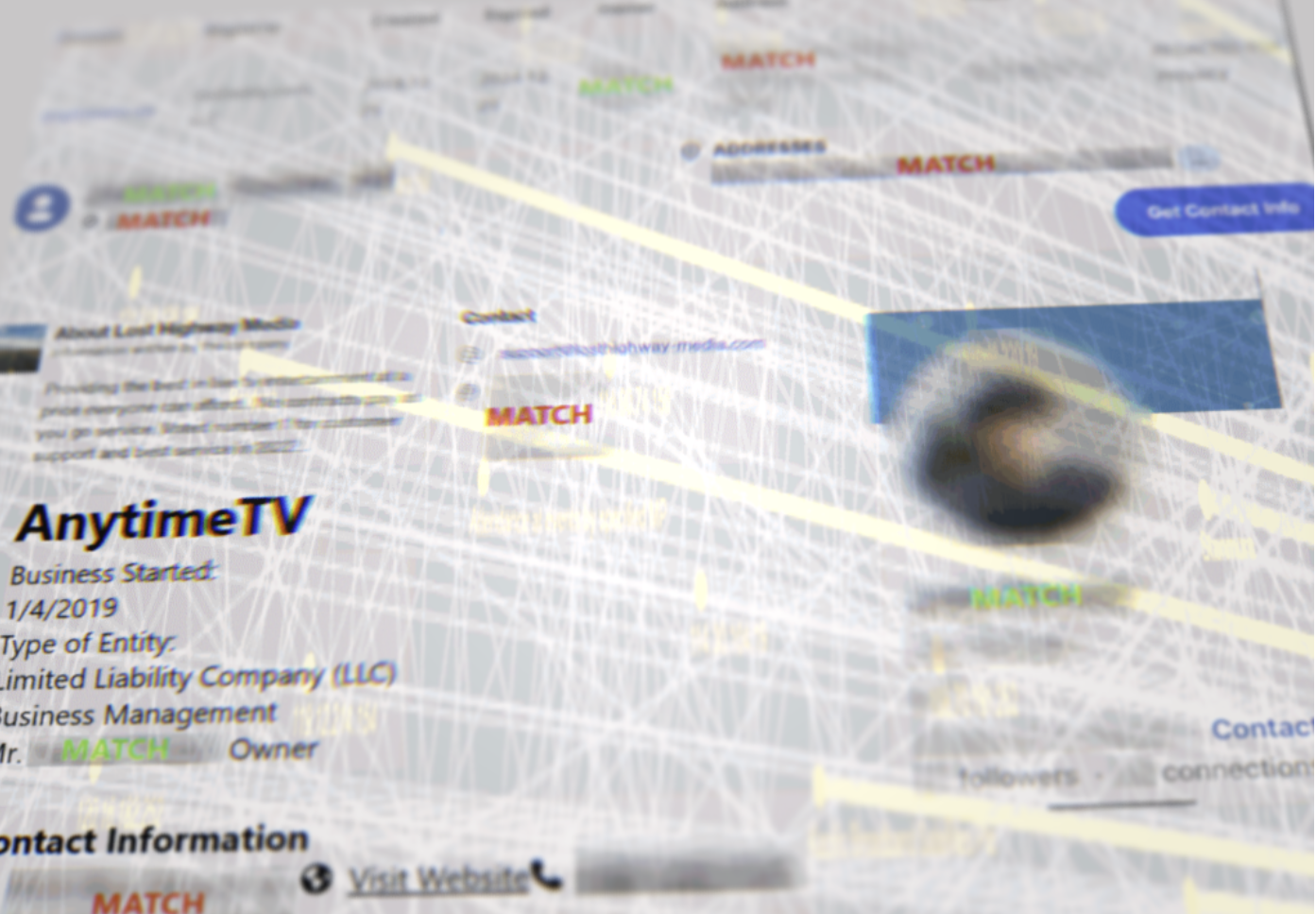
    On LinkedIn, for example, one service was presented by its owner as a regular business, using a name that can be cross-referenced with WHOIS records and other online databases. Similarly, engagement on Trust Pilot and other review platforms suggested that potential enforcement was hardly considered, if it was considered at all.

    Whether ACE offered one or any of these services an early opportunity to shut down is unknown. What we can say with absolute certainty is that at least one of them was compromised years ago when legal action targeted an entity responsible for supplying their streams. A company name, banking details, and details of monthly payments made for streams, were obtained by an anti-piracy group as part of a much larger haul, which eventually entered the public domain.

    Given the sheer number of platforms ACE has shut down since 2017, running a pirate IPTV service so openly with the above as background, makes zero sense. Even if we entertain the idea that identities, addresses, and profiles on social media, are simply elaborate fakes placed online for misdirection purposes, the bottom line still tells exactly the same story: services shut down and profits confiscated. And that’s just the lucky ones.

    From: TF , for the latest news on copyright battles, piracy and more.

    • To chevron_right

      ACE Shuts US-Based Pirate IPTV Services, Poor Security Costs $2m

      news.movim.eu / TorrentFreak • 16 August 2024 • 4 minutes

    ace-strip Widening discussions on the seemingly limitless potential of AI suggest profound implications for most jobs in the future.

    Of those with the greatest chance of surviving the AI revolution, fighting crime online must be one of the stronger candidates. With piracy close to ubiquitous, work opportunities exist, to put it mildly.

    The realm of content protection may yet have an AI savior waiting in the wings, but until a model can accurately determine fair use and conduct complex, error-free investigations, humans retain the upper hand. Meanwhile, the entertainment industry has more content protection work than ever before, much of it with an ideal completion date of yesterday.

    Larissa Knapp , the new head of content protection at the MPA, will undoubtedly meet challenges like these head on. This week the former FBI official revealed the culmination of an investigation in the United States where basic mistakes may have contributed to the services’ downfall. The press release itself includes some interesting presentational changes.

    US-Based IPTV Services Shut Down

    The anti-piracy profiles of the MPA, and more recently ACE, are without parallel in the United States. At least in part, high-profile lawsuits and in some cases criminal actions, have dampened pirates’ enthusiasm for becoming the next ‘victim’ of Hollywood’s piracy grinder. As a result, actions against IPTV providers in the U.S. are relatively rare.

    On Wednesday, however, ACE announced the shutdown of at least four branded IPTV services on home soil; AnytimeTV (the most prominent), Cobra Servers, Elite Servers, and Lost Highway Media. Customers of some of these services have been complaining about their sudden disappearance since early June.

    According to ACE, when combined these platforms had “thousands of subscribers” and “hundreds of thousands of domain visits annually.” The big question is whether the profit made on subscriptions will be enough to pay off ACE.

    $2m+ Settlement Agreed

    The closure of these services will be governed by a settlement agreement between ACE and three U.S.-based IPTV operators. ACE has mentioned reaching settlement agreements with platform owners in the past, but in this matter the financial aspect is given a much higher profile than usual.

    ACE reports that the three operators have agreed to pay over $2 million in compensation; through unofficial channels TF has previously heard of settlement offers in the hundreds of thousands, but with so many cases, the sample is too small to predict the true range.

    “These landmark settlements should serve as a warning to illegal streaming operators about the severe penalties they will face for breaking copyright law, including legal actions, substantial financial settlements and fines, and jail time,” Knapp says .

    In most cases, settlements require domains used in connection with pirate services to be signed over to the MPA. Those specifically mentioned by ACE in this matter include anytimetv.us, anytimewebhosting.com, elite-servers.com, losthighway-media.com, and webhostsupply.com. Some already divert to the ACE seizure page.

    Paying the Price for Zero Security

    Groups like ACE never reveal exactly what makes one service more likely to face enforcement measures than another. Nevertheless, factors such as size or strategic position in the piracy market are typically weighed against prudent use of resources and prospects of success. Political considerations and matters related to overarching strategy may influence decisions too, but in some cases, enforcement action simply makes sense.

    Services increasing in popularity, such as those recently shut down, may require more urgent attention. When that can take place on home soil, enforcement is likely to be more effective. When the domain anytimetv.us appeared in the mix, that may have made things much more interesting.

    Unlike foreign domains, WHOIS records for .us domains cannot be hidden, with registrars facing potential repercussions for not following the rules. That’s why pirate sites usually avoid .us domains and prefer options such as .to, where the opposite is true.

    In this case, public WHOIS records for anytimetv.us included a real name and a real physical address. With those details established, related information becomes easier to find.

    On LinkedIn, for example, one service was presented by its owner as a regular business, using a name that can be cross-referenced with WHOIS records and other online databases. Similarly, engagement on Trust Pilot and other review platforms suggested that potential enforcement was hardly considered, if it was considered at all.

    Whether ACE offered one or any of these services an early opportunity to shut down is unknown. What we can say with absolute certainty is that at least one of them was compromised years ago when legal action targeted an entity responsible for supplying their streams. A company name, banking details, and details of monthly payments made for streams, were obtained by an anti-piracy group as part of a much larger haul, which eventually entered the public domain.

    Given the sheer number of platforms ACE has shut down since 2017, running a pirate IPTV service so openly with the above as background, makes zero sense. Even if we entertain the idea that identities, addresses, and profiles on social media, are simply elaborate fakes placed online for misdirection purposes, the bottom line still tells exactly the same story: services shut down and profits confiscated. And that’s just the lucky ones.

    From: TF , for the latest news on copyright battles, piracy and more.

    • To chevron_right

      ACE Shuts US-Based Pirate IPTV Services, Poor Security Costs $2m

      news.movim.eu / TorrentFreak • 16 August 2024 • 4 minutes

    ace-strip Widening discussions on the seemingly limitless potential of AI suggest profound implications for most jobs in the future.

    Of those with the greatest chance of surviving the AI revolution, fighting crime online must be one of the stronger candidates. With piracy close to ubiquitous, work opportunities exist, to put it mildly.

    The realm of content protection may yet have an AI savior waiting in the wings, but until a model can accurately determine fair use and conduct complex, error-free investigations, humans retain the upper hand. Meanwhile, the entertainment industry has more content protection work than ever before, much of it with an ideal completion date of yesterday.

    Larissa Knapp , the new head of content protection at the MPA, will undoubtedly meet challenges like these head on. This week the former FBI official revealed the culmination of an investigation in the United States where basic mistakes may have contributed to the services’ downfall. The press release itself includes some interesting presentational changes.

    US-Based IPTV Services Shut Down

    The anti-piracy profiles of the MPA, and more recently ACE, are without parallel in the United States. At least in part, high-profile lawsuits and in some cases criminal actions, have dampened pirates’ enthusiasm for becoming the next ‘victim’ of Hollywood’s piracy grinder. As a result, actions against IPTV providers in the U.S. are relatively rare.

    On Wednesday, however, ACE announced the shutdown of at least four branded IPTV services on home soil; AnytimeTV (the most prominent), Cobra Servers, Elite Servers, and Lost Highway Media. Customers of some of these services have been complaining about their sudden disappearance since early June.

    According to ACE, when combined these platforms had “thousands of subscribers” and “hundreds of thousands of domain visits annually.” The big question is whether the profit made on subscriptions will be enough to pay off ACE.

    $2m+ Settlement Agreed

    The closure of these services will be governed by a settlement agreement between ACE and three U.S.-based IPTV operators. ACE has mentioned reaching settlement agreements with platform owners in the past, but in this matter the financial aspect is given a much higher profile than usual.

    ACE reports that the three operators have agreed to pay over $2 million in compensation; through unofficial channels TF has previously heard of settlement offers in the hundreds of thousands, but with so many cases, the sample is too small to predict the true range.

    “These landmark settlements should serve as a warning to illegal streaming operators about the severe penalties they will face for breaking copyright law, including legal actions, substantial financial settlements and fines, and jail time,” Knapp says .

    In most cases, settlements require domains used in connection with pirate services to be signed over to the MPA. Those specifically mentioned by ACE in this matter include anytimetv.us, anytimewebhosting.com, elite-servers.com, losthighway-media.com, and webhostsupply.com. Some already divert to the ACE seizure page.

    Paying the Price for Zero Security

    Groups like ACE never reveal exactly what makes one service more likely to face enforcement measures than another. Nevertheless, factors such as size or strategic position in the piracy market are typically weighed against prudent use of resources and prospects of success. Political considerations and matters related to overarching strategy may influence decisions too, but in some cases, enforcement action simply makes sense.

    Services increasing in popularity, such as those recently shut down, may require more urgent attention. When that can take place on home soil, enforcement is likely to be more effective. When the domain anytimetv.us appeared in the mix, that may have made things much more interesting.

    Unlike foreign domains, WHOIS records for .us domains cannot be hidden, with registrars facing potential repercussions for not following the rules. That’s why pirate sites usually avoid .us domains and prefer options such as .to, where the opposite is true.

    In this case, public WHOIS records for anytimetv.us included a real name and a real physical address. With those details established, related information becomes easier to find.

    On LinkedIn, for example, one service was presented by its owner as a regular business, using a name that can be cross-referenced with WHOIS records and other online databases. Similarly, engagement on Trust Pilot and other review platforms suggested that potential enforcement was hardly considered, if it was considered at all.

    Whether ACE offered one or any of these services an early opportunity to shut down is unknown. What we can say with absolute certainty is that at least one of them was compromised years ago when legal action targeted an entity responsible for supplying their streams. A company name, banking details, and details of monthly payments made for streams, were obtained by an anti-piracy group as part of a much larger haul, which eventually entered the public domain.

    Given the sheer number of platforms ACE has shut down since 2017, running a pirate IPTV service so openly with the above as background, makes zero sense. Even if we entertain the idea that identities, addresses, and profiles on social media, are simply elaborate fakes placed online for misdirection purposes, the bottom line still tells exactly the same story: services shut down and profits confiscated. And that’s just the lucky ones.

    From: TF , for the latest news on copyright battles, piracy and more.

    • To chevron_right

      Cox Asks Supreme Court to Protect Internet Subscribers from ‘Piracy Terminations’

      news.movim.eu / TorrentFreak • 15 August 2024 • 5 minutes

    pirate-flag Late 2019, Internet provider Cox Communications lost its legal battle against a group of major record labels, including Sony and Universal.

    Following a two-week trial, a Virginia jury held Cox liable for its pirating subscribers. The ISP failed to disconnect repeat infringers and was ordered to pay $1 billion in damages.

    Cox challenged the verdict through several routes and earlier this year booked a partial victory. The Fourth Circuit Court of Appeals confirmed that the ISP was contributorily liable for pirating subscribers, but reversed the vicarious copyright infringement finding. A new trial will determine the appropriate damages amount given these new conclusions.

    Following this ruling, Cox asked for the damages question to be put on hold, as there were other matters pending. Among them, a planned Supreme Court petition filed a few hours ago.

    Cox Files Supreme Court Petition

    In a public statement today, Cox warns that the current ruling jeopardizes internet access for all Americans, as it forces ISPs to terminate the accounts of subscribers who are repeatedly accused of sharing copyright-infringing content.

    “Terminating internet service would not just impact the individual accused of unlawfully downloading content, it would kick an entire household off the internet,” Cox notes.

    “This would have a particularly devastating impact on rural communities with only one service provider or where an alternative provider offers slow or unreliable connections — termination would leave a household with no viable access to the internet.”

    After the Cox case was docketed, similar lawsuits were filed against other Internet providers, including Grande, Verizon, RCN, Bright House, Frontier and others. Some complaints were settled and others remain pending.

    These cases have already changed how Internet providers handle repeat infringers on their networks and “terminations” are now more common. According to Cox, however, the current verdict goes too far.

    Draconian Liability Regime

    In its petition Cox writes that, in its view, the lower court’s ruling stretches service provider liability too far. As a result, ISPs find themselves ‘forced’ to terminate subscribers, who may have done little wrong.

    “Cox Communications — which provides internet service to millions of homes and businesses — must either terminate internet connections previously used for infringement or else face liability for any future infringement.

    “In doing so, the court installed the most draconian secondary-liability regime in the country, one that departs from three other circuits, defies this Court’s precedents, and threatens mass disruption across the internet,” Cox warns.

    supreme court

    The Supreme Court petition aims to place the ‘repeat infringer’ issue into perspective, noting that pirating accounts represented roughly 1% of its total subscribers. Of this group, Cox was able to motivate 95% to stop.

    The remaining ‘repeat infringers’ were able to continue. The music companies argued that the ISP could and should have terminated these accounts, some 57,000 in total, but Cox believes this is a step too far.

    Universities, Hotels and Military Housing

    Cox argues that subscribers shouldn’t lose their internet access based on unadjudicated third-party accusations; especially since the repeat infringers included business accounts with many simultaneous connections.

    “In practice, the accounts that continued to rack up notices without termination were regional ISPs, universities, hotels, military housing, and other business accounts used by hundreds or thousands of individual users,” the petition reads.

    military housing

    Disconnecting universities and hospitals could have devastating consequences but Cox also continued to provide its services to many regular subscribers, who also continued to pirate.

    While these examples are less dramatic, the company argues that disconnecting regular subscribers can also have serious consequences.

    “Even with respect to individuals who did, in fact, infringe, loss of internet access is very heavy punishment for illegally downloading two songs. A person without internet might lose their job or have to drop out of school.”

    Cox hopes that the Supreme Court will take on the case and limit secondary liability for Internet providers. The current Fourth Circuit ruling weighs heavily in favor of rightsholders, to the detriment of ISPs and their subscribers, the petition argues.

    Two Questions

    In recent weeks, Cox has put considerable effort into explaining its position to the press. When doing so, there was a strong focus on the potentially devastating impact on Internet users.

    While this is undoubtedly an important issue, the matter at hand is ultimately about service provider liability. And the key questions presented to the Supreme Court don’t directly involve hospitals in rural areas.

    This case is about who is responsible for Internet piracy. Is it only the users who actually share pirated material, or can ISPs be held responsible too?

    The Fourth Circuit concluded that Cox “materially contributed” to the infringements of its subscribers, because the company knew about this activity and didn’t terminate their accounts.

    That leads Cox to present the following question to the Supreme Court:

    “Did the Fourth Circuit err in holding that a service provider can be held liable […] merely because it knew that people were using certain accounts to infringe and did not terminate access, without proof that the service provider affirmatively fostered infringement or otherwise intended to promote it?”

    erred

    The second question is indirectly related to the damages award. The jury awarded the maximum statutory damages of $150,000 per work, which is typically reserved for “willful” infringement.

    Cox questions whether simply knowing about copyright infringements of subscribers is willful, if the company didn’t know that its own conduct was illegal.

    “Did the Fourth Circuit err in holding that mere knowledge of another’s direct infringement suffices to find willfulness under 17 U.S.C. § 504(c)?” the petition reads.

    Landmark Case

    If the Supreme Court decides to take on this case, it will undoubtedly result in a landmark decision. The music companies also indicate that they may present their own petition to the court, which will make the matter even more crucial.

    Both sides are expected to garner support from third parties, which are expected to file supporting briefs on their behalf. After that, the Supreme Court will have to decide whether to take on the case.

    Whatever the ultimate outcome, Internet providers could certainly benefit from extra clarity on the “repeat infringer” problem. Whether they will like the eventual outcome, remains to be seen.

    A copy of Cox Communication’s Supreme Court petition is available here (pdf)

    From: TF , for the latest news on copyright battles, piracy and more.

    • To chevron_right

      Cox Asks Supreme Court to Protect Internet Subscribers from ‘Piracy Terminations’

      news.movim.eu / TorrentFreak • 15 August 2024 • 5 minutes

    pirate-flag Late 2019, Internet provider Cox Communications lost its legal battle against a group of major record labels, including Sony and Universal.

    Following a two-week trial, a Virginia jury held Cox liable for its pirating subscribers. The ISP failed to disconnect repeat infringers and was ordered to pay $1 billion in damages.

    Cox challenged the verdict through several routes and earlier this year booked a partial victory. The Fourth Circuit Court of Appeals confirmed that the ISP was contributorily liable for pirating subscribers, but reversed the vicarious copyright infringement finding. A new trial will determine the appropriate damages amount given these new conclusions.

    Following this ruling, Cox asked for the damages question to be put on hold, as there were other matters pending. Among them, a planned Supreme Court petition filed a few hours ago.

    Cox Files Supreme Court Petition

    In a public statement today, Cox warns that the current ruling jeopardizes internet access for all Americans, as it forces ISPs to terminate the accounts of subscribers who are repeatedly accused of sharing copyright-infringing content.

    “Terminating internet service would not just impact the individual accused of unlawfully downloading content, it would kick an entire household off the internet,” Cox notes.

    “This would have a particularly devastating impact on rural communities with only one service provider or where an alternative provider offers slow or unreliable connections — termination would leave a household with no viable access to the internet.”

    After the Cox case was docketed, similar lawsuits were filed against other Internet providers, including Grande, Verizon, RCN, Bright House, Frontier and others. Some complaints were settled and others remain pending.

    These cases have already changed how Internet providers handle repeat infringers on their networks and “terminations” are now more common. According to Cox, however, the current verdict goes too far.

    Draconian Liability Regime

    In its petition Cox writes that, in its view, the lower court’s ruling stretches service provider liability too far. As a result, ISPs find themselves ‘forced’ to terminate subscribers, who may have done little wrong.

    “Cox Communications — which provides internet service to millions of homes and businesses — must either terminate internet connections previously used for infringement or else face liability for any future infringement.

    “In doing so, the court installed the most draconian secondary-liability regime in the country, one that departs from three other circuits, defies this Court’s precedents, and threatens mass disruption across the internet,” Cox warns.

    supreme court

    The Supreme Court petition aims to place the ‘repeat infringer’ issue into perspective, noting that pirating accounts represented roughly 1% of its total subscribers. Of this group, Cox was able to motivate 95% to stop.

    The remaining ‘repeat infringers’ were able to continue. The music companies argued that the ISP could and should have terminated these accounts, some 57,000 in total, but Cox believes this is a step too far.

    Universities, Hotels and Military Housing

    Cox argues that subscribers shouldn’t lose their internet access based on unadjudicated third-party accusations; especially since the repeat infringers included business accounts with many simultaneous connections.

    “In practice, the accounts that continued to rack up notices without termination were regional ISPs, universities, hotels, military housing, and other business accounts used by hundreds or thousands of individual users,” the petition reads.

    military housing

    Disconnecting universities and hospitals could have devastating consequences but Cox also continued to provide its services to many regular subscribers, who also continued to pirate.

    While these examples are less dramatic, the company argues that disconnecting regular subscribers can also have serious consequences.

    “Even with respect to individuals who did, in fact, infringe, loss of internet access is very heavy punishment for illegally downloading two songs. A person without internet might lose their job or have to drop out of school.”

    Cox hopes that the Supreme Court will take on the case and limit secondary liability for Internet providers. The current Fourth Circuit ruling weighs heavily in favor of rightsholders, to the detriment of ISPs and their subscribers, the petition argues.

    Two Questions

    In recent weeks, Cox has put considerable effort into explaining its position to the press. When doing so, there was a strong focus on the potentially devastating impact on Internet users.

    While this is undoubtedly an important issue, the matter at hand is ultimately about service provider liability. And the key questions presented to the Supreme Court don’t directly involve hospitals in rural areas.

    This case is about who is responsible for Internet piracy. Is it only the users who actually share pirated material, or can ISPs be held responsible too?

    The Fourth Circuit concluded that Cox “materially contributed” to the infringements of its subscribers, because the company knew about this activity and didn’t terminate their accounts.

    That leads Cox to present the following question to the Supreme Court:

    “Did the Fourth Circuit err in holding that a service provider can be held liable […] merely because it knew that people were using certain accounts to infringe and did not terminate access, without proof that the service provider affirmatively fostered infringement or otherwise intended to promote it?”

    erred

    The second question is indirectly related to the damages award. The jury awarded the maximum statutory damages of $150,000 per work, which is typically reserved for “willful” infringement.

    Cox questions whether simply knowing about copyright infringements of subscribers is willful, if the company didn’t know that its own conduct was illegal.

    “Did the Fourth Circuit err in holding that mere knowledge of another’s direct infringement suffices to find willfulness under 17 U.S.C. § 504(c)?” the petition reads.

    Landmark Case

    If the Supreme Court decides to take on this case, it will undoubtedly result in a landmark decision. The music companies also indicate that they may present their own petition to the court, which will make the matter even more crucial.

    Both sides are expected to garner support from third parties, which are expected to file supporting briefs on their behalf. After that, the Supreme Court will have to decide whether to take on the case.

    Whatever the ultimate outcome, Internet providers could certainly benefit from extra clarity on the “repeat infringer” problem. Whether they will like the eventual outcome, remains to be seen.

    A copy of Cox Communication’s Supreme Court petition is available here (pdf)

    From: TF , for the latest news on copyright battles, piracy and more.

    • To chevron_right

      Cox Asks Supreme Court to Protect Internet Subscribers from ‘Piracy Terminations’

      news.movim.eu / TorrentFreak • 15 August 2024 • 5 minutes

    pirate-flag Late 2019, Internet provider Cox Communications lost its legal battle against a group of major record labels, including Sony and Universal.

    Following a two-week trial, a Virginia jury held Cox liable for its pirating subscribers. The ISP failed to disconnect repeat infringers and was ordered to pay $1 billion in damages.

    Cox challenged the verdict through several routes and earlier this year booked a partial victory. The Fourth Circuit Court of Appeals confirmed that the ISP was contributorily liable for pirating subscribers, but reversed the vicarious copyright infringement finding. A new trial will determine the appropriate damages amount given these new conclusions.

    Following this ruling, Cox asked for the damages question to be put on hold, as there were other matters pending. Among them, a planned Supreme Court petition filed a few hours ago.

    Cox Files Supreme Court Petition

    In a public statement today, Cox warns that the current ruling jeopardizes internet access for all Americans, as it forces ISPs to terminate the accounts of subscribers who are repeatedly accused of sharing copyright-infringing content.

    “Terminating internet service would not just impact the individual accused of unlawfully downloading content, it would kick an entire household off the internet,” Cox notes.

    “This would have a particularly devastating impact on rural communities with only one service provider or where an alternative provider offers slow or unreliable connections — termination would leave a household with no viable access to the internet.”

    After the Cox case was docketed, similar lawsuits were filed against other Internet providers, including Grande, Verizon, RCN, Bright House, Frontier and others. Some complaints were settled and others remain pending.

    These cases have already changed how Internet providers handle repeat infringers on their networks and “terminations” are now more common. According to Cox, however, the current verdict goes too far.

    Draconian Liability Regime

    In its petition Cox writes that, in its view, the lower court’s ruling stretches service provider liability too far. As a result, ISPs find themselves ‘forced’ to terminate subscribers, who may have done little wrong.

    “Cox Communications — which provides internet service to millions of homes and businesses — must either terminate internet connections previously used for infringement or else face liability for any future infringement.

    “In doing so, the court installed the most draconian secondary-liability regime in the country, one that departs from three other circuits, defies this Court’s precedents, and threatens mass disruption across the internet,” Cox warns.

    supreme court

    The Supreme Court petition aims to place the ‘repeat infringer’ issue into perspective, noting that pirating accounts represented roughly 1% of its total subscribers. Of this group, Cox was able to motivate 95% to stop.

    The remaining ‘repeat infringers’ were able to continue. The music companies argued that the ISP could and should have terminated these accounts, some 57,000 in total, but Cox believes this is a step too far.

    Universities, Hotels and Military Housing

    Cox argues that subscribers shouldn’t lose their internet access based on unadjudicated third-party accusations; especially since the repeat infringers included business accounts with many simultaneous connections.

    “In practice, the accounts that continued to rack up notices without termination were regional ISPs, universities, hotels, military housing, and other business accounts used by hundreds or thousands of individual users,” the petition reads.

    military housing

    Disconnecting universities and hospitals could have devastating consequences but Cox also continued to provide its services to many regular subscribers, who also continued to pirate.

    While these examples are less dramatic, the company argues that disconnecting regular subscribers can also have serious consequences.

    “Even with respect to individuals who did, in fact, infringe, loss of internet access is very heavy punishment for illegally downloading two songs. A person without internet might lose their job or have to drop out of school.”

    Cox hopes that the Supreme Court will take on the case and limit secondary liability for Internet providers. The current Fourth Circuit ruling weighs heavily in favor of rightsholders, to the detriment of ISPs and their subscribers, the petition argues.

    Two Questions

    In recent weeks, Cox has put considerable effort into explaining its position to the press. When doing so, there was a strong focus on the potentially devastating impact on Internet users.

    While this is undoubtedly an important issue, the matter at hand is ultimately about service provider liability. And the key questions presented to the Supreme Court don’t directly involve hospitals in rural areas.

    This case is about who is responsible for Internet piracy. Is it only the users who actually share pirated material, or can ISPs be held responsible too?

    The Fourth Circuit concluded that Cox “materially contributed” to the infringements of its subscribers, because the company knew about this activity and didn’t terminate their accounts.

    That leads Cox to present the following question to the Supreme Court:

    “Did the Fourth Circuit err in holding that a service provider can be held liable […] merely because it knew that people were using certain accounts to infringe and did not terminate access, without proof that the service provider affirmatively fostered infringement or otherwise intended to promote it?”

    erred

    The second question is indirectly related to the damages award. The jury awarded the maximum statutory damages of $150,000 per work, which is typically reserved for “willful” infringement.

    Cox questions whether simply knowing about copyright infringements of subscribers is willful, if the company didn’t know that its own conduct was illegal.

    “Did the Fourth Circuit err in holding that mere knowledge of another’s direct infringement suffices to find willfulness under 17 U.S.C. § 504(c)?” the petition reads.

    Landmark Case

    If the Supreme Court decides to take on this case, it will undoubtedly result in a landmark decision. The music companies also indicate that they may present their own petition to the court, which will make the matter even more crucial.

    Both sides are expected to garner support from third parties, which are expected to file supporting briefs on their behalf. After that, the Supreme Court will have to decide whether to take on the case.

    Whatever the ultimate outcome, Internet providers could certainly benefit from extra clarity on the “repeat infringer” problem. Whether they will like the eventual outcome, remains to be seen.

    A copy of Cox Communication’s Supreme Court petition is available here (pdf)

    From: TF , for the latest news on copyright battles, piracy and more.