• To chevron_right

      IPTV Piracy Expert Urges Restraint in Rush Towards Automated Blocking

      news.movim.eu / TorrentFreak • 7 January 2025 • 3 minutes

    p2p-iptv Dynamic injunctions for tackling live sports piracy were crafted in the UK by the Premier League and first authorized by the High Court of England and Wales in 2017.

    Football Association Premier League Ltd v British Telecommunications Plc & Ors compelled the UK’s major ISPs to block specific servers providing illicit match streams into the UK, with flexibility built-in by design.

    In the years that followed, continuous fine-tuning set the legal standard for others to follow. Years of development work in conjunction with anti-piracy partner Friend MTS provided for sophisticated dynamic blocking of pirate IPTV services. That opened up new opportunities to support broadcasters and sports leagues developing their own live blocking programs overseas, with Canada a notable example .

    Italy Preferred to Tread its Own Path

    When Italy passed new law in 2023 in support of its now-infamous ‘Piracy Shield’ blocking system, the decision to go with a whole new anti-piracy platform was, at least on face value, somewhat baffling.

    On one hand, the Premier League can be seen as a rival of top-tier Italian league Serie A; yet on the other, they share the same opponent in the fight against piracy. With anti-piracy coalitions also showing success right now, the theory made sense; after a year of blunders and controversy, little else did.

    In an interview published Monday, Chris White, Chief Architect at Friend MTS, recalled last year’s football season as having a little more tension than usual.

    Not If – When Disaster Strikes

    “This summer the broadcast industry held its breath as news came out about overblocking by Italy’s new anti-piracy platform Piracy Shield, which is managed by AGCOM, the country’s communications regulator,” White said.

    “Nobody wants to be responsible for blocking legitimate online services, damaging brands and impacting revenues.”

    White was likely referring to the controversial blocking of Cloudflare and an unknown number of its customers’ websites, due to a Cloudflare IP address being wrongfully placed on the Piracy Shield system.

    Despite that event ticking all three of the above boxes, there was no sign of public reflection on what could be learned from the experience. Instead, AGCOM declared war on Cloudflare and Serie A dragged the cloud provider into a lawsuit .

    More Restraint, Increased Scrutiny

    The above took place to a background of legal amendments to authorize more aggressive blocking and punishments for the tech industry for failing to engage in the blocking program. With rightsholders reportedly free to block with even less oversight than before, visible action to prevent history from repeating itself was notable only by its absence.

    Moving forward, White said, the general threat of overblocking and its consequences should lead to a more considered approach.

    “As the industry digests this risk, we expect to see more restraint and increased scrutiny about automated solutions and a shift towards blocking services with proven accuracy and industry-proven monitoring tech,” he explained.

    “More importantly, we now need to make a concerted effort to counter the controversy by educating the industry about how effective blocking has been over the last seven years. We support many big name and lesser known broadcasters, streamers and sports leagues such as UEFA in effective blocking that is protecting the value of rights and revenues, and have done so for numerous years without issue.

    “This is achieved through best-in-class monitoring and forensically accurate technologies to ensure that any targets won’t cause collateral damage on legitimate services.”

    The Serie A and Friend MTS Partnership

    If the quote above sounds a like a sales pitch, the timing is about right. In January 2022, Friend MTS confirmed a three-season deal with Serie A to combat piracy via its “field-leading global monitoring services” which provide “real-time identification of illegal streams of live Lega Serie A content…”

    The three-year deal was actually a three-year extension, one that marked a decade-long Serie A partnership with Friend MTS. Whether that relationship will continue is unclear, but if Serie A already enjoys blocking accuracy thanks to Friend MTS, why did Cloudflare and then later Google both get blocked by Piracy Shield?

    All we know is that AGCOM publicly blamed DAZN for both ‘blunders’ and on the Friend MTS website , DAZN isn’t mentioned as one of the company’s partners.

    From: TF , for the latest news on copyright battles, piracy and more.

    • To chevron_right

      IPTV Piracy Expert Urges Restraint in Rush Towards Automated Blocking

      news.movim.eu / TorrentFreak • 7 January 2025 • 3 minutes

    p2p-iptv Dynamic injunctions for tackling live sports piracy were crafted in the UK by the Premier League and first authorized by the High Court of England and Wales in 2017.

    Football Association Premier League Ltd v British Telecommunications Plc & Ors compelled the UK’s major ISPs to block specific servers providing illicit match streams into the UK, with flexibility built-in by design.

    In the years that followed, continuous fine-tuning set the legal standard for others to follow. Years of development work in conjunction with anti-piracy partner Friend MTS provided for sophisticated dynamic blocking of pirate IPTV services. That opened up new opportunities to support broadcasters and sports leagues developing their own live blocking programs overseas, with Canada a notable example .

    Italy Preferred to Tread its Own Path

    When Italy passed new law in 2023 in support of its now-infamous ‘Piracy Shield’ blocking system, the decision to go with a whole new anti-piracy platform was, at least on face value, somewhat baffling.

    On one hand, the Premier League can be seen as a rival of top-tier Italian league Serie A; yet on the other, they share the same opponent in the fight against piracy. With anti-piracy coalitions also showing success right now, the theory made sense; after a year of blunders and controversy, little else did.

    In an interview published Monday, Chris White, Chief Architect at Friend MTS, recalled last year’s football season as having a little more tension than usual.

    Not If – When Disaster Strikes

    “This summer the broadcast industry held its breath as news came out about overblocking by Italy’s new anti-piracy platform Piracy Shield, which is managed by AGCOM, the country’s communications regulator,” White said.

    “Nobody wants to be responsible for blocking legitimate online services, damaging brands and impacting revenues.”

    White was likely referring to the controversial blocking of Cloudflare and an unknown number of its customers’ websites, due to a Cloudflare IP address being wrongfully placed on the Piracy Shield system.

    Despite that event ticking all three of the above boxes, there was no sign of public reflection on what could be learned from the experience. Instead, AGCOM declared war on Cloudflare and Serie A dragged the cloud provider into a lawsuit .

    More Restraint, Increased Scrutiny

    The above took place to a background of legal amendments to authorize more aggressive blocking and punishments for the tech industry for failing to engage in the blocking program. With rightsholders reportedly free to block with even less oversight than before, visible action to prevent history from repeating itself was notable only by its absence.

    Moving forward, White said, the general threat of overblocking and its consequences should lead to a more considered approach.

    “As the industry digests this risk, we expect to see more restraint and increased scrutiny about automated solutions and a shift towards blocking services with proven accuracy and industry-proven monitoring tech,” he explained.

    “More importantly, we now need to make a concerted effort to counter the controversy by educating the industry about how effective blocking has been over the last seven years. We support many big name and lesser known broadcasters, streamers and sports leagues such as UEFA in effective blocking that is protecting the value of rights and revenues, and have done so for numerous years without issue.

    “This is achieved through best-in-class monitoring and forensically accurate technologies to ensure that any targets won’t cause collateral damage on legitimate services.”

    The Serie A and Friend MTS Partnership

    If the quote above sounds a like a sales pitch, the timing is about right. In January 2022, Friend MTS confirmed a three-season deal with Serie A to combat piracy via its “field-leading global monitoring services” which provide “real-time identification of illegal streams of live Lega Serie A content…”

    The three-year deal was actually a three-year extension, one that marked a decade-long Serie A partnership with Friend MTS. Whether that relationship will continue is unclear, but if Serie A already enjoys blocking accuracy thanks to Friend MTS, why did Cloudflare and then later Google both get blocked by Piracy Shield?

    All we know is that AGCOM publicly blamed DAZN for both ‘blunders’ and on the Friend MTS website , DAZN isn’t mentioned as one of the company’s partners.

    From: TF , for the latest news on copyright battles, piracy and more.

    • To chevron_right

      IPTV Piracy Expert Urges Restraint in Rush Towards Automated Blocking

      news.movim.eu / TorrentFreak • 7 January 2025 • 3 minutes

    p2p-iptv Dynamic injunctions for tackling live sports piracy were crafted in the UK by the Premier League and first authorized by the High Court of England and Wales in 2017.

    Football Association Premier League Ltd v British Telecommunications Plc & Ors compelled the UK’s major ISPs to block specific servers providing illicit match streams into the UK, with flexibility built-in by design.

    In the years that followed, continuous fine-tuning set the legal standard for others to follow. Years of development work in conjunction with anti-piracy partner Friend MTS provided for sophisticated dynamic blocking of pirate IPTV services. That opened up new opportunities to support broadcasters and sports leagues developing their own live blocking programs overseas, with Canada a notable example .

    Italy Preferred to Tread its Own Path

    When Italy passed new law in 2023 in support of its now-infamous ‘Piracy Shield’ blocking system, the decision to go with a whole new anti-piracy platform was, at least on face value, somewhat baffling.

    On one hand, the Premier League can be seen as a rival of top-tier Italian league Serie A; yet on the other, they share the same opponent in the fight against piracy. With anti-piracy coalitions also showing success right now, the theory made sense; after a year of blunders and controversy, little else did.

    In an interview published Monday, Chris White, Chief Architect at Friend MTS, recalled last year’s football season as having a little more tension than usual.

    Not If – When Disaster Strikes

    “This summer the broadcast industry held its breath as news came out about overblocking by Italy’s new anti-piracy platform Piracy Shield, which is managed by AGCOM, the country’s communications regulator,” White said.

    “Nobody wants to be responsible for blocking legitimate online services, damaging brands and impacting revenues.”

    White was likely referring to the controversial blocking of Cloudflare and an unknown number of its customers’ websites, due to a Cloudflare IP address being wrongfully placed on the Piracy Shield system.

    Despite that event ticking all three of the above boxes, there was no sign of public reflection on what could be learned from the experience. Instead, AGCOM declared war on Cloudflare and Serie A dragged the cloud provider into a lawsuit .

    More Restraint, Increased Scrutiny

    The above took place to a background of legal amendments to authorize more aggressive blocking and punishments for the tech industry for failing to engage in the blocking program. With rightsholders reportedly free to block with even less oversight than before, visible action to prevent history from repeating itself was notable only by its absence.

    Moving forward, White said, the general threat of overblocking and its consequences should lead to a more considered approach.

    “As the industry digests this risk, we expect to see more restraint and increased scrutiny about automated solutions and a shift towards blocking services with proven accuracy and industry-proven monitoring tech,” he explained.

    “More importantly, we now need to make a concerted effort to counter the controversy by educating the industry about how effective blocking has been over the last seven years. We support many big name and lesser known broadcasters, streamers and sports leagues such as UEFA in effective blocking that is protecting the value of rights and revenues, and have done so for numerous years without issue.

    “This is achieved through best-in-class monitoring and forensically accurate technologies to ensure that any targets won’t cause collateral damage on legitimate services.”

    The Serie A and Friend MTS Partnership

    If the quote above sounds a like a sales pitch, the timing is about right. In January 2022, Friend MTS confirmed a three-season deal with Serie A to combat piracy via its “field-leading global monitoring services” which provide “real-time identification of illegal streams of live Lega Serie A content…”

    The three-year deal was actually a three-year extension, one that marked a decade-long Serie A partnership with Friend MTS. Whether that relationship will continue is unclear, but if Serie A already enjoys blocking accuracy thanks to Friend MTS, why did Cloudflare and then later Google both get blocked by Piracy Shield?

    All we know is that AGCOM publicly blamed DAZN for both ‘blunders’ and on the Friend MTS website , DAZN isn’t mentioned as one of the company’s partners.

    From: TF , for the latest news on copyright battles, piracy and more.

    • To chevron_right

      Anti-Piracy Group Wants to Expand Italy’s ‘Piracy Shield’ to Protect Movies

      news.movim.eu / TorrentFreak • 6 January 2025 • 3 minutes

    red carpet Less than a year has passed since Italy officially implemented the ‘ Piracy Shield ‘ system that aims to thwart live sports streaming piracy.

    Since February the system has blocked access to thousands of IP-addresses and domain names associated with unauthorized broadcasts.

    This massive blocking operation is seen as a major success by the authorities and many participating rightsholders. As time passed, however, its weaknesses also became painfully obvious.

    In addition to effective blockades , there were multiple reports of overblocking, where the anti-piracy system blocked access to Google Drive , Cloudflare , and other legitimate sites and services. Meanwhile, calls for more transparency and accountability were growing.

    Piracy Shield Expansion

    The authorities haven’t been sitting still since the ‘Piracy Shield’ launch. In addition to technical tweaks and improvements, expanding its reach was of particular interest. In October, for example, an amendment was approved to compel VPNs and DNS services to comply with blocking orders too.

    This expansion was unofficially confirmed at the Court of Milan which ruled that Cloudflare has to block Piracy Shield targets across all applicable services.

    In the coming year, it’s expected that the ‘Piracy Shield’ legal framework (Law 93/23) will be further updated following a public consultation. AGCOM, the organization in charge of the blocking system, announced as much in its annual report last month.

    “As known, in fact, Law No. 93/23 further expanded the scope of the Authority’s action by strengthening its functions for a more effective and timely countering of piracy actions online with reference to all events broadcast live on the network,” AGCOM wrote.

    “To this end, the Authority will proceed, after public consultation, with the necessary amendments to the Regulations […] and with the technical activities of updating and implementing the live blocking platform (Piracy Shield) functionality to achieve the objectives set by the law.”

    From the annual report

    Piracy Shield for Movie Premieres?

    AGCOM’s comments suggest that more sports and other live TV content may eventually receive ‘Piracy Shield’ protection. A public consultation is planned to discuss these and other potential expansions.

    This is music to the ears of local anti-piracy group FAPAV, which represents major film organizations and companies, including Italian branches of Netflix, Universal, Warner Bros, and Walt Disney.

    FAPAV President Bagnoli Rossi recently applauded AGCOM for the rollout of the ‘Piracy Shield’, describing it as a fundamental anti-piracy tool . At the same time, he expressed a wish to expand its scope even further, covering ‘non-live’ movies as well.

    “We hope that the new public consultation will be opened as soon as possible, aimed at extending the timeliness of intervention to other audiovisual content provided for by law, including for example first-run films and non-sports live television broadcasts, a measure that the sector is waiting for,” Rossi says.

    Slippery Slope?

    Put differently, FAPAV would like to make the ‘Piracy Shield’ the defacto blocking standard for a wider variety of valuable copyrighted content.

    This is not a trivial comment. It suggests that a 30-minute blocking window , which was written into law specifically to help protect rightsholders of live broadcasts, might be expanded to non-live content.

    This is a controversial suggestion; ‘instant’ blockades are more susceptible to errors than measures ordered following a proper judicial review. While that may be acceptable collateral for live content, the stakes change when the same blocking technology is used more broadly.

    While AGCOM hasn’t specifically mentioned the inclusion of non-live content, it’s clear that rightsholders will argue in favor of this during the upcoming consultation. That by itself, will be plenty of fuel for further discussion, controversy, and drama in 2025.

    From: TF , for the latest news on copyright battles, piracy and more.

    • To chevron_right

      Anti-Piracy Group Wants to Expand Italy’s ‘Piracy Shield’ to Protect Movies

      news.movim.eu / TorrentFreak • 6 January 2025 • 3 minutes

    red carpet Less than a year has passed since Italy officially implemented the ‘ Piracy Shield ‘ system that aims to thwart live sports streaming piracy.
    Since February the system has blocked access to thousands of IP-addresses and domain names associated with unauthorized broadcasts.

    This massive blocking operation is seen as a major success by the authorities and many participating rightsholders. As time passed, however, its weaknesses also became painfully obvious.

    In addition to effective blockades , there were multiple reports of overblocking, where the anti-piracy system blocked access to Google Drive , Cloudflare , and other legitimate sites and services. Meanwhile, calls for more transparency and accountability were growing.

    Piracy Shield Expansion

    The authorities haven’t been sitting still since the ‘Piracy Shield’ launch. In addition to technical tweaks and improvements, expanding its reach was of particular interest. In October, for example, an amendment was approved to compel VPNs and DNS services to comply with blocking orders too.

    This expansion was unofficially confirmed at the Court of Milan which ruled that Cloudflare has to block Piracy Shield targets across all applicable services.

    In the coming year, it’s expected that the ‘Piracy Shield’ legal framework (Law 93/23) will be further updated following a public consultation. AGCOM, the organization in charge of the blocking system, announced as much in its annual report last month.

    “As known, in fact, Law No. 93/23 further expanded the scope of the Authority’s action by strengthening its functions for a more effective and timely countering of piracy actions online with reference to all events broadcast live on the network,” AGCOM wrote.

    “To this end, the Authority will proceed, after public consultation, with the necessary amendments to the Regulations […] and with the technical activities of updating and implementing the live blocking platform (Piracy Shield) functionality to achieve the objectives set by the law.”

    From the annual report

    Piracy Shield for Movie Premieres?

    AGCOM’s comments suggest that more sports and other live TV content may eventually receive ‘Piracy Shield’ protection. A public consultation is planned to discuss these and other potential expansions.

    This is music to the ears of local anti-piracy group FAPAV, which represents major film organizations and companies, including Italian branches of Netflix, Universal, Warner Bros, and Walt Disney.

    FAPAV President Bagnoli Rossi recently applauded AGCOM for the rollout of the ‘Piracy Shield’, describing it as a fundamental anti-piracy tool . At the same time, he expressed a wish to expand its scope even further, covering ‘non-live’ movies as well.

    “We hope that the new public consultation will be opened as soon as possible, aimed at extending the timeliness of intervention to other audiovisual content provided for by law, including for example first-run films and non-sports live television broadcasts, a measure that the sector is waiting for,” Rossi says.

    Slippery Slope?

    Put differently, FAPAV would like to make the ‘Piracy Shield’ the defacto blocking standard for a wider variety of valuable copyrighted content.

    This is not a trivial comment. It suggests that a 30-minute blocking window , which was written into law specifically to help protect rightsholders of live broadcasts, might be expanded to non-live content.

    This is a controversial suggestion; ‘instant’ blockades are more susceptible to errors than measures ordered following a proper judicial review. While that may be acceptable collateral for live content, the stakes change when the same blocking technology is used more broadly.

    While AGCOM hasn’t specifically mentioned the inclusion of non-live content, it’s clear that rightsholders will argue in favor of this during the upcoming consultation. That by itself, will be plenty of fuel for further discussion, controversy, and drama in 2025.

    From: TF , for the latest news on copyright battles, piracy and more.

    • To chevron_right

      Anti-Piracy Group Wants to Expand Italy’s ‘Piracy Shield’ to Protect Movies

      news.movim.eu / TorrentFreak • 6 January 2025 • 3 minutes

    red carpet Less than a year has passed since Italy officially implemented the ‘ Piracy Shield ‘ system that aims to thwart live sports streaming piracy.

    Since February the system has blocked access to thousands of IP-addresses and domain names associated with unauthorized broadcasts.

    This massive blocking operation is seen as a major success by the authorities and many participating rightsholders. As time passed, however, its weaknesses also became painfully obvious.

    In addition to effective blockades , there were multiple reports of overblocking, where the anti-piracy system blocked access to Google Drive , Cloudflare , and other legitimate sites and services. Meanwhile, calls for more transparency and accountability were growing.

    Piracy Shield Expansion

    The authorities haven’t been sitting still since the ‘Piracy Shield’ launch. In addition to technical tweaks and improvements, expanding its reach was of particular interest. In October, for example, an amendment was approved to compel VPNs and DNS services to comply with blocking orders too.

    This expansion was unofficially confirmed at the Court of Milan which ruled that Cloudflare has to block Piracy Shield targets across all applicable services.

    In the coming year, it’s expected that the ‘Piracy Shield’ legal framework (Law 93/23) will be further updated following a public consultation. AGCOM, the organization in charge of the blocking system, announced as much in its annual report last month.

    “As known, in fact, Law No. 93/23 further expanded the scope of the Authority’s action by strengthening its functions for a more effective and timely countering of piracy actions online with reference to all events broadcast live on the network,” AGCOM wrote.

    “To this end, the Authority will proceed, after public consultation, with the necessary amendments to the Regulations […] and with the technical activities of updating and implementing the live blocking platform (Piracy Shield) functionality to achieve the objectives set by the law.”

    From the annual report

    Piracy Shield for Movie Premieres?

    AGCOM’s comments suggest that more sports and other live TV content may eventually receive ‘Piracy Shield’ protection. A public consultation is planned to discuss these and other potential expansions.

    This is music to the ears of local anti-piracy group FAPAV, which represents major film organizations and companies, including Italian branches of Netflix, Universal, Warner Bros, and Walt Disney.

    FAPAV President Bagnoli Rossi recently applauded AGCOM for the rollout of the ‘Piracy Shield’, describing it as a fundamental anti-piracy tool . At the same time, he expressed a wish to expand its scope even further, covering ‘non-live’ movies as well.

    “We hope that the new public consultation will be opened as soon as possible, aimed at extending the timeliness of intervention to other audiovisual content provided for by law, including for example first-run films and non-sports live television broadcasts, a measure that the sector is waiting for,” Rossi says.

    Slippery Slope?

    Put differently, FAPAV would like to make the ‘Piracy Shield’ the defacto blocking standard for a wider variety of valuable copyrighted content.

    This is not a trivial comment. It suggests that a 30-minute blocking window , which was written into law specifically to help protect rightsholders of live broadcasts, might be expanded to non-live content.

    This is a controversial suggestion; ‘instant’ blockades are more susceptible to errors than measures ordered following a proper judicial review. While that may be acceptable collateral for live content, the stakes change when the same blocking technology is used more broadly.

    While AGCOM hasn’t specifically mentioned the inclusion of non-live content, it’s clear that rightsholders will argue in favor of this during the upcoming consultation. That by itself, will be plenty of fuel for further discussion, controversy, and drama in 2025.

    From: TF , for the latest news on copyright battles, piracy and more.

    • To chevron_right

      UK Court Sentences ‘Pirate’ Fire Stick Seller to Two Years in Prison

      news.movim.eu / TorrentFreak • 5 January 2025 • 3 minutes

    firestick Offering pirate streaming services is a serious offense in the UK, where several people have received multi-year prison sentences.

    Last Friday, another seller was added to this growing list. At York Crown Court, 41-year-old Sunny Kanda from Wheatley, Halifax, was sentenced to two years in prison for selling modified Fire Sticks that provided access to pirate IPTV streams.

    The sentencing doesn’t come as a surprise, as Kanda pleaded guilty to three charges; violating the Copyright Designs and Patents Act 1988, the Proceeds of Crime Act 2002, and Fraud Act 2006.

    £108,000 (Lost) Revenue

    The ‘criminal’ proceeds from the Fire Stick operation were estimated at £108,000 over an 18-month period. The victims were legitimate streaming providers such as Sky, BT Sport, Disney+ and Netflix, who purportedly lost revenue as the result of the pirate sales.

    The information provided above was shared in a press release issued by National Trading Standards and anti-piracy group FACT , who are both pleased with the outcome. They hope it will deter others from starting similar criminal operations.

    “Today’s sentence is an important reminder to all those who buy and sell TV firesticks that crime does not pay – it breaches copyright law and we encourage people to report suspected cases to the Citizens Advice consumer service,” a Trading Standards spokesperson said on Friday.

    The press release was picked up by several reputable news outlets including the BBC , which reported all the major talking points. They include an undercover FACT investigator joining a private, 3,900 member Facebook group where “KD Streams” was sold, to make a test purchase of a pirate Fire Stick.

    The official communication is accurate, but it also leaves out many details that could put this criminal conviction in context.

    Rebrand & Resell

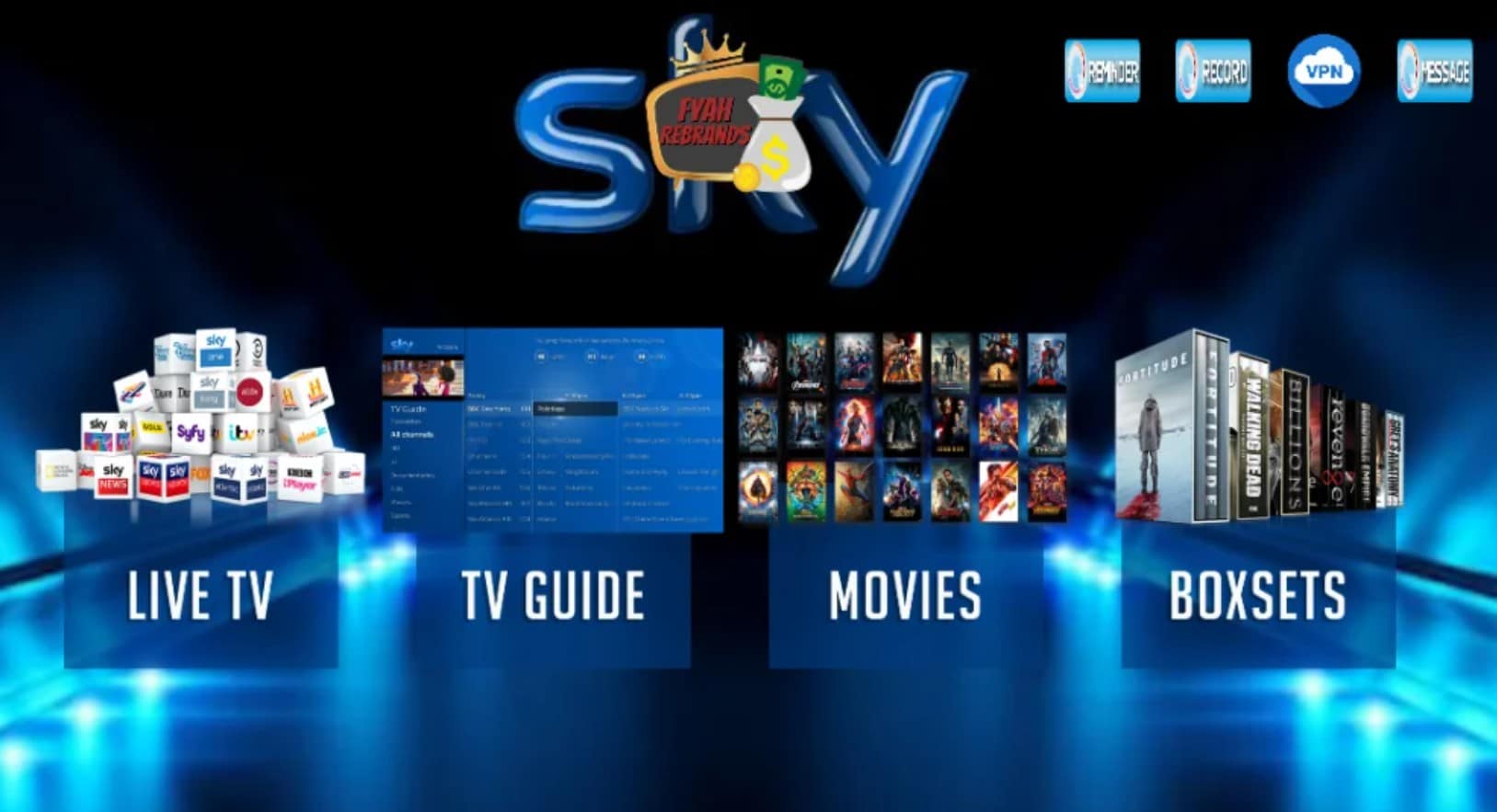
    Those who think that the defendant was running an entire IPTV operation are wrong. In a Reddit post from 2020, Kanda showed an interest in rebranding an APK, which could then be used to resell subscriptions. That’s how many ‘hobbyist’ resellers first get involved.

    Such rebranded apps can be used in conjunction with dedicated IPTV platform software such as OTTRUN, with the user bringing their own service from elsewhere. These subscriptions ‘credits’ are often bought by resellers in bulk from yet another provider, such as the IPTV Reseller Hub.

    The prices below show that there’s plenty of room for profit, as plans are sold to customers at much higher prices.

    reseller

    Kanda, possibly with help from others, likely combined services like these to sell his modified Fire Sticks with a significant markup. These customers included a FACT investigator, which led to his arrest and conviction.

    Small Cog in the Wheel

    How many customers the operation had wasn’t made public. However, simple math shows that £108,000 results in an average of 600 customers who each paid £10 per month for the 18 months that were mentioned. At least one former user of the service claims to have paid £15 per month, which could theoretically reduce the average to 400.

    There is no doubt that Kanda broke the law. However, it’s important to note that he’s far from a mastermind in the grander pirate IPTV business.

    The man doesn’t come across as a typical ‘criminal’ either. Publicly available information suggests that he has been gainfully employed for years, has a steady relationship, and occasionally raised money for charity.

    That said, by willingly operating as a pirate IPTV reseller, he faced all the risk, which resulted in a multi-year prison sentence.

    While rightsholders are happy with the criminal conviction, the fact remains that the criminal masterminds who rake in millions a month from these schemes remain out there. Their business wasn’t impacted, and they will simply move on to the next ‘reseller’.

    After which this sad cycle will repeat itself.

    From: TF , for the latest news on copyright battles, piracy and more.

    • To chevron_right

      UK Court Sentences ‘Pirate’ Fire Stick Seller to Two Years in Prison

      news.movim.eu / TorrentFreak • 5 January 2025 • 3 minutes

    firestick Offering pirate streaming services is a serious offense in the UK, where several people have received multi-year prison sentences.

    Last Friday, another seller was added to this growing list. At York Crown Court, 41-year-old Sunny Kanda from Wheatley, Halifax, was sentenced to two years in prison for selling modified Fire Sticks that provided access to pirate IPTV streams.

    The sentencing doesn’t come as a surprise, as Kanda pleaded guilty to three charges; violating the Copyright Designs and Patents Act 1988, the Proceeds of Crime Act 2002, and Fraud Act 2006.

    £108,000 (Lost) Revenue

    The ‘criminal’ proceeds from the Fire Stick operation were estimated at £108,000 over an 18-month period. The victims were legitimate streaming providers such as Sky, BT Sport, Disney+ and Netflix, who purportedly lost revenue as the result of the pirate sales.

    The information provided above was shared in a press release issued by National Trading Standards and anti-piracy group FACT , who are both pleased with the outcome. They hope it will deter others from starting similar criminal operations.

    “Today’s sentence is an important reminder to all those who buy and sell TV firesticks that crime does not pay – it breaches copyright law and we encourage people to report suspected cases to the Citizens Advice consumer service,” a Trading Standards spokesperson said on Friday.

    The press release was picked up by several reputable news outlets including the BBC , which reported all the major talking points. They include an undercover FACT investigator joining a private, 3,900 member Facebook group where “KD Streams” was sold, to make a test purchase of a pirate Fire Stick.

    The official communication is accurate, but it also leaves out many details that could put this criminal conviction in context.

    Rebrand & Resell

    Those who think that the defendant was running an entire IPTV operation are wrong. In a Reddit post from 2020, Kanda showed an interest in rebranding an APK, which could then be used to resell subscriptions. That’s how many ‘hobbyist’ resellers first get involved.

    Such rebranded apps can be used in conjunction with dedicated IPTV platform software such as OTTRUN, with the user bringing their own service from elsewhere. These subscriptions ‘credits’ are often bought by resellers in bulk from yet another provider, such as the IPTV Reseller Hub.

    The prices below show that there’s plenty of room for profit, as plans are sold to customers at much higher prices.

    reseller

    Kanda, possibly with help from others, likely combined services like these to sell his modified Fire Sticks with a significant markup. These customers included a FACT investigator, which led to his arrest and conviction.

    Small Cog in the Wheel

    How many customers the operation had wasn’t made public. However, simple math shows that £108,000 results in an average of 600 customers who each paid £10 per month for the 18 months that were mentioned. At least one former user of the service claims to have paid £15 per month, which could theoretically reduce the average to 400.

    There is no doubt that Kanda broke the law. However, it’s important to note that he’s far from a mastermind in the grander pirate IPTV business.

    The man doesn’t come across as a typical ‘criminal’ either. Publicly available information suggests that he has been gainfully employed for years, has a steady relationship, and occasionally raised money for charity.

    That said, by willingly operating as a pirate IPTV reseller, he faced all the risk, which resulted in a multi-year prison sentence.

    While rightsholders are happy with the criminal conviction, the fact remains that the criminal masterminds who rake in millions a month from these schemes remain out there. Their business wasn’t impacted, and they will simply move on to the next ‘reseller’.

    After which this sad cycle will repeat itself.

    From: TF , for the latest news on copyright battles, piracy and more.

    • To chevron_right

      UK Court Sentences ‘Pirate’ Fire Stick Seller to Two Years in Prison

      news.movim.eu / TorrentFreak • 5 January 2025 • 3 minutes

    firestick Offering pirate streaming services is a serious offense in the UK, where several people have received multi-year prison sentences.

    Last Friday, another seller was added to this growing list. At York Crown Court, 41-year-old Sunny Kanda from Wheatley, Halifax, was sentenced to two years in prison for selling modified Fire Sticks that provided access to pirate IPTV streams.

    The sentencing doesn’t come as a surprise, as Kanda pleaded guilty to three charges; violating the Copyright Designs and Patents Act 1988, the Proceeds of Crime Act 2002, and Fraud Act 2006.

    £108,000 (Lost) Revenue

    The ‘criminal’ proceeds from the Fire Stick operation were estimated at £108,000 over an 18-month period. The victims were legitimate streaming providers such as Sky, BT Sport, Disney+ and Netflix, who purportedly lost revenue as the result of the pirate sales.

    The information provided above was shared in a press release issued by National Trading Standards and anti-piracy group FACT , who are both pleased with the outcome. They hope it will deter others from starting similar criminal operations.

    “Today’s sentence is an important reminder to all those who buy and sell TV firesticks that crime does not pay – it breaches copyright law and we encourage people to report suspected cases to the Citizens Advice consumer service,” a Trading Standards spokesperson said on Friday.

    The press release was picked up by several reputable news outlets including the BBC , which reported all the major talking points. They include an undercover FACT investigator joining a private, 3,900 member Facebook group where “KD Streams” was sold, to make a test purchase of a pirate Fire Stick.

    The official communication is accurate, but it also leaves out many details that could put this criminal conviction in context.

    Rebrand & Resell

    Those who think that the defendant was running an entire IPTV operation are wrong. In a Reddit post from 2020, Kanda showed an interest in rebranding an APK, which could then be used to resell subscriptions. That’s how many ‘hobbyist’ resellers first get involved.

    Such rebranded apps can be used in conjunction with dedicated IPTV platform software such as OTTRUN, with the user bringing their own service from elsewhere. These subscriptions ‘credits’ are often bought by resellers in bulk from yet another provider, such as the IPTV Reseller Hub.

    The prices below show that there’s plenty of room for profit, as plans are sold to customers at much higher prices.

    reseller

    Kanda, possibly with help from others, likely combined services like these to sell his modified Fire Sticks with a significant markup. These customers included a FACT investigator, which led to his arrest and conviction.

    Small Cog in the Wheel

    How many customers the operation had wasn’t made public. However, simple math shows that £108,000 results in an average of 600 customers who each paid £10 per month for the 18 months that were mentioned. At least one former user of the service claims to have paid £15 per month, which could theoretically reduce the average to 400.

    There is no doubt that Kanda broke the law. However, it’s important to note that he’s far from a mastermind in the grander pirate IPTV business.

    The man doesn’t come across as a typical ‘criminal’ either. Publicly available information suggests that he has been gainfully employed for years, has a steady relationship, and occasionally raised money for charity.

    That said, by willingly operating as a pirate IPTV reseller, he faced all the risk, which resulted in a multi-year prison sentence.

    While rightsholders are happy with the criminal conviction, the fact remains that the criminal masterminds who rake in millions a month from these schemes remain out there. Their business wasn’t impacted, and they will simply move on to the next ‘reseller’.

    After which this sad cycle will repeat itself.

    From: TF , for the latest news on copyright battles, piracy and more.