• progress_activity cloud_sync

    Reconnection to the server…

    Movim cannot talk with the server, please try again later


    • Public subscriptions

    • chevron_right

      coopr8

    • chevron_right

      gabagoo

    • chevron_right

      kenu_demon

    • chevron_right

      coopr8

    • chevron_right

      gabagoo

    • chevron_right

      kenu_demon

    • chevron_right

      coopr8

    • chevron_right

      gabagoo

    • chevron_right

      kenu_demon

  • Register Login

    Movim

    movim.chatterboxtown.us


  • group_work rss_feed
    add Follow

    ArsTechnica

    • Ar chevron_right

      The big reuse: 25 MWh of ex-car batteries go on the grid in California

      news.movim.eu / ArsTechnica • 21 February 2023 • 1 minute

    Image of a solar plant next to clusters of large white cabinets.

    Enlarge / Each of those white structures contains lots of batteries that were built for cars. (credit: B2U)

    Last week, a company called B2U Storage Solutions announced that it had started operations at a 25 Megawatt-hour battery facility in California. On its own, that isn't really news, as California is adding a lot of battery power . But in this case, the source of the batteries was unusual: Many of them had spent an earlier life powering electric vehicles.

    The idea of repurposing electric vehicle batteries has been around for a while. To work in a car, the batteries need to be able to meet certain standards in terms of capacity and rate of discharge, but that performance declines with use. Even after a battery no longer meets the needs of a car, however, it can still store enough energy to be useful on the electric grid. So it was suggested that grid storage might be an intermediate destination between vehicles and recycling.

    But there are some significant technical and economic challenges to implementing the idea. So we talked with B2U's CEO, Freeman Hall, to find out why the company decided it was the right time to put the concept into action.

    Read 10 remaining paragraphs | Comments

    • tagcars tagcars tagcars tagscience tagscience tagscience tagbatteries tagbatteries tagbatteries tagcar batteries tagcar batteries tagcar batteries tagenergy tagenergy tagenergy taggreen energy taggreen energy taggreen energy taggrid storage taggrid storage taggrid storage tagsolar tagsolar tagsolar tagcars tagcars tagcars tagscience tagscience tagscience tagbatteries tagbatteries tagbatteries tagcar batteries tagcar batteries tagcar batteries tagenergy tagenergy tagenergy taggreen energy taggreen energy taggreen energy taggrid storage taggrid storage taggrid storage tagsolar tagsolar tagsolar tagcars tagcars tagcars tagscience tagscience tagscience tagbatteries tagbatteries tagbatteries tagcar batteries tagcar batteries tagcar batteries tagenergy tagenergy tagenergy taggreen energy taggreen energy taggreen energy taggrid storage taggrid storage taggrid storage tagsolar tagsolar tagsolar

    • Ar chevron_right

      The big reuse: 25 MWh of ex-car batteries go on the grid in California

      news.movim.eu / ArsTechnica • 21 February 2023 • 1 minute

    Image of a solar plant next to clusters of large white cabinets.

    Enlarge / Each of those white structures contains lots of batteries that were built for cars. (credit: B2U)

    Last week, a company called B2U Storage Solutions announced that it had started operations at a 25 Megawatt-hour battery facility in California. On its own, that isn't really news, as California is adding a lot of battery power . But in this case, the source of the batteries was unusual: Many of them had spent an earlier life powering electric vehicles.

    The idea of repurposing electric vehicle batteries has been around for a while. To work in a car, the batteries need to be able to meet certain standards in terms of capacity and rate of discharge, but that performance declines with use. Even after a battery no longer meets the needs of a car, however, it can still store enough energy to be useful on the electric grid. So it was suggested that grid storage might be an intermediate destination between vehicles and recycling.

    But there are some significant technical and economic challenges to implementing the idea. So we talked with B2U's CEO, Freeman Hall, to find out why the company decided it was the right time to put the concept into action.

    Read 10 remaining paragraphs | Comments

    • tagcars tagcars tagcars tagscience tagscience tagscience tagbatteries tagbatteries tagbatteries tagcar batteries tagcar batteries tagcar batteries tagenergy tagenergy tagenergy taggreen energy taggreen energy taggreen energy taggrid storage taggrid storage taggrid storage tagsolar tagsolar tagsolar tagcars tagcars tagcars tagscience tagscience tagscience tagbatteries tagbatteries tagbatteries tagcar batteries tagcar batteries tagcar batteries tagenergy tagenergy tagenergy taggreen energy taggreen energy taggreen energy taggrid storage taggrid storage taggrid storage tagsolar tagsolar tagsolar tagcars tagcars tagcars tagscience tagscience tagscience tagbatteries tagbatteries tagbatteries tagcar batteries tagcar batteries tagcar batteries tagenergy tagenergy tagenergy taggreen energy taggreen energy taggreen energy taggrid storage taggrid storage taggrid storage tagsolar tagsolar tagsolar

    • Ar chevron_right

      The big reuse: 25 MWh of ex-car batteries go on the grid in California

      news.movim.eu / ArsTechnica • 21 February 2023 • 1 minute

    Image of a solar plant next to clusters of large white cabinets.

    Enlarge / Each of those white structures contains lots of batteries that were built for cars. (credit: B2U)

    Last week, a company called B2U Storage Solutions announced that it had started operations at a 25 Megawatt-hour battery facility in California. On its own, that isn't really news, as California is adding a lot of battery power . But in this case, the source of the batteries was unusual: Many of them had spent an earlier life powering electric vehicles.

    The idea of repurposing electric vehicle batteries has been around for a while. To work in a car, the batteries need to be able to meet certain standards in terms of capacity and rate of discharge, but that performance declines with use. Even after a battery no longer meets the needs of a car, however, it can still store enough energy to be useful on the electric grid. So it was suggested that grid storage might be an intermediate destination between vehicles and recycling.

    But there are some significant technical and economic challenges to implementing the idea. So we talked with B2U's CEO, Freeman Hall, to find out why the company decided it was the right time to put the concept into action.

    Read 10 remaining paragraphs | Comments

    • tagcars tagcars tagcars tagscience tagscience tagscience tagbatteries tagbatteries tagbatteries tagcar batteries tagcar batteries tagcar batteries tagenergy tagenergy tagenergy taggreen energy taggreen energy taggreen energy taggrid storage taggrid storage taggrid storage tagsolar tagsolar tagsolar tagcars tagcars tagcars tagscience tagscience tagscience tagbatteries tagbatteries tagbatteries tagcar batteries tagcar batteries tagcar batteries tagenergy tagenergy tagenergy taggreen energy taggreen energy taggreen energy taggrid storage taggrid storage taggrid storage tagsolar tagsolar tagsolar tagcars tagcars tagcars tagscience tagscience tagscience tagbatteries tagbatteries tagbatteries tagcar batteries tagcar batteries tagcar batteries tagenergy tagenergy tagenergy taggreen energy taggreen energy taggreen energy taggrid storage taggrid storage taggrid storage tagsolar tagsolar tagsolar

    • Ar chevron_right

      Chrome 110 will automatically discard background tabs. Here’s how to stop it.

      news.movim.eu / ArsTechnica • 21 February 2023

    Chrome 110 will automatically discard background tabs. Here’s how to stop it.

    Enlarge (credit: Google)

    Heads up, everybody: Chrome will start doing stuff to your permanently open tabs. Chrome version 110 is rolling out now, and on Windows, macOS, and Linux, the release comes with the new "Memory Saver" feature that will be automatically enabled. We first wrote about this when it hit the Chrome nightly build "Canary Channel" in December, but now the feature is rolling out to everyone.

    Chrome has a reputation for gobbling up RAM, and Google seems to think the best way to combat that is to automatically shut down your tabs when they are "inactive." Google's explanation of the feature says, "When a tab is discarded, its title and favicon still appear in the tab strip but the page itself is gone, exactly as if the tab had been closed normally. If the user revisits that tab, the page will be reloaded automatically." Google says this technique will reduce Chrome's memory usage by " up to 40 percent ," which sounds great, as long as it doesn't break anything or cause users to lose the state of their page.

    As a support page outlines, Google has some use cases excluded from this feature:

    Read 4 remaining paragraphs | Comments

    • tagtech tagtech tagtech tagchrome tagchrome tagchrome taggoogle taggoogle taggoogle tagtech tagtech tagtech tagchrome tagchrome tagchrome taggoogle taggoogle taggoogle tagtech tagtech tagtech tagchrome tagchrome tagchrome taggoogle taggoogle taggoogle

    • Ar chevron_right

      Chrome 110 will automatically discard background tabs. Here’s how to stop it.

      news.movim.eu / ArsTechnica • 21 February 2023

    Chrome 110 will automatically discard background tabs. Here’s how to stop it.

    Enlarge (credit: Google)

    Heads up, everybody: Chrome will start doing stuff to your permanently open tabs. Chrome version 110 is rolling out now, and on Windows, macOS, and Linux, the release comes with the new "Memory Saver" feature that will be automatically enabled. We first wrote about this when it hit the Chrome nightly build "Canary Channel" in December, but now the feature is rolling out to everyone.

    Chrome has a reputation for gobbling up RAM, and Google seems to think the best way to combat that is to automatically shut down your tabs when they are "inactive." Google's explanation of the feature says, "When a tab is discarded, its title and favicon still appear in the tab strip but the page itself is gone, exactly as if the tab had been closed normally. If the user revisits that tab, the page will be reloaded automatically." Google says this technique will reduce Chrome's memory usage by " up to 40 percent ," which sounds great, as long as it doesn't break anything or cause users to lose the state of their page.

    As a support page outlines, Google has some use cases excluded from this feature:

    Read 4 remaining paragraphs | Comments

    • tagtech tagtech tagtech tagchrome tagchrome tagchrome taggoogle taggoogle taggoogle tagtech tagtech tagtech tagchrome tagchrome tagchrome taggoogle taggoogle taggoogle tagtech tagtech tagtech tagchrome tagchrome tagchrome taggoogle taggoogle taggoogle

    • Ar chevron_right

      Chrome 110 will automatically discard background tabs. Here’s how to stop it.

      news.movim.eu / ArsTechnica • 21 February 2023

    Chrome 110 will automatically discard background tabs. Here’s how to stop it.

    Enlarge (credit: Google)

    Heads up, everybody: Chrome will start doing stuff to your permanently open tabs. Chrome version 110 is rolling out now, and on Windows, macOS, and Linux, the release comes with the new "Memory Saver" feature that will be automatically enabled. We first wrote about this when it hit the Chrome nightly build "Canary Channel" in December, but now the feature is rolling out to everyone.

    Chrome has a reputation for gobbling up RAM, and Google seems to think the best way to combat that is to automatically shut down your tabs when they are "inactive." Google's explanation of the feature says, "When a tab is discarded, its title and favicon still appear in the tab strip but the page itself is gone, exactly as if the tab had been closed normally. If the user revisits that tab, the page will be reloaded automatically." Google says this technique will reduce Chrome's memory usage by " up to 40 percent ," which sounds great, as long as it doesn't break anything or cause users to lose the state of their page.

    As a support page outlines, Google has some use cases excluded from this feature:

    Read 4 remaining paragraphs | Comments

    • tagtech tagtech tagtech tagchrome tagchrome tagchrome taggoogle taggoogle taggoogle tagtech tagtech tagtech tagchrome tagchrome tagchrome taggoogle taggoogle taggoogle tagtech tagtech tagtech tagchrome tagchrome tagchrome taggoogle taggoogle taggoogle

    • Ar chevron_right

      New imaging tool confirms female scribe etched her name in medieval manuscript

      news.movim.eu / ArsTechnica • 21 February 2023 • 1 minute

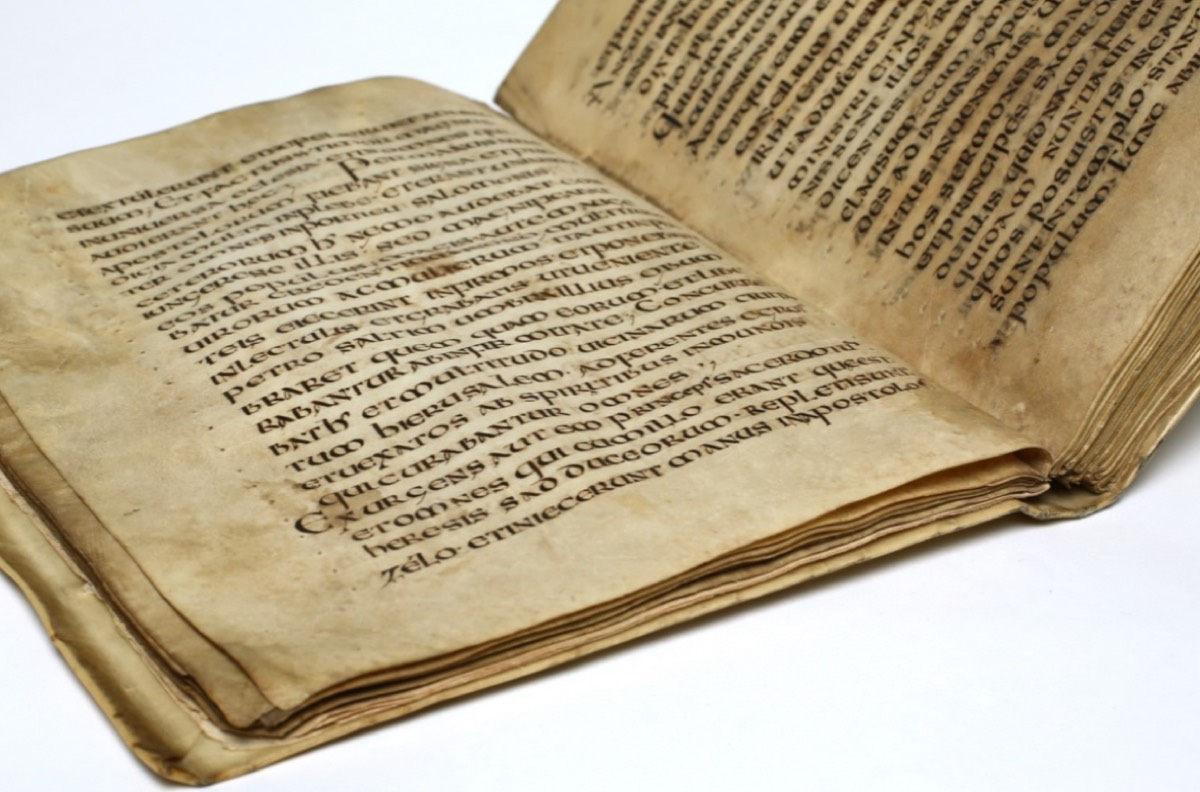
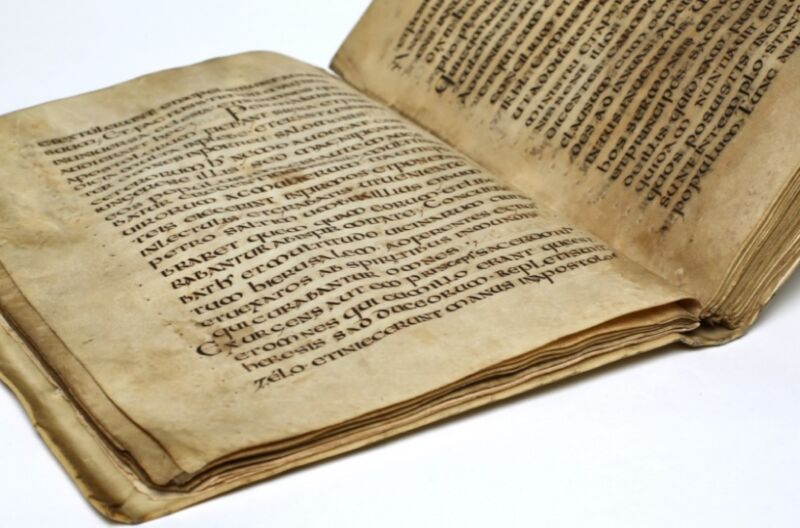
    Bodleian MS. Selden Supra 30 open at pp. 18-19.

    Enlarge / Bodleian MS. Selden Supra 30 open at pp. 18-19. (credit: John Barrett)

    Jessica Hodgson, a graduate student at the University of Leicester, was poring over a medieval manuscript in the Bodleian Libraries ' collection at the University of Oxford when she spotted a faint etched inscription on one of the pages. It seemed to spell out the name "Eadburg," but the etching was too faint for full confirmation. So Hodgson turned to John Barrett, technical leader for a recent project at the Bodleian called ARCHiOx (Analyzing and Recording Cultural Heritage in Oxford), for help.

    Thanks to the project's prototype photometric stereo recording and 3D scanning systems, Barrett confirmed Hodgson's discovery. The analysis also revealed multiple other etchings of the name "Eadburg" (in both full and abbreviated forms), along with several etched doodles in the margins. Who was Eadburg? Hodgson believes she was a highly educated woman of high status—possibly a female scribe or an abbess —who lived sometime in the early medieval period (between 700 and 750 CE). This latest discovery bolsters a 1935 discovery of the letters "EADB" and "+E+" in the lower margin of another page in the same manuscript, both believed to be abbreviated forms of "Eadburh/Eadburg."

    The ARCHiOx Project

    The ARCHiOx Project is a partnership between the Bodleian Libraries and the Factum Foundation, set up by Adam Lowe, an artist who trained at Oxford in the 1990s. In 2001, Lowe moved to Madrid to set up what he described to Ars as "a multidisciplinary workshop that's really a playground for artists, where we build bridges between new technologies and traditional skills." By 2009, there was so much interest from various historical projects regarding the group's technologies that Lowe established the Factum Foundation for digital technology and preservation. Today it serves as a research hub for high-resolution, three-dimensional recording of the surfaces of objects housed in museums and institutions around the world—including tombs, paintings, and books and manuscripts like those housed at the Bodleian.

    Read 13 remaining paragraphs | Comments

    • taggaming & culture taggaming & culture taggaming & culture tagscience tagscience tagscience tag3d imaging tag3d imaging tag3d imaging tagarchiox project tagarchiox project tagarchiox project tagbodleian library tagbodleian library tagbodleian library tagforensic archaeology tagforensic archaeology tagforensic archaeology taghistory taghistory taghistory tagmedieval history tagmedieval history tagmedieval history tagoptics tagoptics tagoptics tagphotometric stereo recording tagphotometric stereo recording tagphotometric stereo recording tagphysics tagphysics tagphysics taggaming & culture taggaming & culture taggaming & culture tagscience tagscience tagscience tag3d imaging tag3d imaging tag3d imaging tagarchiox project tagarchiox project tagarchiox project tagbodleian library tagbodleian library tagbodleian library tagforensic archaeology tagforensic archaeology tagforensic archaeology taghistory taghistory taghistory tagmedieval history tagmedieval history tagmedieval history tagoptics tagoptics tagoptics tagphotometric stereo recording tagphotometric stereo recording tagphotometric stereo recording tagphysics tagphysics tagphysics taggaming & culture taggaming & culture taggaming & culture tagscience tagscience tagscience tag3d imaging tag3d imaging tag3d imaging tagarchiox project tagarchiox project tagarchiox project tagbodleian library tagbodleian library tagbodleian library tagforensic archaeology tagforensic archaeology tagforensic archaeology taghistory taghistory taghistory tagmedieval history tagmedieval history tagmedieval history tagoptics tagoptics tagoptics tagphotometric stereo recording tagphotometric stereo recording tagphotometric stereo recording tagphysics tagphysics tagphysics

    • Ar chevron_right

      New imaging tool confirms female scribe etched her name in medieval manuscript

      news.movim.eu / ArsTechnica • 21 February 2023 • 1 minute

    Bodleian MS. Selden Supra 30 open at pp. 18-19.

    Enlarge / Bodleian MS. Selden Supra 30 open at pp. 18-19. (credit: John Barrett)

    Jessica Hodgson, a graduate student at the University of Leicester, was poring over a medieval manuscript in the Bodleian Libraries ' collection at the University of Oxford when she spotted a faint etched inscription on one of the pages. It seemed to spell out the name "Eadburg," but the etching was too faint for full confirmation. So Hodgson turned to John Barrett, technical leader for a recent project at the Bodleian called ARCHiOx (Analyzing and Recording Cultural Heritage in Oxford), for help.

    Thanks to the project's prototype photometric stereo recording and 3D scanning systems, Barrett confirmed Hodgson's discovery. The analysis also revealed multiple other etchings of the name "Eadburg" (in both full and abbreviated forms), along with several etched doodles in the margins. Who was Eadburg? Hodgson believes she was a highly educated woman of high status—possibly a female scribe or an abbess —who lived sometime in the early medieval period (between 700 and 750 CE). This latest discovery bolsters a 1935 discovery of the letters "EADB" and "+E+" in the lower margin of another page in the same manuscript, both believed to be abbreviated forms of "Eadburh/Eadburg."

    The ARCHiOx Project

    The ARCHiOx Project is a partnership between the Bodleian Libraries and the Factum Foundation, set up by Adam Lowe, an artist who trained at Oxford in the 1990s. In 2001, Lowe moved to Madrid to set up what he described to Ars as "a multidisciplinary workshop that's really a playground for artists, where we build bridges between new technologies and traditional skills." By 2009, there was so much interest from various historical projects regarding the group's technologies that Lowe established the Factum Foundation for digital technology and preservation. Today it serves as a research hub for high-resolution, three-dimensional recording of the surfaces of objects housed in museums and institutions around the world—including tombs, paintings, and books and manuscripts like those housed at the Bodleian.

    Read 13 remaining paragraphs | Comments

    • taggaming & culture taggaming & culture taggaming & culture tagscience tagscience tagscience tag3d imaging tag3d imaging tag3d imaging tagarchiox project tagarchiox project tagarchiox project tagbodleian library tagbodleian library tagbodleian library tagforensic archaeology tagforensic archaeology tagforensic archaeology taghistory taghistory taghistory tagmedieval history tagmedieval history tagmedieval history tagoptics tagoptics tagoptics tagphotometric stereo recording tagphotometric stereo recording tagphotometric stereo recording tagphysics tagphysics tagphysics taggaming & culture taggaming & culture taggaming & culture tagscience tagscience tagscience tag3d imaging tag3d imaging tag3d imaging tagarchiox project tagarchiox project tagarchiox project tagbodleian library tagbodleian library tagbodleian library tagforensic archaeology tagforensic archaeology tagforensic archaeology taghistory taghistory taghistory tagmedieval history tagmedieval history tagmedieval history tagoptics tagoptics tagoptics tagphotometric stereo recording tagphotometric stereo recording tagphotometric stereo recording tagphysics tagphysics tagphysics taggaming & culture taggaming & culture taggaming & culture tagscience tagscience tagscience tag3d imaging tag3d imaging tag3d imaging tagarchiox project tagarchiox project tagarchiox project tagbodleian library tagbodleian library tagbodleian library tagforensic archaeology tagforensic archaeology tagforensic archaeology taghistory taghistory taghistory tagmedieval history tagmedieval history tagmedieval history tagoptics tagoptics tagoptics tagphotometric stereo recording tagphotometric stereo recording tagphotometric stereo recording tagphysics tagphysics tagphysics

    • Ar chevron_right

      New imaging tool confirms female scribe etched her name in medieval manuscript

      news.movim.eu / ArsTechnica • 21 February 2023 • 1 minute

    Bodleian MS. Selden Supra 30 open at pp. 18-19.

    Enlarge / Bodleian MS. Selden Supra 30 open at pp. 18-19. (credit: John Barrett)

    Jessica Hodgson, a graduate student at the University of Leicester, was poring over a medieval manuscript in the Bodleian Libraries ' collection at the University of Oxford when she spotted a faint etched inscription on one of the pages. It seemed to spell out the name "Eadburg," but the etching was too faint for full confirmation. So Hodgson turned to John Barrett, technical leader for a recent project at the Bodleian called ARCHiOx (Analyzing and Recording Cultural Heritage in Oxford), for help.

    Thanks to the project's prototype photometric stereo recording and 3D scanning systems, Barrett confirmed Hodgson's discovery. The analysis also revealed multiple other etchings of the name "Eadburg" (in both full and abbreviated forms), along with several etched doodles in the margins. Who was Eadburg? Hodgson believes she was a highly educated woman of high status—possibly a female scribe or an abbess —who lived sometime in the early medieval period (between 700 and 750 CE). This latest discovery bolsters a 1935 discovery of the letters "EADB" and "+E+" in the lower margin of another page in the same manuscript, both believed to be abbreviated forms of "Eadburh/Eadburg."

    The ARCHiOx Project

    The ARCHiOx Project is a partnership between the Bodleian Libraries and the Factum Foundation, set up by Adam Lowe, an artist who trained at Oxford in the 1990s. In 2001, Lowe moved to Madrid to set up what he described to Ars as "a multidisciplinary workshop that's really a playground for artists, where we build bridges between new technologies and traditional skills." By 2009, there was so much interest from various historical projects regarding the group's technologies that Lowe established the Factum Foundation for digital technology and preservation. Today it serves as a research hub for high-resolution, three-dimensional recording of the surfaces of objects housed in museums and institutions around the world—including tombs, paintings, and books and manuscripts like those housed at the Bodleian.

    Read 13 remaining paragraphs | Comments

    • taggaming & culture taggaming & culture taggaming & culture tagscience tagscience tagscience tag3d imaging tag3d imaging tag3d imaging tagarchiox project tagarchiox project tagarchiox project tagbodleian library tagbodleian library tagbodleian library tagforensic archaeology tagforensic archaeology tagforensic archaeology taghistory taghistory taghistory tagmedieval history tagmedieval history tagmedieval history tagoptics tagoptics tagoptics tagphotometric stereo recording tagphotometric stereo recording tagphotometric stereo recording tagphysics tagphysics tagphysics taggaming & culture taggaming & culture taggaming & culture tagscience tagscience tagscience tag3d imaging tag3d imaging tag3d imaging tagarchiox project tagarchiox project tagarchiox project tagbodleian library tagbodleian library tagbodleian library tagforensic archaeology tagforensic archaeology tagforensic archaeology taghistory taghistory taghistory tagmedieval history tagmedieval history tagmedieval history tagoptics tagoptics tagoptics tagphotometric stereo recording tagphotometric stereo recording tagphotometric stereo recording tagphysics tagphysics tagphysics taggaming & culture taggaming & culture taggaming & culture tagscience tagscience tagscience tag3d imaging tag3d imaging tag3d imaging tagarchiox project tagarchiox project tagarchiox project tagbodleian library tagbodleian library tagbodleian library tagforensic archaeology tagforensic archaeology tagforensic archaeology taghistory taghistory taghistory tagmedieval history tagmedieval history tagmedieval history tagoptics tagoptics tagoptics tagphotometric stereo recording tagphotometric stereo recording tagphotometric stereo recording tagphysics tagphysics tagphysics

  • history

    Get older posts

  • cloud_queue

    Powered by Movim