• progress_activity cloud_sync

    Reconnection to the server…

    Movim cannot talk with the server, please try again later


    • Public subscriptions

    • chevron_right

      coopr8

    • chevron_right

      gabagoo

    • chevron_right

      kenu_demon

    • chevron_right

      coopr8

    • chevron_right

      gabagoo

    • chevron_right

      kenu_demon

    • chevron_right

      coopr8

    • chevron_right

      gabagoo

    • chevron_right

      kenu_demon

  • Register Login

    Movim

    movim.chatterboxtown.us


  • group_work rss_feed
    add Follow

    ArsTechnica

    • Ar chevron_right

      Man suffers chemical burn that lasted months after squeezing limes

      news.movim.eu / ArsTechnica • 27 November 2024

    If Margaritaville were a real place, it should definitely keep a few dermatologists on hand.

    In a case of an oft-overlooked food preparation risk, a 40-year-old man showed up to an allergy clinic in Texas with a severe, burning rash on both his hands that had two days earlier. A couple of days later, it blistered. And a few weeks after that, the skin darkened and scaled. After several months, the skin on his hands finally returned to normal.

    The culprit: lime juice and sunlight.
    Read full article

    Comments

    • taghealth taghealth taghealth tagscience tagscience tagscience tagmedical cases tagmedical cases tagmedical cases tagnejm tagnejm tagnejm tagphytophotodermatitis tagphytophotodermatitis tagphytophotodermatitis tagrash tagrash tagrash tagskin tagskin tagskin taghealth taghealth taghealth tagscience tagscience tagscience tagmedical cases tagmedical cases tagmedical cases tagnejm tagnejm tagnejm tagphytophotodermatitis tagphytophotodermatitis tagphytophotodermatitis tagrash tagrash tagrash tagskin tagskin tagskin taghealth taghealth taghealth tagscience tagscience tagscience tagmedical cases tagmedical cases tagmedical cases tagnejm tagnejm tagnejm tagphytophotodermatitis tagphytophotodermatitis tagphytophotodermatitis tagrash tagrash tagrash tagskin tagskin tagskin

    • Pictures 3 image

    • visibility
    • visibility
    • visibility
    • Ar chevron_right

      Man suffers chemical burn that lasted months after squeezing limes

      news.movim.eu / ArsTechnica • 27 November 2024

    If Margaritaville were a real place, it should definitely keep a few dermatologists on hand.

    In a case of an oft-overlooked food preparation risk, a 40-year-old man showed up to an allergy clinic in Texas with a severe, burning rash on both his hands that had two days earlier. A couple of days later, it blistered. And a few weeks after that, the skin darkened and scaled. After several months, the skin on his hands finally returned to normal.

    The culprit: lime juice and sunlight.

    Read full article

    Comments

    • taghealth taghealth taghealth tagscience tagscience tagscience tagmedical cases tagmedical cases tagmedical cases tagnejm tagnejm tagnejm tagphytophotodermatitis tagphytophotodermatitis tagphytophotodermatitis tagrash tagrash tagrash tagskin tagskin tagskin taghealth taghealth taghealth tagscience tagscience tagscience tagmedical cases tagmedical cases tagmedical cases tagnejm tagnejm tagnejm tagphytophotodermatitis tagphytophotodermatitis tagphytophotodermatitis tagrash tagrash tagrash tagskin tagskin tagskin taghealth taghealth taghealth tagscience tagscience tagscience tagmedical cases tagmedical cases tagmedical cases tagnejm tagnejm tagnejm tagphytophotodermatitis tagphytophotodermatitis tagphytophotodermatitis tagrash tagrash tagrash tagskin tagskin tagskin

    • Pictures 3 image

    • visibility
    • visibility
    • visibility
    • Ar chevron_right

      Man suffers chemical burn that lasted months after squeezing limes

      news.movim.eu / ArsTechnica • 27 November 2024

    If Margaritaville were a real place, it should definitely keep a few dermatologists on hand.

    In a case of an oft-overlooked food preparation risk, a 40-year-old man showed up to an allergy clinic in Texas with a severe, burning rash on both his hands that had two days earlier. A couple of days later, it blistered. And a few weeks after that, the skin darkened and scaled. After several months, the skin on his hands finally returned to normal.

    The culprit: lime juice and sunlight.

    Read full article

    Comments

    • taghealth taghealth taghealth tagscience tagscience tagscience tagmedical cases tagmedical cases tagmedical cases tagnejm tagnejm tagnejm tagphytophotodermatitis tagphytophotodermatitis tagphytophotodermatitis tagrash tagrash tagrash tagskin tagskin tagskin taghealth taghealth taghealth tagscience tagscience tagscience tagmedical cases tagmedical cases tagmedical cases tagnejm tagnejm tagnejm tagphytophotodermatitis tagphytophotodermatitis tagphytophotodermatitis tagrash tagrash tagrash tagskin tagskin tagskin taghealth taghealth taghealth tagscience tagscience tagscience tagmedical cases tagmedical cases tagmedical cases tagnejm tagnejm tagnejm tagphytophotodermatitis tagphytophotodermatitis tagphytophotodermatitis tagrash tagrash tagrash tagskin tagskin tagskin

    • Pictures 3 image

    • visibility
    • visibility
    • visibility
    • Ar chevron_right

      What fossilized dino feces can tell us about their rise to dominance

      news.movim.eu / ArsTechnica • 27 November 2024 • 1 minute

    Paleontologists have long puzzled over how the dinosaurs—originally relatively small and of minor importance to the broader ecosystem—evolved to become the dominant species some 30 million years later. Fossilized feces and vomit from dinosaurs might hold important clues to how and why this evolutionary milestone came about, according to a new paper published in the journal Nature.

    Co-author Martin Qvarnström, an evolutionary biologist with Uppsala University in Sweden, and his collaborators studied trace fossils known as bromalites , a designation that includes coprolites as well as vomit or other fossilized matter from an organism's digestive tract. As previously reported , coprolites aren't quite the same as paleofeces , which retain a lot of organic components that can be reconstituted and analyzed for chemical properties. Coprolites are fossils, so most organic components have been replaced by mineral deposits like silicate and calcium carbonates.

    For archaeologists keen on learning more about the health and diet of past populations—as well as how certain parasites evolved in the evolutionary history of the microbiome—coprolites and paleofeces can be a veritable goldmine of information . For instance, in 2021 we reported on an analysis of preserved paleo-poop revealing that ancient Iron Age miners in what is now Austria were fond of beer and blue cheese.

    Read full article

    Comments

    • tagscience tagscience tagscience tagcoprolites tagcoprolites tagcoprolites tagdinosaurs tagdinosaurs tagdinosaurs tagevolutionary biology tagevolutionary biology tagevolutionary biology tagfood webs tagfood webs tagfood webs tagfossilized feces tagfossilized feces tagfossilized feces tagjurassic tagjurassic tagjurassic tagpaleontology tagpaleontology tagpaleontology tagtriassic tagtriassic tagtriassic tagscience tagscience tagscience tagcoprolites tagcoprolites tagcoprolites tagdinosaurs tagdinosaurs tagdinosaurs tagevolutionary biology tagevolutionary biology tagevolutionary biology tagfood webs tagfood webs tagfood webs tagfossilized feces tagfossilized feces tagfossilized feces tagjurassic tagjurassic tagjurassic tagpaleontology tagpaleontology tagpaleontology tagtriassic tagtriassic tagtriassic tagscience tagscience tagscience tagcoprolites tagcoprolites tagcoprolites tagdinosaurs tagdinosaurs tagdinosaurs tagevolutionary biology tagevolutionary biology tagevolutionary biology tagfood webs tagfood webs tagfood webs tagfossilized feces tagfossilized feces tagfossilized feces tagjurassic tagjurassic tagjurassic tagpaleontology tagpaleontology tagpaleontology tagtriassic tagtriassic tagtriassic

    • Pictures 3 image

    • visibility
    • visibility
    • visibility
    • Ar chevron_right

      What fossilized dino feces can tell us about their rise to dominance

      news.movim.eu / ArsTechnica • 27 November 2024 • 1 minute

    Paleontologists have long puzzled over how the dinosaurs—originally relatively small and of minor importance to the broader ecosystem—evolved to become the dominant species some 30 million years later. Fossilized feces and vomit from dinosaurs might hold important clues to how and why this evolutionary milestone came about, according to a new paper published in the journal Nature.

    Co-author Martin Qvarnström, an evolutionary biologist with Uppsala University in Sweden, and his collaborators studied trace fossils known as bromalites , a designation that includes coprolites as well as vomit or other fossilized matter from an organism's digestive tract. As previously reported , coprolites aren't quite the same as paleofeces , which retain a lot of organic components that can be reconstituted and analyzed for chemical properties. Coprolites are fossils, so most organic components have been replaced by mineral deposits like silicate and calcium carbonates.

    For archaeologists keen on learning more about the health and diet of past populations—as well as how certain parasites evolved in the evolutionary history of the microbiome—coprolites and paleofeces can be a veritable goldmine of information . For instance, in 2021 we reported on an analysis of preserved paleo-poop revealing that ancient Iron Age miners in what is now Austria were fond of beer and blue cheese.

    Read full article

    Comments

    • tagscience tagscience tagscience tagcoprolites tagcoprolites tagcoprolites tagdinosaurs tagdinosaurs tagdinosaurs tagevolutionary biology tagevolutionary biology tagevolutionary biology tagfood webs tagfood webs tagfood webs tagfossilized feces tagfossilized feces tagfossilized feces tagjurassic tagjurassic tagjurassic tagpaleontology tagpaleontology tagpaleontology tagtriassic tagtriassic tagtriassic tagscience tagscience tagscience tagcoprolites tagcoprolites tagcoprolites tagdinosaurs tagdinosaurs tagdinosaurs tagevolutionary biology tagevolutionary biology tagevolutionary biology tagfood webs tagfood webs tagfood webs tagfossilized feces tagfossilized feces tagfossilized feces tagjurassic tagjurassic tagjurassic tagpaleontology tagpaleontology tagpaleontology tagtriassic tagtriassic tagtriassic tagscience tagscience tagscience tagcoprolites tagcoprolites tagcoprolites tagdinosaurs tagdinosaurs tagdinosaurs tagevolutionary biology tagevolutionary biology tagevolutionary biology tagfood webs tagfood webs tagfood webs tagfossilized feces tagfossilized feces tagfossilized feces tagjurassic tagjurassic tagjurassic tagpaleontology tagpaleontology tagpaleontology tagtriassic tagtriassic tagtriassic

    • Pictures 3 image

    • visibility
    • visibility
    • visibility
    • Ar chevron_right

      What fossilized dino feces can tell us about their rise to dominance

      news.movim.eu / ArsTechnica • 27 November 2024 • 1 minute

    Paleontologists have long puzzled over how the dinosaurs—originally relatively small and of minor importance to the broader ecosystem—evolved to become the dominant species some 30 million years later. Fossilized feces and vomit from dinosaurs might hold important clues to how and why this evolutionary milestone came about, according to a new paper published in the journal Nature.

    Co-author Martin Qvarnström, an evolutionary biologist with Uppsala University in Sweden, and his collaborators studied trace fossils known as bromalites , a designation that includes coprolites as well as vomit or other fossilized matter from an organism's digestive tract. As previously reported , coprolites aren't quite the same as paleofeces , which retain a lot of organic components that can be reconstituted and analyzed for chemical properties. Coprolites are fossils, so most organic components have been replaced by mineral deposits like silicate and calcium carbonates.

    For archaeologists keen on learning more about the health and diet of past populations—as well as how certain parasites evolved in the evolutionary history of the microbiome—coprolites and paleofeces can be a veritable goldmine of information . For instance, in 2021 we reported on an analysis of preserved paleo-poop revealing that ancient Iron Age miners in what is now Austria were fond of beer and blue cheese.

    Read full article

    Comments

    • tagscience tagscience tagscience tagcoprolites tagcoprolites tagcoprolites tagdinosaurs tagdinosaurs tagdinosaurs tagevolutionary biology tagevolutionary biology tagevolutionary biology tagfood webs tagfood webs tagfood webs tagfossilized feces tagfossilized feces tagfossilized feces tagjurassic tagjurassic tagjurassic tagpaleontology tagpaleontology tagpaleontology tagtriassic tagtriassic tagtriassic tagscience tagscience tagscience tagcoprolites tagcoprolites tagcoprolites tagdinosaurs tagdinosaurs tagdinosaurs tagevolutionary biology tagevolutionary biology tagevolutionary biology tagfood webs tagfood webs tagfood webs tagfossilized feces tagfossilized feces tagfossilized feces tagjurassic tagjurassic tagjurassic tagpaleontology tagpaleontology tagpaleontology tagtriassic tagtriassic tagtriassic tagscience tagscience tagscience tagcoprolites tagcoprolites tagcoprolites tagdinosaurs tagdinosaurs tagdinosaurs tagevolutionary biology tagevolutionary biology tagevolutionary biology tagfood webs tagfood webs tagfood webs tagfossilized feces tagfossilized feces tagfossilized feces tagjurassic tagjurassic tagjurassic tagpaleontology tagpaleontology tagpaleontology tagtriassic tagtriassic tagtriassic

    • Pictures 3 image

    • visibility
    • visibility
    • visibility
    • Ar chevron_right

      Found in the wild: The world’s first unkillable UEFI bootkit for Linux

      news.movim.eu / ArsTechnica • 27 November 2024

    Over the past decade, a new class of infections has threatened Windows users. By infecting the firmware that runs immediately before the operating system loads, these UEFI bootkits continue to run even when the hard drive is replaced or reformatted. Now the same type of chip-dwelling malware has been found in the wild for backdooring Linux machines.

    Researchers at security firm ESET said Wednesday that Bootkitty—the name unknown threat actors gave to their Linux bootkit—was uploaded to VirusTotal earlier this month. Compared to its Windows cousins, Bootkitty is still relatively rudimentary, containing imperfections in key under-the-hood functionality and lacking the means to infect all Linux distributions other than Ubuntu. That has led the company researchers to suspect the new bootkit is likely a proof-of-concept release. To date, ESET has found no evidence of actual infections in the wild.

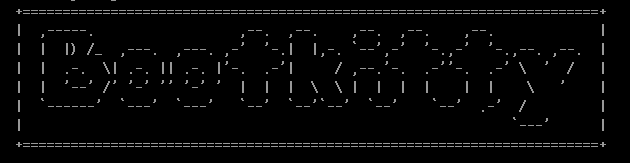
    The ASCII logo that Bootkitty is capable of rendering. Credit: ESET

    Be prepared

    Still, Bootkitty suggests threat actors may be actively developing a Linux version of the same sort of unkillable bootkit that previously was found only targeting Windows machines.

    Read full article

    Comments

    • tagbiz & it tagbiz & it tagbiz & it tagsecurity tagsecurity tagsecurity tagbootkit tagbootkit tagbootkit tagmalware tagmalware tagmalware taguefi taguefi taguefi tagbiz & it tagbiz & it tagbiz & it tagsecurity tagsecurity tagsecurity tagbootkit tagbootkit tagbootkit tagmalware tagmalware tagmalware taguefi taguefi taguefi tagbiz & it tagbiz & it tagbiz & it tagsecurity tagsecurity tagsecurity tagbootkit tagbootkit tagbootkit tagmalware tagmalware tagmalware taguefi taguefi taguefi

    • Pictures 3 image

    • visibility
    • visibility
    • visibility
    • Ar chevron_right

      Found in the wild: The world’s first unkillable UEFI bootkit for Linux

      news.movim.eu / ArsTechnica • 27 November 2024

    Over the past decade, a new class of infections has threatened Windows users. By infecting the firmware that runs immediately before the operating system loads, these UEFI bootkits continue to run even when the hard drive is replaced or reformatted. Now the same type of chip-dwelling malware has been found in the wild for backdooring Linux machines.

    Researchers at security firm ESET said Wednesday that Bootkitty—the name unknown threat actors gave to their Linux bootkit—was uploaded to VirusTotal earlier this month. Compared to its Windows cousins, Bootkitty is still relatively rudimentary, containing imperfections in key under-the-hood functionality and lacking the means to infect all Linux distributions other than Ubuntu. That has led the company researchers to suspect the new bootkit is likely a proof-of-concept release. To date, ESET has found no evidence of actual infections in the wild.

    The ASCII logo that Bootkitty is capable of rendering. Credit: ESET

    Be prepared

    Still, Bootkitty suggests threat actors may be actively developing a Linux version of the same sort of unkillable bootkit that previously was found only targeting Windows machines.

    Read full article

    Comments

    • tagbiz & it tagbiz & it tagbiz & it tagsecurity tagsecurity tagsecurity tagbootkit tagbootkit tagbootkit tagmalware tagmalware tagmalware taguefi taguefi taguefi tagbiz & it tagbiz & it tagbiz & it tagsecurity tagsecurity tagsecurity tagbootkit tagbootkit tagbootkit tagmalware tagmalware tagmalware taguefi taguefi taguefi tagbiz & it tagbiz & it tagbiz & it tagsecurity tagsecurity tagsecurity tagbootkit tagbootkit tagbootkit tagmalware tagmalware tagmalware taguefi taguefi taguefi

    • Pictures 3 image

    • visibility
    • visibility
    • visibility
    • Ar chevron_right

      Found in the wild: The world’s first unkillable UEFI bootkit for Linux

      news.movim.eu / ArsTechnica • 27 November 2024

    Over the past decade, a new class of infections has threatened Windows users. By infecting the firmware that runs immediately before the operating system loads, these UEFI bootkits continue to run even when the hard drive is replaced or reformatted. Now the same type of chip-dwelling malware has been found in the wild for backdooring Linux machines.

    Researchers at security firm ESET said Wednesday that Bootkitty—the name unknown threat actors gave to their Linux bootkit—was uploaded to VirusTotal earlier this month. Compared to its Windows cousins, Bootkitty is still relatively rudimentary, containing imperfections in key under-the-hood functionality and lacking the means to infect all Linux distributions other than Ubuntu. That has led the company researchers to suspect the new bootkit is likely a proof-of-concept release. To date, ESET has found no evidence of actual infections in the wild.

    The ASCII logo that Bootkitty is capable of rendering. Credit: ESET

    Be prepared

    Still, Bootkitty suggests threat actors may be actively developing a Linux version of the same sort of unkillable bootkit that previously was found only targeting Windows machines.

    Read full article

    Comments

    • tagbiz & it tagbiz & it tagbiz & it tagsecurity tagsecurity tagsecurity tagbootkit tagbootkit tagbootkit tagmalware tagmalware tagmalware taguefi taguefi taguefi tagbiz & it tagbiz & it tagbiz & it tagsecurity tagsecurity tagsecurity tagbootkit tagbootkit tagbootkit tagmalware tagmalware tagmalware taguefi taguefi taguefi tagbiz & it tagbiz & it tagbiz & it tagsecurity tagsecurity tagsecurity tagbootkit tagbootkit tagbootkit tagmalware tagmalware tagmalware taguefi taguefi taguefi

    • Pictures 3 image

    • visibility
    • visibility
    • visibility
  • history

    Get older posts

  • cloud_queue

    Powered by Movim