• progress_activity cloud_sync

    Reconnection to the server…

    Movim cannot talk with the server, please try again later


    • Public subscriptions

    • chevron_right

      coopr8

    • chevron_right

      gabagoo

    • chevron_right

      kenu_demon

    • chevron_right

      coopr8

    • chevron_right

      gabagoo

    • chevron_right

      kenu_demon

    • chevron_right

      coopr8

    • chevron_right

      gabagoo

    • chevron_right

      kenu_demon

  • Register Login

    Movim

    movim.chatterboxtown.us


  • group_work rss_feed
    add Follow

    ArsTechnica

    • Ar chevron_right

      An Ars Technica history of the Internet, part 1

      news.movim.eu / ArsTechnica • 14 April 2025 • 1 minute

    In a very real sense, the Internet, this marvelous worldwide digital communications network that you’re using right now, was created because one man was annoyed at having too many computer terminals in his office.

    The year was 1966. Robert Taylor was the director of the Advanced Research Projects Agency’s Information Processing Techniques Office. The agency was created in 1958 by President Eisenhower in response to the launch of Sputnik . So Taylor was in the Pentagon, a great place for acronyms like ARPA and IPTO. He had three massive terminals crammed into a room next to his office. Each one was connected to a different mainframe computer. They all worked slightly differently, and it was frustrating to remember multiple procedures to log in and retrieve information.
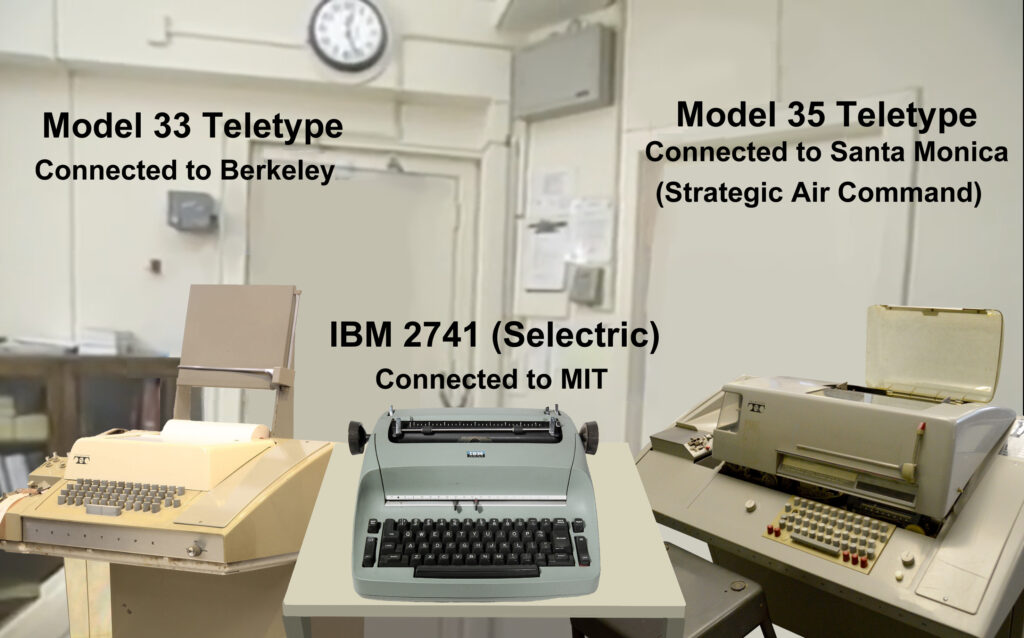
    Author’s re-creation of Bob Taylor’s office with three teletypes. Credit: Rama & Musée Bolo (Wikipedia/Creative Commons), steve lodefink (Wikipedia/Creative Commons), The Computer Museum @ System Source

    In those days, computers took up entire rooms, and users accessed them through teletype terminals—electric typewriters hooked up to either a serial cable or a modem and a phone line. ARPA was funding multiple research projects across the United States, but users of these different systems had no way to share their resources with each other. Wouldn’t it be great if there was a network that connected all these computers?

    Read full article

    Comments

    • tagfeatures tagfeatures tagfeatures tagtech tagtech tagtech tagarpa tagarpa tagarpa tagarpanet tagarpanet tagarpanet taghistory taghistory taghistory taginternet taginternet taginternet tagvint cerf tagvint cerf tagvint cerf tagfeatures tagfeatures tagfeatures tagtech tagtech tagtech tagarpa tagarpa tagarpa tagarpanet tagarpanet tagarpanet taghistory taghistory taghistory taginternet taginternet taginternet tagvint cerf tagvint cerf tagvint cerf tagfeatures tagfeatures tagfeatures tagtech tagtech tagtech tagarpa tagarpa tagarpa tagarpanet tagarpanet tagarpanet taghistory taghistory taghistory taginternet taginternet taginternet tagvint cerf tagvint cerf tagvint cerf

    • Pictures 3 image

    • visibility
    • visibility
    • visibility
    • Ar chevron_right

      An Ars Technica history of the Internet, part 1

      news.movim.eu / ArsTechnica • 14 April 2025 • 1 minute

    In a very real sense, the Internet, this marvelous worldwide digital communications network that you’re using right now, was created because one man was annoyed at having too many computer terminals in his office.

    The year was 1966. Robert Taylor was the director of the Advanced Research Projects Agency’s Information Processing Techniques Office. The agency was created in 1958 by President Eisenhower in response to the launch of Sputnik . So Taylor was in the Pentagon, a great place for acronyms like ARPA and IPTO. He had three massive terminals crammed into a room next to his office. Each one was connected to a different mainframe computer. They all worked slightly differently, and it was frustrating to remember multiple procedures to log in and retrieve information.

    Author’s re-creation of Bob Taylor’s office with three teletypes. Credit: Rama & Musée Bolo (Wikipedia/Creative Commons), steve lodefink (Wikipedia/Creative Commons), The Computer Museum @ System Source

    In those days, computers took up entire rooms, and users accessed them through teletype terminals—electric typewriters hooked up to either a serial cable or a modem and a phone line. ARPA was funding multiple research projects across the United States, but users of these different systems had no way to share their resources with each other. Wouldn’t it be great if there was a network that connected all these computers?

    Read full article

    Comments

    • tagfeatures tagfeatures tagfeatures tagtech tagtech tagtech tagarpa tagarpa tagarpa tagarpanet tagarpanet tagarpanet taghistory taghistory taghistory taginternet taginternet taginternet tagvint cerf tagvint cerf tagvint cerf tagfeatures tagfeatures tagfeatures tagtech tagtech tagtech tagarpa tagarpa tagarpa tagarpanet tagarpanet tagarpanet taghistory taghistory taghistory taginternet taginternet taginternet tagvint cerf tagvint cerf tagvint cerf tagfeatures tagfeatures tagfeatures tagtech tagtech tagtech tagarpa tagarpa tagarpa tagarpanet tagarpanet tagarpanet taghistory taghistory taghistory taginternet taginternet taginternet tagvint cerf tagvint cerf tagvint cerf

    • Pictures 3 image

    • visibility
    • visibility
    • visibility
    • Ar chevron_right

      An Ars Technica history of the Internet, part 1

      news.movim.eu / ArsTechnica • 14 April 2025 • 1 minute

    In a very real sense, the Internet, this marvelous worldwide digital communications network that you’re using right now, was created because one man was annoyed at having too many computer terminals in his office.

    The year was 1966. Robert Taylor was the director of the Advanced Research Projects Agency’s Information Processing Techniques Office. The agency was created in 1958 by President Eisenhower in response to the launch of Sputnik . So Taylor was in the Pentagon, a great place for acronyms like ARPA and IPTO. He had three massive terminals crammed into a room next to his office. Each one was connected to a different mainframe computer. They all worked slightly differently, and it was frustrating to remember multiple procedures to log in and retrieve information.

    Author’s re-creation of Bob Taylor’s office with three teletypes. Credit: Rama & Musée Bolo (Wikipedia/Creative Commons), steve lodefink (Wikipedia/Creative Commons), The Computer Museum @ System Source

    In those days, computers took up entire rooms, and users accessed them through teletype terminals—electric typewriters hooked up to either a serial cable or a modem and a phone line. ARPA was funding multiple research projects across the United States, but users of these different systems had no way to share their resources with each other. Wouldn’t it be great if there was a network that connected all these computers?

    Read full article

    Comments

    • tagfeatures tagfeatures tagfeatures tagtech tagtech tagtech tagarpa tagarpa tagarpa tagarpanet tagarpanet tagarpanet taghistory taghistory taghistory taginternet taginternet taginternet tagvint cerf tagvint cerf tagvint cerf tagfeatures tagfeatures tagfeatures tagtech tagtech tagtech tagarpa tagarpa tagarpa tagarpanet tagarpanet tagarpanet taghistory taghistory taghistory taginternet taginternet taginternet tagvint cerf tagvint cerf tagvint cerf tagfeatures tagfeatures tagfeatures tagtech tagtech tagtech tagarpa tagarpa tagarpa tagarpanet tagarpanet tagarpanet taghistory taghistory taghistory taginternet taginternet taginternet tagvint cerf tagvint cerf tagvint cerf

    • Pictures 3 image

    • visibility
    • visibility
    • visibility
    • Ar chevron_right

      After market tumult, Trump exempts smartphones from massive new tariffs

      news.movim.eu / ArsTechnica • 12 April 2025

    The Trump administration has excluded smartphones and other consumer electronics from its steep “reciprocal” tariffs in a significant boost for Big Tech as the White House battles to calm global markets after launching a multifront trade war.

    According to a notice posted late on Friday night by Customs and Border Patrol, smartphones, along with routers, chipmaking equipment, wireless earphones and certain computers and laptops, would be exempt from reciprocal tariffs, which include the 125 percent levies Donald Trump has imposed on Chinese imports.

    The carve-out is a big win for companies such as Apple, Nvidia and Microsoft, and follows a week of intense turbulence in US markets after Trump unleashed a trade war on “liberation day” on April 2. The announcement rattled global investors and triggered a stock market rout.

    Read full article

    Comments

    • tagpolicy tagpolicy tagpolicy tagapple tagapple tagapple taggoogle taggoogle taggoogle tagsmartphones tagsmartphones tagsmartphones tagsyndication tagsyndication tagsyndication tagtariffs tagtariffs tagtariffs tagpolicy tagpolicy tagpolicy tagapple tagapple tagapple taggoogle taggoogle taggoogle tagsmartphones tagsmartphones tagsmartphones tagsyndication tagsyndication tagsyndication tagtariffs tagtariffs tagtariffs tagpolicy tagpolicy tagpolicy tagapple tagapple tagapple taggoogle taggoogle taggoogle tagsmartphones tagsmartphones tagsmartphones tagsyndication tagsyndication tagsyndication tagtariffs tagtariffs tagtariffs

    • Pictures 3 image

    • visibility
    • visibility
    • visibility
    • Ar chevron_right

      After market tumult, Trump exempts smartphones from massive new tariffs

      news.movim.eu / ArsTechnica • 12 April 2025

    The Trump administration has excluded smartphones and other consumer electronics from its steep “reciprocal” tariffs in a significant boost for Big Tech as the White House battles to calm global markets after launching a multifront trade war.

    According to a notice posted late on Friday night by Customs and Border Patrol, smartphones, along with routers, chipmaking equipment, wireless earphones and certain computers and laptops, would be exempt from reciprocal tariffs, which include the 125 percent levies Donald Trump has imposed on Chinese imports.

    The carve-out is a big win for companies such as Apple, Nvidia and Microsoft, and follows a week of intense turbulence in US markets after Trump unleashed a trade war on “liberation day” on April 2. The announcement rattled global investors and triggered a stock market rout.

    Read full article

    Comments

    • tagpolicy tagpolicy tagpolicy tagapple tagapple tagapple taggoogle taggoogle taggoogle tagsmartphones tagsmartphones tagsmartphones tagsyndication tagsyndication tagsyndication tagtariffs tagtariffs tagtariffs tagpolicy tagpolicy tagpolicy tagapple tagapple tagapple taggoogle taggoogle taggoogle tagsmartphones tagsmartphones tagsmartphones tagsyndication tagsyndication tagsyndication tagtariffs tagtariffs tagtariffs tagpolicy tagpolicy tagpolicy tagapple tagapple tagapple taggoogle taggoogle taggoogle tagsmartphones tagsmartphones tagsmartphones tagsyndication tagsyndication tagsyndication tagtariffs tagtariffs tagtariffs

    • Pictures 3 image

    • visibility
    • visibility
    • visibility
    • Ar chevron_right

      After market tumult, Trump exempts smartphones from massive new tariffs

      news.movim.eu / ArsTechnica • 12 April 2025

    The Trump administration has excluded smartphones and other consumer electronics from its steep “reciprocal” tariffs in a significant boost for Big Tech as the White House battles to calm global markets after launching a multifront trade war.

    According to a notice posted late on Friday night by Customs and Border Patrol, smartphones, along with routers, chipmaking equipment, wireless earphones and certain computers and laptops, would be exempt from reciprocal tariffs, which include the 125 percent levies Donald Trump has imposed on Chinese imports.

    The carve-out is a big win for companies such as Apple, Nvidia and Microsoft, and follows a week of intense turbulence in US markets after Trump unleashed a trade war on “liberation day” on April 2. The announcement rattled global investors and triggered a stock market rout.

    Read full article

    Comments

    • tagpolicy tagpolicy tagpolicy tagapple tagapple tagapple taggoogle taggoogle taggoogle tagsmartphones tagsmartphones tagsmartphones tagsyndication tagsyndication tagsyndication tagtariffs tagtariffs tagtariffs tagpolicy tagpolicy tagpolicy tagapple tagapple tagapple taggoogle taggoogle taggoogle tagsmartphones tagsmartphones tagsmartphones tagsyndication tagsyndication tagsyndication tagtariffs tagtariffs tagtariffs tagpolicy tagpolicy tagpolicy tagapple tagapple tagapple taggoogle taggoogle taggoogle tagsmartphones tagsmartphones tagsmartphones tagsyndication tagsyndication tagsyndication tagtariffs tagtariffs tagtariffs

    • Pictures 3 image

    • visibility
    • visibility
    • visibility
    • Ar chevron_right

      AI isn’t ready to replace human coders for debugging, researchers say

      news.movim.eu / ArsTechnica • 11 April 2025

    There are few areas where AI has seen more robust deployment than the field of software development. From "vibe" coding to GitHub Copilot to startups building quick-and-dirty applications with support from LLMs, AI is already deeply integrated.

    However, those claiming we're mere months away from AI agents replacing most programmers should adjust their expectations because models aren't good enough at the debugging part, and debugging occupies most of a developer's time. That's the suggestion of Microsoft Research, which built a new tool called debug-gym to test and improve how AI models can debug software.

    Debug-gym (available on GitHub and detailed in a blog post ) is an environment that allows AI models to try and debug any existing code repository with access to debugging tools that aren't historically part of the process for these models. Microsoft found that without this approach, models are quite notably bad at debugging tasks. With the approach, they're better but still a far cry from what an experienced human developer can do.

    Read full article

    Comments

    • tagai tagai tagai tagcoding tagcoding tagcoding tagdebugging tagdebugging tagdebugging tagllm tagllm tagllm tagmicrosoft tagmicrosoft tagmicrosoft tagprogramming tagprogramming tagprogramming tagsoftware development tagsoftware development tagsoftware development tagai tagai tagai tagcoding tagcoding tagcoding tagdebugging tagdebugging tagdebugging tagllm tagllm tagllm tagmicrosoft tagmicrosoft tagmicrosoft tagprogramming tagprogramming tagprogramming tagsoftware development tagsoftware development tagsoftware development tagai tagai tagai tagcoding tagcoding tagcoding tagdebugging tagdebugging tagdebugging tagllm tagllm tagllm tagmicrosoft tagmicrosoft tagmicrosoft tagprogramming tagprogramming tagprogramming tagsoftware development tagsoftware development tagsoftware development

    • Pictures 3 image

    • visibility
    • visibility
    • visibility
    • Ar chevron_right

      AI isn’t ready to replace human coders for debugging, researchers say

      news.movim.eu / ArsTechnica • 11 April 2025

    There are few areas where AI has seen more robust deployment than the field of software development. From "vibe" coding to GitHub Copilot to startups building quick-and-dirty applications with support from LLMs, AI is already deeply integrated.

    However, those claiming we're mere months away from AI agents replacing most programmers should adjust their expectations because models aren't good enough at the debugging part, and debugging occupies most of a developer's time. That's the suggestion of Microsoft Research, which built a new tool called debug-gym to test and improve how AI models can debug software.

    Debug-gym (available on GitHub and detailed in a blog post ) is an environment that allows AI models to try and debug any existing code repository with access to debugging tools that aren't historically part of the process for these models. Microsoft found that without this approach, models are quite notably bad at debugging tasks. With the approach, they're better but still a far cry from what an experienced human developer can do.

    Read full article

    Comments

    • tagai tagai tagai tagcoding tagcoding tagcoding tagdebugging tagdebugging tagdebugging tagllm tagllm tagllm tagmicrosoft tagmicrosoft tagmicrosoft tagprogramming tagprogramming tagprogramming tagsoftware development tagsoftware development tagsoftware development tagai tagai tagai tagcoding tagcoding tagcoding tagdebugging tagdebugging tagdebugging tagllm tagllm tagllm tagmicrosoft tagmicrosoft tagmicrosoft tagprogramming tagprogramming tagprogramming tagsoftware development tagsoftware development tagsoftware development tagai tagai tagai tagcoding tagcoding tagcoding tagdebugging tagdebugging tagdebugging tagllm tagllm tagllm tagmicrosoft tagmicrosoft tagmicrosoft tagprogramming tagprogramming tagprogramming tagsoftware development tagsoftware development tagsoftware development

    • Pictures 3 image

    • visibility
    • visibility
    • visibility
    • Ar chevron_right

      AI isn’t ready to replace human coders for debugging, researchers say

      news.movim.eu / ArsTechnica • 11 April 2025

    There are few areas where AI has seen more robust deployment than the field of software development. From "vibe" coding to GitHub Copilot to startups building quick-and-dirty applications with support from LLMs, AI is already deeply integrated.

    However, those claiming we're mere months away from AI agents replacing most programmers should adjust their expectations because models aren't good enough at the debugging part, and debugging occupies most of a developer's time. That's the suggestion of Microsoft Research, which built a new tool called debug-gym to test and improve how AI models can debug software.

    Debug-gym (available on GitHub and detailed in a blog post ) is an environment that allows AI models to try and debug any existing code repository with access to debugging tools that aren't historically part of the process for these models. Microsoft found that without this approach, models are quite notably bad at debugging tasks. With the approach, they're better but still a far cry from what an experienced human developer can do.

    Read full article

    Comments

    • tagai tagai tagai tagcoding tagcoding tagcoding tagdebugging tagdebugging tagdebugging tagllm tagllm tagllm tagmicrosoft tagmicrosoft tagmicrosoft tagprogramming tagprogramming tagprogramming tagsoftware development tagsoftware development tagsoftware development tagai tagai tagai tagcoding tagcoding tagcoding tagdebugging tagdebugging tagdebugging tagllm tagllm tagllm tagmicrosoft tagmicrosoft tagmicrosoft tagprogramming tagprogramming tagprogramming tagsoftware development tagsoftware development tagsoftware development tagai tagai tagai tagcoding tagcoding tagcoding tagdebugging tagdebugging tagdebugging tagllm tagllm tagllm tagmicrosoft tagmicrosoft tagmicrosoft tagprogramming tagprogramming tagprogramming tagsoftware development tagsoftware development tagsoftware development

    • Pictures 3 image

    • visibility
    • visibility
    • visibility
  • history

    Get older posts

  • cloud_queue

    Powered by Movim