• progress_activity cloud_sync

    Reconnection to the server…

    Movim cannot talk with the server, please try again later

  • back_to_tab fullscreen tile_small dialpad mic videocam switch_camera screen_share

    mic_none No sound detected from your microphone


    • Public subscriptions

    • chevron_right

      coopr8

    • chevron_right

      gabagoo

    • chevron_right

      kenu_demon

    • chevron_right

      coopr8

    • chevron_right

      gabagoo

    • chevron_right

      kenu_demon

    • chevron_right

      coopr8

    • chevron_right

      gabagoo

    • chevron_right

      kenu_demon

  • Register Login

    Movim

    movim.chatterboxtown.us


  • group_work rss_feed
    add Follow

    ArsTechnica

    • Ar chevron_right

      DNA links modern pueblo dwellers to Chaco Canyon people

      news.movim.eu / ArsTechnica • 30 April 2025 • 1 minute

    A thousand years ago, the people living in Chaco Canyon were building massive structures of intricate masonry and locations as far away as Mexico. Within a century, however, the area would be largely abandoned, with little indication that the same culture was re-established elsewhere. If the people of Chaco Canyon migrated elsewhere, it's unclear where they ended up.

    Around the same time that construction expanded in Chaco Canyon, far smaller pueblos began appearing in the northern Rio Grande Valley hundreds of kilometers away. These have remained occupied to the present day in New Mexico; although their populations shrank dramatically after European contact, their relationship to the Chaco culture has remained ambiguous. Until now, that is. People from one of these communities, Picuris Pueblo, worked with ancient DNA specialists to show that they are the closest relatives of the Chaco people yet discovered, confirming aspects of the pueblo's oral traditions.

    A pueblo-driven study

    The list of authors of the new paper describing this genetic connection includes members of the Pueblo government, including its present governor. That's because the study was initiated by the members of the Pueblo, who worked with archeologists to get in contact with DNA specialists at the Center for GeoGenetics at the University of Copenhagen. In a press conference, members of the Pueblo said they'd been aware of the power of DNA studies via their use in criminal cases and ancestry services. The leaders of Picuris Pueblo felt that it could help them understand their origin and the nature of some of their oral history, which linked them to the wider Pueblo-building peoples.
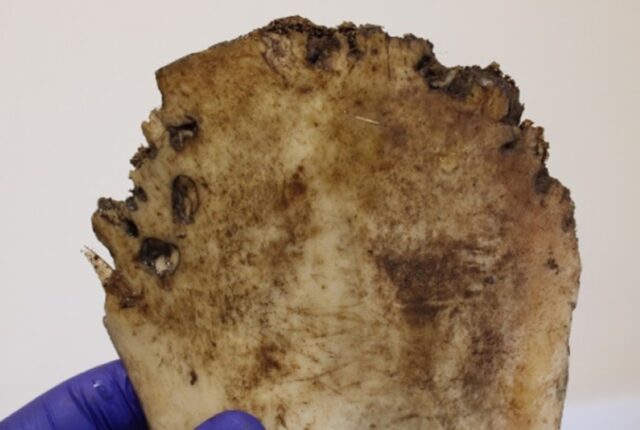
    Read full article

    Comments

    • tagscience tagscience tagscience tagscience tagscience tagscience tagancient dna tagancient dna tagancient dna tagarcheology tagarcheology tagarcheology tagbiology tagbiology tagbiology taggenetics taggenetics taggenetics taggenomics taggenomics taggenomics taghuman biology taghuman biology taghuman biology tagancient dna tagancient dna tagancient dna tagarcheology tagarcheology tagarcheology tagbiology tagbiology tagbiology taggenetics taggenetics taggenetics taggenomics taggenomics taggenomics taghuman biology taghuman biology taghuman biology tagscience tagscience tagscience tagancient dna tagancient dna tagancient dna tagarcheology tagarcheology tagarcheology tagbiology tagbiology tagbiology taggenetics taggenetics taggenetics taggenomics taggenomics taggenomics taghuman biology taghuman biology taghuman biology

    • Pictures 3 image

    • visibility
    • visibility
    • visibility
    • Ar chevron_right

      DNA links modern pueblo dwellers to Chaco Canyon people

      news.movim.eu / ArsTechnica • 30 April 2025 • 1 minute

    A thousand years ago, the people living in Chaco Canyon were building massive structures of intricate masonry and locations as far away as Mexico. Within a century, however, the area would be largely abandoned, with little indication that the same culture was re-established elsewhere. If the people of Chaco Canyon migrated elsewhere, it's unclear where they ended up.

    Around the same time that construction expanded in Chaco Canyon, far smaller pueblos began appearing in the northern Rio Grande Valley hundreds of kilometers away. These have remained occupied to the present day in New Mexico; although their populations shrank dramatically after European contact, their relationship to the Chaco culture has remained ambiguous. Until now, that is. People from one of these communities, Picuris Pueblo, worked with ancient DNA specialists to show that they are the closest relatives of the Chaco people yet discovered, confirming aspects of the pueblo's oral traditions.

    A pueblo-driven study

    The list of authors of the new paper describing this genetic connection includes members of the Pueblo government, including its present governor. That's because the study was initiated by the members of the Pueblo, who worked with archeologists to get in contact with DNA specialists at the Center for GeoGenetics at the University of Copenhagen. In a press conference, members of the Pueblo said they'd been aware of the power of DNA studies via their use in criminal cases and ancestry services. The leaders of Picuris Pueblo felt that it could help them understand their origin and the nature of some of their oral history, which linked them to the wider Pueblo-building peoples.

    Read full article

    Comments

    • tagscience tagscience tagscience tagscience tagscience tagscience tagancient dna tagancient dna tagancient dna tagarcheology tagarcheology tagarcheology tagbiology tagbiology tagbiology taggenetics taggenetics taggenetics taggenomics taggenomics taggenomics taghuman biology taghuman biology taghuman biology tagancient dna tagancient dna tagancient dna tagarcheology tagarcheology tagarcheology tagbiology tagbiology tagbiology taggenetics taggenetics taggenetics taggenomics taggenomics taggenomics taghuman biology taghuman biology taghuman biology tagscience tagscience tagscience tagancient dna tagancient dna tagancient dna tagarcheology tagarcheology tagarcheology tagbiology tagbiology tagbiology taggenetics taggenetics taggenetics taggenomics taggenomics taggenomics taghuman biology taghuman biology taghuman biology

    • Pictures 3 image

    • visibility
    • visibility
    • visibility
    • Ar chevron_right

      DNA links modern pueblo dwellers to Chaco Canyon people

      news.movim.eu / ArsTechnica • 30 April 2025 • 1 minute

    A thousand years ago, the people living in Chaco Canyon were building massive structures of intricate masonry and locations as far away as Mexico. Within a century, however, the area would be largely abandoned, with little indication that the same culture was re-established elsewhere. If the people of Chaco Canyon migrated elsewhere, it's unclear where they ended up.

    Around the same time that construction expanded in Chaco Canyon, far smaller pueblos began appearing in the northern Rio Grande Valley hundreds of kilometers away. These have remained occupied to the present day in New Mexico; although their populations shrank dramatically after European contact, their relationship to the Chaco culture has remained ambiguous. Until now, that is. People from one of these communities, Picuris Pueblo, worked with ancient DNA specialists to show that they are the closest relatives of the Chaco people yet discovered, confirming aspects of the pueblo's oral traditions.

    A pueblo-driven study

    The list of authors of the new paper describing this genetic connection includes members of the Pueblo government, including its present governor. That's because the study was initiated by the members of the Pueblo, who worked with archeologists to get in contact with DNA specialists at the Center for GeoGenetics at the University of Copenhagen. In a press conference, members of the Pueblo said they'd been aware of the power of DNA studies via their use in criminal cases and ancestry services. The leaders of Picuris Pueblo felt that it could help them understand their origin and the nature of some of their oral history, which linked them to the wider Pueblo-building peoples.

    Read full article

    Comments

    • tagscience tagscience tagscience tagscience tagscience tagscience tagancient dna tagancient dna tagancient dna tagarcheology tagarcheology tagarcheology tagbiology tagbiology tagbiology taggenetics taggenetics taggenetics taggenomics taggenomics taggenomics taghuman biology taghuman biology taghuman biology tagancient dna tagancient dna tagancient dna tagarcheology tagarcheology tagarcheology tagbiology tagbiology tagbiology taggenetics taggenetics taggenetics taggenomics taggenomics taggenomics taghuman biology taghuman biology taghuman biology tagscience tagscience tagscience tagancient dna tagancient dna tagancient dna tagarcheology tagarcheology tagarcheology tagbiology tagbiology tagbiology taggenetics taggenetics taggenetics taggenomics taggenomics taggenomics taghuman biology taghuman biology taghuman biology

    • Pictures 3 image

    • visibility
    • visibility
    • visibility
    • Ar chevron_right

      Raspberry Pi cuts product returns by 50% by changing up its pin soldering

      news.movim.eu / ArsTechnica • 30 April 2025 • 1 minute

    Getting the hang of through-hole soldering is tricky for those of us tinkering at home with our irons, spools, flux, and, sometimes, braids. It's almost reassuring, then, to learn that through-hole soldering was also a pain for a firm that has made more than 60 million products with it.

    Raspberry Pi boards have a combination of surface-mount devices (SMDs) and through-hole bits. SMDs allow for far more tiny chips, resistors, and other bits to be attached to boards by their tiny pins, flat contacts, solder balls, or other connections. For those things that are bigger, or subject to rough forces like clumsy human hands, through-hole soldering is still required, with leads poked through a connective hole and solder applied to connect and join them securely.

    The Raspberry Pi board has a 40-pin GPIO header on it that needs through-hole soldering, along with bits like the ethernet and USB ports. These require robust solder joints, which can't be done the same way as with SMT (surface-mount technology) tools. "In the early days of Raspberry Pi, these parts were inserted by hand, and later by robotic placement," writes Roger Thornton, director of applications for Raspberry Pi, in a blog post . The boards then had to go through a follow-up wave soldering step.

    Read full article

    Comments

    • tagtech tagtech tagtech tagelectronics tagelectronics tagelectronics tagelectronics manufacturing tagelectronics manufacturing tagelectronics manufacturing tagmanufacturing tagmanufacturing tagmanufacturing tagraspberry pi tagraspberry pi tagraspberry pi tagraspberry pi 5 tagraspberry pi 5 tagraspberry pi 5 tagsingle board computers tagsingle board computers tagsingle board computers tagsoldering tagsoldering tagsoldering tagtech tagtech tagtech tagelectronics tagelectronics tagelectronics tagelectronics manufacturing tagelectronics manufacturing tagelectronics manufacturing tagmanufacturing tagmanufacturing tagmanufacturing tagraspberry pi tagraspberry pi tagraspberry pi tagraspberry pi 5 tagraspberry pi 5 tagraspberry pi 5 tagsingle board computers tagsingle board computers tagsingle board computers tagsoldering tagsoldering tagsoldering tagtech tagtech tagtech tagelectronics tagelectronics tagelectronics tagelectronics manufacturing tagelectronics manufacturing tagelectronics manufacturing tagmanufacturing tagmanufacturing tagmanufacturing tagraspberry pi tagraspberry pi tagraspberry pi tagraspberry pi 5 tagraspberry pi 5 tagraspberry pi 5 tagsingle board computers tagsingle board computers tagsingle board computers tagsoldering tagsoldering tagsoldering

    • Pictures 3 image

    • visibility
    • visibility
    • visibility
    • Ar chevron_right

      Raspberry Pi cuts product returns by 50% by changing up its pin soldering

      news.movim.eu / ArsTechnica • 30 April 2025 • 1 minute

    Getting the hang of through-hole soldering is tricky for those of us tinkering at home with our irons, spools, flux, and, sometimes, braids. It's almost reassuring, then, to learn that through-hole soldering was also a pain for a firm that has made more than 60 million products with it.

    Raspberry Pi boards have a combination of surface-mount devices (SMDs) and through-hole bits. SMDs allow for far more tiny chips, resistors, and other bits to be attached to boards by their tiny pins, flat contacts, solder balls, or other connections. For those things that are bigger, or subject to rough forces like clumsy human hands, through-hole soldering is still required, with leads poked through a connective hole and solder applied to connect and join them securely.

    The Raspberry Pi board has a 40-pin GPIO header on it that needs through-hole soldering, along with bits like the ethernet and USB ports. These require robust solder joints, which can't be done the same way as with SMT (surface-mount technology) tools. "In the early days of Raspberry Pi, these parts were inserted by hand, and later by robotic placement," writes Roger Thornton, director of applications for Raspberry Pi, in a blog post . The boards then had to go through a follow-up wave soldering step.

    Read full article

    Comments

    • tagtech tagtech tagtech tagelectronics tagelectronics tagelectronics tagelectronics manufacturing tagelectronics manufacturing tagelectronics manufacturing tagmanufacturing tagmanufacturing tagmanufacturing tagraspberry pi tagraspberry pi tagraspberry pi tagraspberry pi 5 tagraspberry pi 5 tagraspberry pi 5 tagsingle board computers tagsingle board computers tagsingle board computers tagsoldering tagsoldering tagsoldering tagtech tagtech tagtech tagelectronics tagelectronics tagelectronics tagelectronics manufacturing tagelectronics manufacturing tagelectronics manufacturing tagmanufacturing tagmanufacturing tagmanufacturing tagraspberry pi tagraspberry pi tagraspberry pi tagraspberry pi 5 tagraspberry pi 5 tagraspberry pi 5 tagsingle board computers tagsingle board computers tagsingle board computers tagsoldering tagsoldering tagsoldering tagtech tagtech tagtech tagelectronics tagelectronics tagelectronics tagelectronics manufacturing tagelectronics manufacturing tagelectronics manufacturing tagmanufacturing tagmanufacturing tagmanufacturing tagraspberry pi tagraspberry pi tagraspberry pi tagraspberry pi 5 tagraspberry pi 5 tagraspberry pi 5 tagsingle board computers tagsingle board computers tagsingle board computers tagsoldering tagsoldering tagsoldering

    • Pictures 3 image

    • visibility
    • visibility
    • visibility
    • Ar chevron_right

      Raspberry Pi cuts product returns by 50% by changing up its pin soldering

      news.movim.eu / ArsTechnica • 30 April 2025 • 1 minute

    Getting the hang of through-hole soldering is tricky for those of us tinkering at home with our irons, spools, flux, and, sometimes, braids. It's almost reassuring, then, to learn that through-hole soldering was also a pain for a firm that has made more than 60 million products with it.

    Raspberry Pi boards have a combination of surface-mount devices (SMDs) and through-hole bits. SMDs allow for far more tiny chips, resistors, and other bits to be attached to boards by their tiny pins, flat contacts, solder balls, or other connections. For those things that are bigger, or subject to rough forces like clumsy human hands, through-hole soldering is still required, with leads poked through a connective hole and solder applied to connect and join them securely.

    The Raspberry Pi board has a 40-pin GPIO header on it that needs through-hole soldering, along with bits like the ethernet and USB ports. These require robust solder joints, which can't be done the same way as with SMT (surface-mount technology) tools. "In the early days of Raspberry Pi, these parts were inserted by hand, and later by robotic placement," writes Roger Thornton, director of applications for Raspberry Pi, in a blog post . The boards then had to go through a follow-up wave soldering step.

    Read full article

    Comments

    • tagtech tagtech tagtech tagelectronics tagelectronics tagelectronics tagelectronics manufacturing tagelectronics manufacturing tagelectronics manufacturing tagmanufacturing tagmanufacturing tagmanufacturing tagraspberry pi tagraspberry pi tagraspberry pi tagraspberry pi 5 tagraspberry pi 5 tagraspberry pi 5 tagsingle board computers tagsingle board computers tagsingle board computers tagsoldering tagsoldering tagsoldering tagtech tagtech tagtech tagelectronics tagelectronics tagelectronics tagelectronics manufacturing tagelectronics manufacturing tagelectronics manufacturing tagmanufacturing tagmanufacturing tagmanufacturing tagraspberry pi tagraspberry pi tagraspberry pi tagraspberry pi 5 tagraspberry pi 5 tagraspberry pi 5 tagsingle board computers tagsingle board computers tagsingle board computers tagsoldering tagsoldering tagsoldering tagtech tagtech tagtech tagelectronics tagelectronics tagelectronics tagelectronics manufacturing tagelectronics manufacturing tagelectronics manufacturing tagmanufacturing tagmanufacturing tagmanufacturing tagraspberry pi tagraspberry pi tagraspberry pi tagraspberry pi 5 tagraspberry pi 5 tagraspberry pi 5 tagsingle board computers tagsingle board computers tagsingle board computers tagsoldering tagsoldering tagsoldering

    • Pictures 3 image

    • visibility
    • visibility
    • visibility
    • Ar chevron_right

      Research roundup: Tattooed tardigrades and splash-free urinals

      news.movim.eu / ArsTechnica • 30 April 2025 • 1 minute

    It's a regrettable reality that there is never time to cover all the interesting scientific stories we come across each month. In the past, we've featured year-end roundups of cool science stories we (almost) missed. This year, we're experimenting with a monthly collection. April's list includes new research on tattooed tardigrades, the first live image of a colossal baby squid, the digital unfolding of a recently discovered Merlin manuscript, and an ancient Roman gladiator whose skeleton shows signs of being gnawed by a lion.

    Gladiator vs lion?

    Puncture injuries by large felid scavenging Puncture injuries by large felid scavenging. Credit: Thompson et al., 2025/PLOS One/CC-BY 4.0

    Popular depictions of Roman gladiators in combat invariably include battling not just human adversaries but wild animals. We know from surviving texts, imagery, and artifacts that such battles likely took place. But hard physical evidence is much more limited. Archaeologists have now found the first direct osteological evidence: the skeleton of a Roman gladiator who encountered a wild animal in the arena, most likely a lion, based on bite marks evident on the pelvic bone, according to a paper published in the journal PLoS ONE.

    The skeleton in question was that of a young man, age 26 to 35, buried between 200–300 CE near what is now York, England, formerly the Roman city of Eboracum. It's one of several such skeletons, mostly young men whose remains showed signs of trauma—hence the suggestion that it could be a gladiator burial site. "We used a method called structured light scanning [to study the skeleton]," co-author Tim Thompson of Maynooth University told Ars. "It's a method of creating a 3D model using grids of light. It's not like X-ray or CT, in that it only records the surface (not internal) features, but since it uses light and not X-rays etc, it is much safer, cheaper, and more portable. We have published a fair bit on this and shown its use in both archaeological and forensic contexts."

    Read full article

    Comments

    • tagscience tagscience tagscience tagarchaeology tagarchaeology tagarchaeology tagcephalopods tagcephalopods tagcephalopods tagholograms tagholograms tagholograms tagresearch roundup tagresearch roundup tagresearch roundup tagsharks tagsharks tagsharks tagtardigrades tagtardigrades tagtardigrades tagurinals tagurinals tagurinals tagscience tagscience tagscience tagarchaeology tagarchaeology tagarchaeology tagcephalopods tagcephalopods tagcephalopods tagholograms tagholograms tagholograms tagresearch roundup tagresearch roundup tagresearch roundup tagsharks tagsharks tagsharks tagtardigrades tagtardigrades tagtardigrades tagurinals tagurinals tagurinals tagscience tagscience tagscience tagarchaeology tagarchaeology tagarchaeology tagcephalopods tagcephalopods tagcephalopods tagholograms tagholograms tagholograms tagresearch roundup tagresearch roundup tagresearch roundup tagsharks tagsharks tagsharks tagtardigrades tagtardigrades tagtardigrades tagurinals tagurinals tagurinals

    • Pictures 3 image

    • visibility
    • visibility
    • visibility
    • Ar chevron_right

      Research roundup: Tattooed tardigrades and splash-free urinals

      news.movim.eu / ArsTechnica • 30 April 2025 • 1 minute

    It's a regrettable reality that there is never time to cover all the interesting scientific stories we come across each month. In the past, we've featured year-end roundups of cool science stories we (almost) missed. This year, we're experimenting with a monthly collection. April's list includes new research on tattooed tardigrades, the first live image of a colossal baby squid, the digital unfolding of a recently discovered Merlin manuscript, and an ancient Roman gladiator whose skeleton shows signs of being gnawed by a lion.

    Gladiator vs lion?

    Puncture injuries by large felid scavenging Puncture injuries by large felid scavenging. Credit: Thompson et al., 2025/PLOS One/CC-BY 4.0

    Popular depictions of Roman gladiators in combat invariably include battling not just human adversaries but wild animals. We know from surviving texts, imagery, and artifacts that such battles likely took place. But hard physical evidence is much more limited. Archaeologists have now found the first direct osteological evidence: the skeleton of a Roman gladiator who encountered a wild animal in the arena, most likely a lion, based on bite marks evident on the pelvic bone, according to a paper published in the journal PLoS ONE.

    The skeleton in question was that of a young man, age 26 to 35, buried between 200–300 CE near what is now York, England, formerly the Roman city of Eboracum. It's one of several such skeletons, mostly young men whose remains showed signs of trauma—hence the suggestion that it could be a gladiator burial site. "We used a method called structured light scanning [to study the skeleton]," co-author Tim Thompson of Maynooth University told Ars. "It's a method of creating a 3D model using grids of light. It's not like X-ray or CT, in that it only records the surface (not internal) features, but since it uses light and not X-rays etc, it is much safer, cheaper, and more portable. We have published a fair bit on this and shown its use in both archaeological and forensic contexts."

    Read full article

    Comments

    • tagscience tagscience tagscience tagarchaeology tagarchaeology tagarchaeology tagcephalopods tagcephalopods tagcephalopods tagholograms tagholograms tagholograms tagresearch roundup tagresearch roundup tagresearch roundup tagsharks tagsharks tagsharks tagtardigrades tagtardigrades tagtardigrades tagurinals tagurinals tagurinals tagscience tagscience tagscience tagarchaeology tagarchaeology tagarchaeology tagcephalopods tagcephalopods tagcephalopods tagholograms tagholograms tagholograms tagresearch roundup tagresearch roundup tagresearch roundup tagsharks tagsharks tagsharks tagtardigrades tagtardigrades tagtardigrades tagurinals tagurinals tagurinals tagscience tagscience tagscience tagarchaeology tagarchaeology tagarchaeology tagcephalopods tagcephalopods tagcephalopods tagholograms tagholograms tagholograms tagresearch roundup tagresearch roundup tagresearch roundup tagsharks tagsharks tagsharks tagtardigrades tagtardigrades tagtardigrades tagurinals tagurinals tagurinals

    • Pictures 3 image

    • visibility
    • visibility
    • visibility
    • Ar chevron_right

      Research roundup: Tattooed tardigrades and splash-free urinals

      news.movim.eu / ArsTechnica • 30 April 2025 • 1 minute

    It's a regrettable reality that there is never time to cover all the interesting scientific stories we come across each month. In the past, we've featured year-end roundups of cool science stories we (almost) missed. This year, we're experimenting with a monthly collection. April's list includes new research on tattooed tardigrades, the first live image of a colossal baby squid, the digital unfolding of a recently discovered Merlin manuscript, and an ancient Roman gladiator whose skeleton shows signs of being gnawed by a lion.

    Gladiator vs lion?

    Puncture injuries by large felid scavenging Puncture injuries by large felid scavenging. Credit: Thompson et al., 2025/PLOS One/CC-BY 4.0

    Popular depictions of Roman gladiators in combat invariably include battling not just human adversaries but wild animals. We know from surviving texts, imagery, and artifacts that such battles likely took place. But hard physical evidence is much more limited. Archaeologists have now found the first direct osteological evidence: the skeleton of a Roman gladiator who encountered a wild animal in the arena, most likely a lion, based on bite marks evident on the pelvic bone, according to a paper published in the journal PLoS ONE.

    The skeleton in question was that of a young man, age 26 to 35, buried between 200–300 CE near what is now York, England, formerly the Roman city of Eboracum. It's one of several such skeletons, mostly young men whose remains showed signs of trauma—hence the suggestion that it could be a gladiator burial site. "We used a method called structured light scanning [to study the skeleton]," co-author Tim Thompson of Maynooth University told Ars. "It's a method of creating a 3D model using grids of light. It's not like X-ray or CT, in that it only records the surface (not internal) features, but since it uses light and not X-rays etc, it is much safer, cheaper, and more portable. We have published a fair bit on this and shown its use in both archaeological and forensic contexts."

    Read full article

    Comments

    • tagscience tagscience tagscience tagarchaeology tagarchaeology tagarchaeology tagcephalopods tagcephalopods tagcephalopods tagholograms tagholograms tagholograms tagresearch roundup tagresearch roundup tagresearch roundup tagsharks tagsharks tagsharks tagtardigrades tagtardigrades tagtardigrades tagurinals tagurinals tagurinals tagscience tagscience tagscience tagarchaeology tagarchaeology tagarchaeology tagcephalopods tagcephalopods tagcephalopods tagholograms tagholograms tagholograms tagresearch roundup tagresearch roundup tagresearch roundup tagsharks tagsharks tagsharks tagtardigrades tagtardigrades tagtardigrades tagurinals tagurinals tagurinals tagscience tagscience tagscience tagarchaeology tagarchaeology tagarchaeology tagcephalopods tagcephalopods tagcephalopods tagholograms tagholograms tagholograms tagresearch roundup tagresearch roundup tagresearch roundup tagsharks tagsharks tagsharks tagtardigrades tagtardigrades tagtardigrades tagurinals tagurinals tagurinals

    • Pictures 3 image

    • visibility
    • visibility
    • visibility
  • history

    Get older posts

  • cloud_queue

    Powered by Movim